2018 Prix Marcel Duchamp Shortlist Exhibition
Thu-Van Tran Before - Don't be shy (sois le bienvenu) 2018 After - The Color Grey 2018
Text/Photos by Chen Chi-Hsiang. Location: Centre Pompidou, South Gallery. Dates: October 10 to December 30. In recent years, the shortlist exhibitions for the French Prix Marcel Duchamp have been characterized by globalization, with each artist focusing on their local cultural and historical context to create unique "newness." It is easy to perceive that these elements constitute the original value and significance of each artist. Undoubtedly, the Prix Marcel Duchamp serves as a benchmark for contemporary French artistic creation, reflecting current global art trends and injecting new blood into the global market. Observing the French art scene over eighteen years, since the first appearance of shortlisted newcomers at the Centre Pompidou two years ago, the influence of the prize has been confirmed. Consequently, shortlisted artists quickly become new vitality for institutions and the market; every winner becomes a favorite of both sectors, competing with and rivaling the UK's Turner Prize in influence. Recently, the Prix Marcel Duchamp has openly adopted a global stance; shortlisted or winning artists are not necessarily French. For instance, last year's shortlist featured no French artists. Of course, the works of shortlisted artists are created in Paris or within France, indicating that the Parisian international art scene is today a battleground for emerging talent.
This year's shortlist includes two French artists, Clement Cogitore and Marie Voignier, alongside Southeast Asian Vietnamese artist Thu-Van Tran and North African Algerian artist Mohamed Bourouissa, who have already gained recognition in the Parisian art world. Their work is built on spatial installations expressing shared concerns. How to rethink narrative when media is saturated, or when the world itself seems to have become invisible? How to construct the temporal-spatial relationships of memory, life, and complementary relations, without remaining confined to testimonies, documents, and archives? Through clear artistic forms—painting, sculpture, video, film, architecture, and design—these artists are seen as key tools for articulating or critiquing the society, politics, history, and globalization they inhabit.
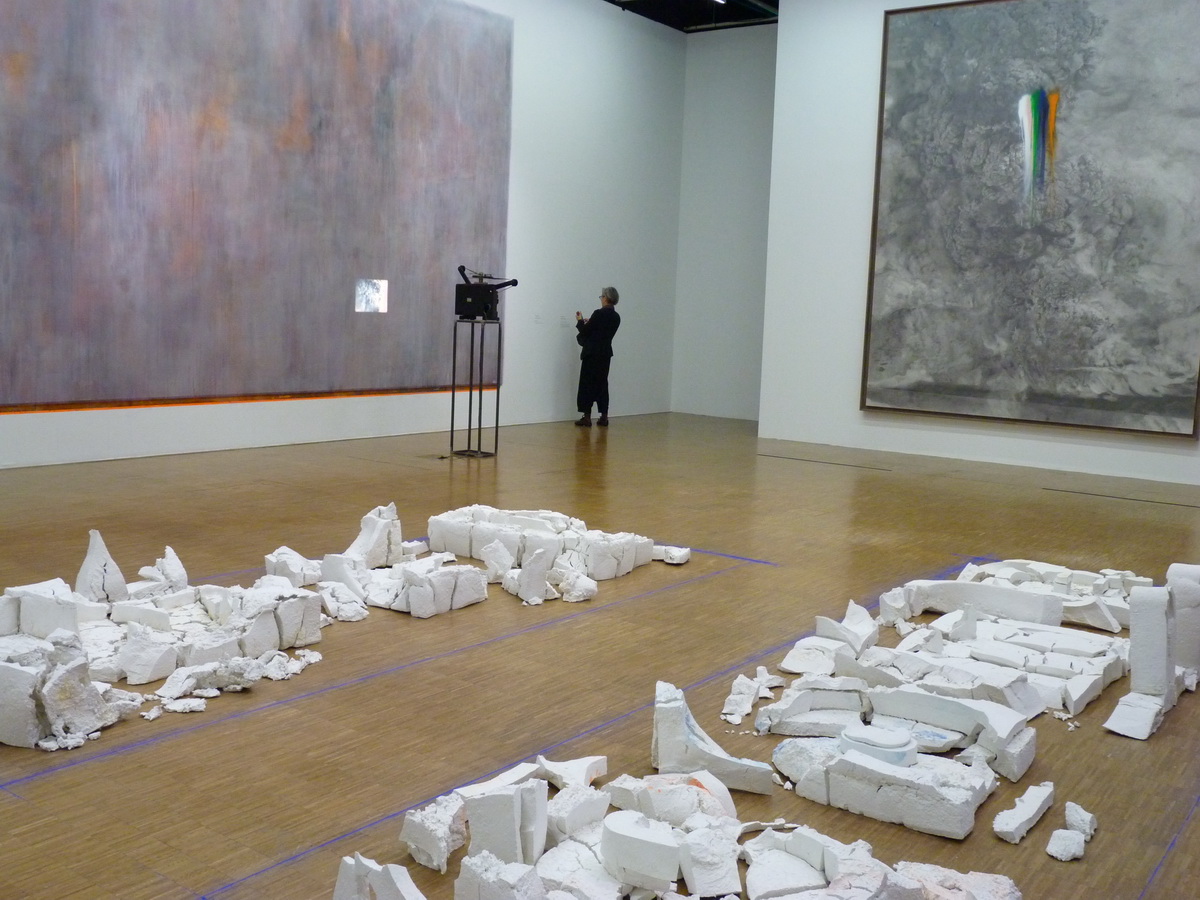
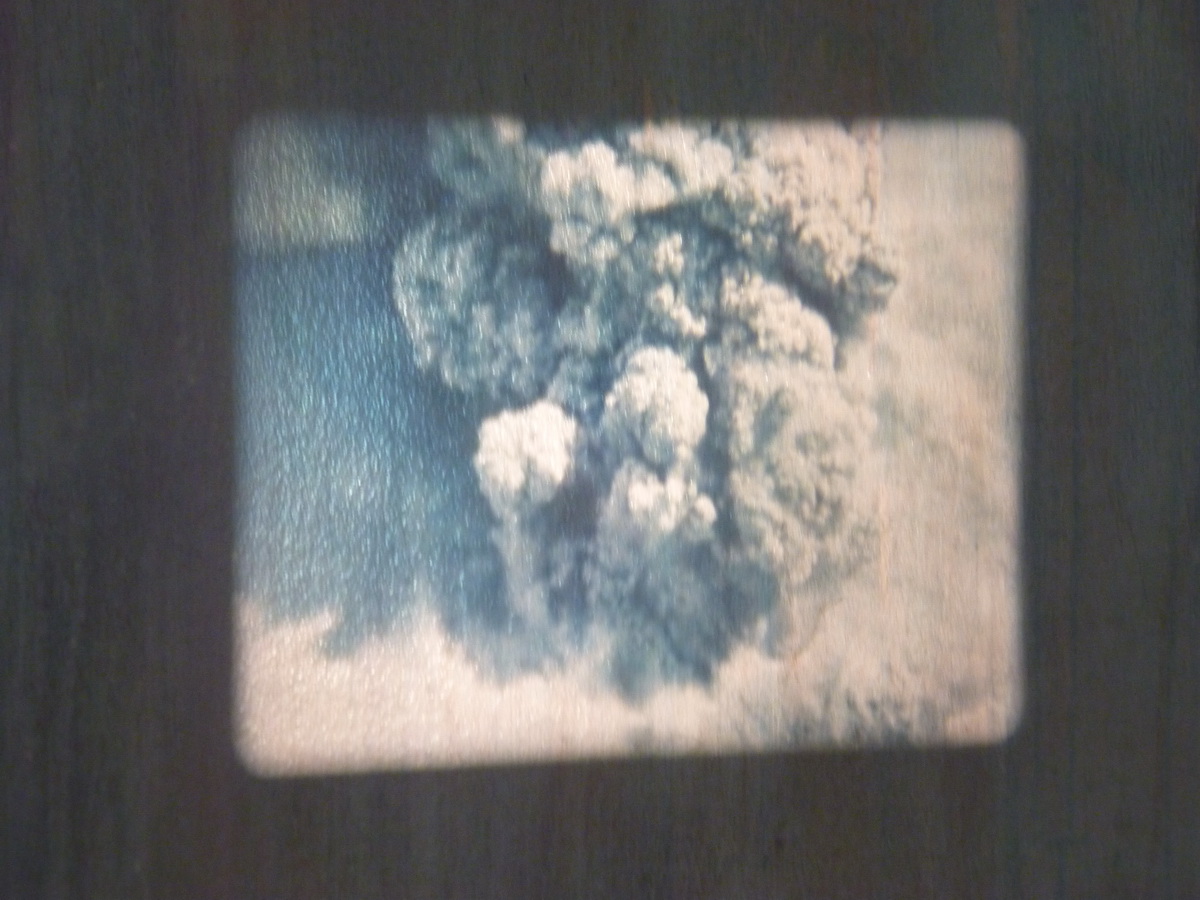
Vietnamese artist Thu-Van Tran (born 1979) explores diverse aspects through painting, sculpture, film, and installation, focusing on materials and vocabulary grounded in her profound immigrant experience to examine the frustrations of globalization. Five ambiguous works are exhibited, extending her 2012 exploration. "The Color Grey" (Monumental Mural) (2018) uses six colors of Rainbow herbicide layered cleverly on the wall with different sequences and transparencies, inevitably producing grey. In the corner of this grey mural, the 16mm film "If Nothing Comes Out of Here" is projected. Filmed in foundries in Asia and France, the story unfolds in four breaths: First—bursting from collapse and fragmentation, liberated from its shell; birth and speech, tested by time and silence. Second—women tirelessly persisting in struggle. Third—the final enjoyment, where the Japanese volcano contains only its mass, returning to primitive acts; impacting materials and confusing them, children emerge from sparks and color. "Dust Dragged" (Painting) (2018) resembles a cloud of ash churning like a volcanic eruption, overlaid with dazzling semitones (rainbows). Two pieces illustrate and transfer the disaster of toxic Rainbow herbicide used by the US military during the Vietnam War in the 1960s, which continues to pollute the soil.
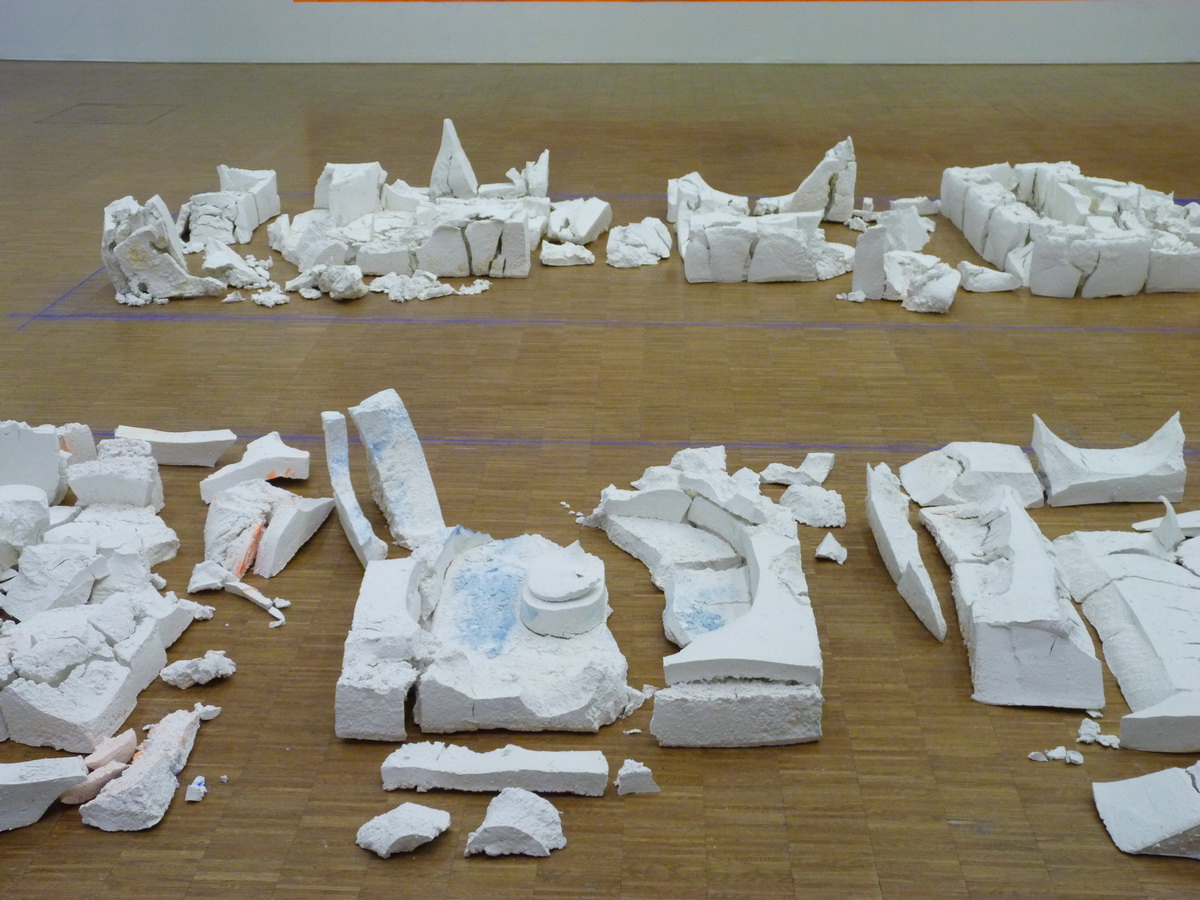
On the floor, a striking white sculpture cast from algae powder, "Don't Be Shy and Sparks" (2018), meets the viewer at bodily scale, questioning the possibility of sharing space. A sign reading "Welcome" is deconstructed into fragmented fossil-like sculptures of various sizes. Through malleable materials and deformation, the textual meaning is emptied, making it unrecognizable, thereby questioning the meaning behind hospitality under globalization, becoming a place for art and creation. The artist manipulates the oscillation of language and demonstrates the fluidity of history, writing aptly: "Memory is our medium, and we live with this issue."
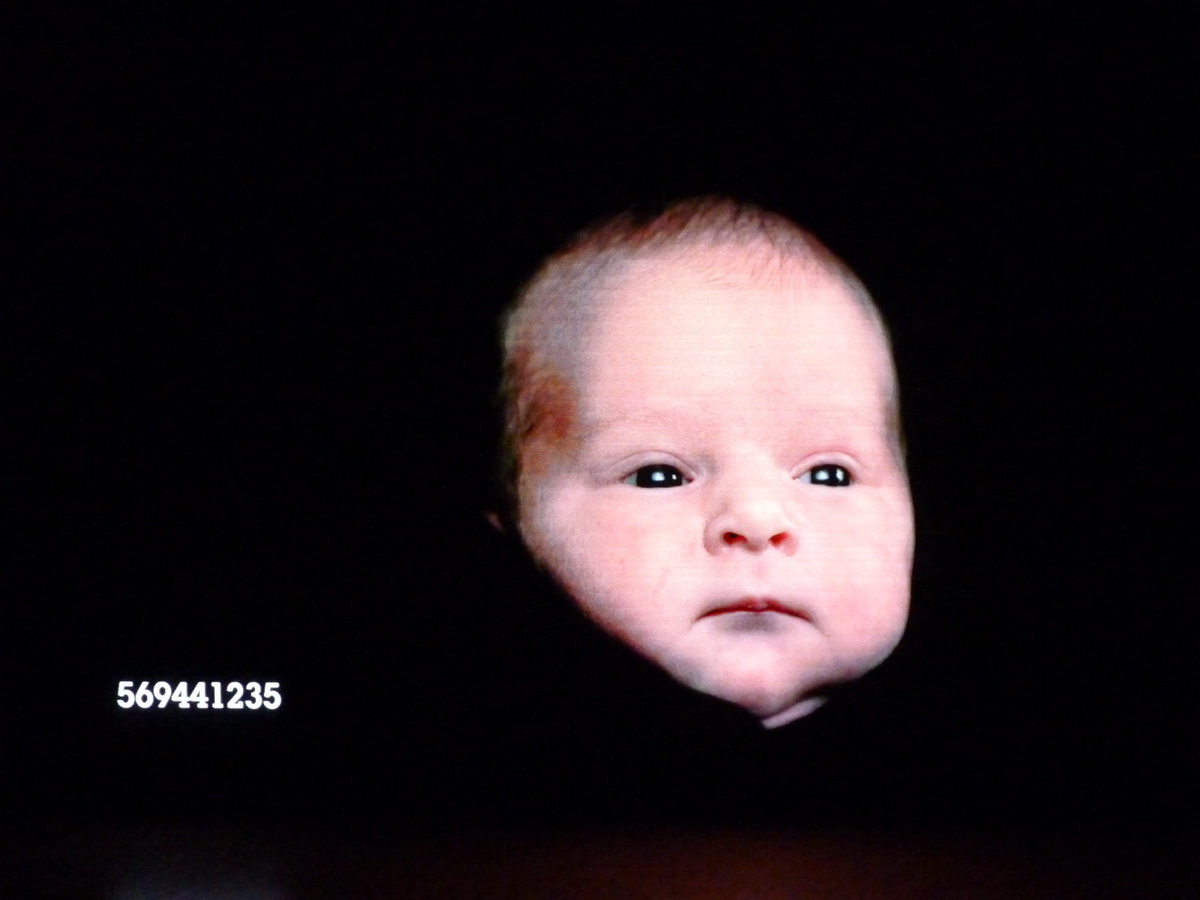
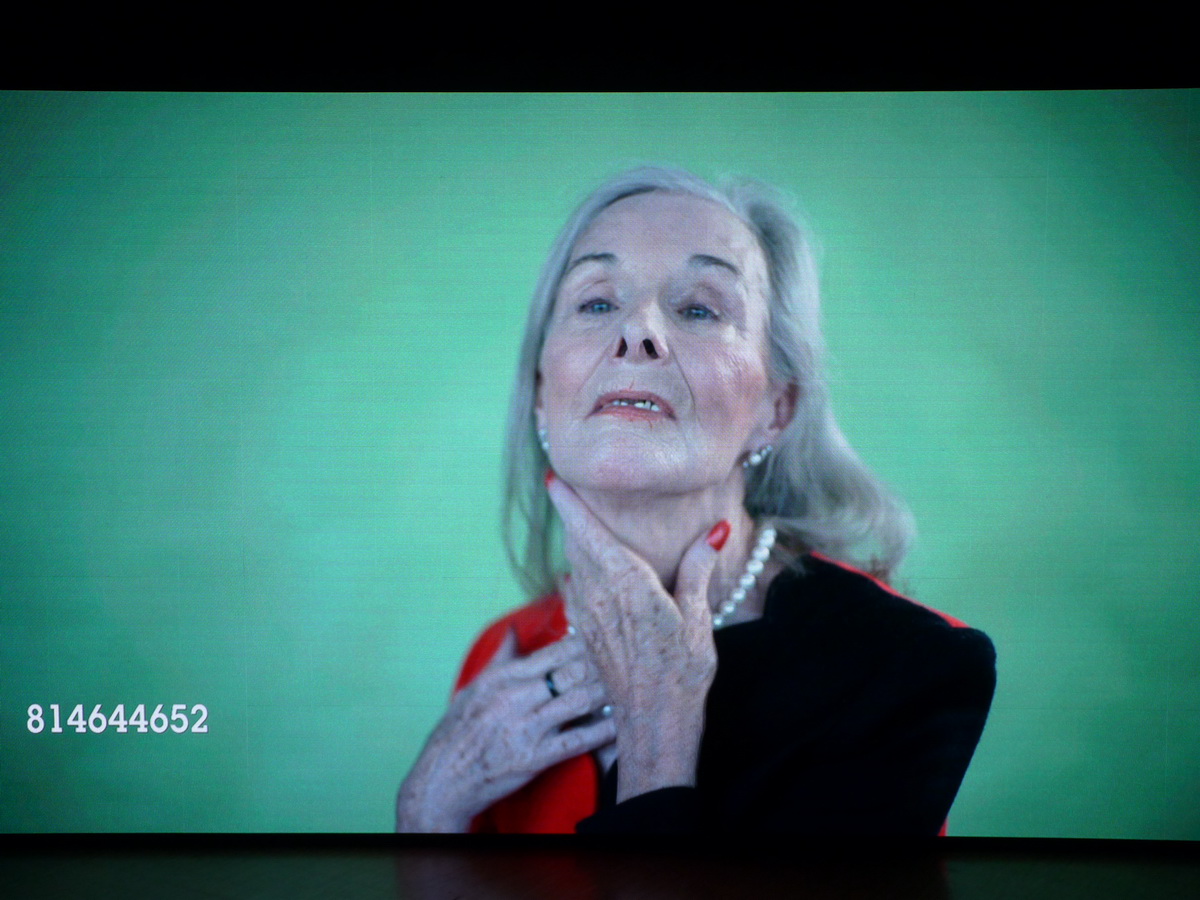
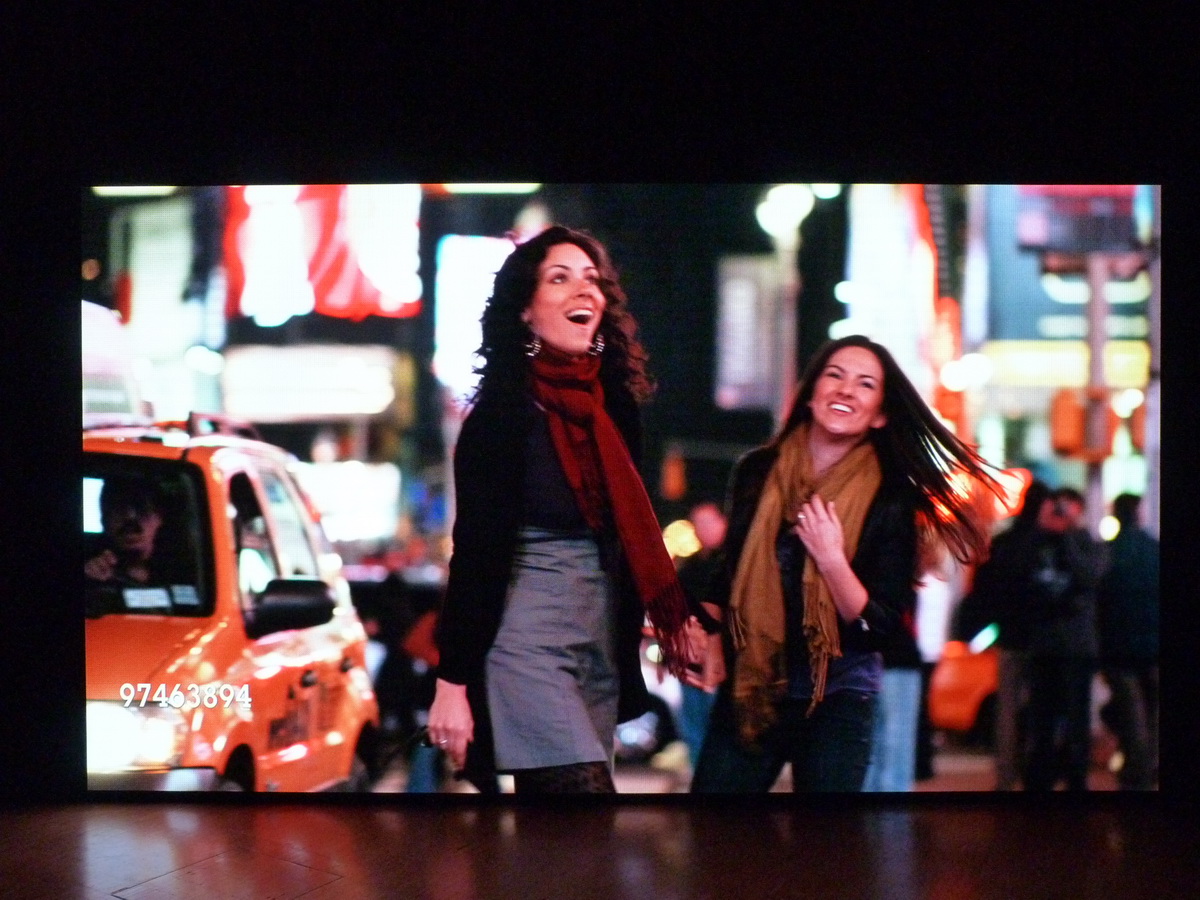
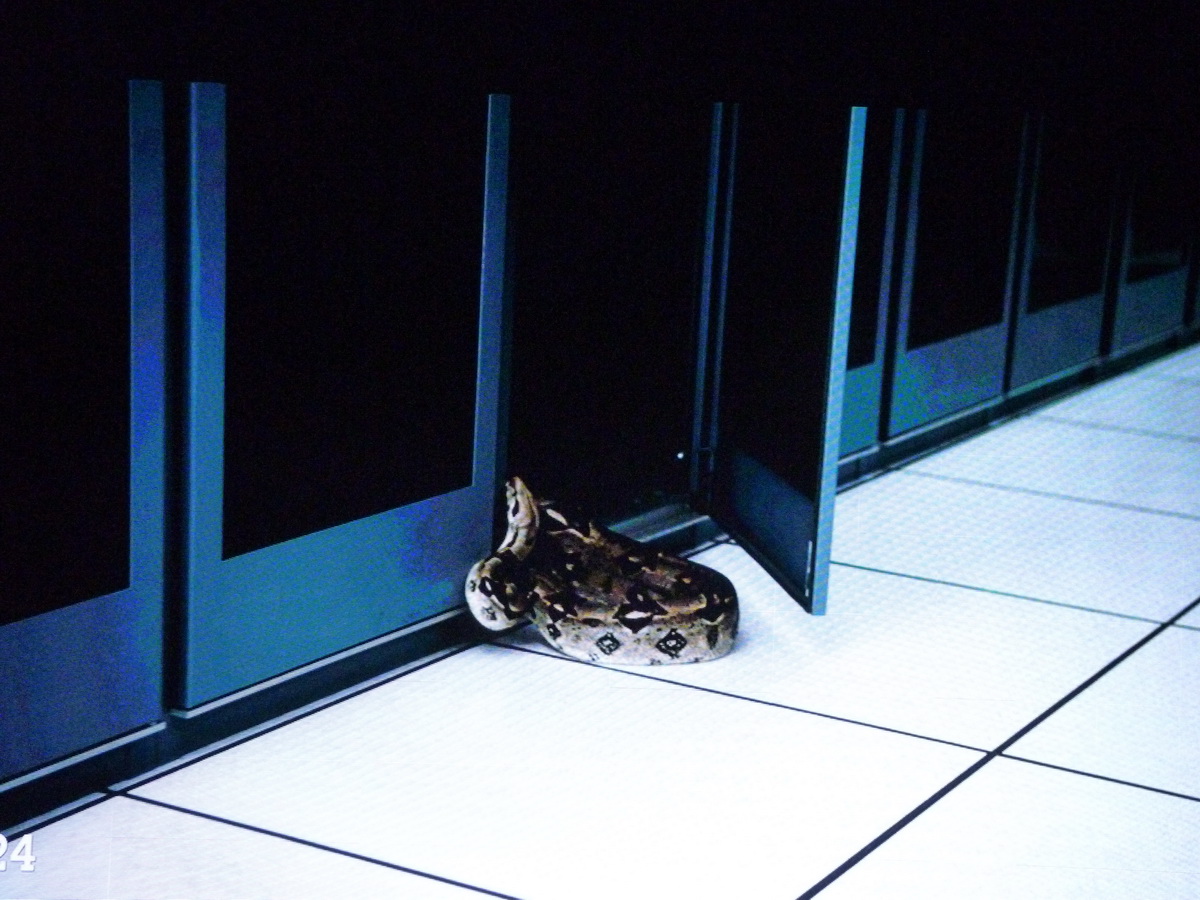
French artist Clement Cogitore (born 1983) builds his work on the medium of film, moving between photography and moving images, between cinema distribution channels and museum installations, forming a whole of ritualistic meaning and coronation performance. His 2018 work "French Demon Video Installation" is composed entirely of pre-existing images (from vast internet social media graphics, commercial advertisements, mass media, and political films). Her images are perfectly (stereotyped, commercialized, entertaining, dramatized), narrated by a soft female voice, expressing contemporary beliefs and community phenomena through anonymous scenes and stereotypes. The artist contrasts and responds with visual intensity and a dreamlike sense of storytelling, creating a new field of exploration.
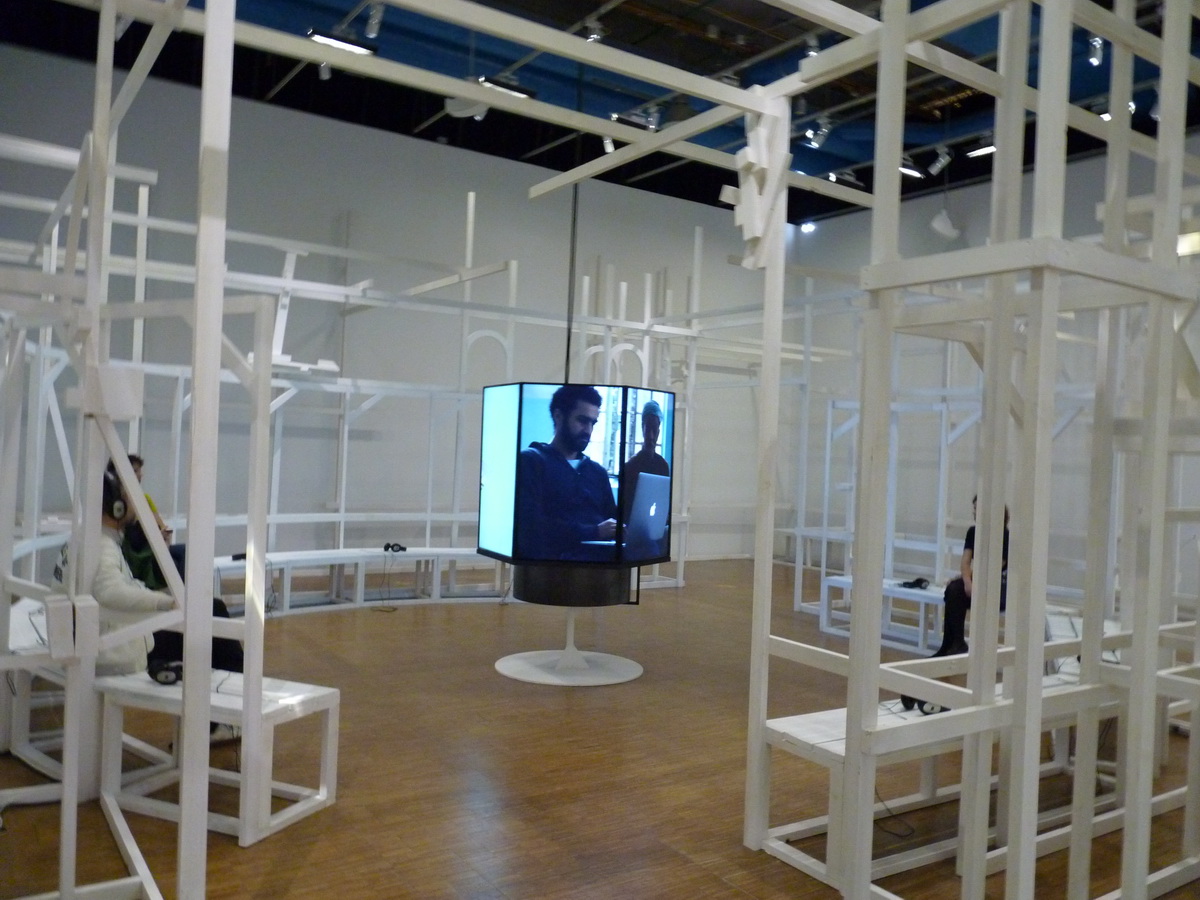
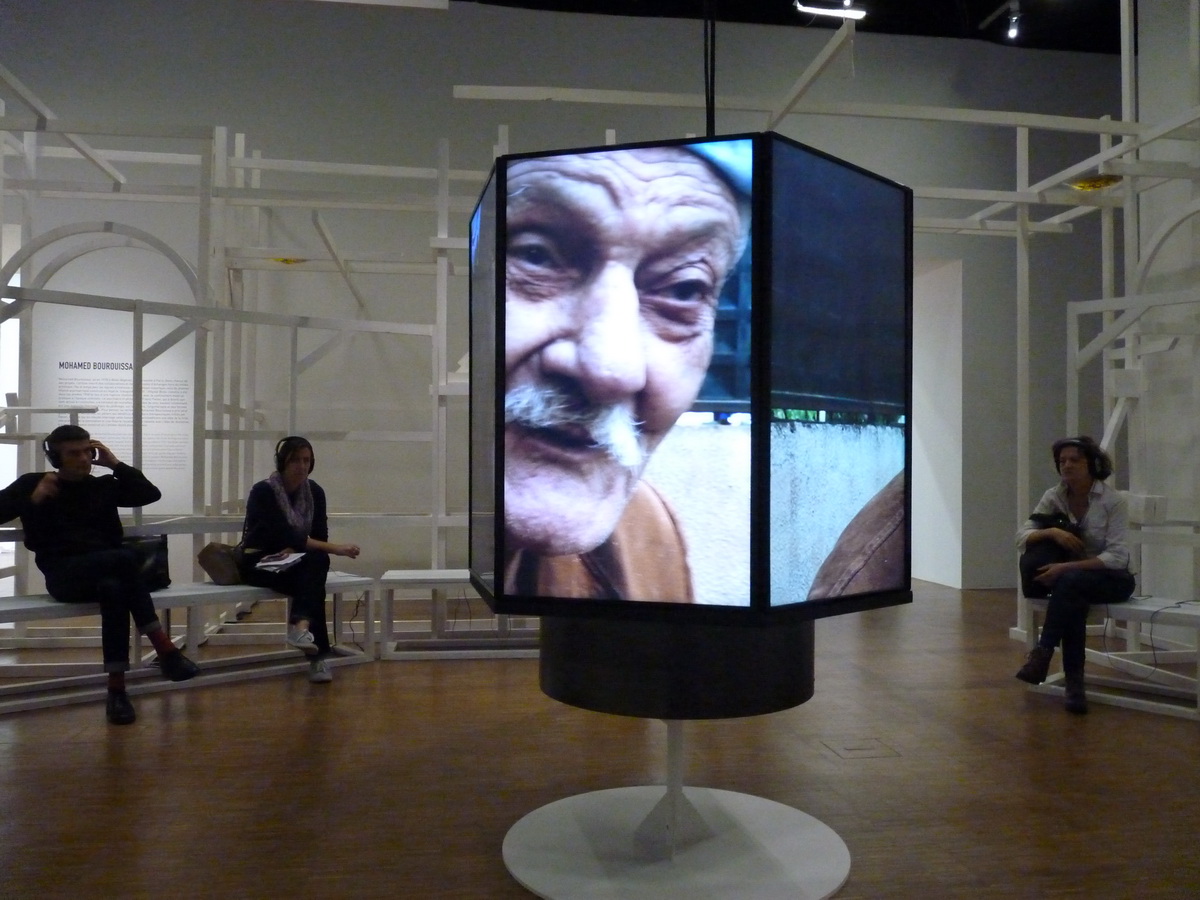
Algerian artist Mohamed Bourouissa (born 1978) bases each art project on collaborative agreements in non-art fields. In the video installation "Algeria Has No Time for Regrets" (2018), he collaborated with artist O Mats. Within a psychological and physical structure of white wood, evoking a demon hunt in an old pharmacy, sits a hexagonal rotating TV screen in the center. It plays interviews guided by Bourlem Mohamed, a patient benefited by treatments at the Fanony psychiatric hospital. This illustrates Blida-Joinville, the first psychiatric hospital in French colonial Algeria, founded in 1937. Until 1950, revolutionary reforms by psychiatrist and philosopher Frantz Fanon introduced new therapies close to gardening and theater, adopting labor therapy and socialization forms. The artist uses the concept of resilience to question this history and trace the notion of madness, past colonial practices, and racist theories.
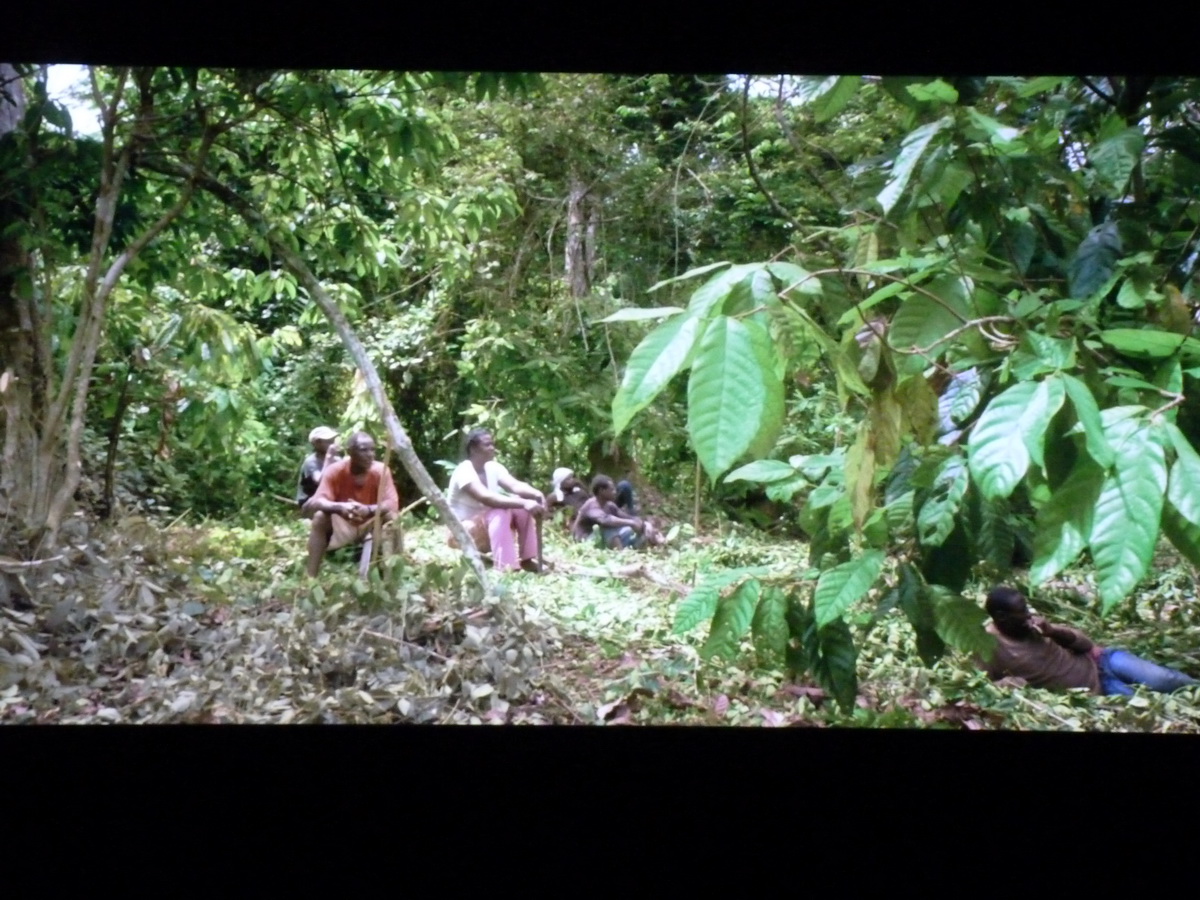
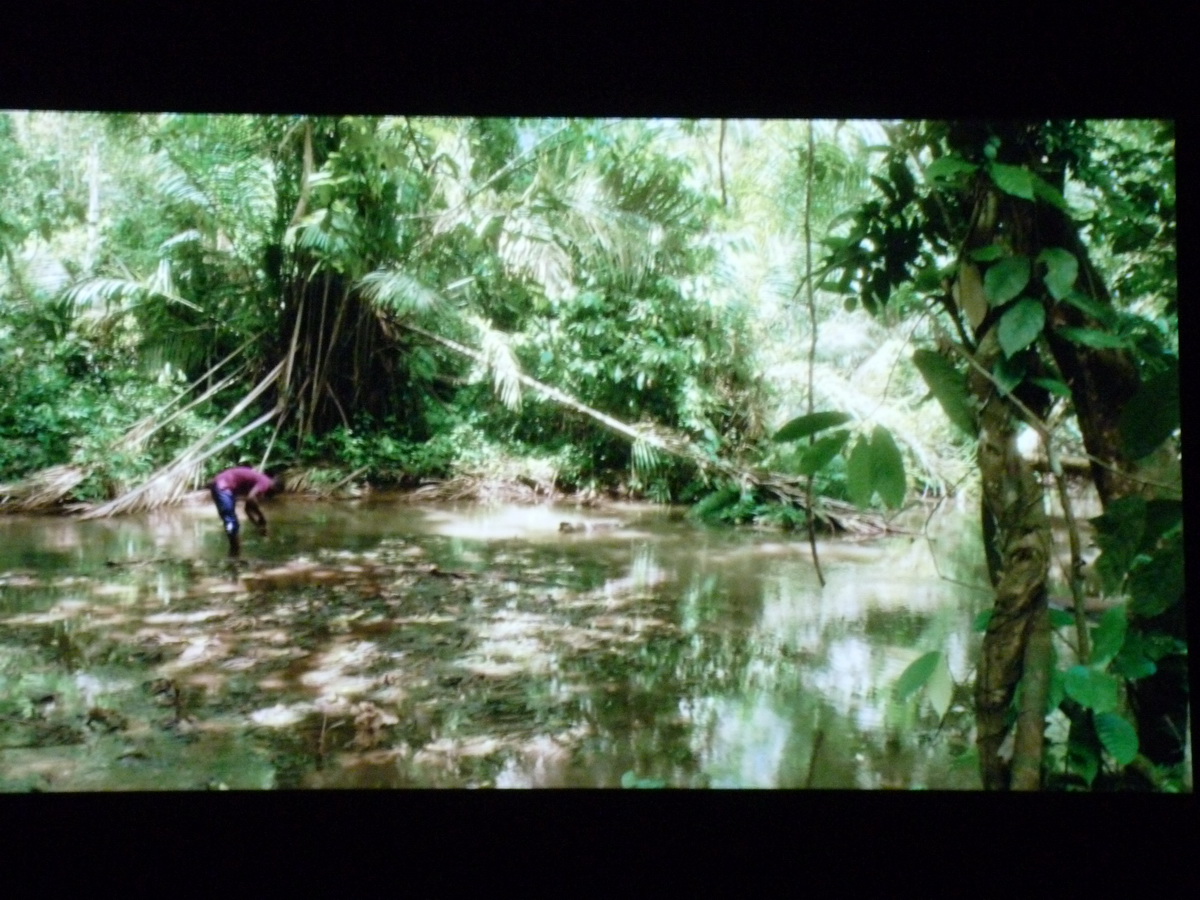
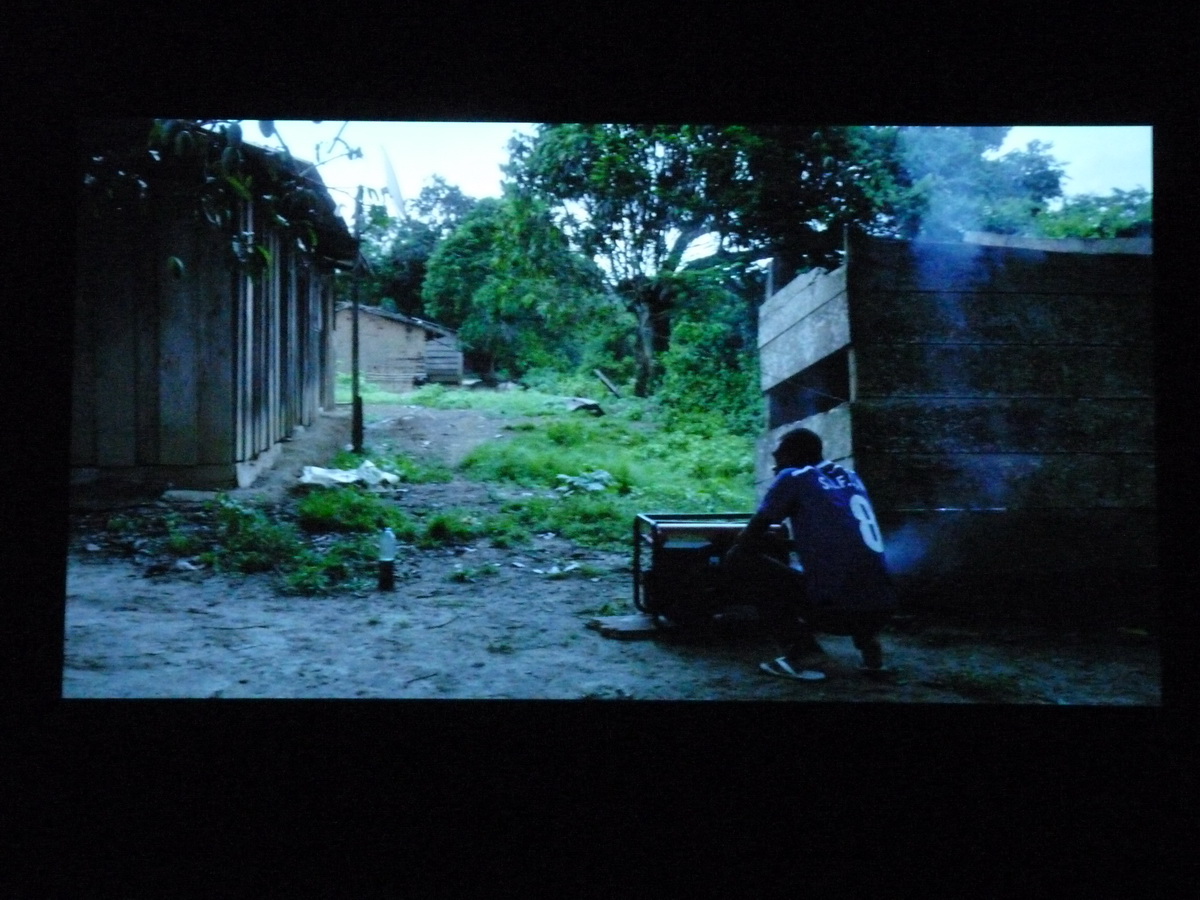
French artist Marie Voignier (born 1974) excels at integrating image recording (transmission, transformation, and reconstruction) and articulation. Her anthropological-style work connects with complex histories, mixing various historical and post-colonial truths. Each of her art projects is constructed according to a single method following the feeling of the theme. "tinselwood" (2017-18) is an 82-minute reportage-style HD video responding to a search initiated in 2010. She tracked a code in the forests of Cameroon, following traces of fictional animals recorded by residents in forgotten primeval forests on the African continent. After years of searching and exploring in the primeval tropical forest, one day she encountered the indigenous people (Salapoumbe). Through in-depth interview reports, intending to understand this erased secret code story, she realized her ignorance of the region's colonial history. The artist said: "My inquiry is not ethnographic. But I intend to historicize this observation."
Note: Referenced from the press release and on-site interpretive text of the 2018 Prix Marcel Duchamp Shortlist Exhibition.