Chen Chi-Hsiang — "Crossing the Horizon" Solo Exhibition
Crossing the Horizon — Alternative Space, Chiayi Railway Warehouse, 2000
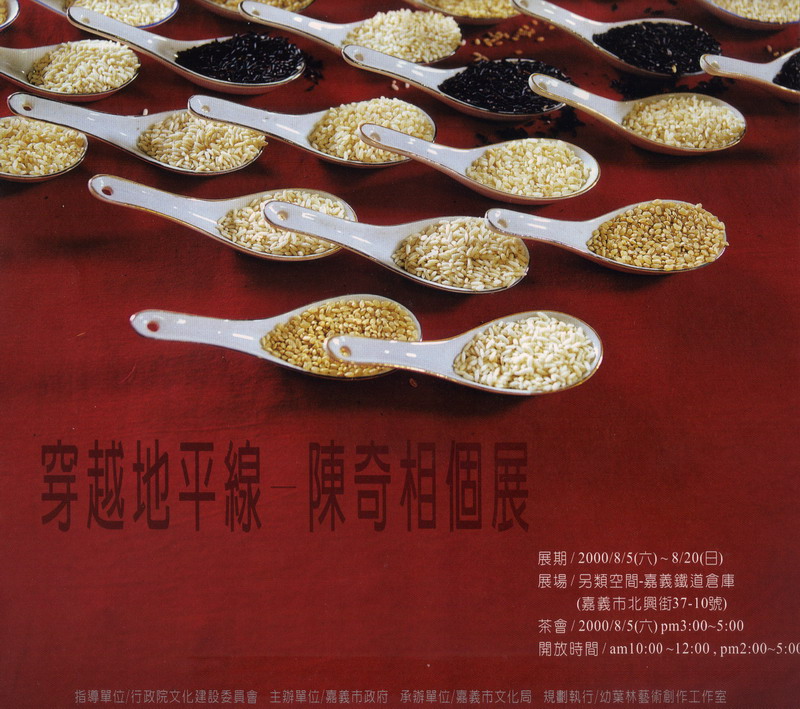
Crossing the Horizon — Alternative Space, Chiayi Railway Warehouse, 2000Crossing the Horizon-Alternative Space Chiayi Railway Warehouse 2000

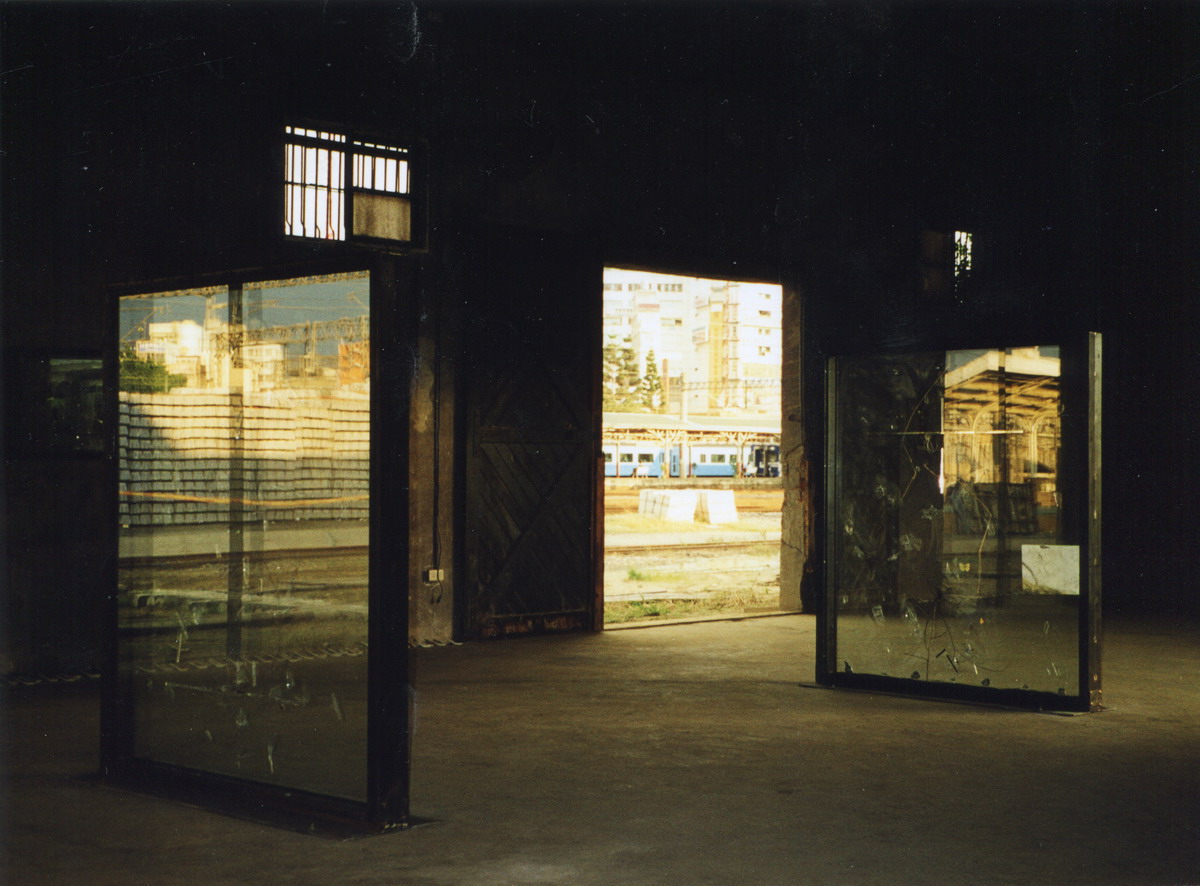
"Realm within a Realm" 150x180 cm, iron frame, tempered glass, objects, plants, and broken glass fragments, etc., vertical object painting — spatial installation, 2000-08, Chiayi Railway — Alternative Space scene
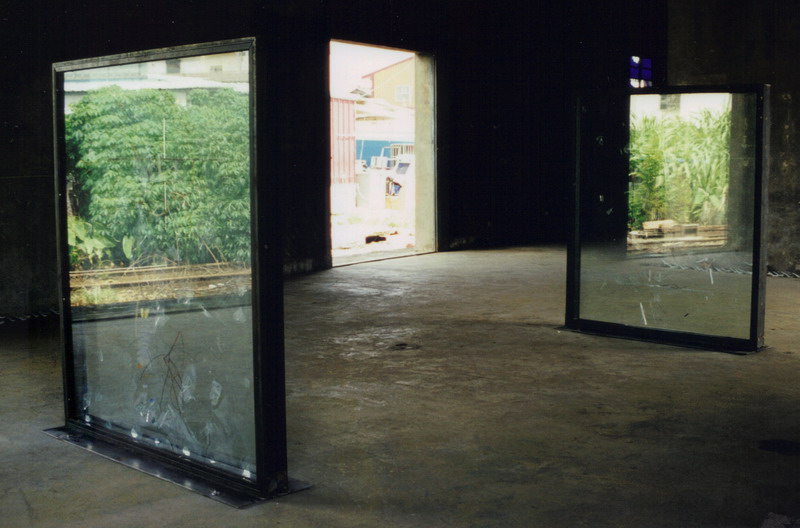
"Realm within a Realm" 150x180 cm, iron frame, tempered glass, objects, plants, and broken glass fragments, etc., vertical object painting — spatial installation, 2000-08, Chiayi Railway — Alternative Space scene
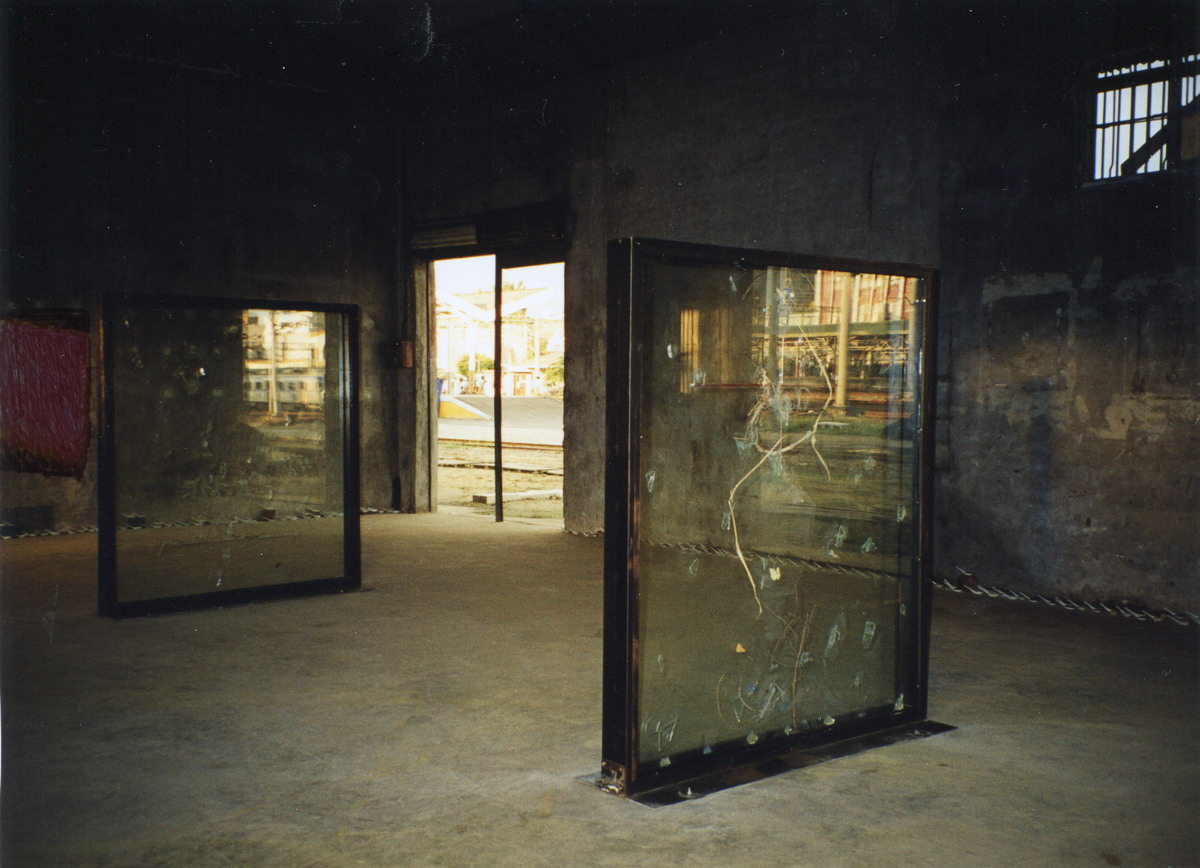
"Realm within a Realm" 150x180 cm, iron frame, tempered glass, objects, plants, and broken glass fragments, etc., vertical object painting — spatial installation, 2000-08, Chiayi Railway — Alternative Space scene
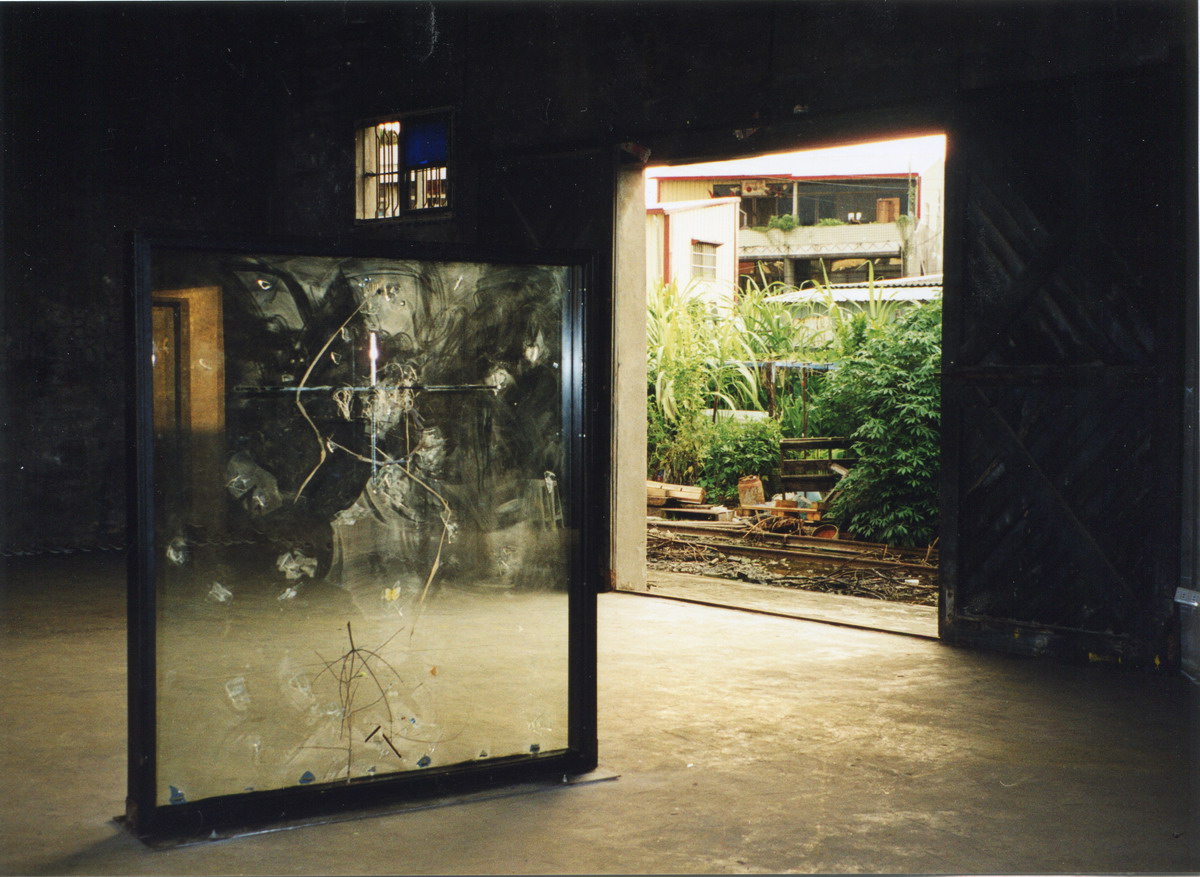
"Realm within a Realm" 150x180 cm, iron frame, tempered glass, objects, plants, and broken glass fragments, etc., vertical object painting and main gate — spatial installation, 2000-08, Chiayi Railway — Alternative Space scene
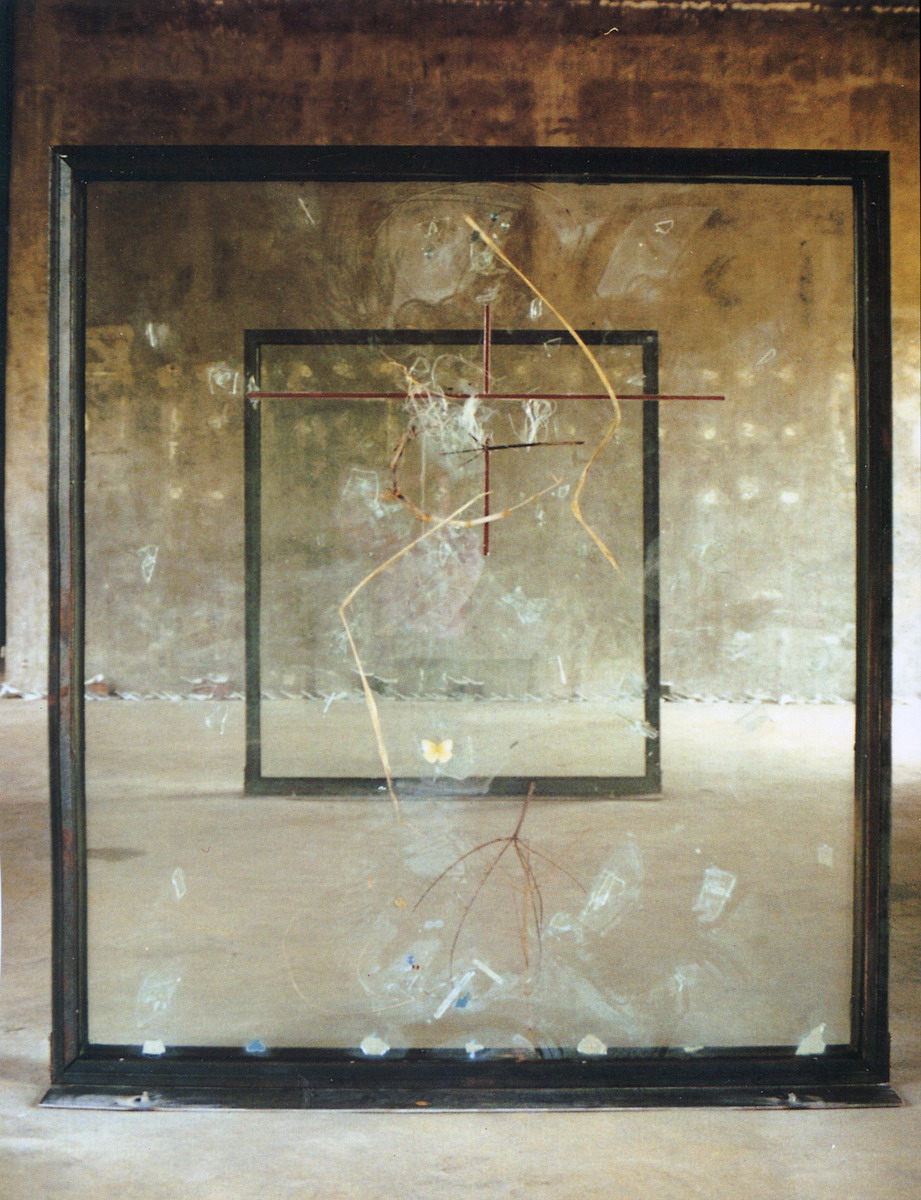
"Realm within a Realm" 150x180 cm, iron frame, tempered glass, objects, plants, and broken glass fragments, etc., vertical object painting and main gate — spatial installation, 2000-08, Chiayi Railway — Alternative Space scene
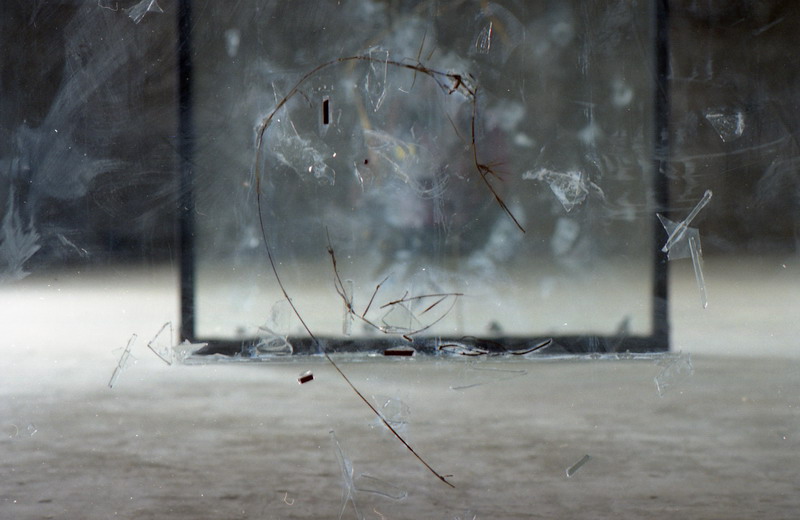
"Realm within a Realm" 150x180 cm, iron frame, tempered glass, objects, plants, and broken glass fragments, etc., vertical object painting detail, 2000
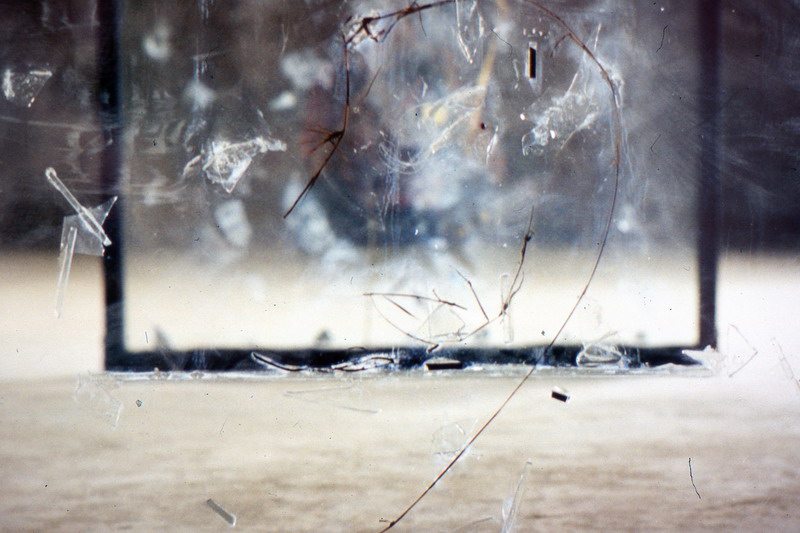
"Realm within a Realm" 150x180 cm, iron frame, tempered glass, objects, plants, and broken glass fragments, etc., vertical object painting detail, 2000
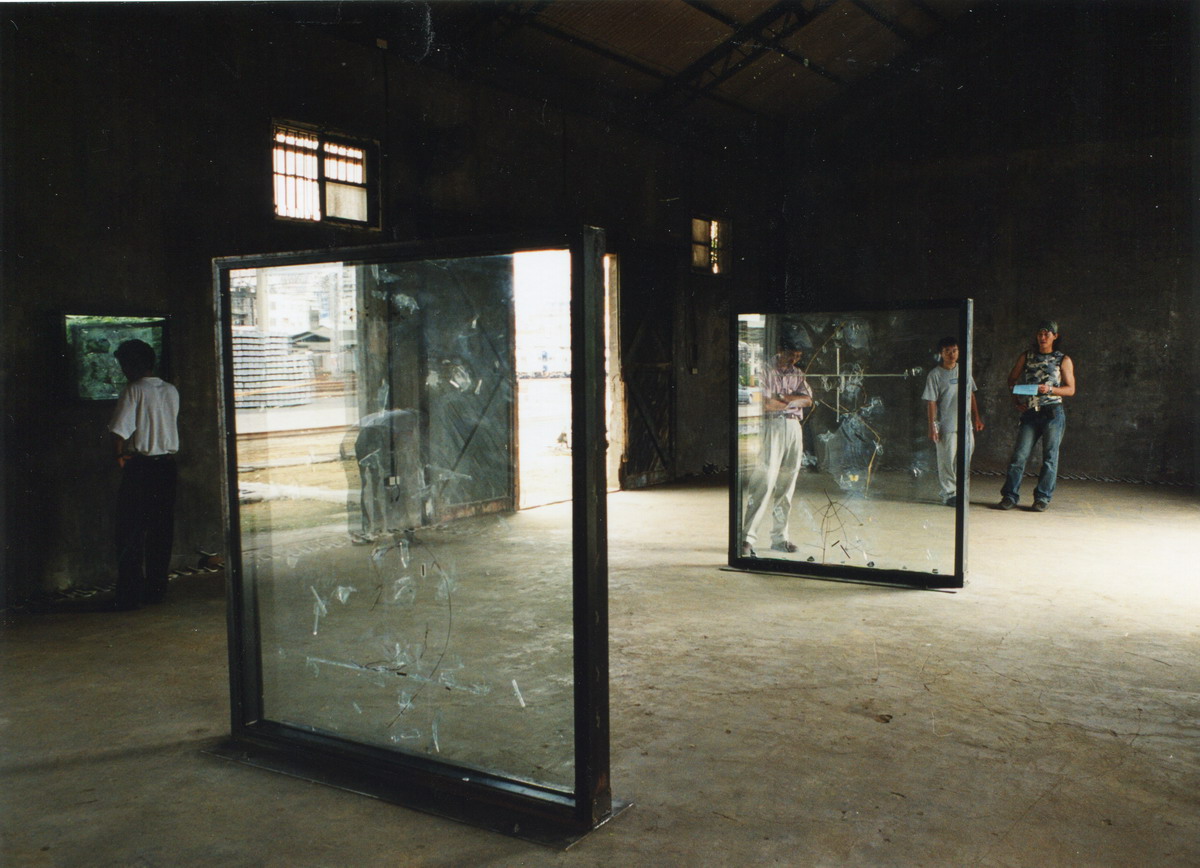
Crossing the Horizon scene, 2000-08
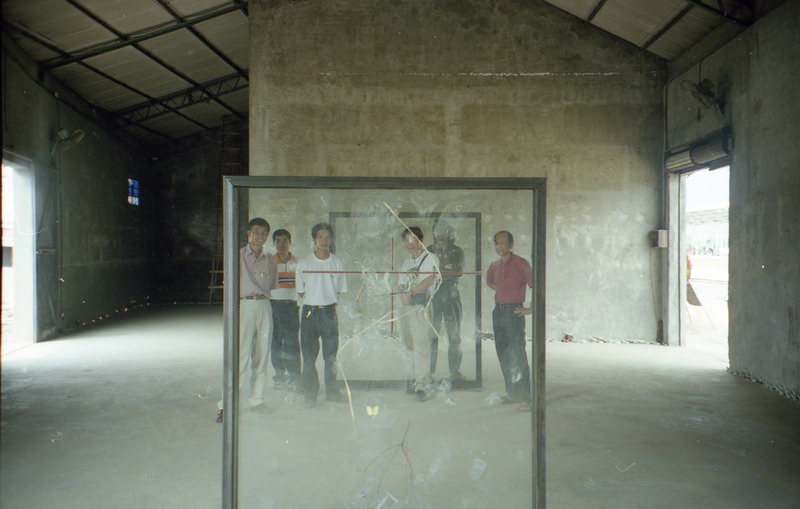
Crossing the Horizon exhibition venue, group photo with artist friends, 2000-08
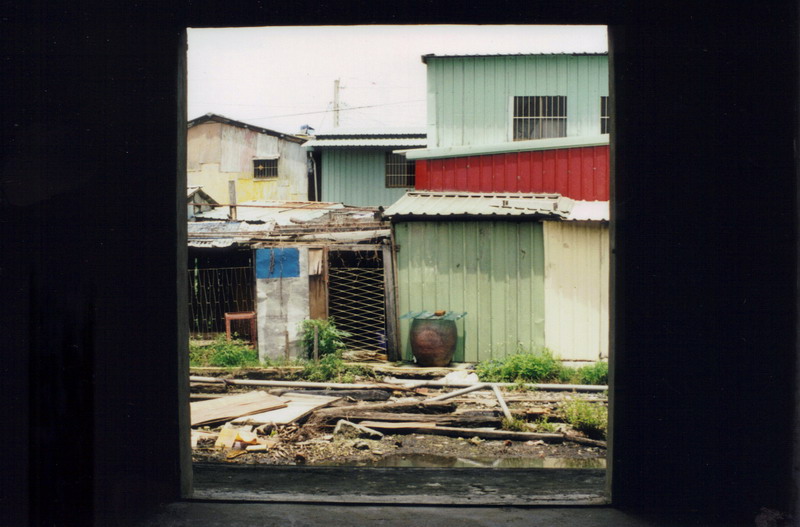
In the Crossing the Horizon spatial installation, the four large gate views of the exhibition venue are absorbed to become part of the actual landscape, 2000-08
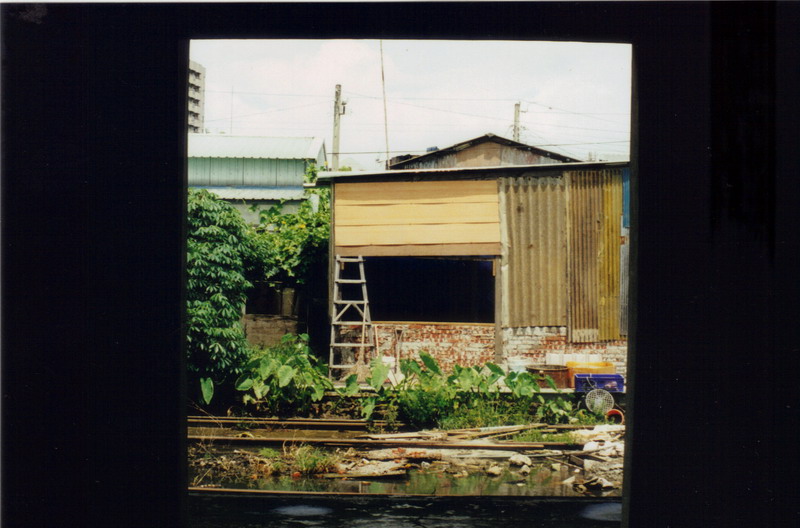
In the Crossing the Horizon spatial installation, the four large gate views of the exhibition venue are absorbed to become part of the actual landscape, 2000-08
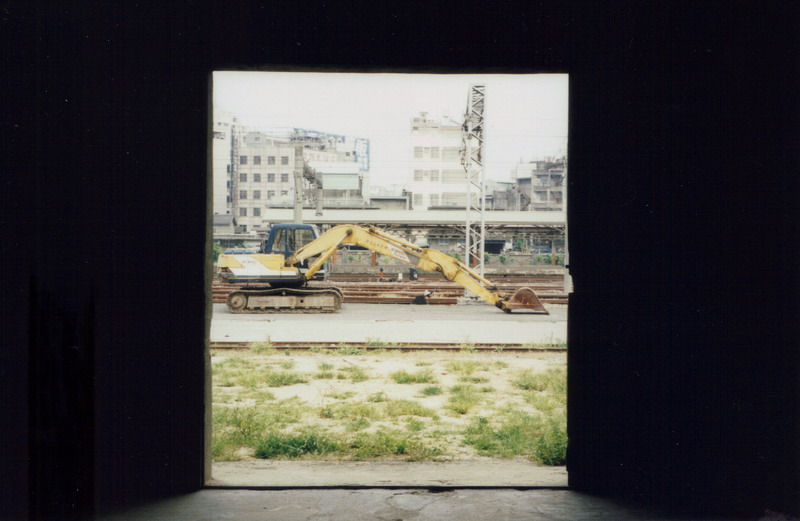
In the Crossing the Horizon spatial installation, the four large gate views of the exhibition venue are absorbed to become part of the actual landscape, 2000-08
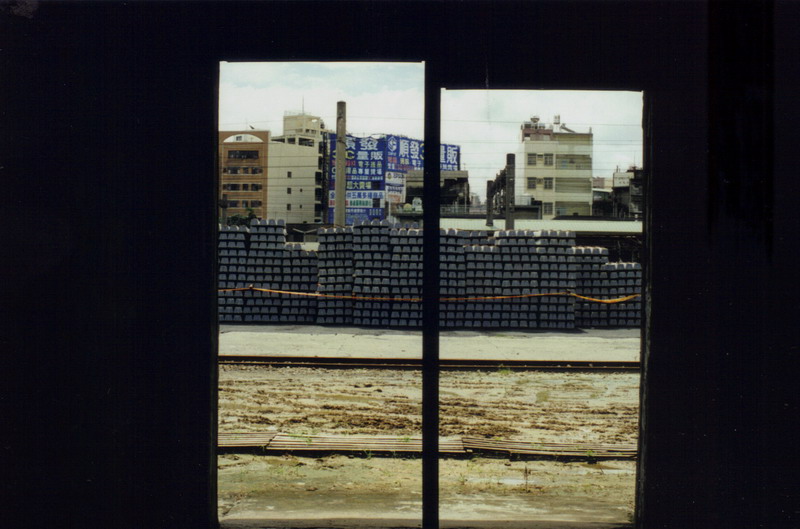
In the Crossing the Horizon spatial installation, the four large gate views of the exhibition venue are absorbed to become part of the actual landscape, 2000-08
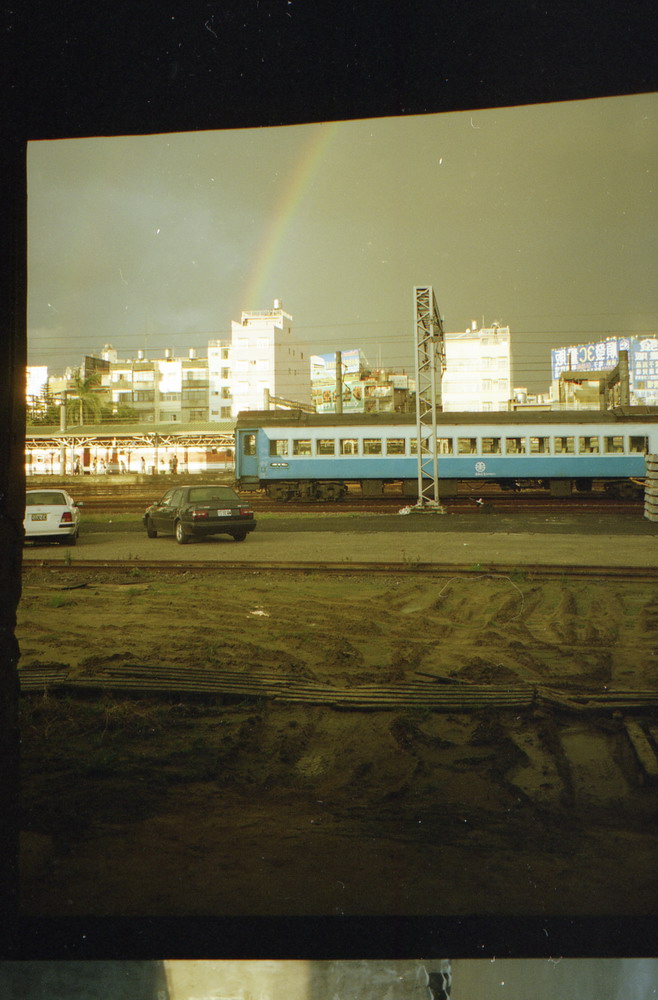
Crossing the Horizon is not limited to the exhibition venue but extends to the scenery outside and to time and space, 2000-08
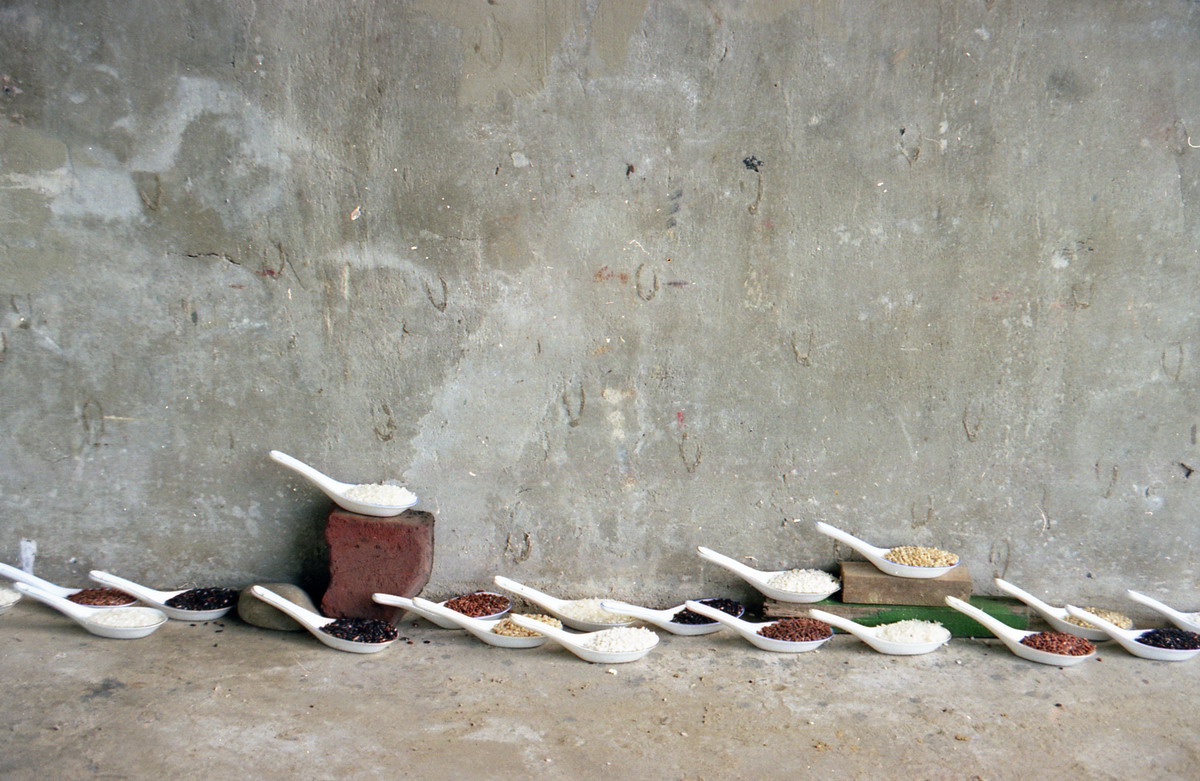
Crossing the Horizon, detail, over 500 colored porcelain spoons, spatial installation, 2000-08
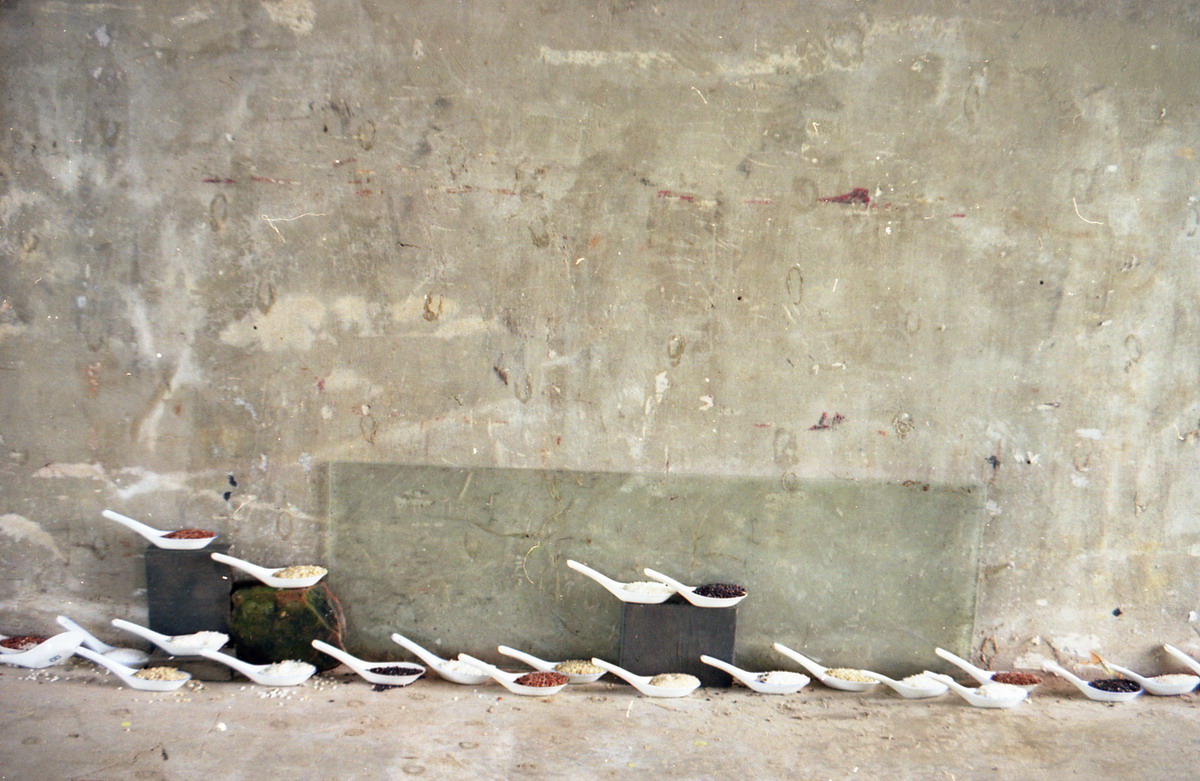
Crossing the Horizon, detail, over 500 colored porcelain spoons, spatial installation, 2000-08
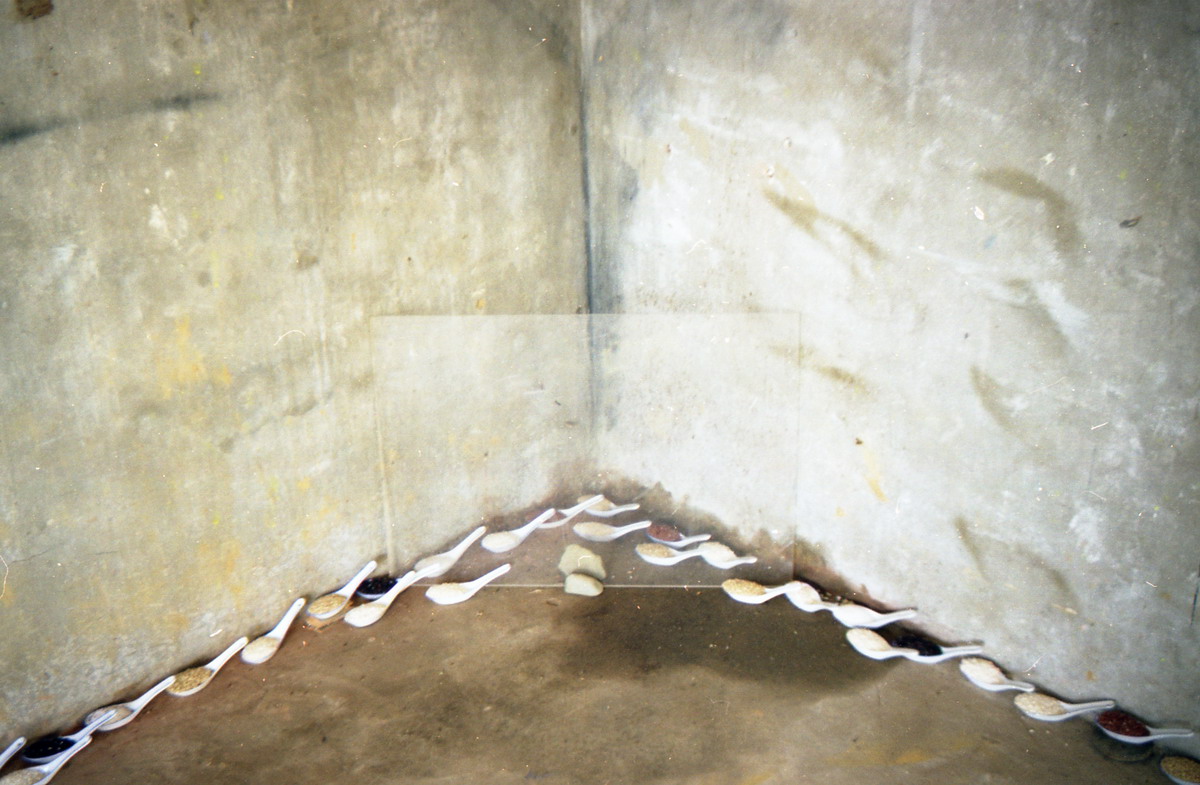
Crossing the Horizon, detail, over 500 colored porcelain spoons, spatial installation, 2000-08
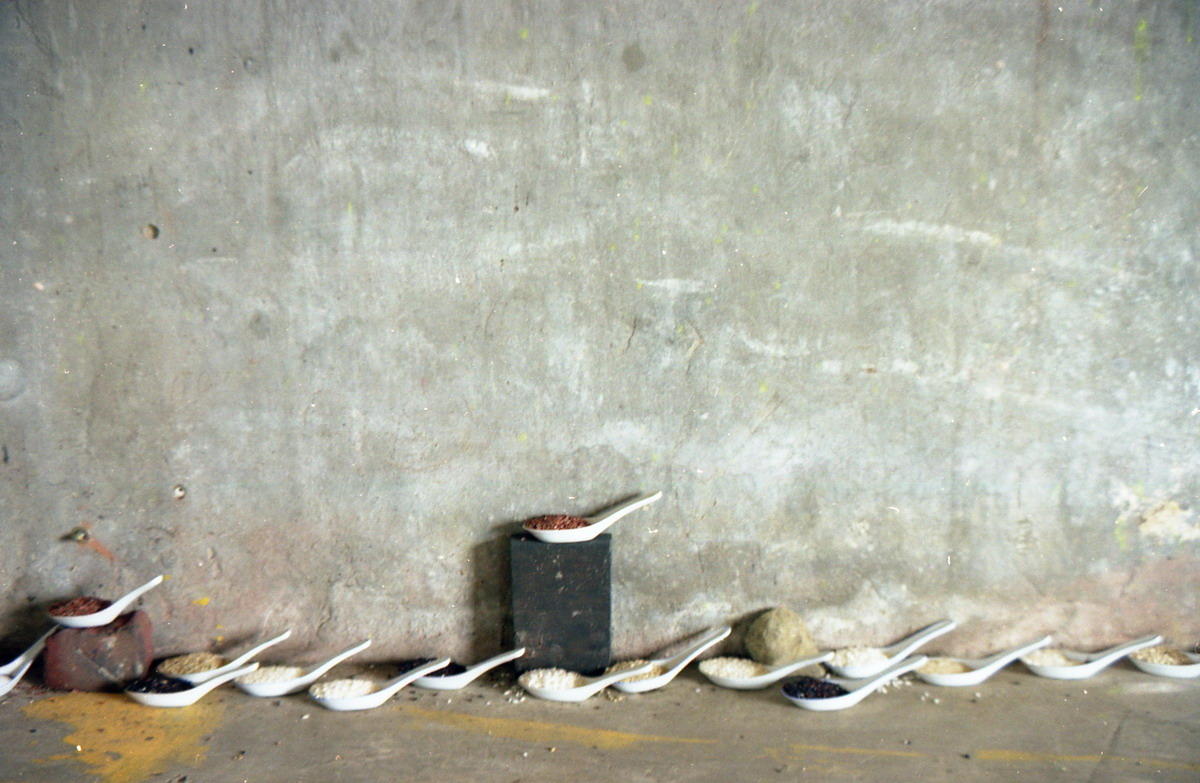
Crossing the Horizon, detail, over 500 colored porcelain spoons, spatial installation, 2000-08
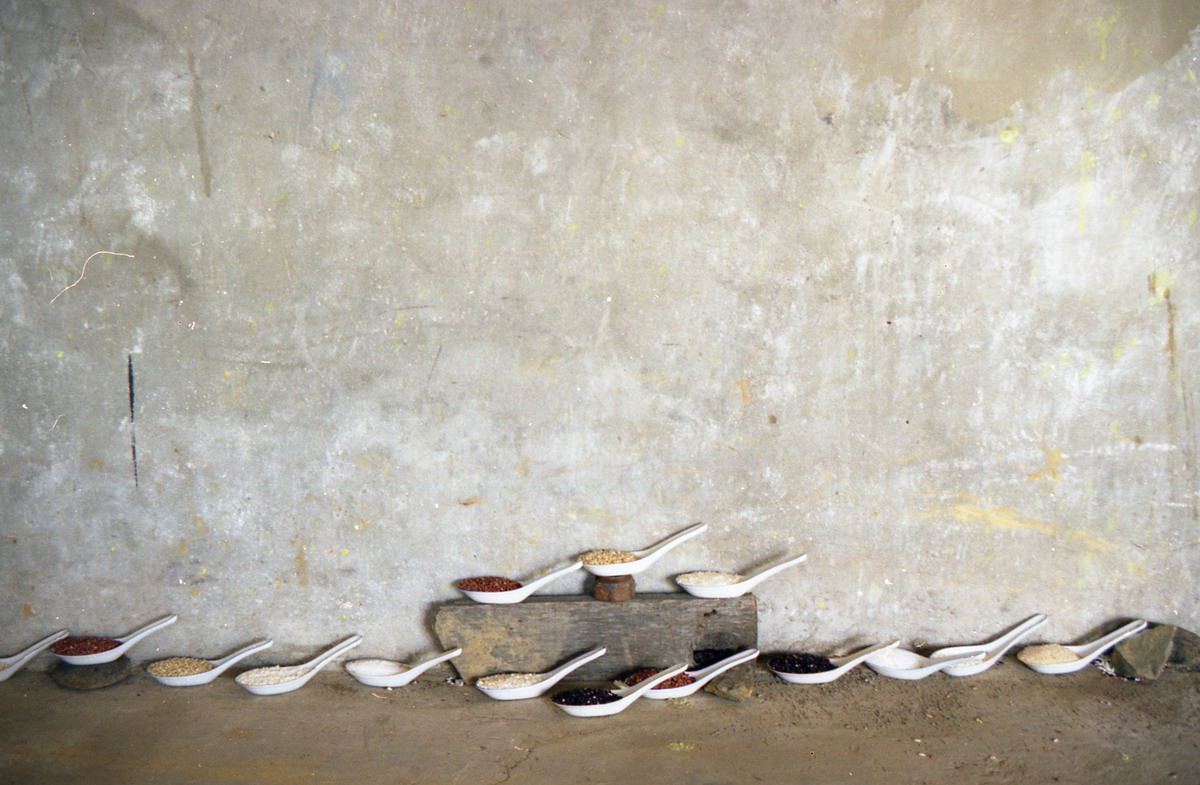
Crossing the Horizon, detail, over 500 colored porcelain spoons, spatial installation, 2000-08
Crossing the Horizon, detail, over 500 colored porcelain spoons, spatial installation, 2000-08
Crossing the Horizon Solo Exhibition. Venue: Chiayi Alternative Space — Railway Warehouse. Dates: August 5 to August 20, 2000.
Artist Chen Chi-Hsiang, who has resided in Paris, France for nearly twenty years, following his July solo exhibition "Shared Memory of Rice — Intuition and Imagination" at the Bamboo Curtain Studio in Taipei, presents another solo exhibition "Crossing the Horizon" in August at the Chiayi Alternative Space Railway Warehouse. In Paris, France, in addition to writing contemporary art criticism over the long term and collecting materials on contemporary art and gardening from various places, he has not forgotten his duty as an artist — art creation. He has held multiple solo exhibitions at galleries in Paris and elsewhere, and participated in numerous group exhibitions. In Taiwan, he has published "Paris Art Journey" and "Exploring Flowers in the Flower Capital — Paris Garden Art," along with several unpublished writings and translations such as "European Postmodernism," "The End of Modernism," "Notes on the European Renaissance," and "Guide to the Centre Pompidou Cultural Center — Museum of Modern Art," among others.
For over a decade, his entire creative practice has revolved around his "rice culture." Chen Chi-Hsiang states: "The same rice nourishes all kinds of people; two-thirds of the world's population eats rice, especially in Eastern countries, yet I find there is too little exploration of rice culture. Because rice is not merely a material, it is a culture, and moreover, another unique spirit of humanity on Earth." From the shared memory, history, and consciousness of rice to an inquiry into the essence of life, and through the material transformation and empathy of rice, he grasps states of time and space and states of mind, intending to present the essence and contemplation of rice culture.
In recent months, Chen Chi-Hsiang returned to his homeland — Taiwan — traveling back and forth between north and south. Seeing the boundless Jianan Plain — the granary of Taiwan — he experienced a sensation of crossing the plain. Especially upon being invited to exhibit at the Chiayi Alternative Railway Warehouse venue, he felt the atmosphere of crossing the horizon and a sense of local emotion, and so he titled this distinctive exhibition state of mind "Crossing the Horizon," attempting to reveal the subtlety of the time-space field.
In this installation exhibition, two large vertical glass object paintings are specially presented, also created during the "Shared Memory of Rice — Intuition and Imagination" installation exhibition at the Bamboo Curtain Studio. They are vertical paintings constructed from two large panels of tempered glass and iron frames, incorporating natural materials and everyday objects, such as branches, grass or straw, butterflies, clay, rice flour, vermicelli, photographs, or broken glass fragments, assembled and constructed together — poetic imagery situated between painting, sculpture, and object art. These two large works stand firmly in the center of the exhibition venue; being glass, they serve as both mirrors and interfaces for the environmental space. Through their relationship with the time-space scene, they construct an atmosphere and a distinctive dialogue of time-space states, awakening spiritual consciousness. Viewed up close, one can take in the material appearances — form, time and space, light and shadow, and images of the environmental scene; viewed from afar, they become mirrors of virtual and actual illusion, conditionally reflecting the surrounding landscape — that is, using the mirror to incorporate the time-space scenery into the picture. Each different angle produces transformations, becoming the state of the time-space field of one's location. Between phenomenon/object image/actual reality, material/form/space, appearance/disappearance/re-presentation, existence/phantom/quasi-presence, the most wondrous aspect is that the four open large doors of the railway warehouse, at the same moment, are incorporated into the environmental spatial installation. They suddenly become four vivid paintings, and amid the clamor of trains coming and going from south to north, they constitute an alternative poetic beauty of time and space.
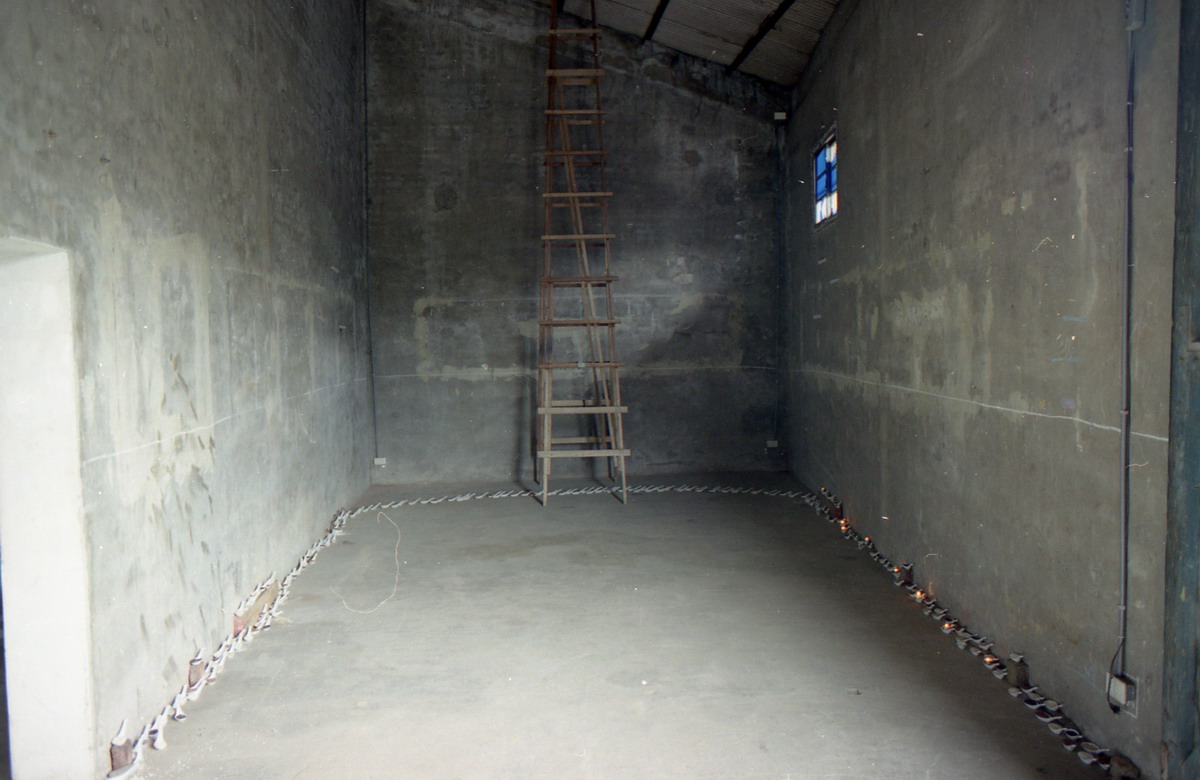
At the same time, following the horizon line along the wall corners of the entire venue, spoons filled with colorful rice are arranged, organized along the rises and falls of the wall corners. Sailing from left or right to a small corner space, there is a wooden ladder, symbolizing an ascent to the celestial cosmos, full of order, rhythm, and cadence — a metaphor for crossing the horizon, where consciousness shuttles through to reveal those invisible time-space fields.