The Most Essential Aspect of Life: London National Portrait Gallery " Giacometti - Pure Existence Exhibition" -9
London National Portrait Gallery "Giacometti - Pure Existence Exhibition"
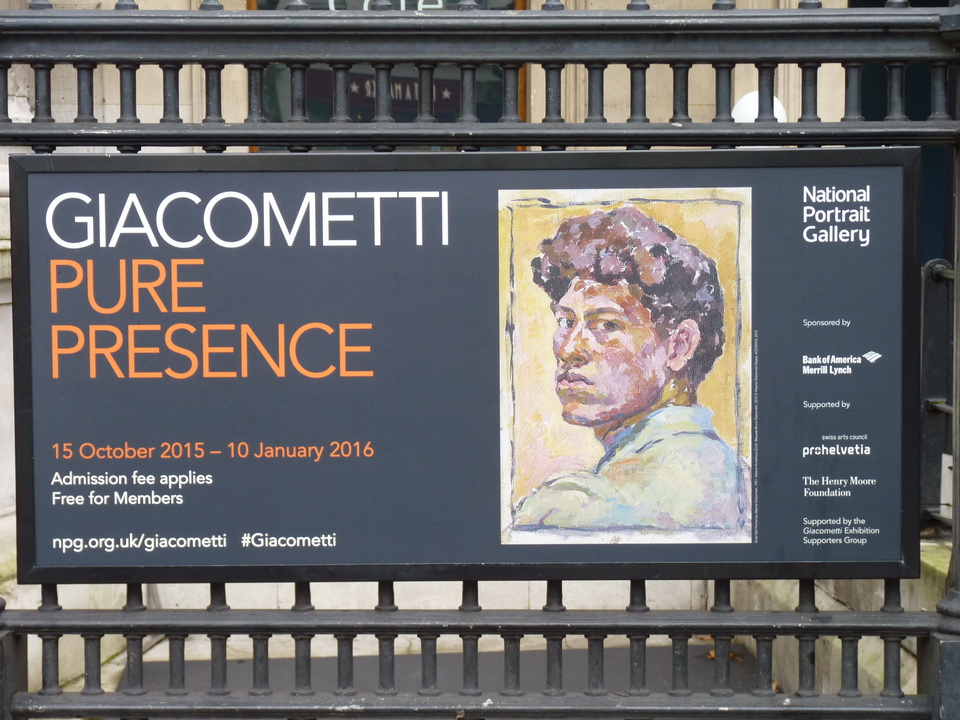
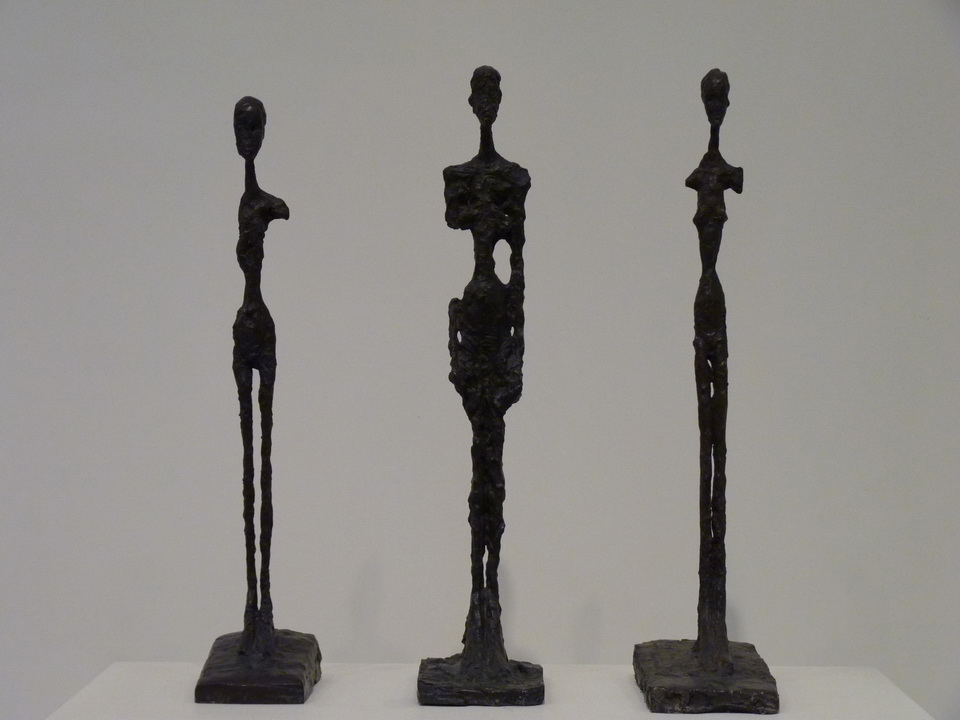
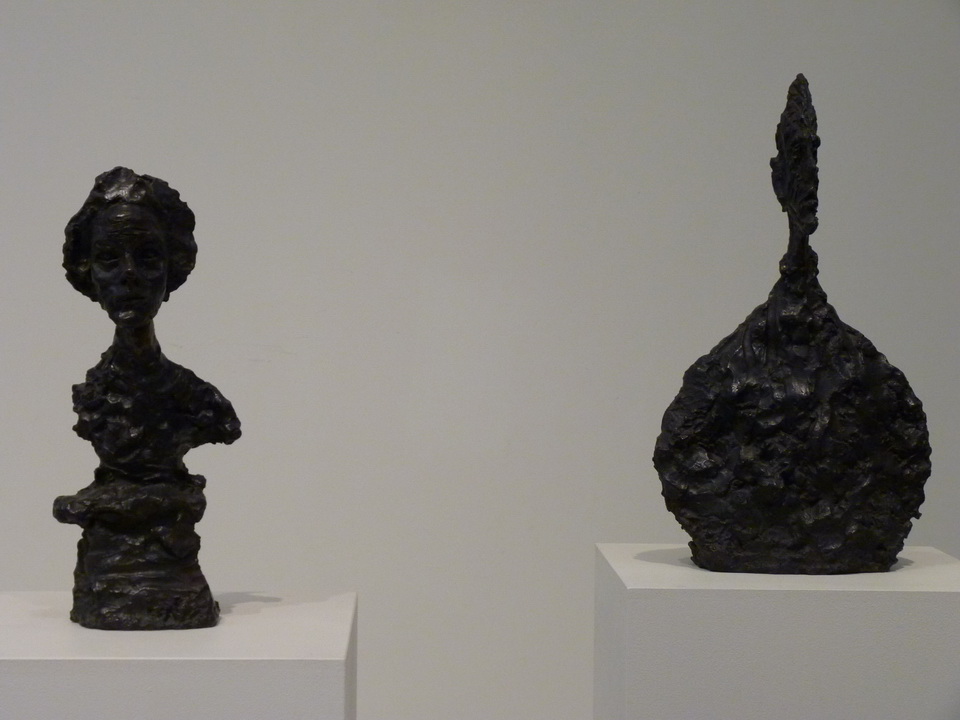
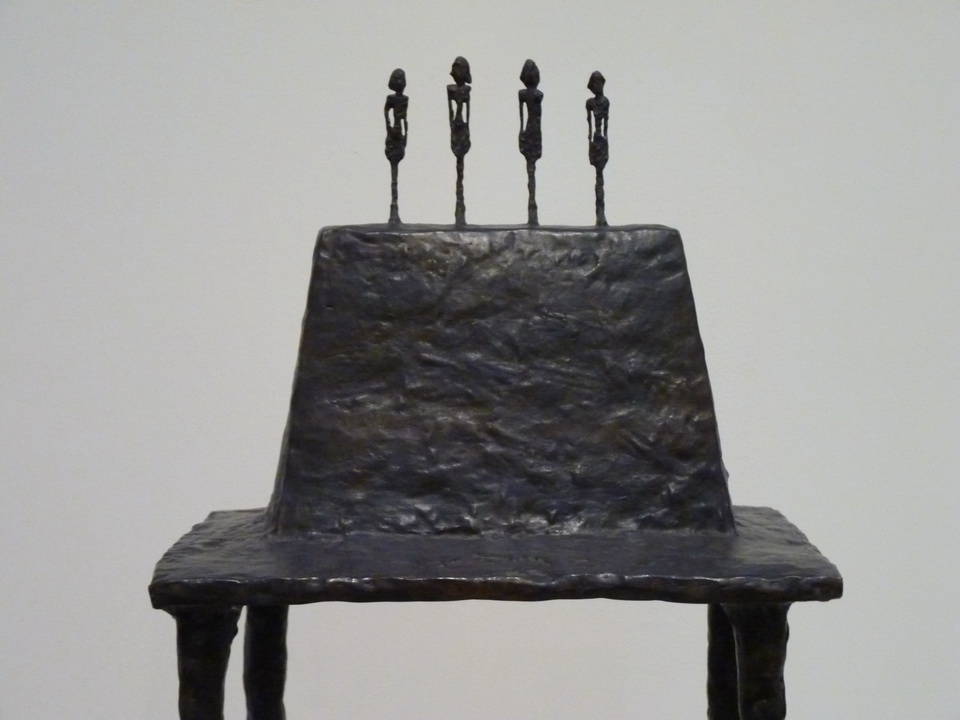
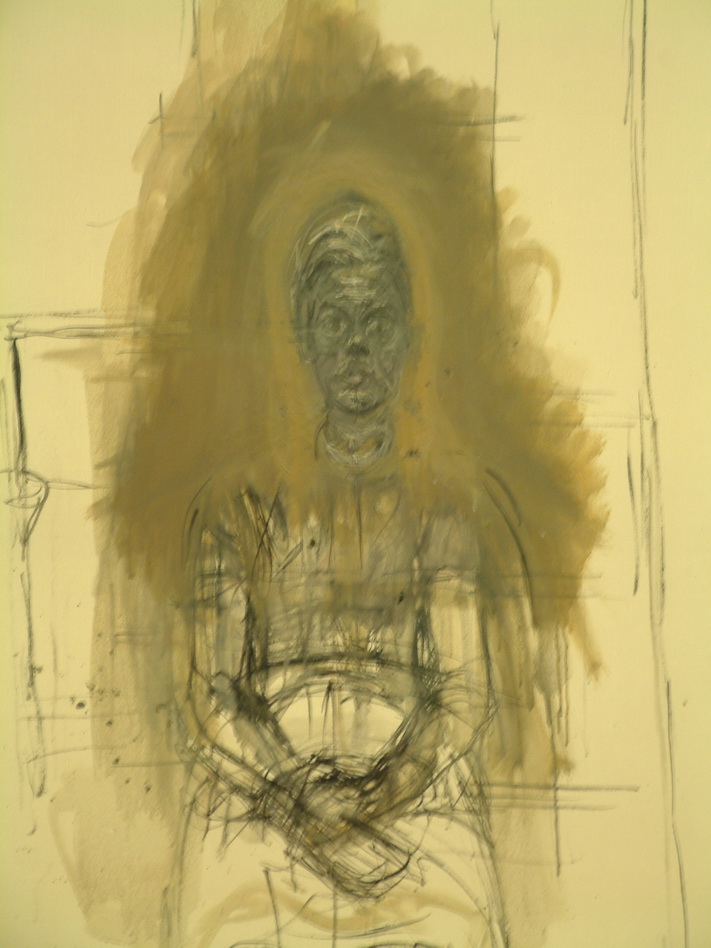
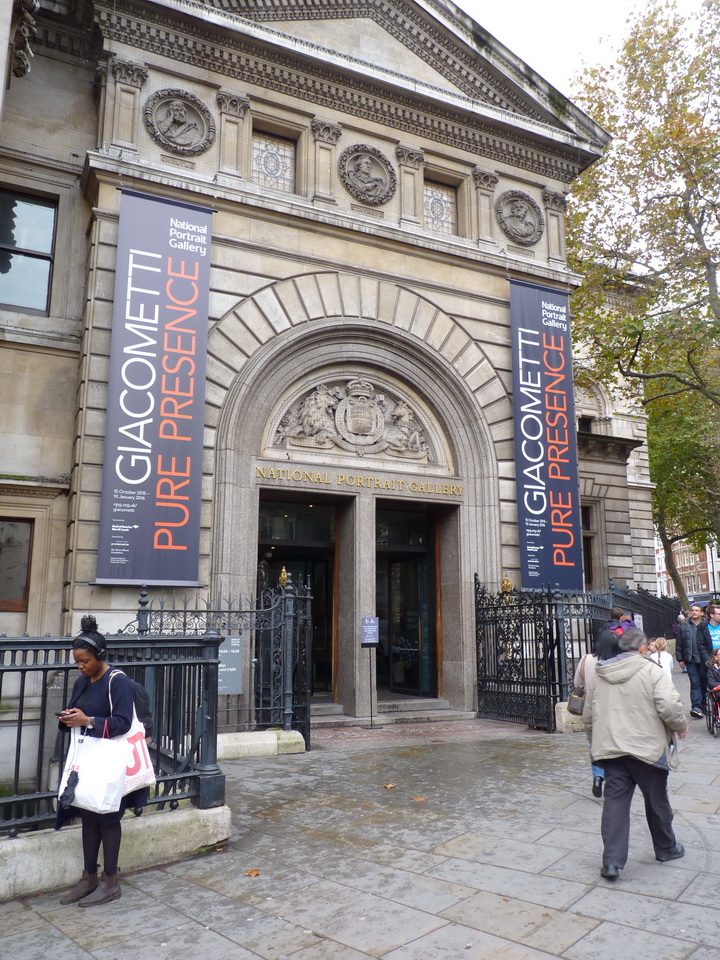
Text and photos by Chen Chi-Hsiang. At the XLVIII AICA International Congress in London, 2015, I visited the solo exhibition of Chinese artist Ai Weiwei in the morning. Afterwards, I walked south along the street through Chinatown, bought a sandwich on the roadside, and ate it while walking to another artistic sanctuary in London—the National Portrait Gallery. Trafalgar Square was bustling with excitement for the Rugby World Cup final this weekend. After finishing my sandwich on the church steps, I entered the National Portrait Gallery to visit the "Giacometti - Pure Existence Exhibition," experiencing an exhibition that explores the purest essence of life.
Giacometti was a Swiss painter and sculptor, one of the most representative artists of the post-war era. With his personalized expressive forms, he created small, slender figurines almost verging on non-existence. Under the concept that existence precedes essence, these figures face the boundless space in solitude, symbolizing the extreme alienation and degradation of modern people. His works depict the purest essence of human existence, reflecting the weakness and fragility of humanity in the twentieth century.
Giacometti wrote: "I have never seen my figurines as substantial, but rather as transparent constructions. Indeed, against the backdrop of space, the figurines are formed by lines of void and solid. And within these materials, he often retains their intimate efficiency on rough surfaces, producing a tactile shudder."