Post-Pictural Abstraction (Abstraction Post-Picturale), Also Known as Color Abstraction
Black Mountain Ad Reinhardt 1913-67 Ultimate Painting n6 1960 Centre Pompidou collection. He was a pioneer of color field painting and minimal art.
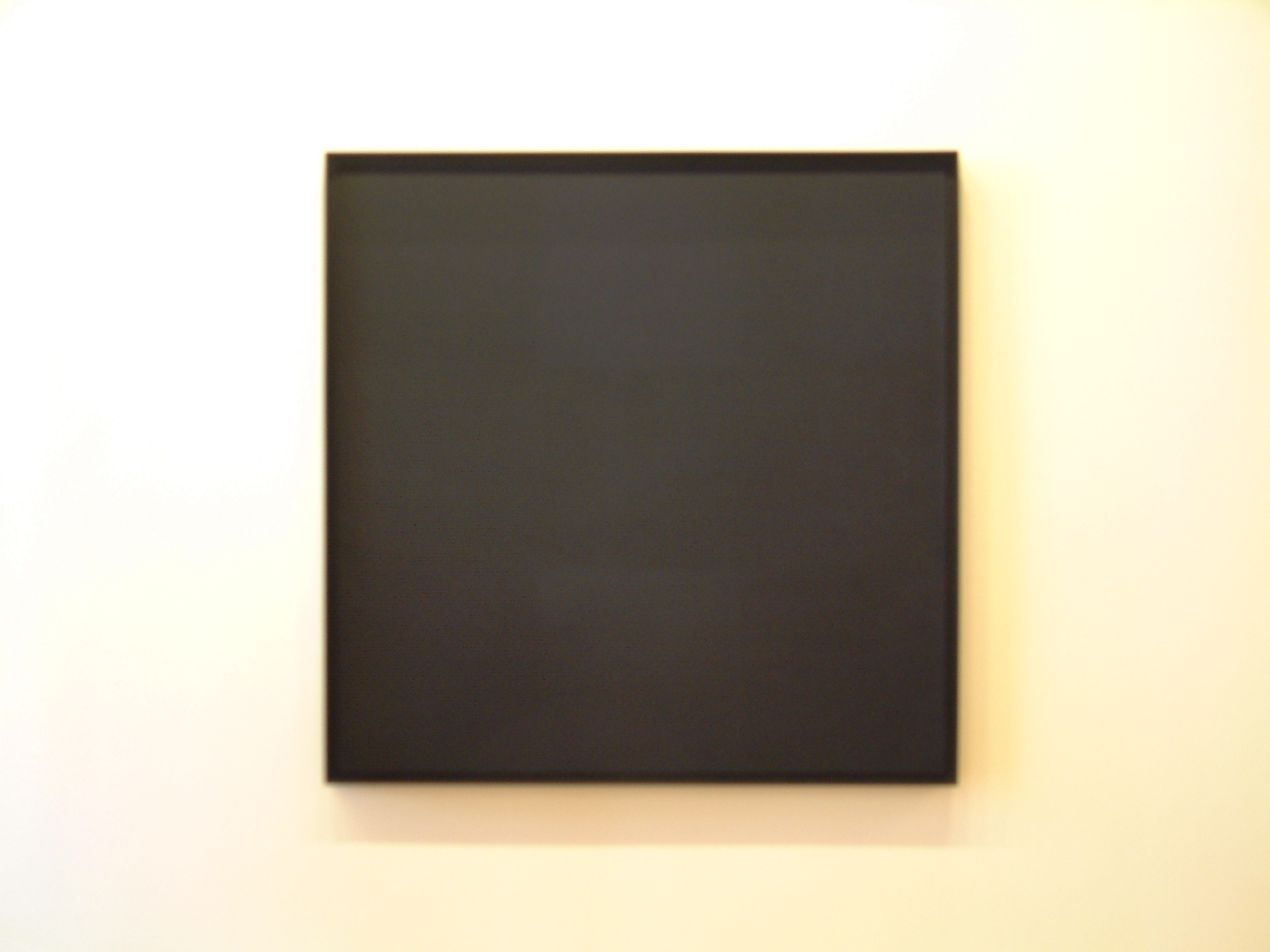
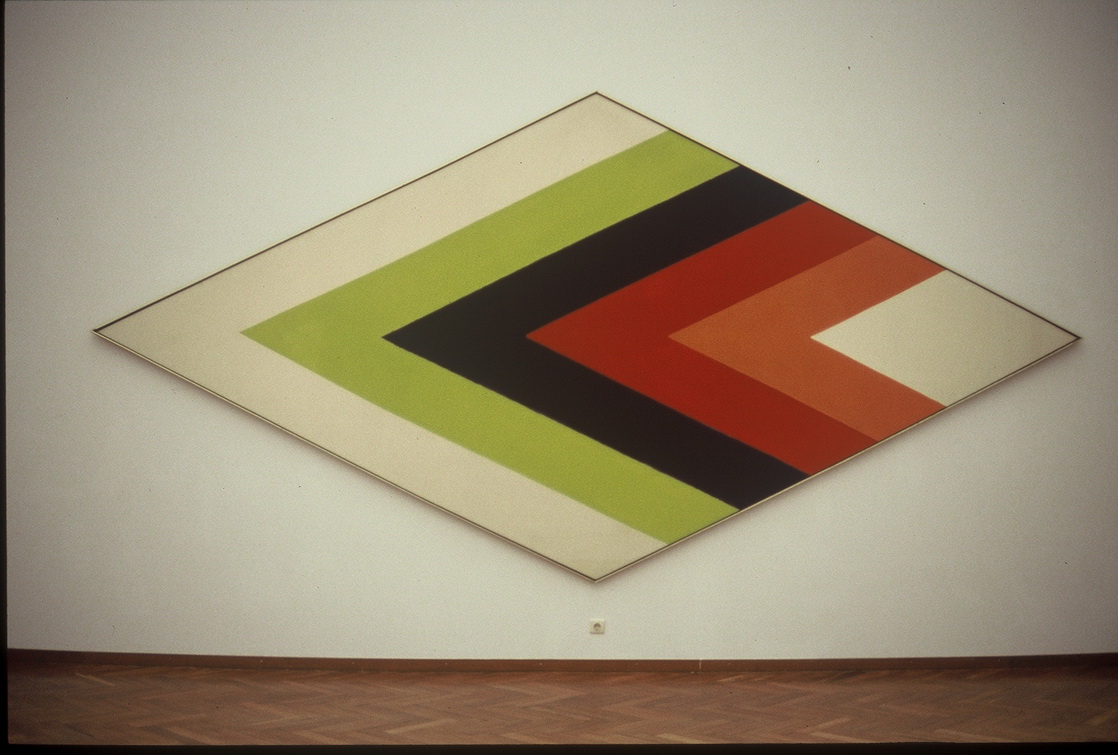
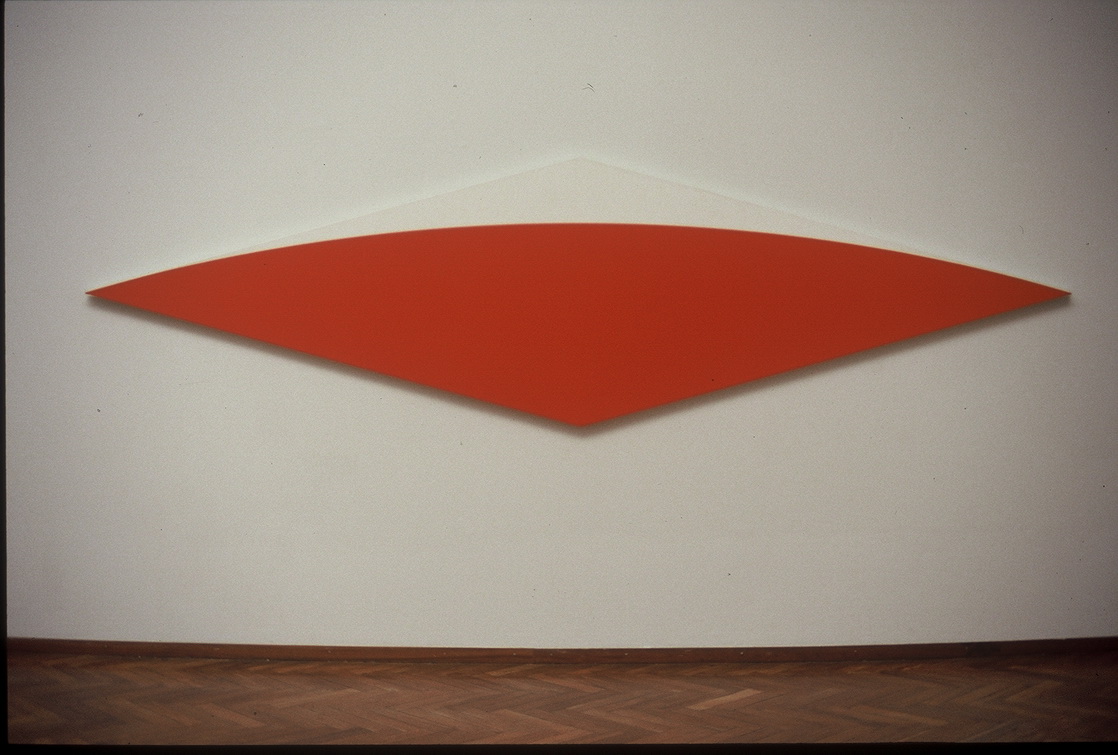
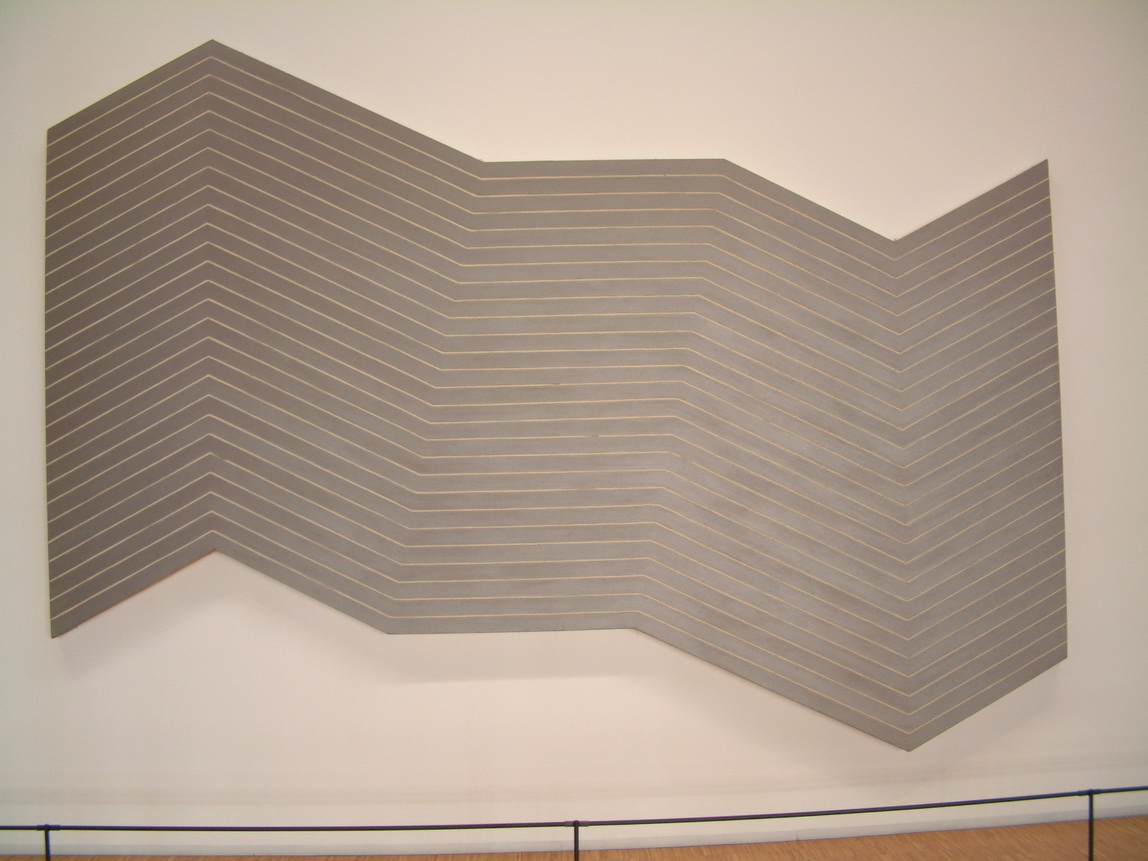
Post-pictural abstraction emerged from abstract expressionism, representing the sublimation of Western art's rational structure. It is an abstract painting movement identified by critic Clement Greenberg in 1964. These paintings are largely limited to geometric forms, presenting a singular image and creating an independent painting style. This development was furthered by artists such as Barnett Newman, Mark Rothko, and Ad Reinhardt. Pop art, conversely, arose as a reaction against abstract expressionism.
American post-pictural abstraction (Abstraction Post-Picturale), also known as color abstraction, was guided by European geometric abstraction of the 1920s and 30s. In these clear, clean-lined abstract presentations, it is referred to as Hard Edge art. Its greatest characteristic is vivid, flatly applied color, often presented in blocks of color fields rather than imagery. Representative artists include the rigorous and harmonious Joseph Albers (1888-1975); Morris Louis (1912-1962), full of optimism and lyricism; Frank Stella (1936) with his "what you see is what you see"; Kenneth Noland (1924); Ellsworth Kelly (1923); and Jules Olitski (1922).
The "hard edge" in post-pictural abstraction was coined by American critic Jules Langsner in 1958. These paintings feature clear forms, clean lines, and colors that are typically flatly applied, meaning they are presented through color fields. Representative artists include Albers and Kelly.