Giacometti (A. Giacometti) - Standing Woman
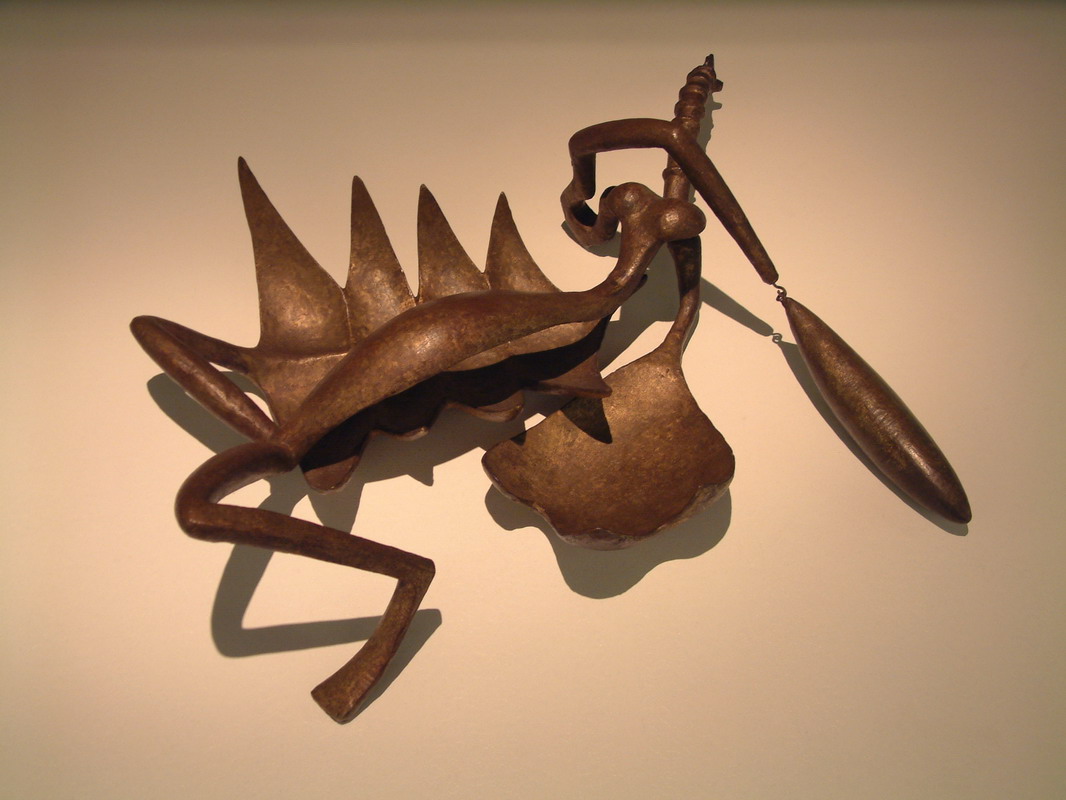
Representative work of Giacometti's Surrealist period, The Woman with Her Throat Cut, 1932-40, Collection of the Centre Pompidou, Paris.
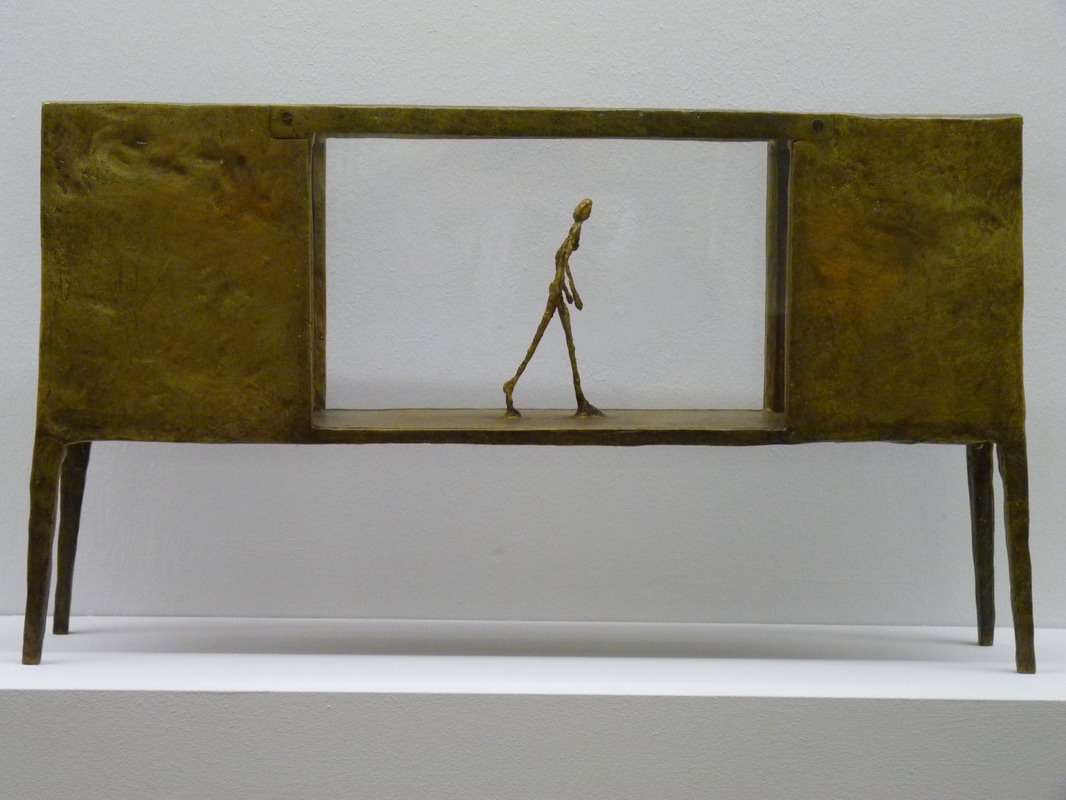
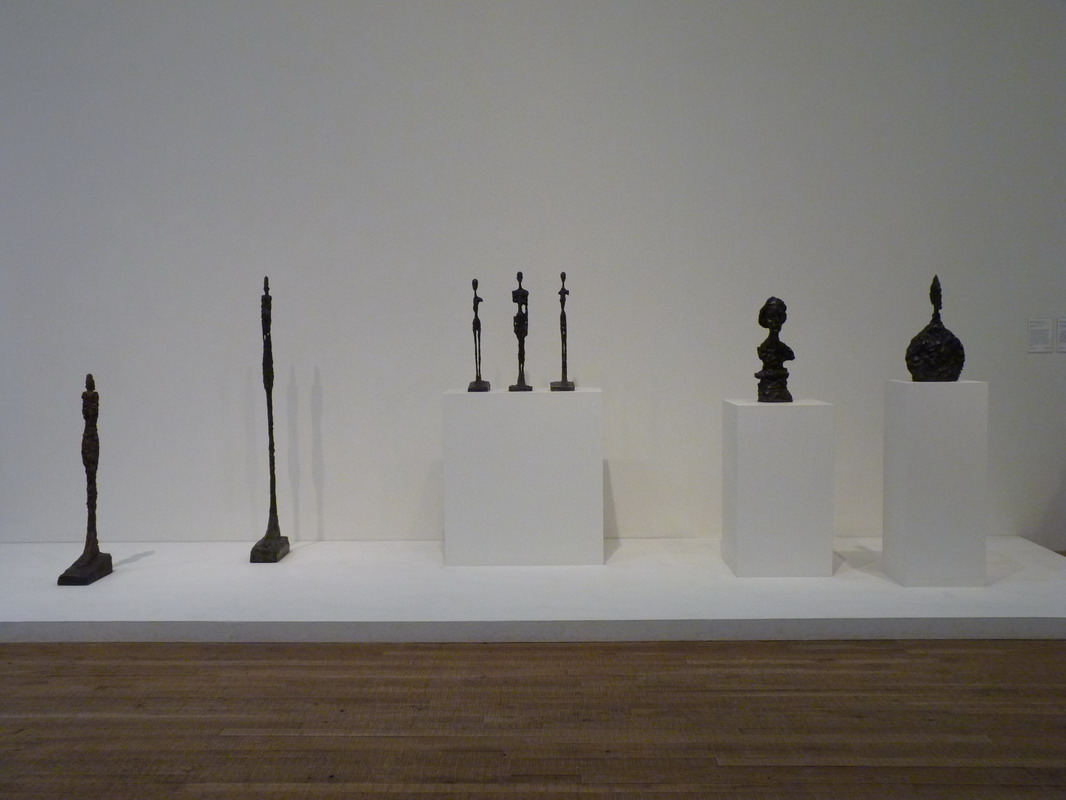
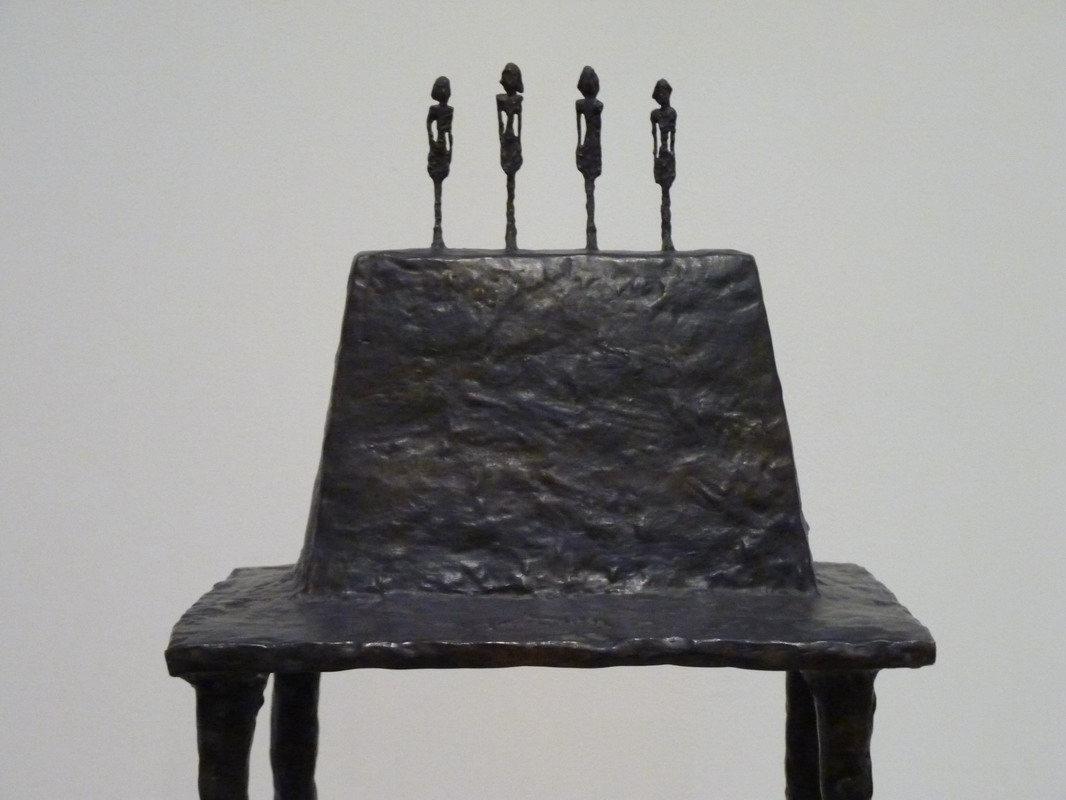
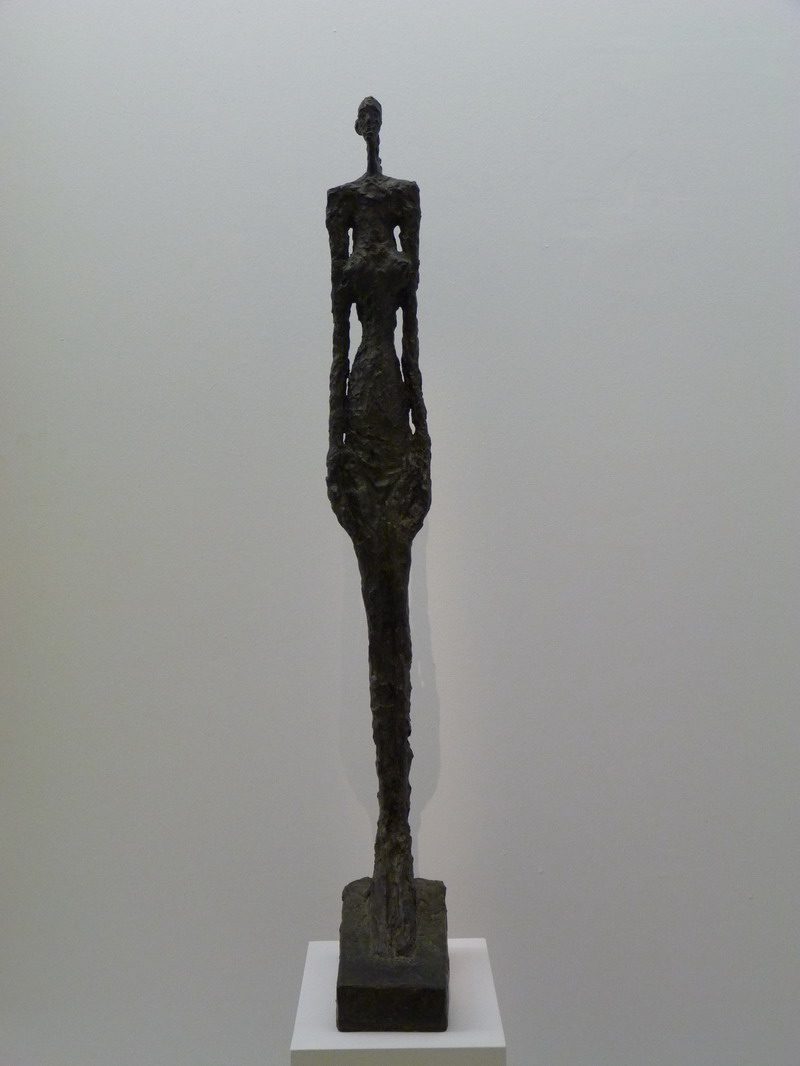
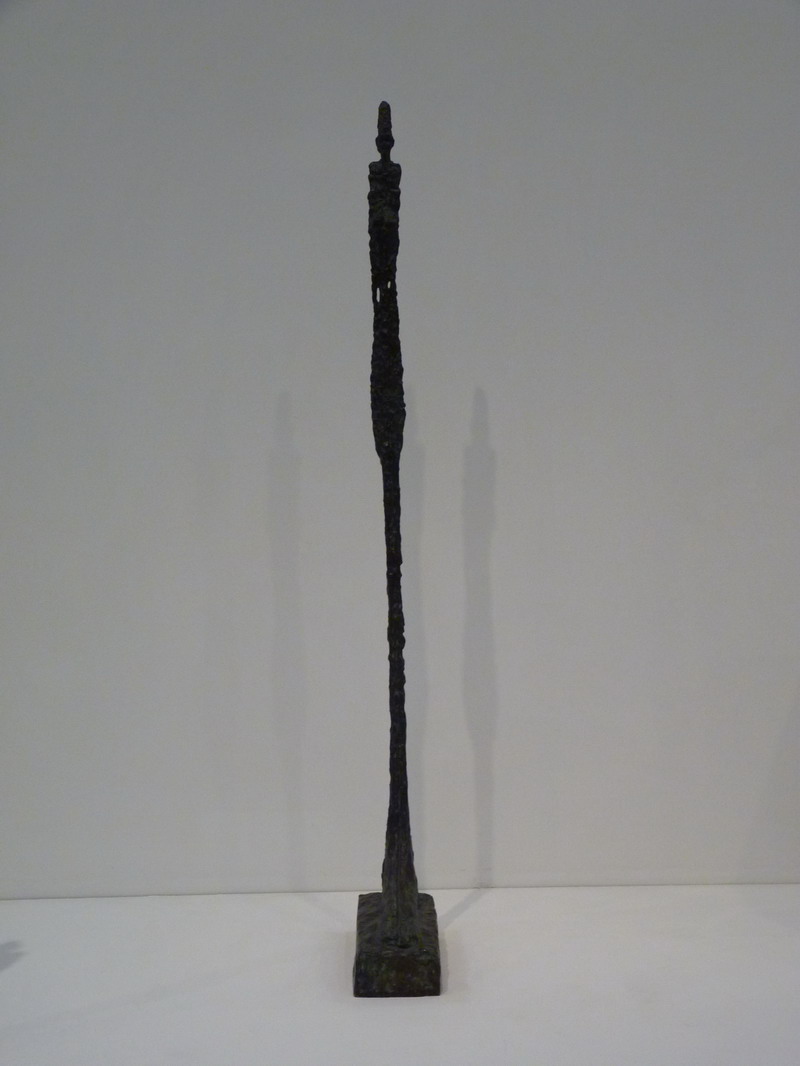
Alberto Giacometti (A. Giacometti, 1901–1966), a Swiss painter and sculptor, was early on immersed in Cubist typological expression and Surrealism. In the postwar period, he found a more personal form of expression—small, slender figures reduced to near nothingness. Under existentialist concepts, they face boundless space in solitude, serving as symbols of extreme degradation for alienated modern people. Jean-Paul Sartre said: "Giacometti grasps reality purely empirically: it has its essence of existence and, more importantly, that all at once disappears: yet existing in nothingness, any tension can be understood."
This Standing Woman (II) came after a square monument; only when the Manhattan Bank in New York commissioned him to create a monument did he begin making these giant female statues (his sculptures are either too large or too small, small enough to fit in a matchbox). Within this dull exterior, with heavy expressions and hands pressed tightly against the body like bamboo poles, the slender body lacks volume and appears quite fragile, but the static nature of the sculpture is its core. Giacometti wrote: "I have never seen my figures as solid, but rather as transparent constructions. Indeed, in relation to space, the figure is formed by lines of void and substance. And within these materials, he often retains their intimate efficiency on rough surfaces, producing a tactile shudder." Clearly, Giacometti’s works reflect the weakness and fragility of twentieth-century humanity.