AICA Visit to Ai Weiwei Solo Exhibition in London -7
tree 2009-10 2015 tree sections steel
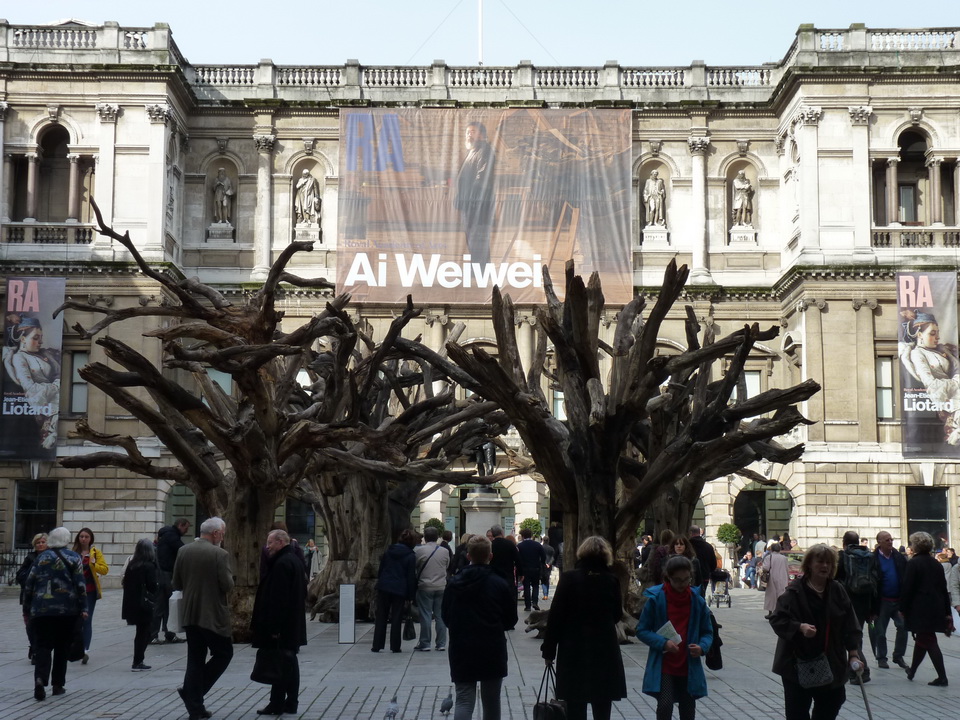
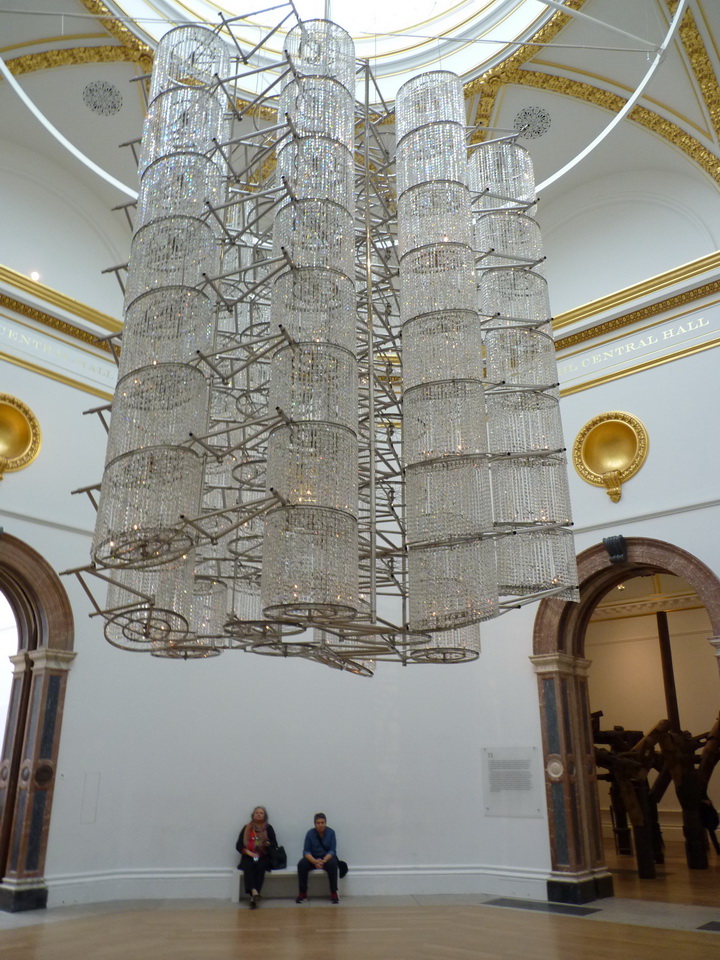
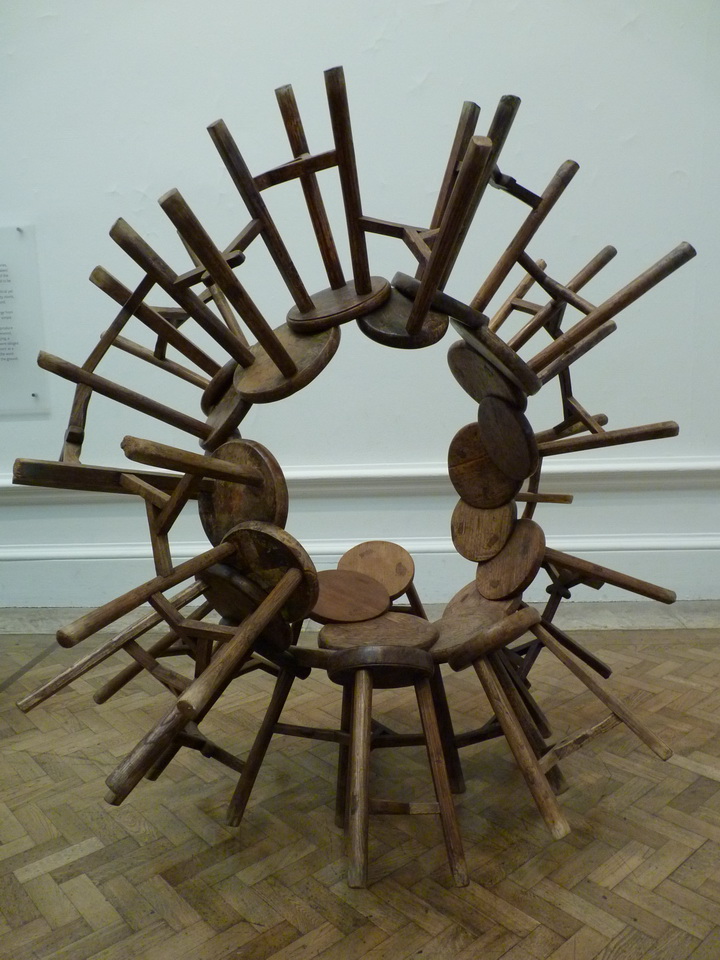
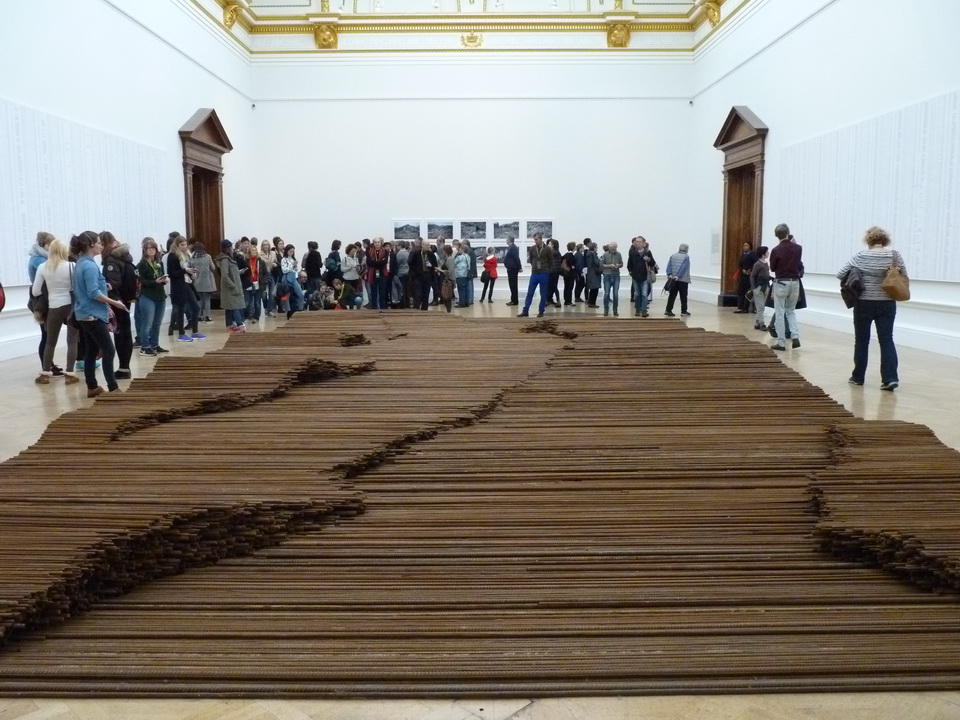
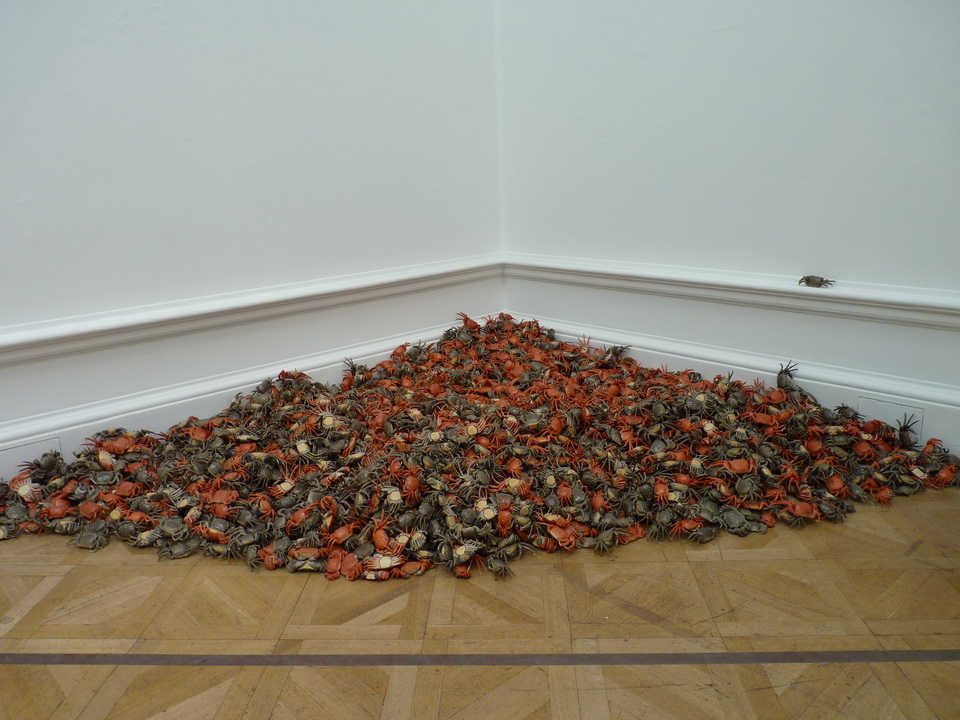
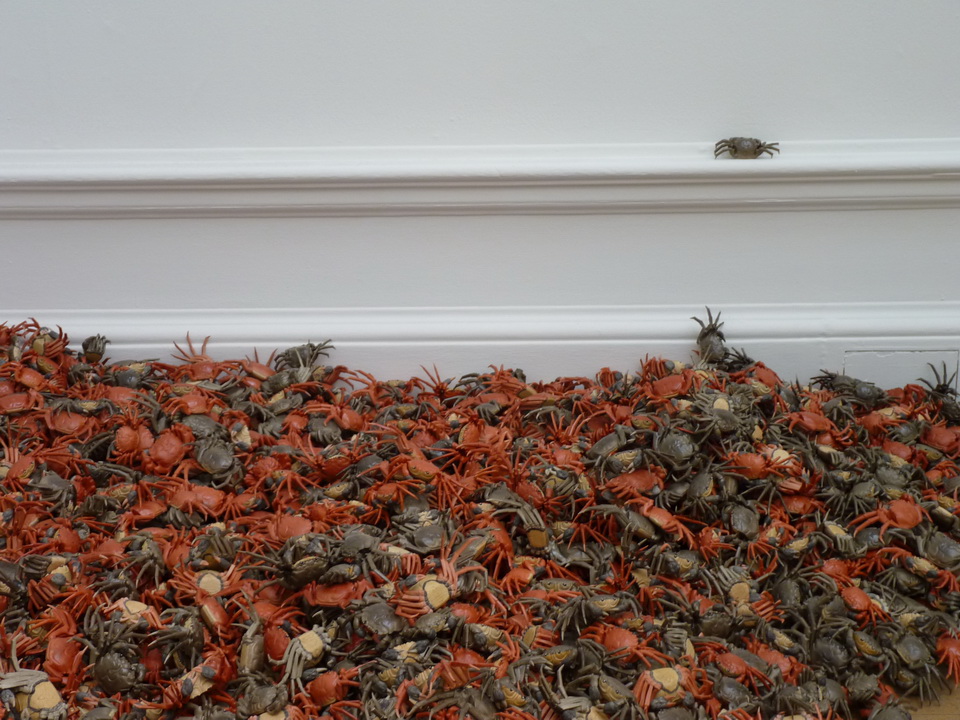
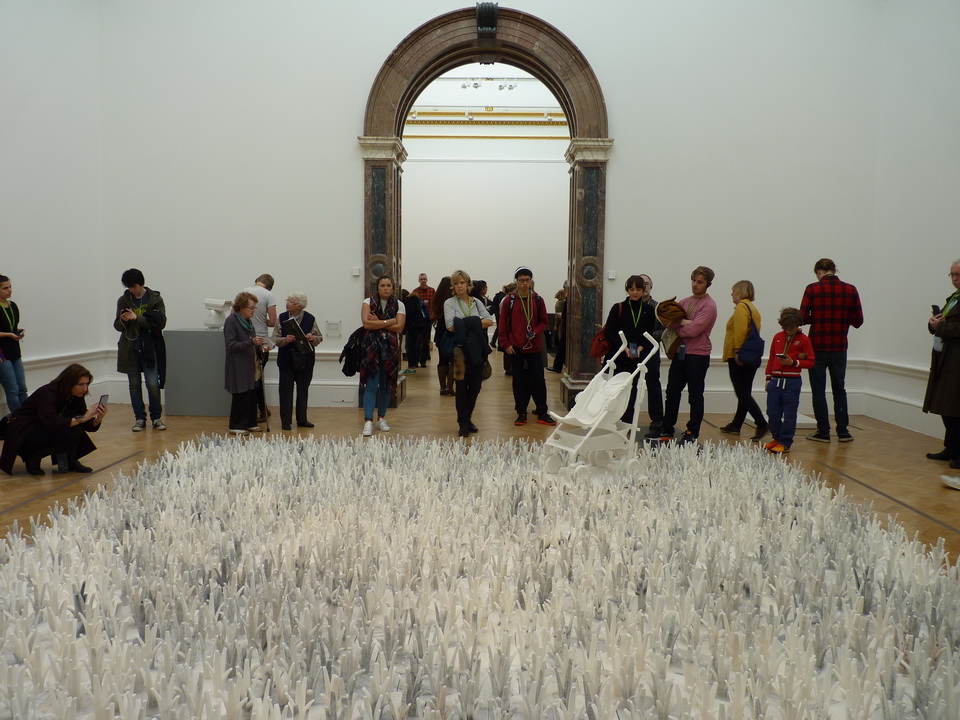
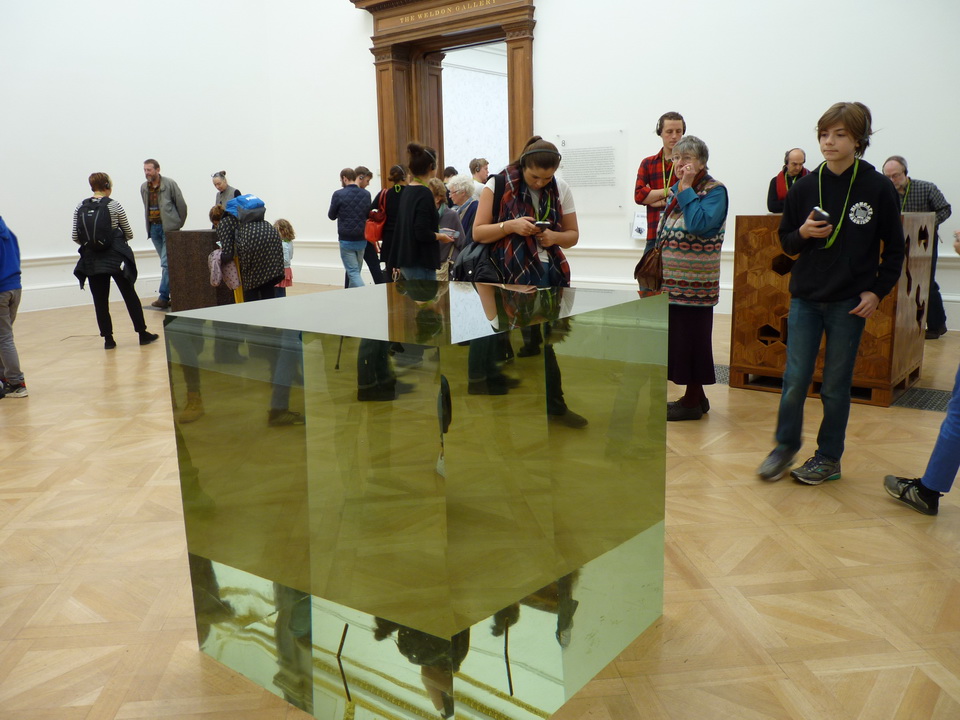
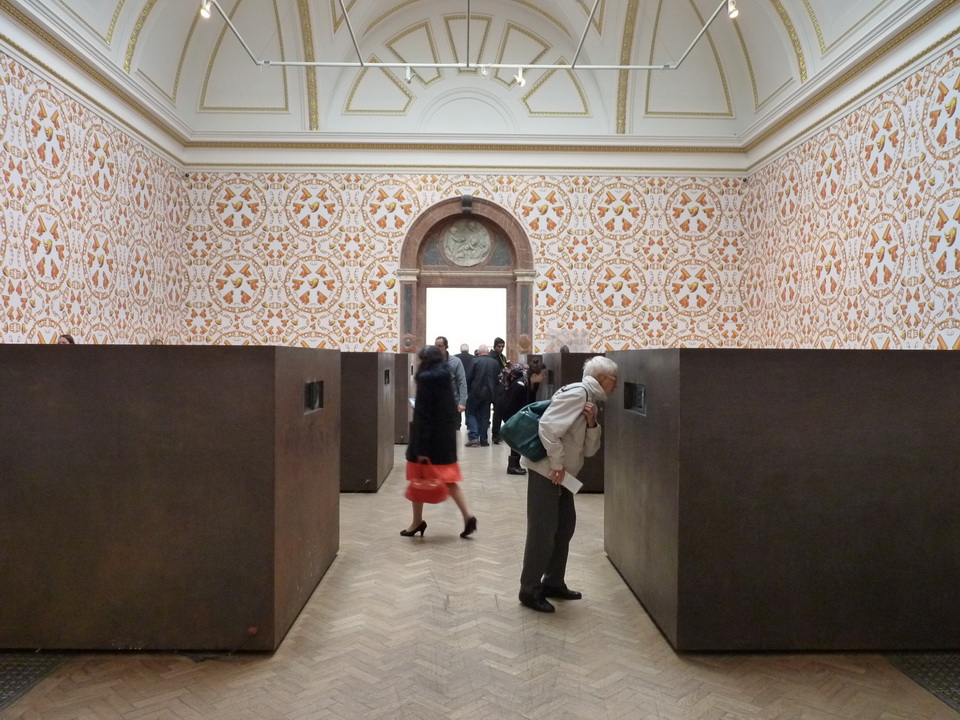
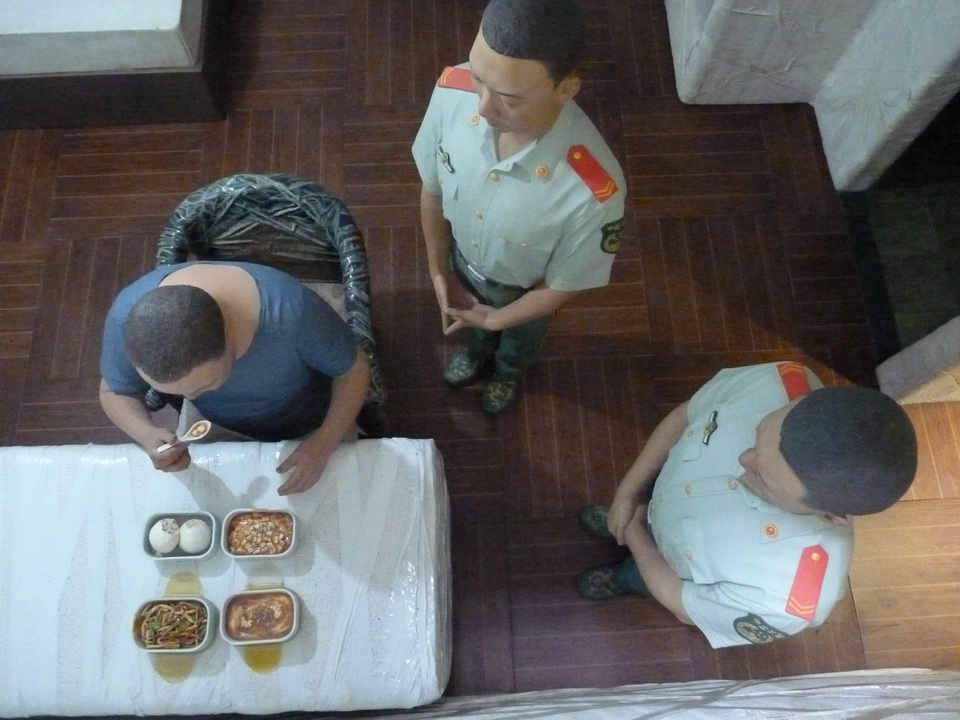
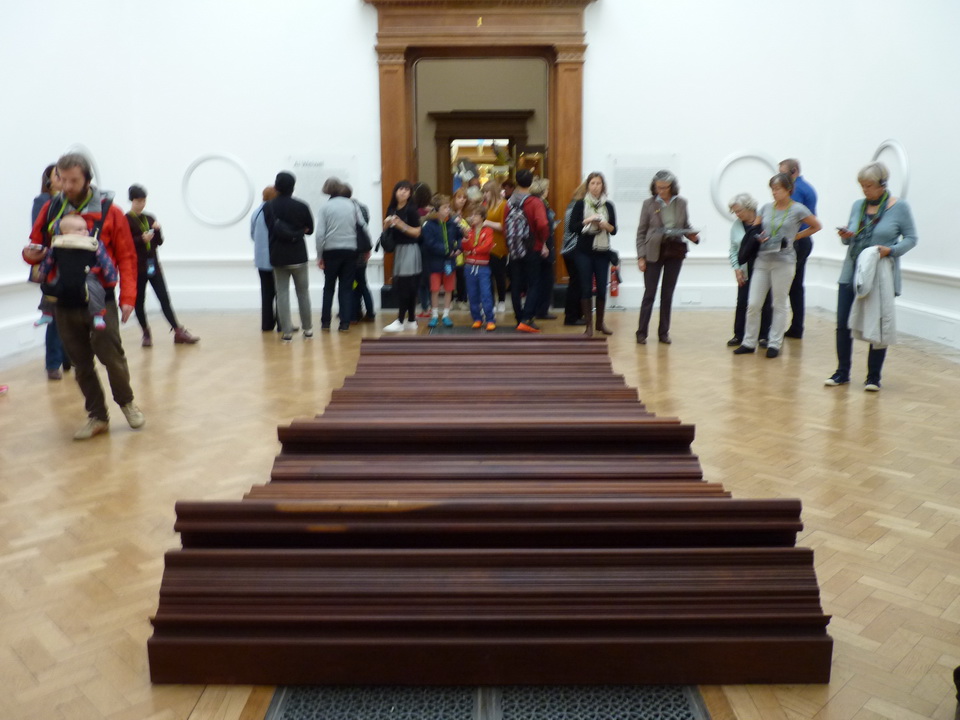
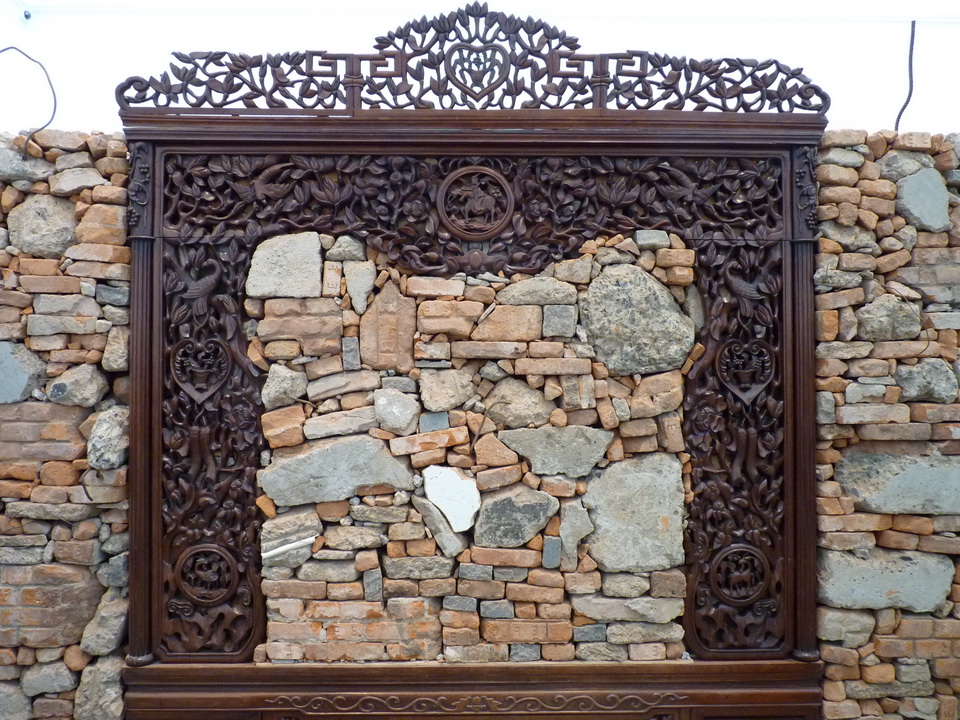
Text and photos by Chen Chi-Hsiang. At the conclusion of the AICA International Congress in London on the 29th, 2015, the secretariat proposed visiting the currently hottest "Ai Weiwei Solo Exhibition" at the Royal Academy of Arts the next morning (the 30th). Members interested could register in advance (this was one of my planned itineraries in London). Eagerly signing up, I marked the perfect end to the entire AICA itinerary. On the 30th, burdened with heavy luggage, I arrived at the Royal Academy of Arts near 9:30 AM. The venue had not yet opened, but a queue for viewing had already formed. AICA members did not need to queue or buy tickets; showing the congress badge allowed priority entry. The spacious exhibition hall contained only these familiar international art critics and members. After exchanging "good mornings" with them, I began the tour.
Ai Weiwei’s creations stem from a critical reflection on Chinese culture and an exposure of autocratic political phenomena. His works are filled with cultural symbols, manifesting a collective consciousness—a rare phenomenon in contemporary art. They dramatically narrate the stories of Chinese people and individual artists, as well as social conflicts and anecdotes, brimming with literary and narrative qualities. Indeed, after postmodernism, almost all Chinese contemporary art seems to drink Coca-Cola and eat hamburgers; no matter how dramatic, they lack warmth, romantic love, sensuality, and poetry.
Ai Weiwei is both an artist and a Chinese dissident. He frequently performs anti-communist sentiments with righteous rhetoric and attitude (like performance art). One wonders who he is performing for: for transitional justice or for profit? During the period when he disappeared at the airport, he became one of the most influential artists in the world. What exactly did he influence? Who did he influence? Under authoritarian dictatorship, art is overestimated. Recently, having obtained a passport, he bit his own tongue upon going abroad, even swallowing his own language. Not only did he make indiscreet remarks, but he also ostentatiously adorned official lies.
In a distorted society, everything becomes deformed; does art also involuntarily distort itself? Art is a symbol of freedom. In places of dictatorship, can artists freely express themselves? Caught between autocracy and neoliberal capitalism, under market dominance, has Chinese art become even more deformed?