Alighiero Boetti Retrospective
London New-Tate Modern Museum exhibition poster
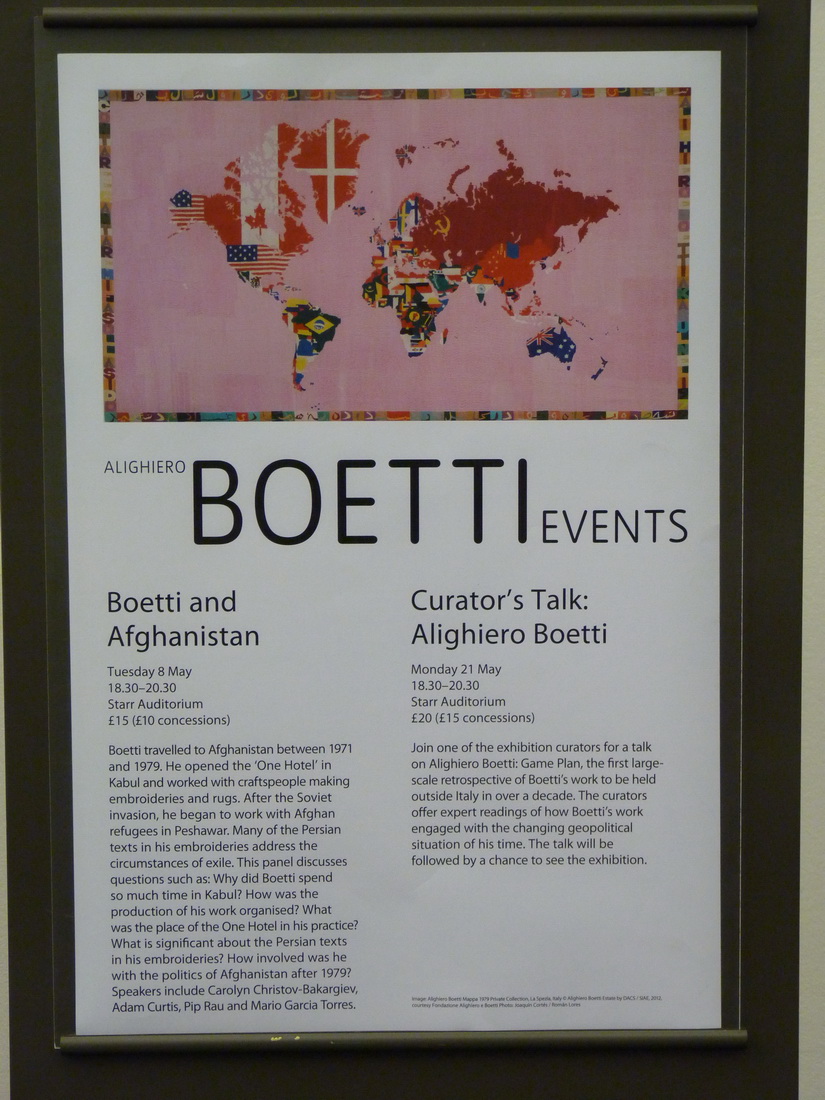
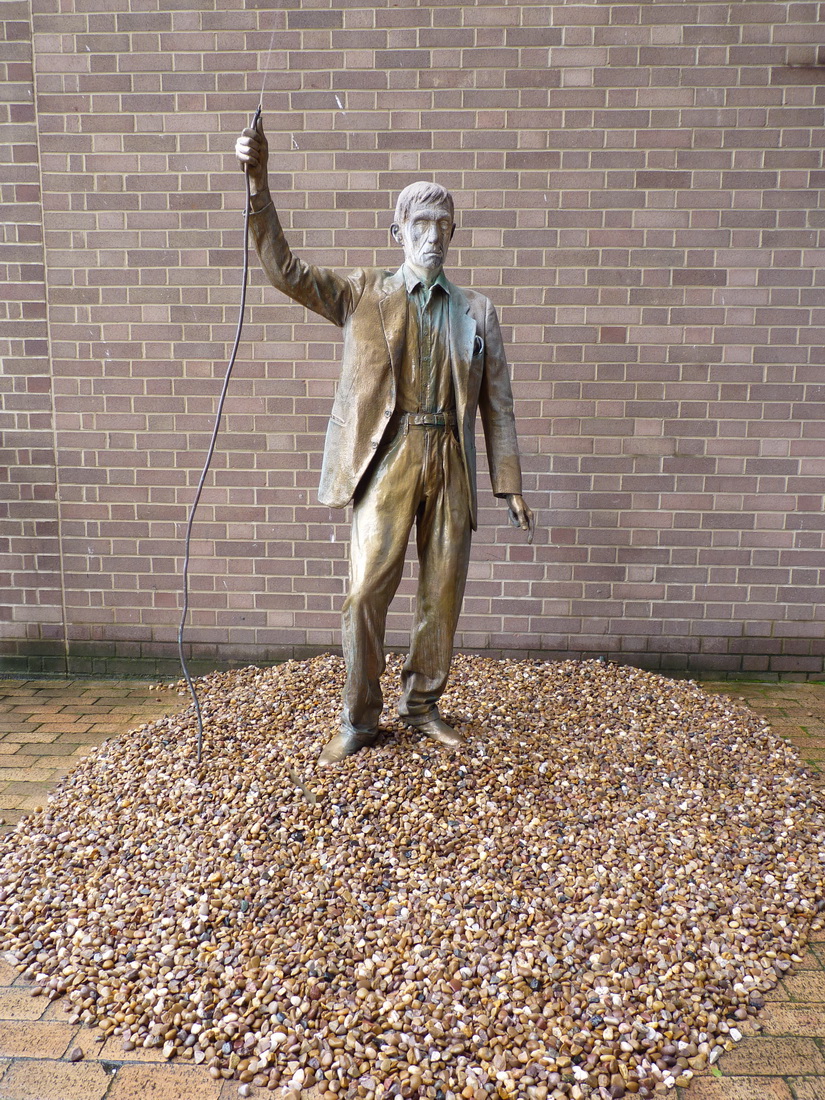
By Chen Chi-Hsiang. Exhibition venue: Tate Modern, London. Dates: February 28 to May 27. Images and text by Chen Chi-Hsiang.
Alighiero Boetti (1940–1990) was one of the most representative artists of Arte Povera. He was the most diverse and unique creator in this movement, a self-taught artist like Mario Merz. In his diverse forms of creation, he not only analyzed realized objects but also engaged equally in continuous intellectual thinking. From early tendencies toward Minimalism to conceptual art, from 1966 he constructed rigorous formal structures. Within the creative protocols of American Minimalism, through prototypes of single industrial materials (plastic pipes, iron pipes, mirrors, etc.), he developed various structural possibilities. For example, Chair stacked two chairs vertically; the Water Pipes series formed circles; Mirrors built triangular prism shapes; and A Large Roll of Cardboard formed a spiral, emphasizing matter and structure, time and space.
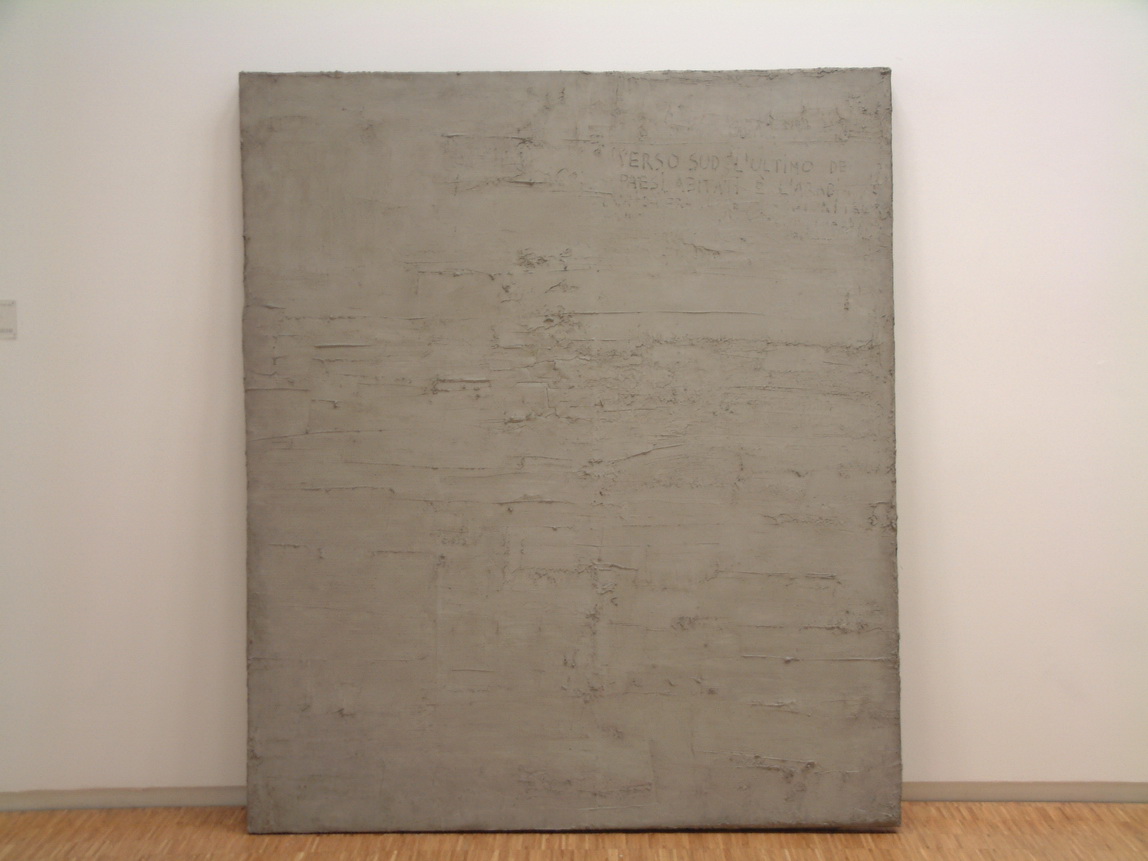
In 1967, the work Pile resembled that of American Minimalist Carl Andre, constructed symmetrically from hollow square steel tubes pushed together like building blocks. Boetti affirmed the process of accumulation, prioritizing it over visual perception. Boetti quickly entered the realm of conceptual forms, such as the 1967 works (Ross Guzzi) 001305 and (Rosso Gilera) 001232, where names and numbers were written on two large red wooden boards. The 1968 Untitled used gray cement to construct rough pictorial-objects placed on the ground against a wall, with emotional writing saying "Approaching the last home in the South lives Arabia," all within the narrative concept of text.
He further adopted "poor" materials, such as the 1967 Clay Blocks and the 1968 Columns work, which consisted of paper tableware piled into cylinders and cubes of various sizes, arranged with pebbles below to construct an environmental art space. In an interview in the 1980s, Boetti recalled: "We promised too much to matter, and as a result, they became almost more important than anything else. It became something like a druggist's goods. Why did I leave my studio in Torrimino in 1969? Because the studio had become a permanent warehouse, filled with cement, stones, and others. I left all these behind and started from zero; a pencil and a piece of paper were enough."
In 1969, I Sunbathe in Turin was simply made of hand-molded cement pellets arranged on the ground in human form, under autobiographical conceptual and humorous themes. The subsequent Herodote work referenced the fascinating frescoes of Pompeii, presenting a temporal allegory. Or in the same year, at Documenta 5, the work 24 Hours narrated the actions of a day. In 1970, exploring the general "duality" of dual issues, such as Today is Friday, March 27, 1970, reminiscent of On Kawara's date paintings, under tautological and phenomenological conceptual forms. Boetti simultaneously wrote "Today is Friday, March 27, 1970" from the center of the wall with both hands; the left hand wrote south and the right hand north. In the reflected image of mirror writing, the left hand produced crooked, clumsy text, contrasting with the neat skillfulness of the right hand, continuing until the arms were fully extended, like a record of a mental state or attitude becoming an artistic form.
In the same year, the dramatic work Musical Structure continued the exploration of duality, forming symmetrical "bizarre instruments" like conjoined twins. This exploration of duality came from his 1968 photographic work Twins. In 1970, Boetti created the Mail Art series, mailing letters and packages, changing postal delivery, or sending back undeliverable items until the entire cover was stamped with postmarks. Created under anonymous protocols, this aspect paralleled the mail art of American conceptual artists On Kawara or Douglas Huebler. Boetti agreed that the development process of the work favored collaborative types, leading to compositional processes such as the 1970–1973 work The World's Longest One Thousand Rivers. Through cooperation with geological research institutes and statistical classification, it was presented in book form on a thousand pages, displayed purely in intellectual conceptual form.
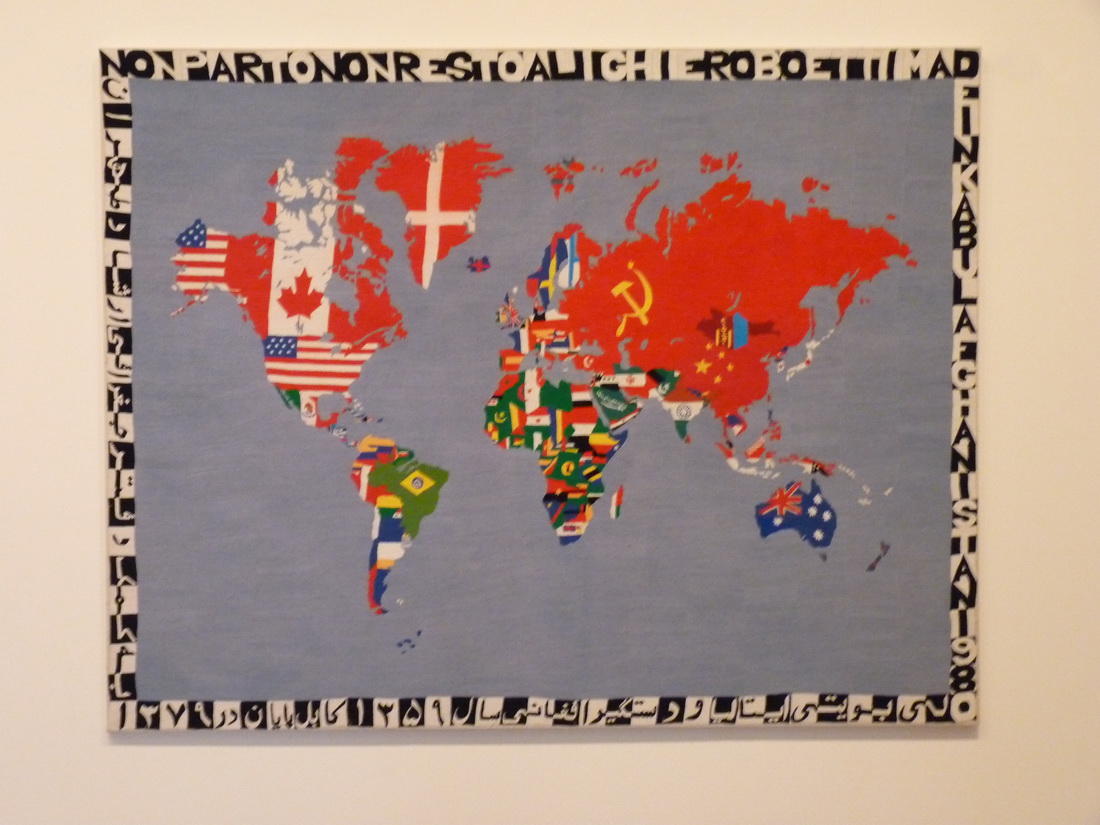
In 1971, during a trip to Afghanistan, Boetti discovered traditional Afghan weaving crafts and commissioned Afghan women to weave a series of pictorial works. In the mid-1970s, Boetti traveled widely to southern Afghanistan, Pakistan, or Guatemala. By utilizing regional traditional crafts, he completed local embroidery pattern series, the Map works. Subsequently, a hundred small embroidered pictures, the Order and Disorder series, featured painted small squares inscribed with Latin letters, poetic and full of imaginative space. Boetti's works are based on the relationship between art and folk traditional crafts (isn't this one of the three creative methods emphasized by conceptual artists: having others complete the work?). In 1972, Boetti deconstructed his name, ordering the letters in ABEEGHIIILOORTT. Deconstructing the logical order of convention, pushing this logic further would mean losing identity.
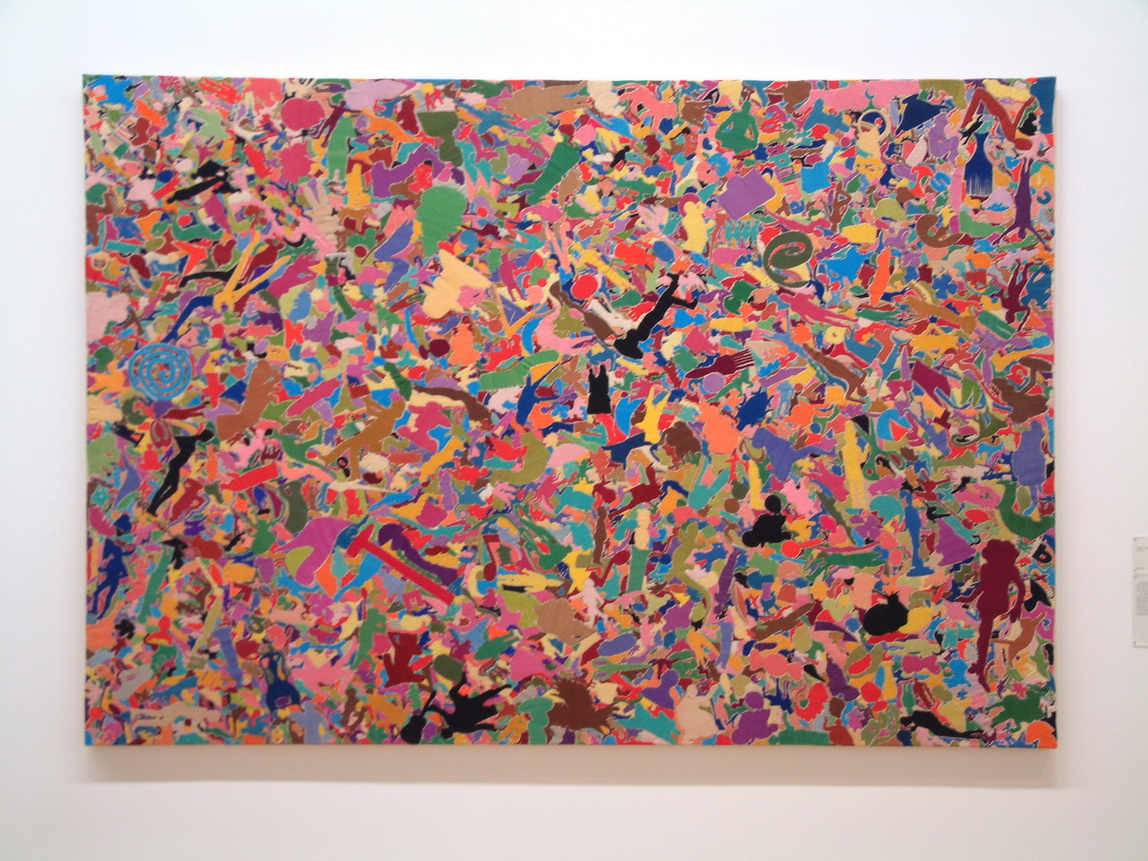
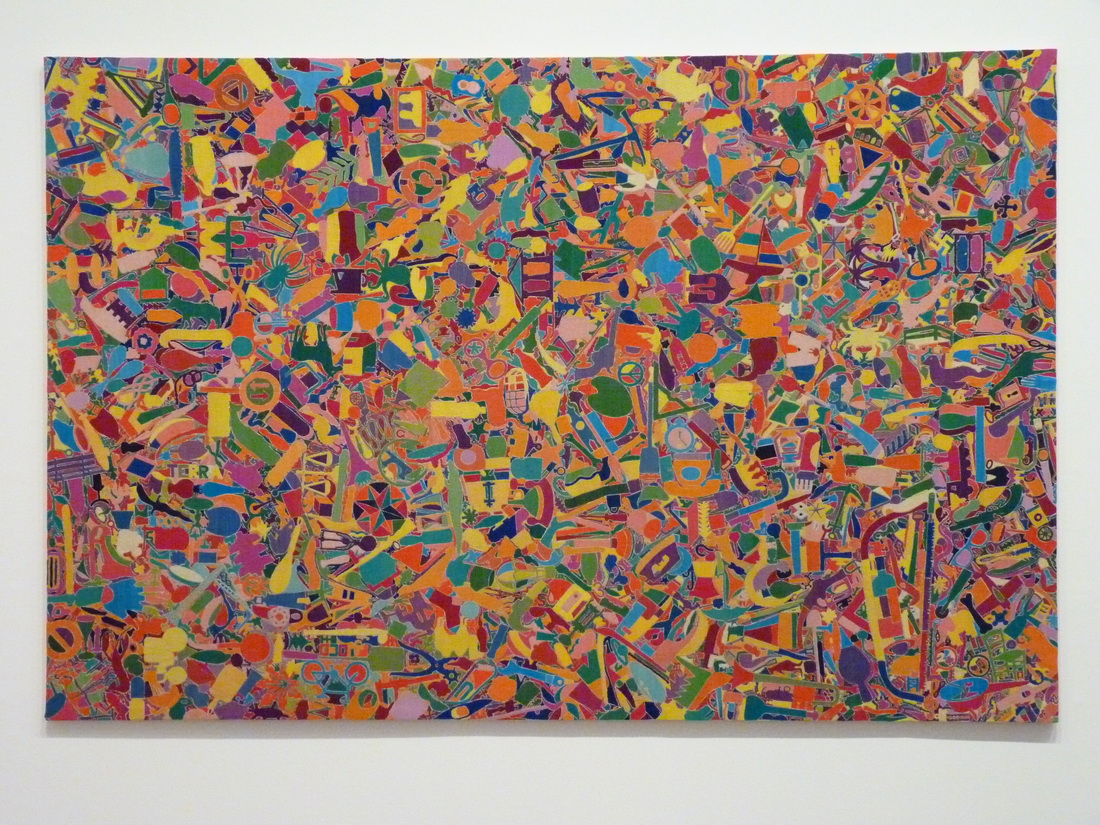
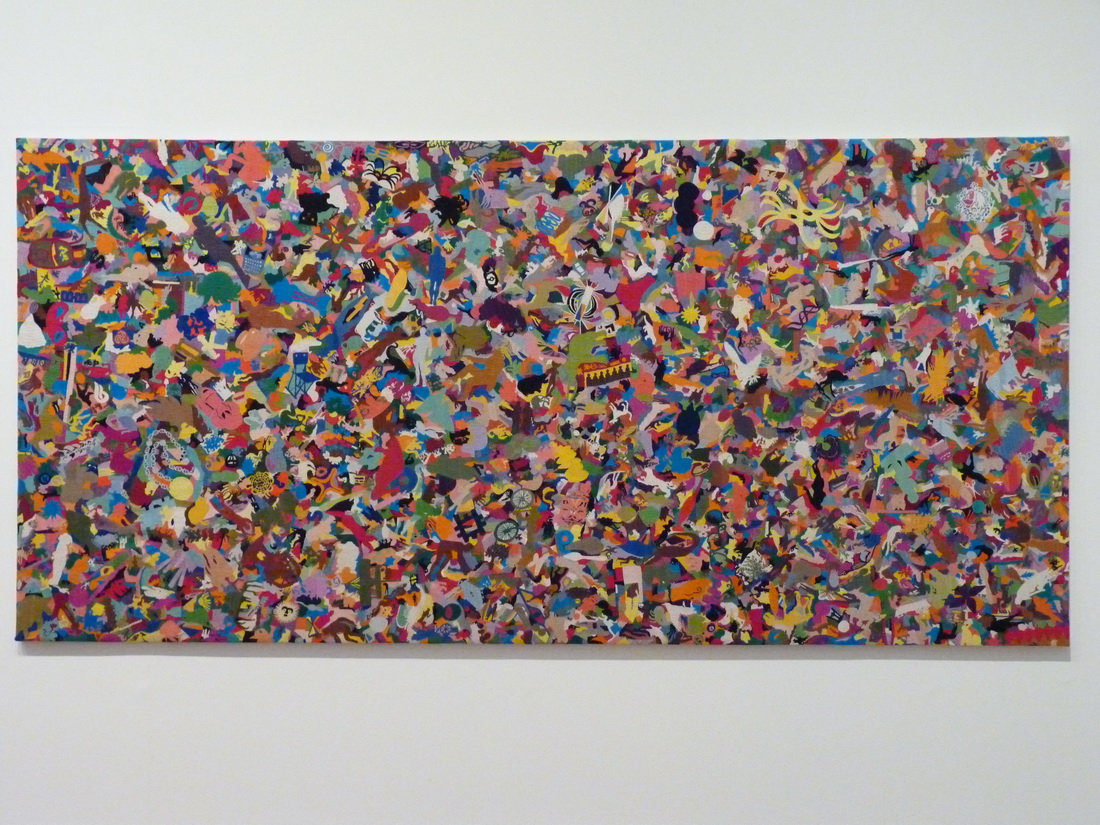
In 1973, the work The World in the World featured lush green surfaces inscribed with English letters, with white dots scattered like starlight on the emerald canvas. Or the work Look, Taste, Touch, Listen, Feel, Think, on a mesmerizing deep blue large woven tapestry painting, with 26 Latin letters written on the left side, and white dots scattered like starlight on the deep blue surface, poetic and full of imaginative space. The 1974 All (Tutto) series, the 1984 All and Western Alphabet Pattern series, etc., all displayed the world's diverse images under vivid color imagery, colorful like Eastern carpet paintings. The artist effectively questioned traditional concepts of authorship, protocols, and style, and conceived a mediation between modern and tradition, emphasizing relationships through a global perspective.