Amos Gitai: "Traces - A Lullaby for My Father"
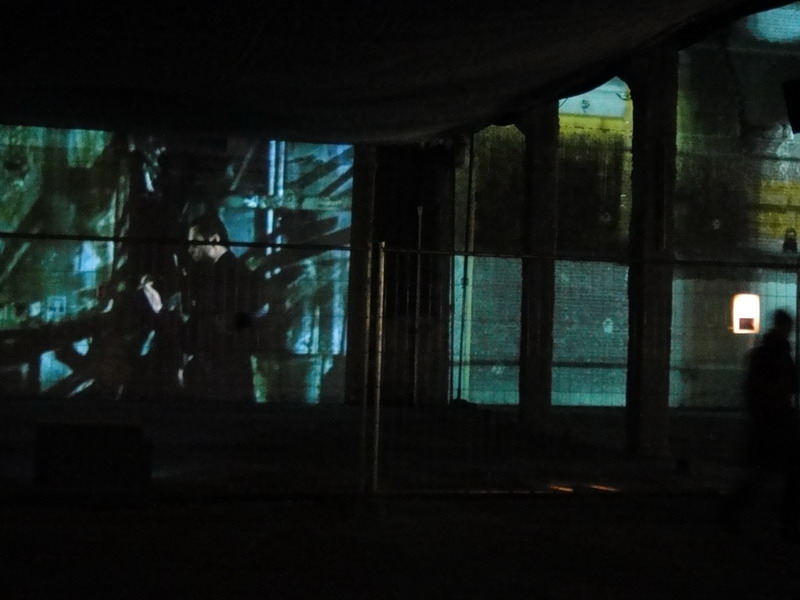
An atmospheric scene from the exhibition "Traces - A Lullaby for My Father"
Text and photos by Chen Chi-Hsiang. The Palais de Tokyo's Centre for Contemporary Art in Paris, open since 2002, has become a pivotal stage for contemporary art institutions with significant influence, deeply shaping France’s current artistic landscape and serving as a vanguard forum for another major European contemporary art movement. Following the "Dynasty" exhibition of young French contemporary artists in early September 2010, the Palais underwent comprehensive renovation. This grand building, constructed in the 1930s under the rare Nazi German administration in Paris, is steeped in historical memory. Though adjacent to the Paris Municipal Museum of Modern Art, it had long been neglected and abandoned until partial opening (upper floors) in 2002. The structure had never been fully restored since World War II, particularly its basement and second floor. During the war, the basement served as a hidden storage room for fine arts confiscated from Jews by the Nazis.
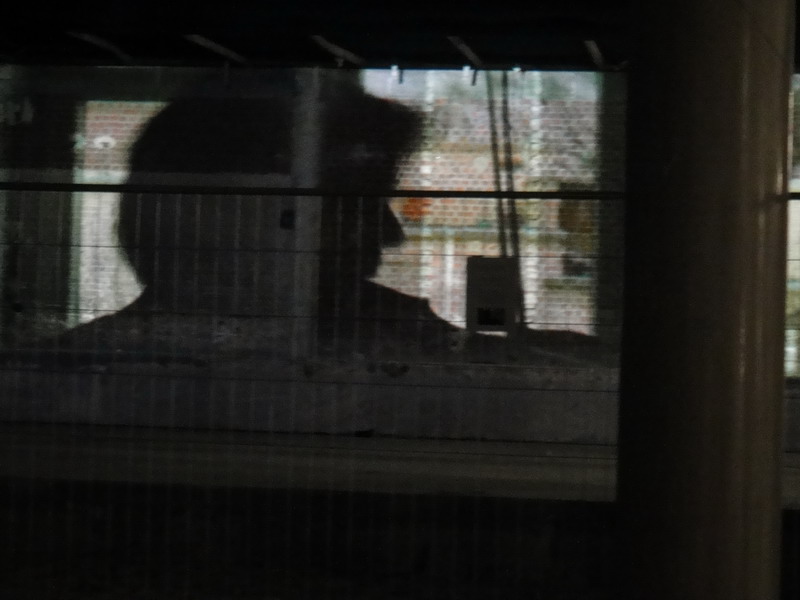
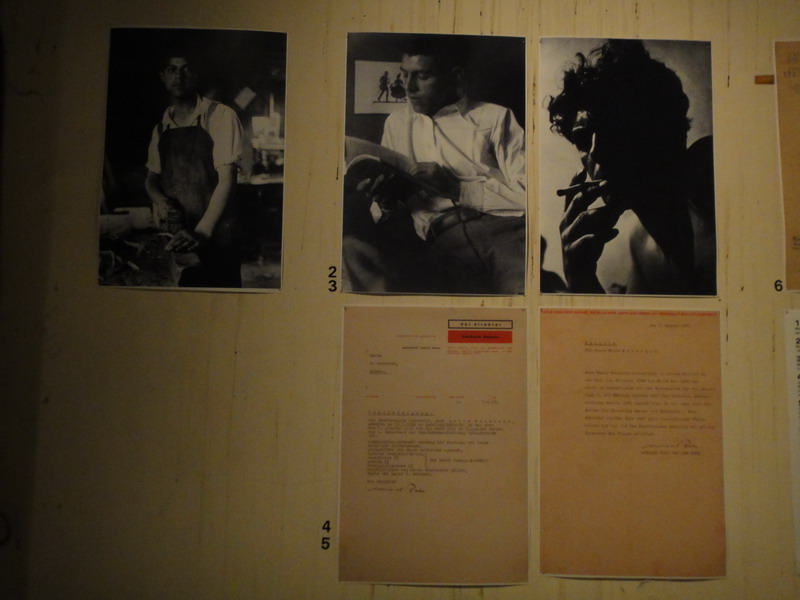
During this major renovation, French contemporary artist Sophie Calle used the dark, desolate, and eerie basement of the Palais de Tokyo at the end of last year for her project "Rachel Monique," dedicated to mourning and expressing gratitude to her mother. Subsequently, Israeli artist Amos Gitai also chose this dim basement to compose a series of comforting lullabies for his father, Munio Weinraub Gitai, to soothe his spirit or that of Jewish souls. Using his father as a focal point for the collective historical consciousness of the Jewish people, Gitai constructs narratives of racial persecution, exile, and genocide, conveying personal pain. Amidst the desolate room, exposed beams, iron scaffolding, ashes, chaos, and the precarious atmosphere of a construction site within this historically charged building, a sense of chaotic unease and oppression permeates the space. Through these poignant and moving video fragments, combined with penetrating Hebrew melodies, Natalie Portman’s mournful cries, music, images, and texts about his father, mixed with the underground environment’s ambiance, the work echoes historical tragedy, awakening viewers’ deep subconscious reflections on historical circumstances and humanity’s future.