Andy Warhol (1930-1987)
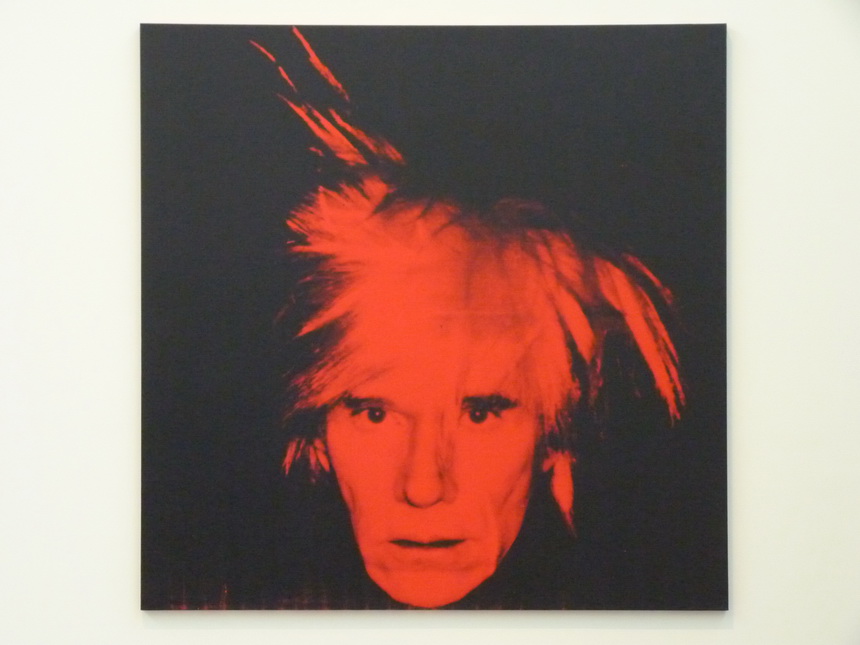
Self-portrait 1986, collection of the Tate Modern, London, UK
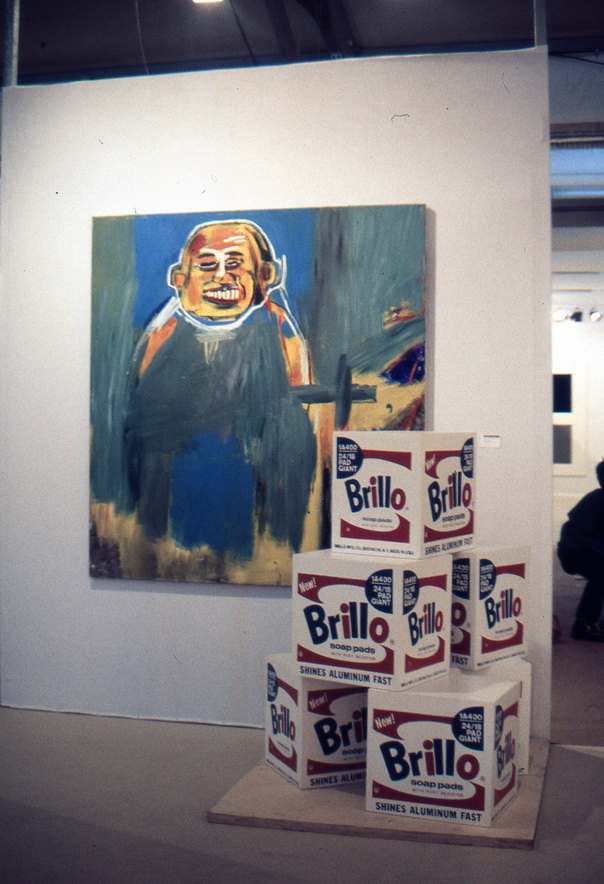
Andy Warhol (1930-1987): Among American Pop artists, he is one of the most controversial and famous. His activities far exceeded the scope of traditional painting: films, planning nightclub shows, creating advertisements, etc. However, Warhol himself held a confused and ambiguous attitude toward the word "personality." He claimed that he wanted to become "a machine." Aside from manufacturing certain industrial products, he did not paint (we can find evidence for this in Hamilton's 1957 writing on the characteristics of Pop Art: the popular, consumerist, charming, corporate, mass-produced nature of Warhol's works).
In 1965, during a retrospective in Philadelphia, Samuel Adams Green commented as follows: "His painting language includes all clichés. Before our era, no culture had imagined that there would be so many absolutely impersonal, mechanically manufactured, never-handled everyday items in the world. Warhol utilized the visual power and vitality techniques already tested by the advertising world; he cared more about the packaging itself than its contents. Warhol straightforwardly accepted the heroic figures of the masses without probing their meaning, thus accepting the inevitable fact. They are easier to handle when you oppose them. People accept the reality of glorious legends prior to direct experience, making those legends banal and stale, losing the quality that first aroused our interest."
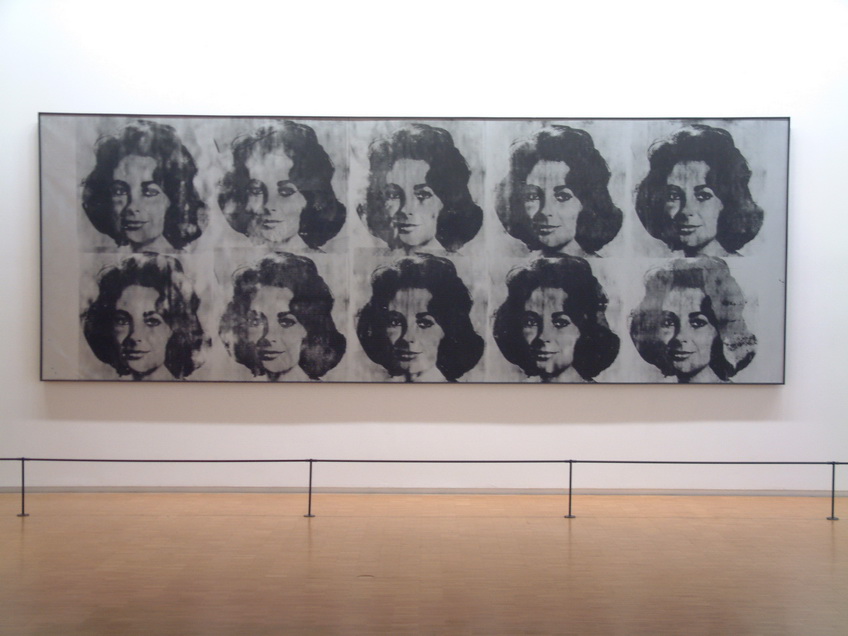
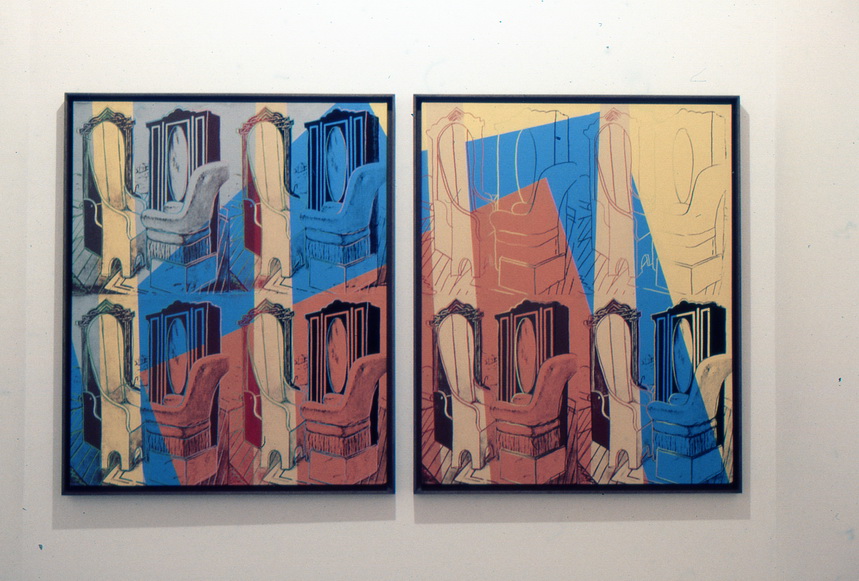
In fact, Warhol was more extreme than other Pop artists. However, his concern seemed to lie in making us numb to what we encounter, such as Coca-Cola, Marilyn Monroe, electric chairs, car accidents, racial riots, or self-portraits. These images were repeatedly enlarged via photography and transferred onto canvas using silkscreen printing. This repetition of imagery and use of color serves as proof of a moral and aesthetic "blankness," a narcissistic worship of materialism, which provokes annoyance. Art critic Frank O'Farra said: "Most Pop art is essentially a 'disguise,' an attempt at a poker-face expressionless look, to see how much the public believes it. But when this attitude is taken to the extreme, does it reach a level of deception?"
However, the repeated imagery in Warhol's silkscreen paintings differs little from "Minimal Art," because although his works are figurative, they are almost devoid of content.