Apichatpong Weerasethakul "Native" Solo Exhibition
Apichatpong Weerasethakul "Native" solo exhibition, a scene from the experimental film installation venue.
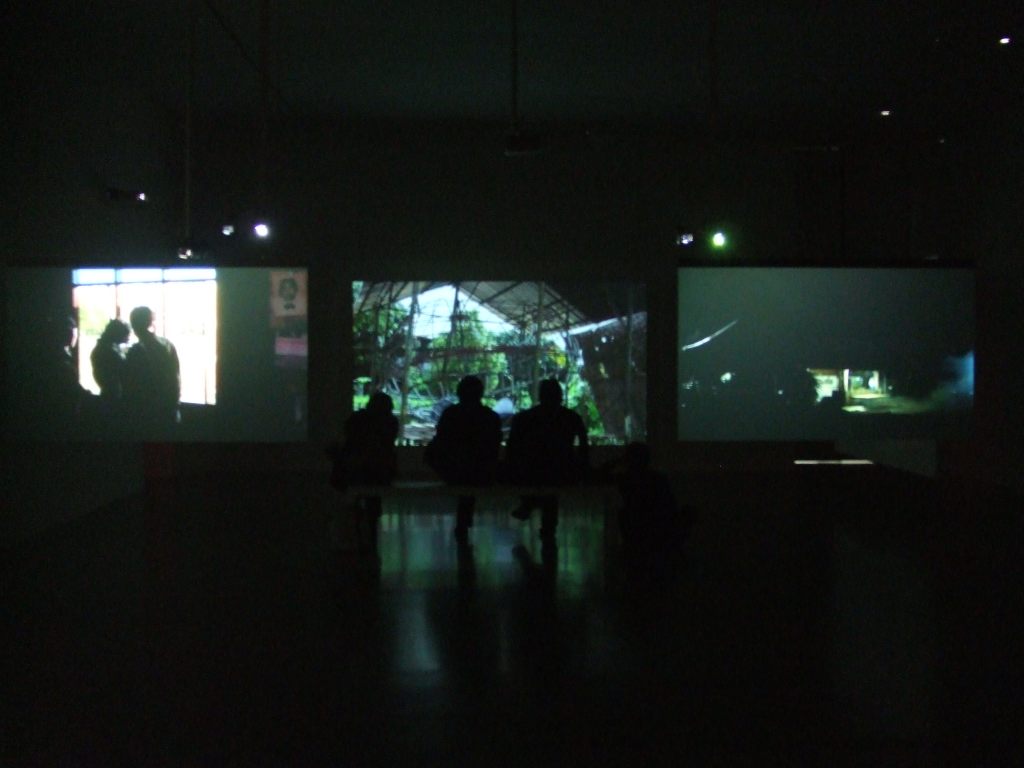
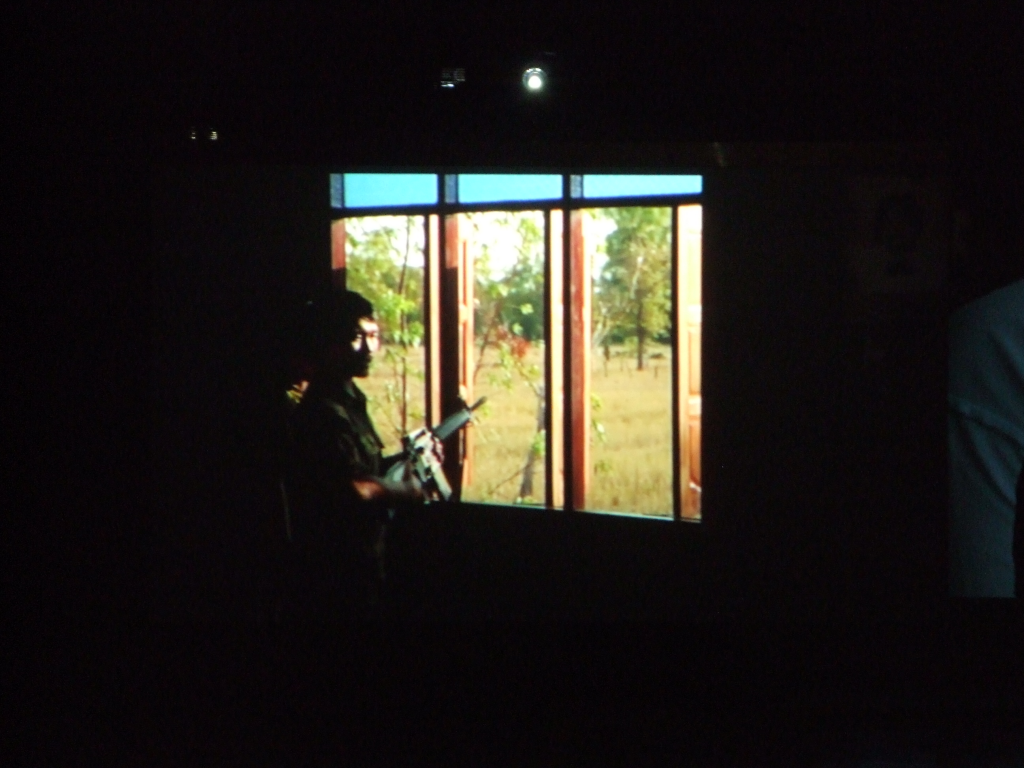
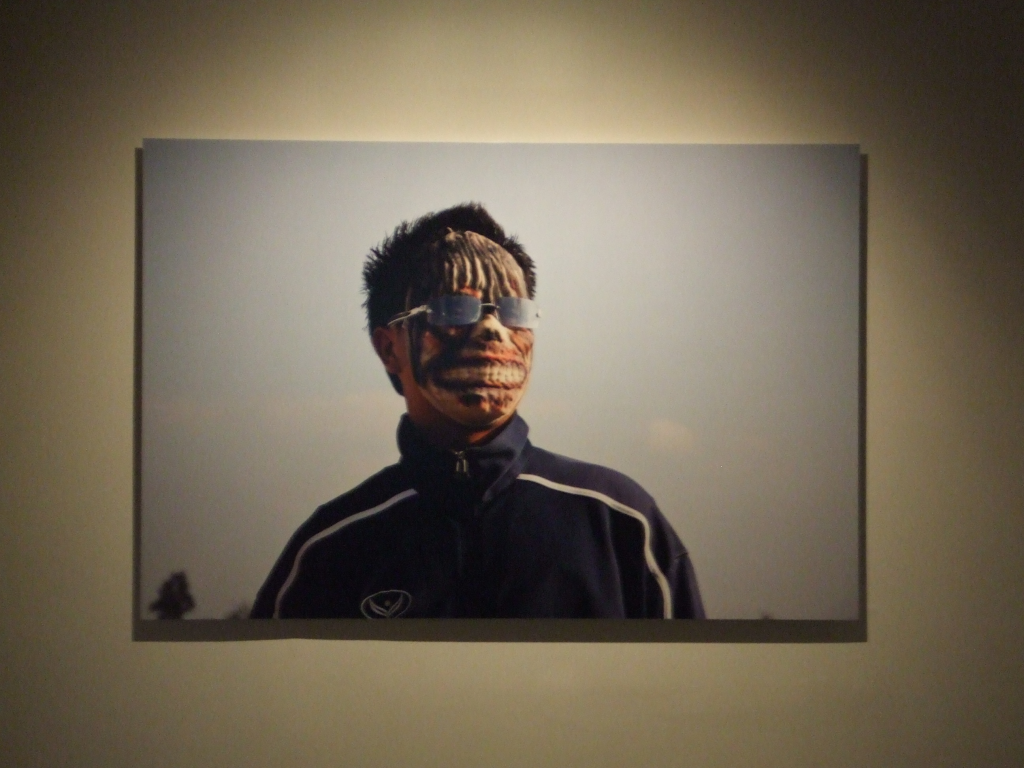
Like a carnival, Ghost Teen (photo). 147x220 cm, 2009. Apichatpong Weerasethakul "Native" solo exhibition: on display at ARC (Paris Municipal Modern Art Museum) from October 16 to January 3, 2010. Born in 1970, Thai contemporary art rising star Apichatpong Weerasethakul excels in cinematic moving images and non-linear narrative construction, exploring current local social and political issues and collective consciousness. Since his debut in 1990, he has engaged in experimental film exploration (so-called French New Wave fashion), approaching the exploratory path of Taiwanese filmmaker Tsai Ming-liang. Immersed in Thai folk popular culture, his films are hymns to collective consciousness and personal memory, like riddles, emerging from methods of existence and memories that haunt people's minds. His notable film Uncle Boonmee Who Can Recall His Past Lives won the Un Certain Regard award at the Cannes Film Festival in 2002. Two years later, he gained fame by winning the Grand Prix at Cannes with Tropical Malady. The theme of the "Native" solo exhibition comes from diverse references, especially the Thai Buddhist concept of reincarnation, paying tribute to nature's ultimate destructive power, elucidating nature's rebirth, disillusionment, and transformation. This exhibition features seven wonderful short films, all new works from 2009, including photo series and sketches. First attracting viewers is the short film Phantoms of Nabua, welcoming audiences in the corridor. Created for the internet, it depicts a group of young people playing football in a quiet village late at night, igniting sparks with straw and running through the fields with torches. The screen focuses on dramatic lighting, using light to evoke the disappearance of cinema. At one end of the corridor are portraits of figures wearing carnival-like dramatic masks extracted from the film, along with a series of character props. In the center of the main hall, I Am Breathing (video work) is projected directly onto a transparent plastic screen (viewable from both sides), set to a song by Thailand's currently popular rock band, presenting a group of energetic young people running and playing in village streets, kicking fireballs back and forth, expressing an ardent desire for freedom, metaphorically reflecting the current atmosphere of Thai politics and society. To the rear right, Nabua is a documentary about this village filmed during Phantoms of Nabua, presenting continuous explosions under a sci-fi old movie atmosphere, with simultaneous sexual tension creating a dramatic, colorful effect like fine rain falling from the sky. Flashing brilliantly, then disappearing into smoke and ashes, finally silence swallows everything. To the left, Night Shooting describes a group of teenagers in military uniforms taking turns shooting targets from windows of a house near rice fields; the target is a boy walking in the distance, miraculously resurrecting when hit. Nabua Song narrates a boy named Petch from Nabua village singing a ballad he composed to commemorate a bloody confrontation between the military and local peasant communists that occurred 40 years ago not far from the village. Under beautiful melodies and stirring emotions, it mourns the death of a friend's grandfather at the hands of soldiers, revealing individual family memory within collective consciousness. A Dedicated Machine depicts a space shuttle about to travel through Nabua's spacetime, slowly launching from the ground, floating in the sky for a short while, then quickly falling down. Under continuous playback, it makes one feel somewhat dejected, humorously realizing that this space shuttle indeed can never take off. Making of the Spaceship is a record of workers building this sky shuttle day and night over a month, from scaffolding to internal structure, and daily life surroundings such as poultry or weather changes, presenting an extraordinary collective consciousness. Finally, in another large hall, two large movie screens are juxtaposed to present Native (35mm film), returning to Nabua in Northeast Thailand, starting with memories of a series of conflicts, bloodshed, violence, and murder between farmers and the military that occurred here from the 1960s to the 1980s, which residents still vividly remember. It records the realistic life of a group of teenagers in the rural fields of Nabua, featuring unique silent cinema and excellent imagery, accompanied by narration telling their childhood memory stories. The artist constructs plots using deconstructed image fragments and simple elements: teenagers, daily life, and memories, accompanied by strong nostalgia and memory, telling the endless deep affection, passion, loss, endurance, etc., of youth, displaying concrete reality and imagination. Apichatpong Weerasethakul excellently captures these teenage portraits and scenes with slow-motion rhythmic pacing, presenting the ghosts of souls, like distant melodies. Through these continuous daily scenes, which are simultaneously real and imagined in time and space, the artist intends to reconstruct the modern social portrait of this generation of teenagers.