Abstract Art
Kandinsky, Improvisation No. 26, 98x107.5cm, 1912, Collection of the Städtische Galerie, Munich, Germany
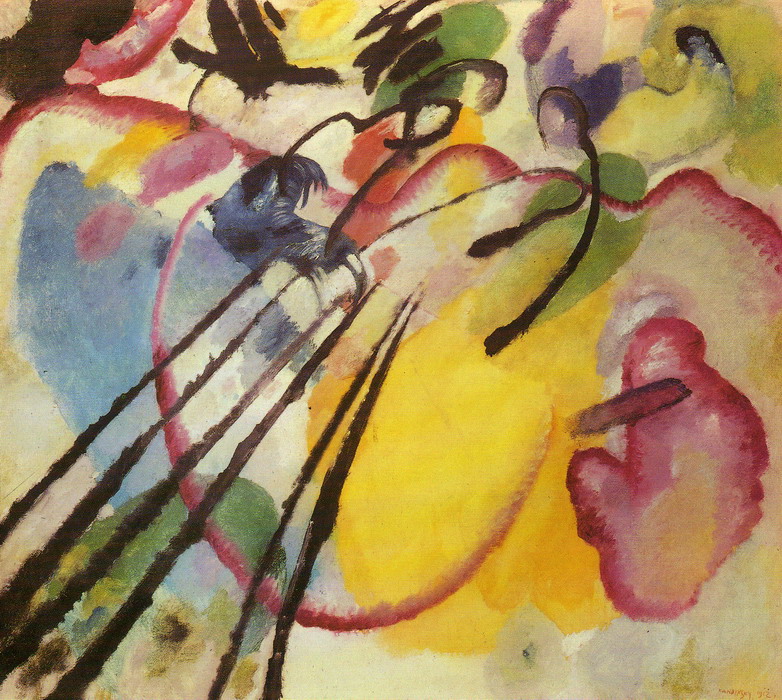
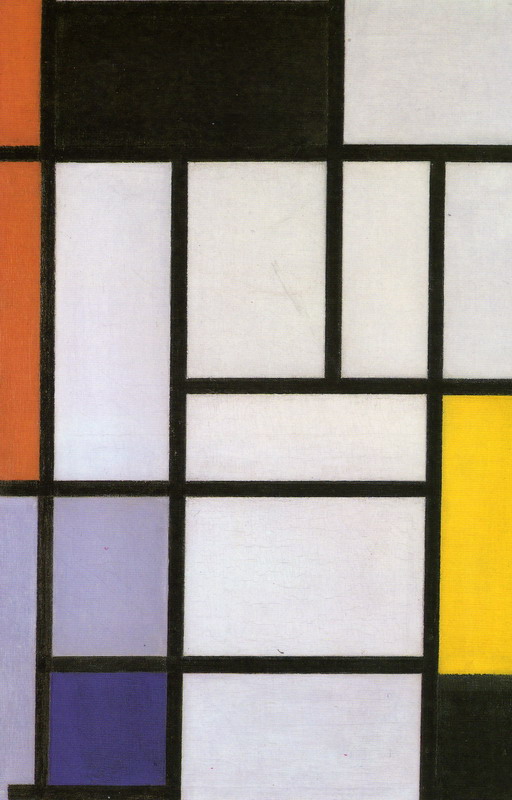
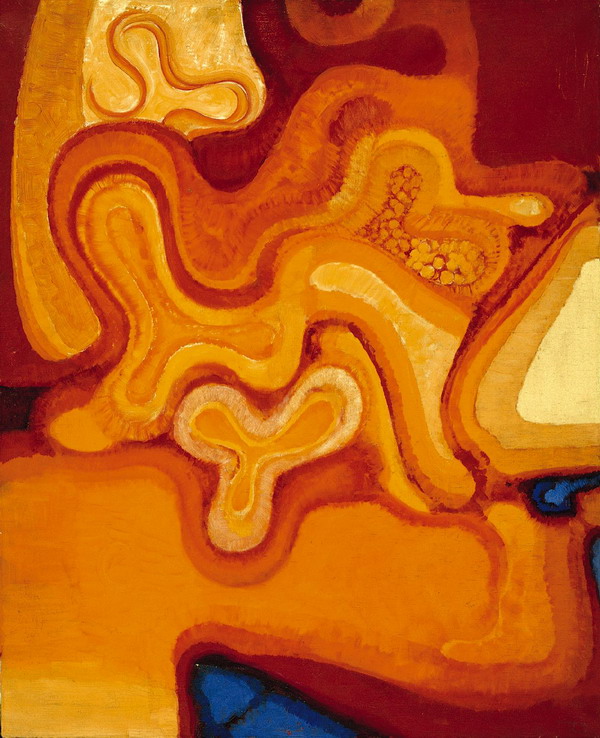
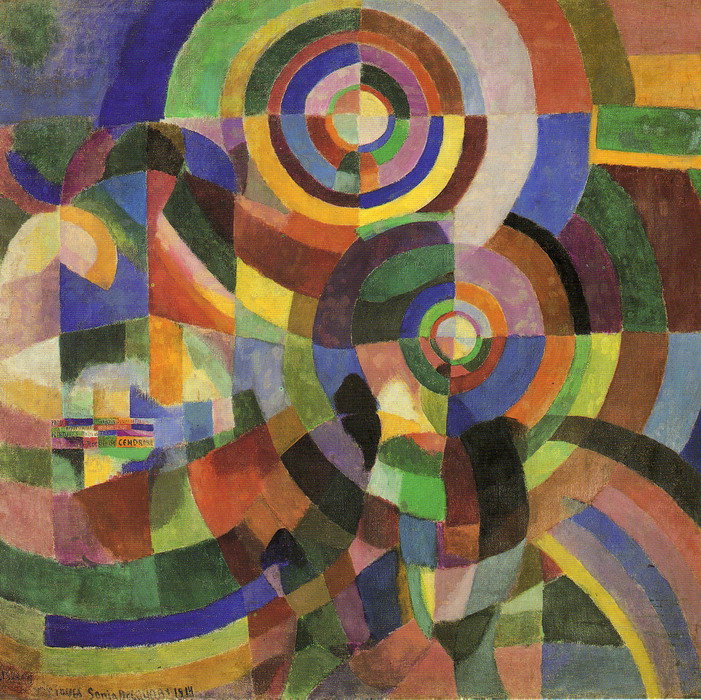
From the Fauves’ subjective display of rich colors to the Cubists’ rational and rigorous formal construction, a great goal for future art was pointed out—abstract art. Between 1910 and 1914, Western artists gradually shifted from simulating external natural forms to exploring internal emotional thinking, abandoning nature to effectively construct an independent world through form (points, lines, planes), color, and material, revealing the artist’s inner intuitive instincts and thought. Under Kandinsky’s introspective expression of instinct, this became lyrical abstract art.
Under Mondrian’s introspective intuition and Malevich’s contemplative display of autonomous pure spiritual structures, it became rational geometric abstraction. Under Delaunay’s purified rhythmic forms and strong harmonious colors, it became color abstraction. Abstract art thus became the best reflection of the 20th-century human mind and one of the most important artistic trends. Concrete (geometric) art in the 1930s led to an abstract art storm after the war: French Lyrical Abstraction, American Expressionist Abstraction, late Color Field painting in the 1960s, Minimalism in the 1970s, Surface/Support art, and New Geometric Abstraction in the 1980s.