A Stroll Through the Gardens of Beauregard Castle
(Fig. 1) The elegant Beauregard Castle. (Fig. 2, left) The English garden with shimmering water reflections. (Fig. 2, right) The majestic Lebanese cedars.
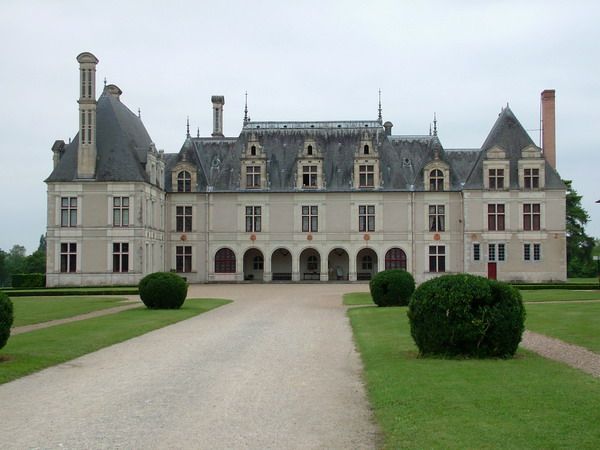
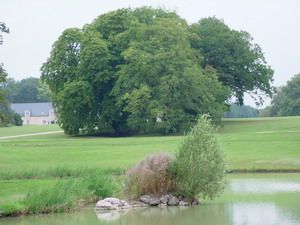
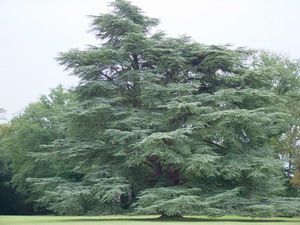
(Fig. 1) The elegant Beauregard Castle. (Fig. 2, left) The English garden with shimmering water reflections. (Fig. 2, right) The majestic Lebanese cedars.
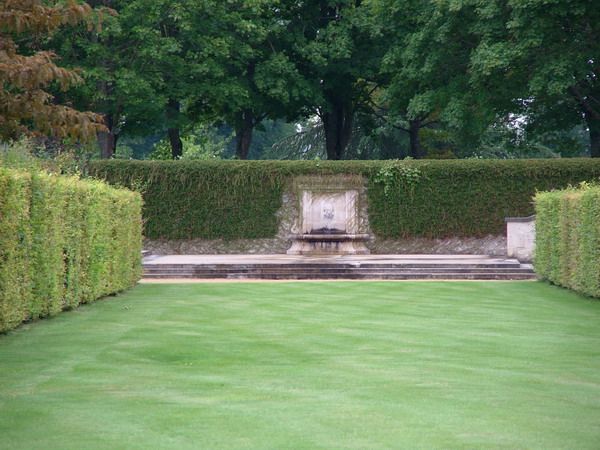
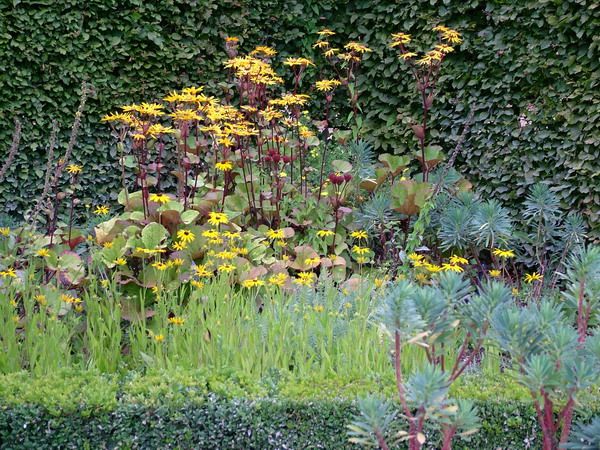
(Fig. 1) The beautiful fountain in front of the Portrait Garden. (Fig. 2) The delightful large yellow garden.
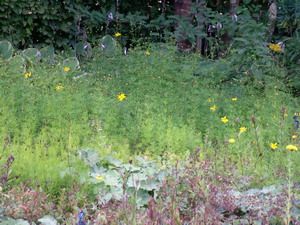
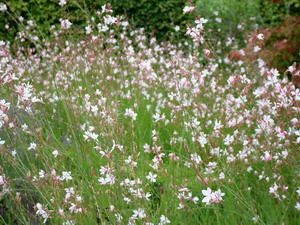
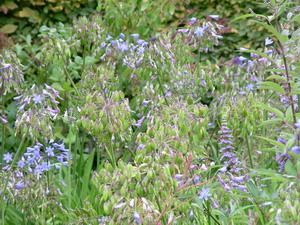
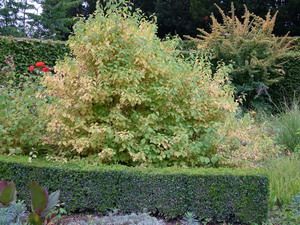
(Fig. 1) The orange garden. (Fig. 2, left) The white garden. (Fig. 2, right) The blue garden. (Fig. 3) The orange garden.
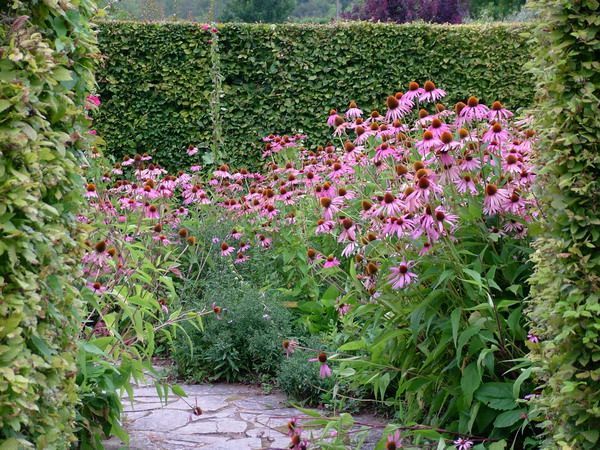
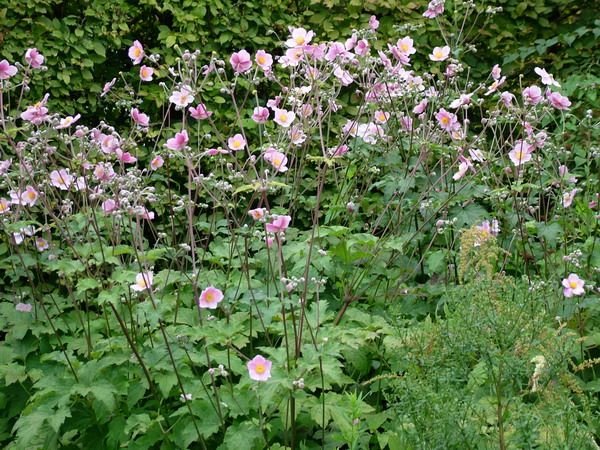
(Fig. 1) The pretty red garden. (Fig. 2) The enchanting pink garden.
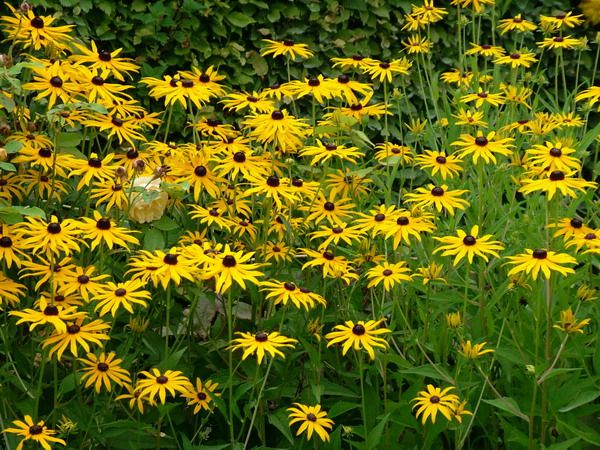
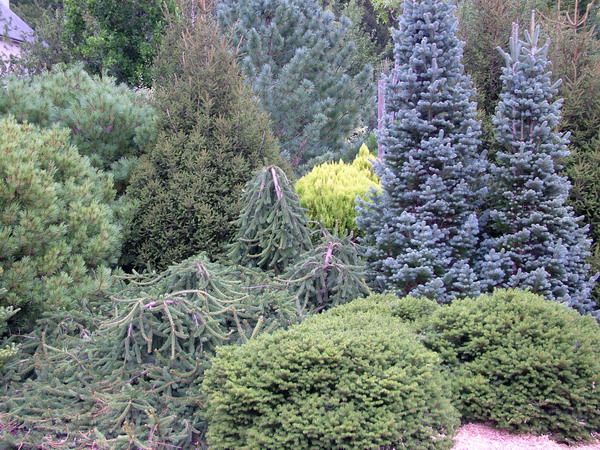
(Fig. 1) The vibrant and dazzling yellow garden. (Fig. 2) The pine forest full of vitality.
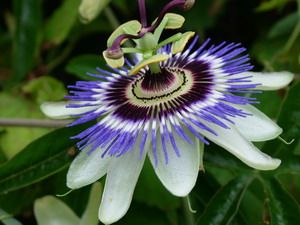
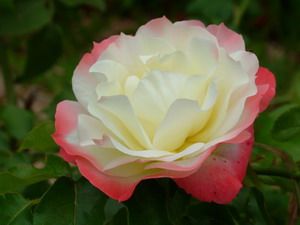
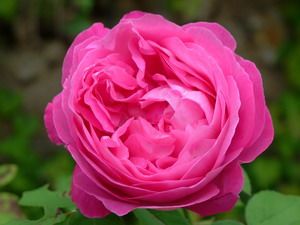
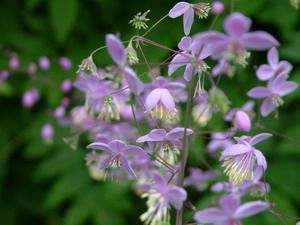
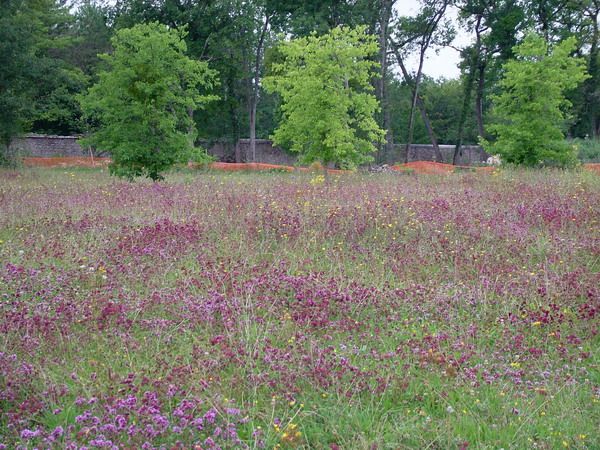
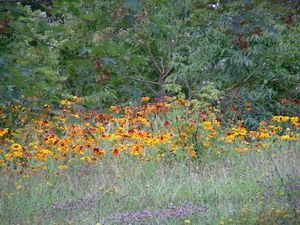
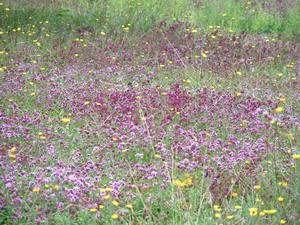
(Fig. 1) The wild garden, more natural than nature itself. (Fig. 2, left) A patch of wildflowers full of vitality. (Fig. 2, right) A poetic and picturesque patch of wildflowers. Beauregard Castle is the most delicate and elegant small castle among the Loire Valley castles (Châteaux de la Loire). It was a leisure retreat granted by King Francis I, adjacent to Blois Castle and not far from the magnificent Chambord Castle. Beauregard is a Renaissance-style castle characterized by strict symmetry, surrounded by lush green gardens and vast forests, lacking the dramatic stories and anecdotes associated with other castles. During the reign of Francis I, the castle was gifted to his uncle, Bastard of Savoy. It later came into the possession of Jean du Thiers, minister to Henry II, who extensively renovated it into a splendid residence. Following this, Paul Ardier commissioned the castle’s most famous feature: the “Gallery of Portraits of 327 Figures of French Political History” (which remains its claim to fame today). Other highlights include a series of enchanting 16th- and 17th-century furniture and objects, an innovative Renaissance kitchen, and Delft tilework.
Visitors to Beauregard Castle do not come primarily to tour the castle itself, but rather to stroll through its gardens for pleasure. Lush greenery surrounds the castle; within the walls lie 70 hectares of gardens. The castle sits within a picturesque English landscape featuring a large lawn bordered by majestic Lebanese cedars and classical statues, evoking the era of Jean du Thiers. The rear courtyard centers on a pond with shimmering water reflections. Winding paths cross shaded trails and flower clusters, leading to the postmodern-style “Portrait Garden,” a renowned contemporary garden today. This innovative garden was created in 1996 by Gilles Clement, currently France’s most prominent horticulturist (best known for Paris’s Parc André Citroën). Inspired by the interior “Gallery of Historical Portraits,” the lush “Portrait Garden” engages in a spiritual and historical dialogue. Within the strict geometric structure of the French garden, it is divided into twelve precise square gardens, each dominated by a single color. These extraordinary colors include white, black, green, various shades of red, two types of yellow, pink, orange, two types of blue, and purple. Using over 400 seasonal plants symbolically and metaphorically, the garden converses with history and nature. For example, the White Garden is filled entirely with white flowers; the Red Garden presents an enchanting sea of red; the Yellow Garden offers a poetic expanse of yellow blooms; and the Black Garden features deep greens and purples so dark they appear black.
The colors correspond to historical figures as follows: White symbolizes Francis I, who always wore white battle robes to serve as the core of combat. Black represents Diane de Poitiers, Henry II’s great lover, who dressed exclusively in black; after Henry II died in a jousting accident on June 30, 1559, black became her emblem. Green symbolizes Henry IV’s romantic pursuits (Vert-Galant refers to an old rake). Pink represents Anne of Brittany, wife of Charles VIII, who favored the pink Provençal convents. Blue symbolizes the spiritual regulations of Henry III. Saint Bartholomew Red depicts the bloody massacre of Christians during the reign of Charles IX. Saint Denis Red alludes to the bloodshed in Paris during the Battle of Saint Denis in the suburbs; the red of Saint Denis’s heroic military standard later became the source of the red in the French flag. Pays-Bas Orange symbolizes the Prince of Orange’s resistance against Charlemagne until Dutch independence. Touraine Blue represents Charles VII’s governance at Tours. Yellow depicts Louis XIII, father of the Sun King, serving as a symbolic representation (he is the last monarch in the portrait gallery). Sorrowful Purple reflects the political hues from the reigns of Charles VIII to Henry IV before their murders. Along the wall borders run rows of fragrant roses, followed by a series of innovative mountain pine forests. Most unique of all is Gilles Clement’s unconventional wild garden, which captivates visitors by being more natural than nature itself. In this continuous journey through nature and humanistic history, the visual delight reaches a climax of emotional release.