Ben – "Everything Is Art" Retrospective
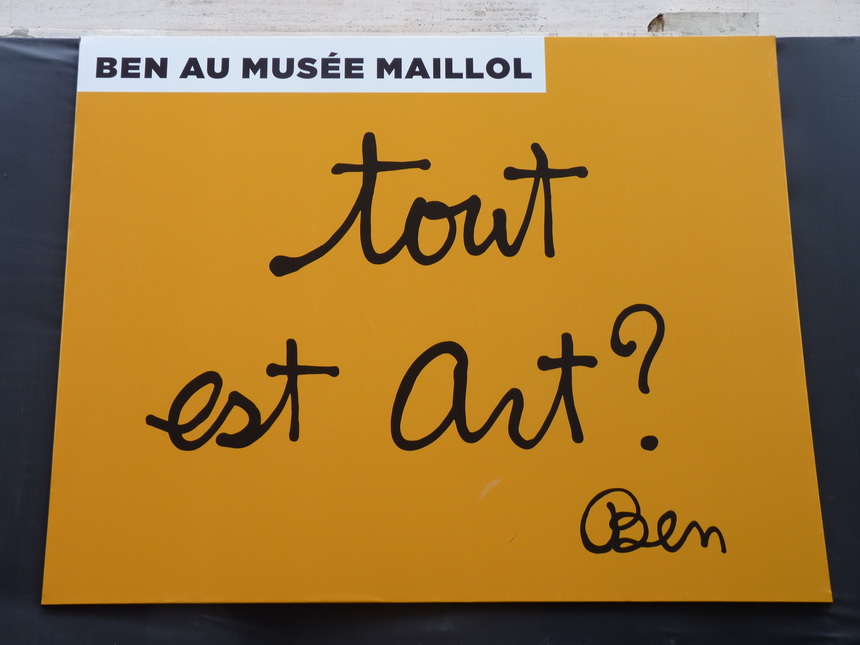
Ben – "Everything Is Art" Retrospective Exhibition Signage
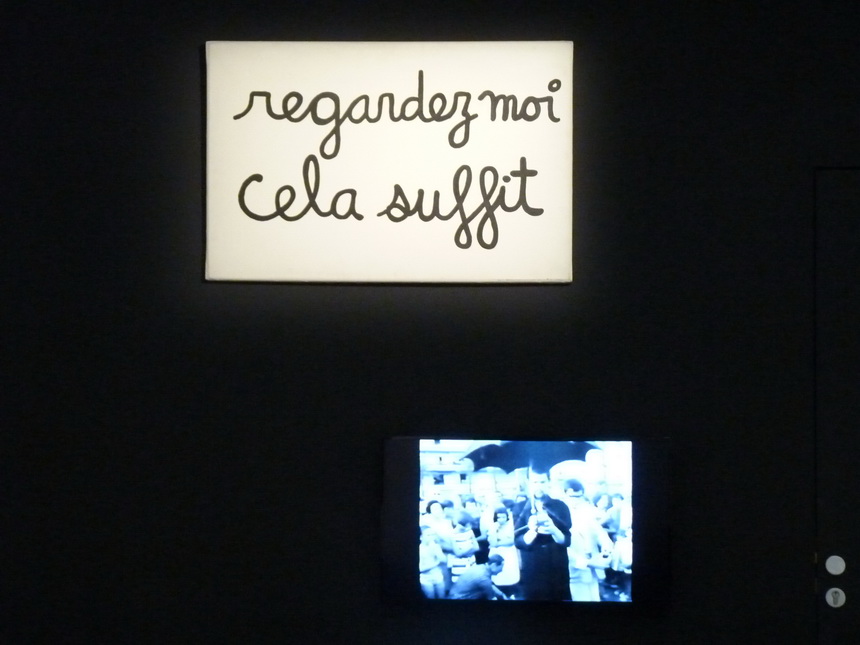
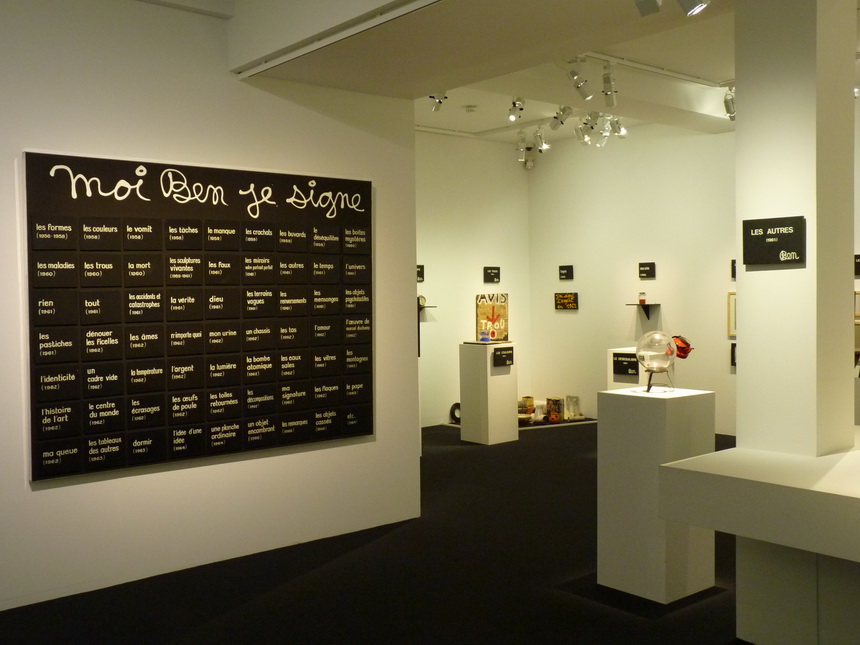
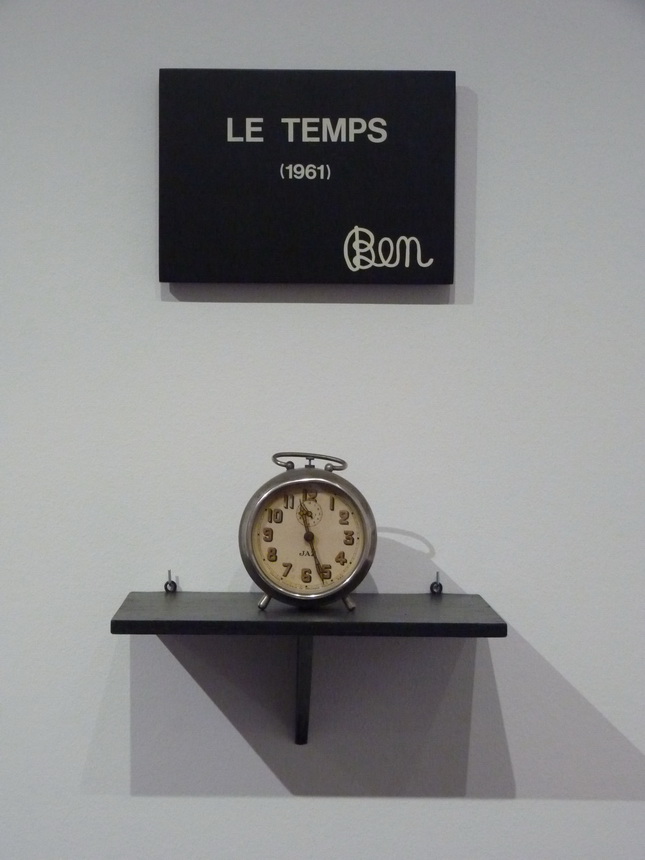
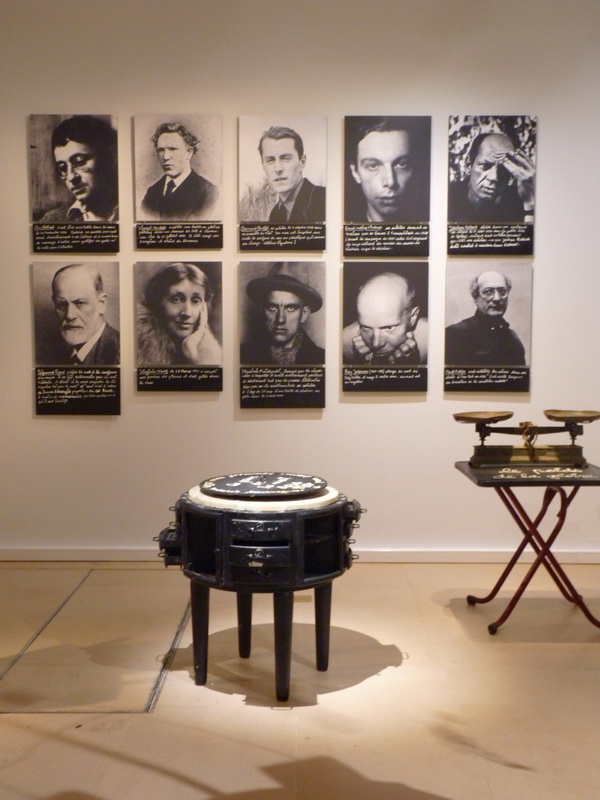
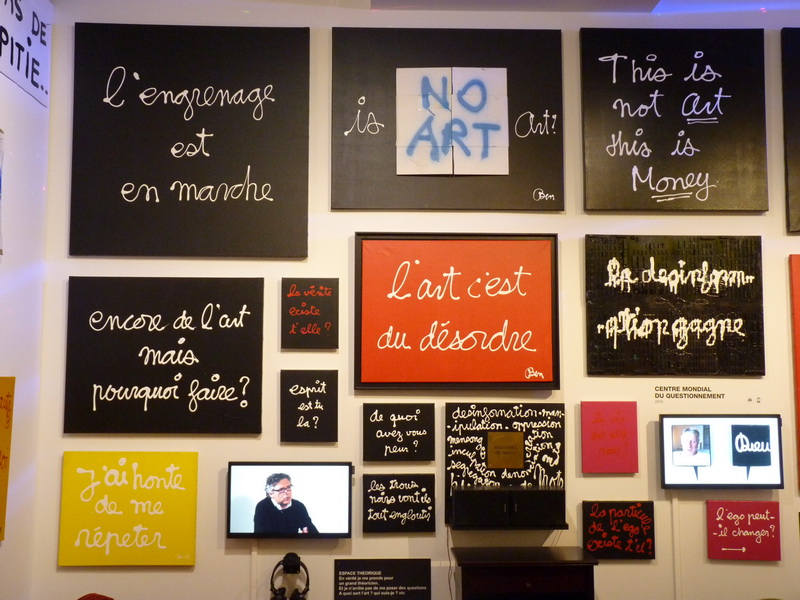
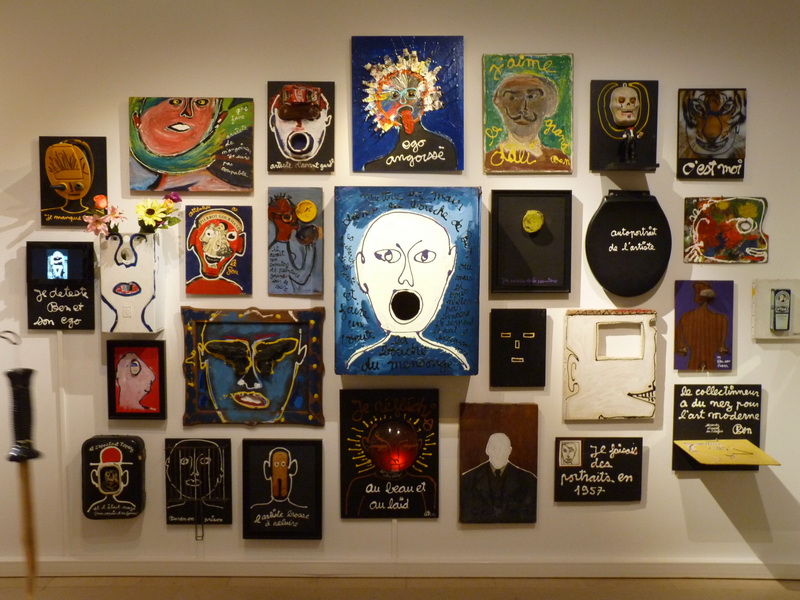
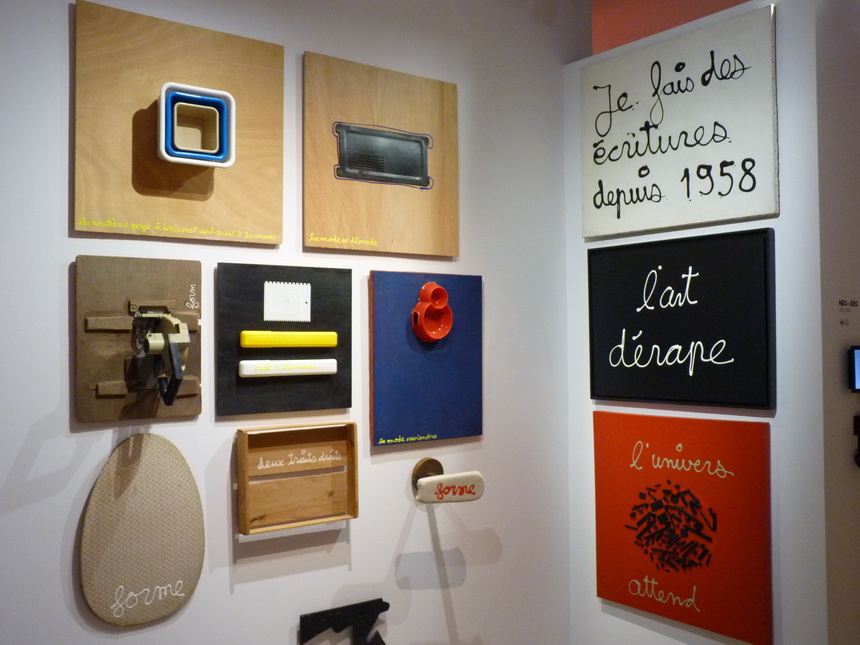
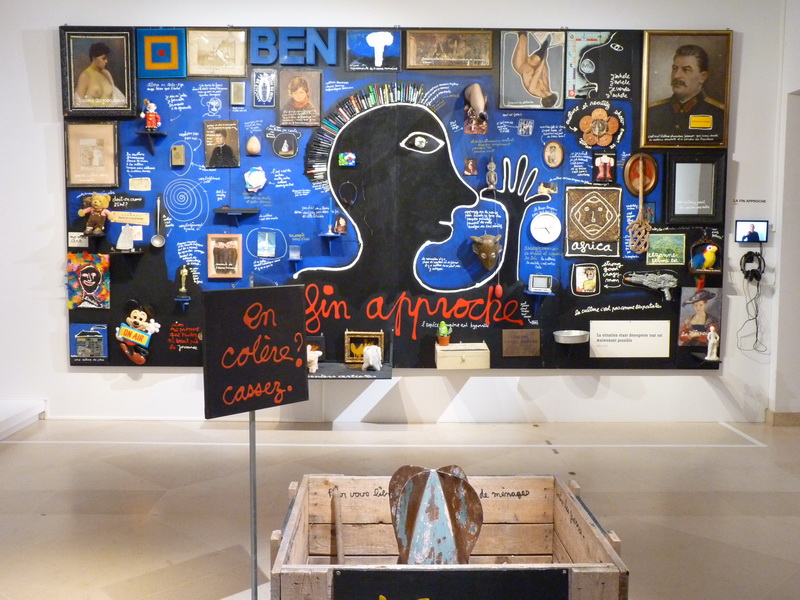
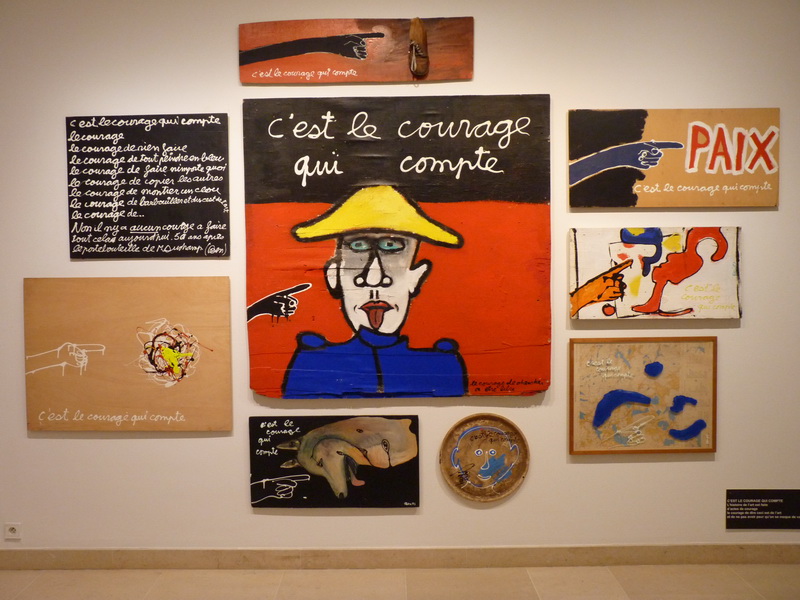
Text and photos by Chen Chi-Hsiang. Venue: Maillol Museum. Dates: September 14, 2016 – January 15, 2017. Ben Vautier (born 1935), a Swiss-French artist living on the Côte d’Azur in Nice, is one of the most provocative and controversial figures in the French art scene. A total art practitioner and one of the most radical members of the international Fluxus movement, he is among the few French artists with significant international stature. He was also the artist who most thoroughly realized Duchamp’s concepts within post-WWII Neo-Dadaism. As early as the 1950s, during the storm of abstract painting, he countered it with works full of humor and satire. In the anti-art spirit of Neo-Dadaism, Ben explored not painting, but behavioral attitude. In 1957, he painted with mediocre graphics, stating: “The form I explore within the abstract category will be one that requires no painting” (Note 1). This urgent desire to restate confirmed the relationship between work and person, attempting to dissolve the boundaries between art and life. In 1958, he took this further by vomiting onto canvas as a medium for painting; one can imagine what the painting looked like? What should art be? Ben seemed clearer on this than his contemporaries. That same year, his most iconic textual writings appeared. Unlike other artists focusing on aesthetic operation, words, sentences, and aphorisms held special value for him, often conveying intellectual construction, critique, and concepts through humor and irony. Ben declared via text: “Understanding ‘outside’ the painting—all these things outside the paintings are art” (Note 2).
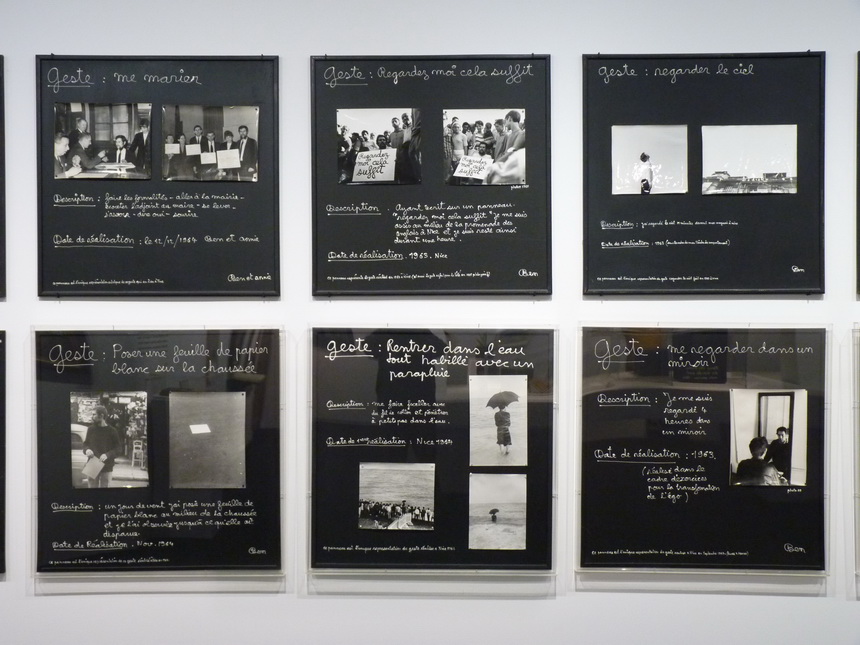
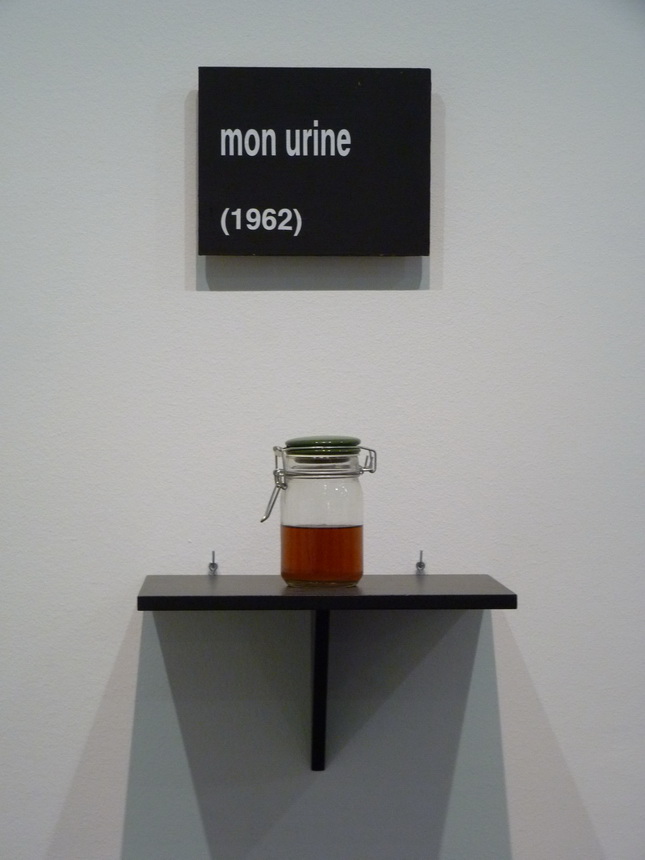
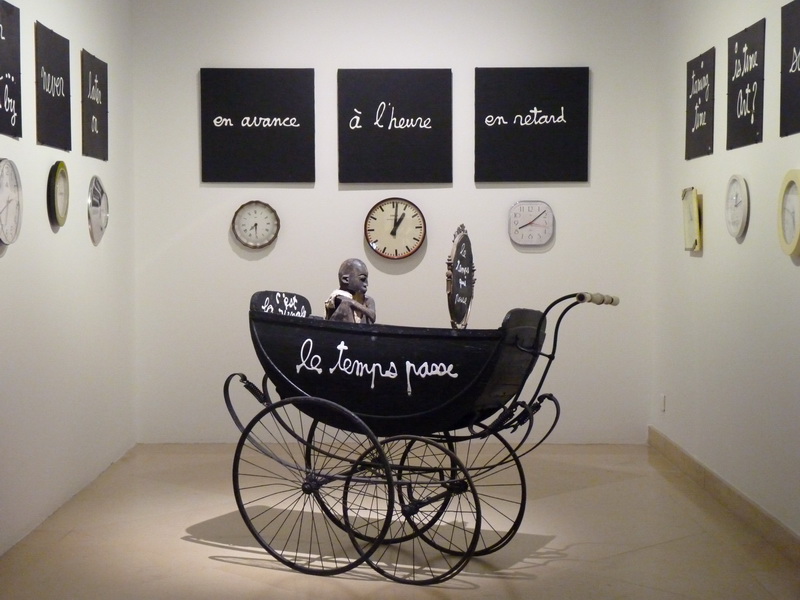
Ben’s abnormal, provocative, and subversive attitudes toward art and non-art aligned perfectly with the ideals of the international Fluxus movement forming in the US in the early 1960s. Its leader, George Maciunas, stated in 1963: “Clear out dead art, imitative, unnatural art, abstract art, illusionist art, mathematical art. Push live art, oppositional art, push the reality of non-art so everyone can understand it, not just art critics, enthusiasts, and scholars” (Note 3). Ben’s art embodied the Fluxus spirit; he quickly became an active member, remaining faithful to its ethos. Following Italian artist Manzoni’s tin cans of feces, Ben filled transparent glass bottles with urine in 1962, presenting them like juice. Later that year, at a London Fluxus exhibition, his most striking performance was living alone inside the One Gallery window for fifteen days. In 1963, Ben invited international Fluxus members to perform in Nice, where he leisurely slept and ate breakfast on a busy street corner. In 1964, he performed until the audience screamed themselves hoarse. In 1965, he held a “Smiling Note” exhibition near Nice with Ferio and Brecht. That same year, at the second “Free Expression Carnival,” he presented Look at Me, That’s It, requiring viewers to observe the artist’s action. His extreme actions are evident throughout, such as in 1969 when he slammed his head against a wall until it bled. He lifelong promoted “open-ended artworks,” dissolving limits between art/non-art and art/everyday life. In his “Everything Is Art” creative activities, he encompassed outsider art, avant-garde junk trade, performance art, and painting, while also engaging in drafting slogans: written texts, aphorisms, sometimes sharply satirical or critical, sometimes linked to his personal humor, questioning, and unease.
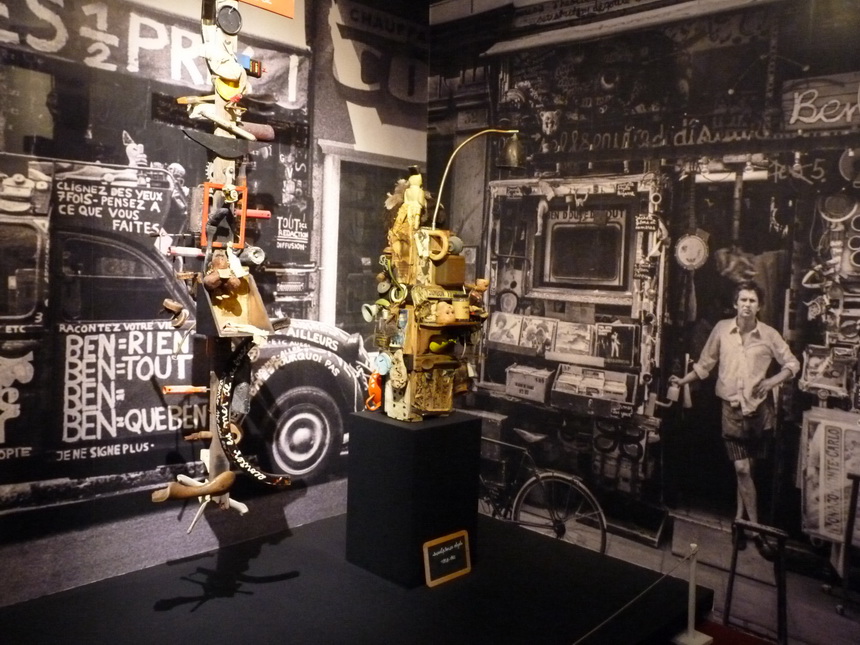
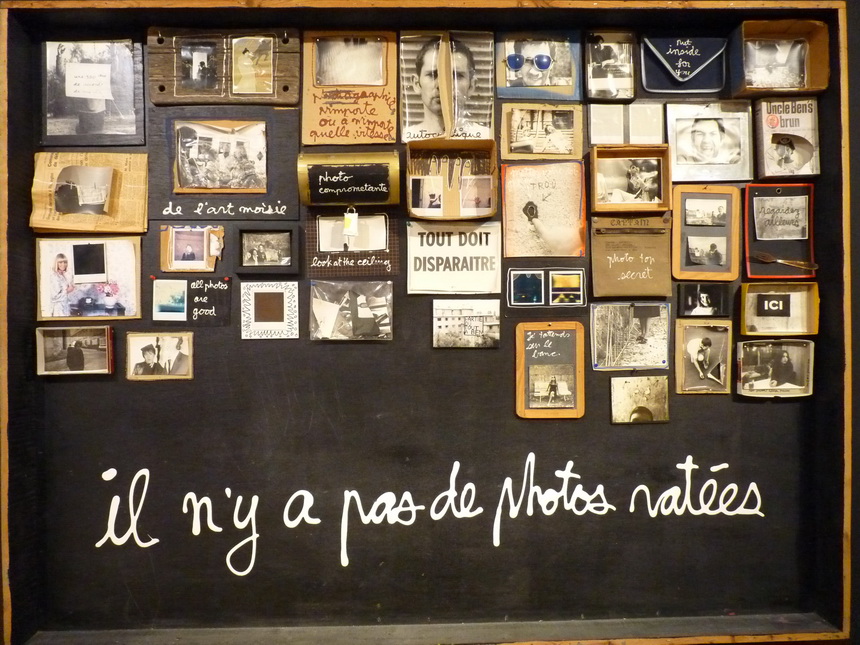
If Klein and Arman claimed the “empty” and the “solid” as their own, then Ben ambitiously sought to dominate the “world.” Starting in 1961, he signed everything to claim ownership: “Everything belongs to Ben,” “Ben signs the horizon,” “Ben signs God.” The arrogant artist then self-mockingly said: “I am like a dog urinating everywhere as a territorial marker” (Note 4). Anything subsequently signed became art. Not satisfied with this, in post-Duchampian formal exploration, he bluntly declared in 1962: “Everything is art,” “Absolutely anything is art,” ultimately becoming “Total Art.” Thus, his masterpiece Shop, completed between 1958 and 1973, represents the most thorough realization of this concept. This shop was Ben’s old record store used to make a living, and a prime location for life and creation. For several years, it served as a gathering point for Nice’s avant-garde, where Ben organized artistic meetings and performances. The Shop work consisted of various objects assembled, pasted, nailed, bound, and painted, all received from discarded items of consumer society: mixing objects, paintings, writing, and graffiti, diverse and comprehensive like a market or grocery store, signed with Ben’s name to claim ownership, granting himself automatic appointment power—no different from Duchamp.
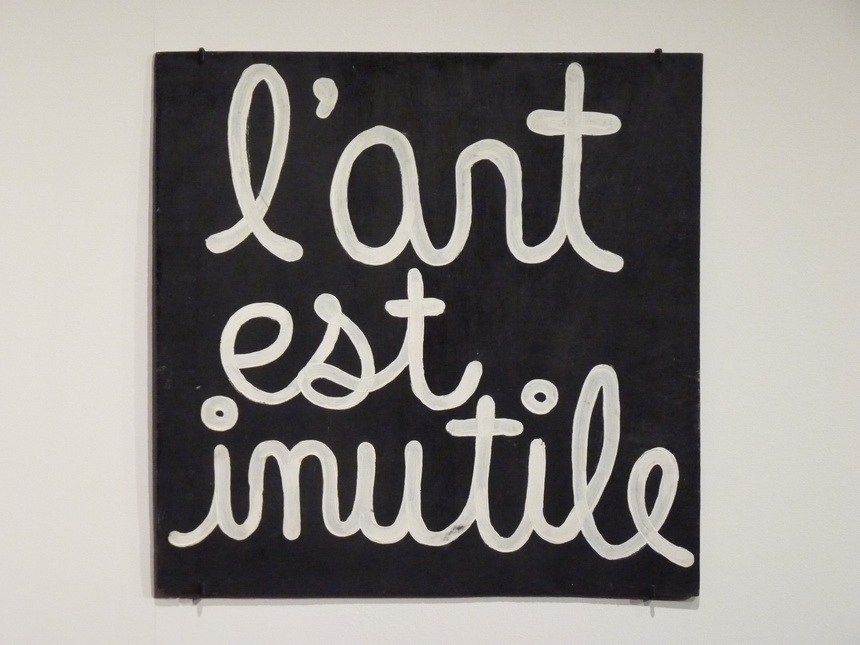
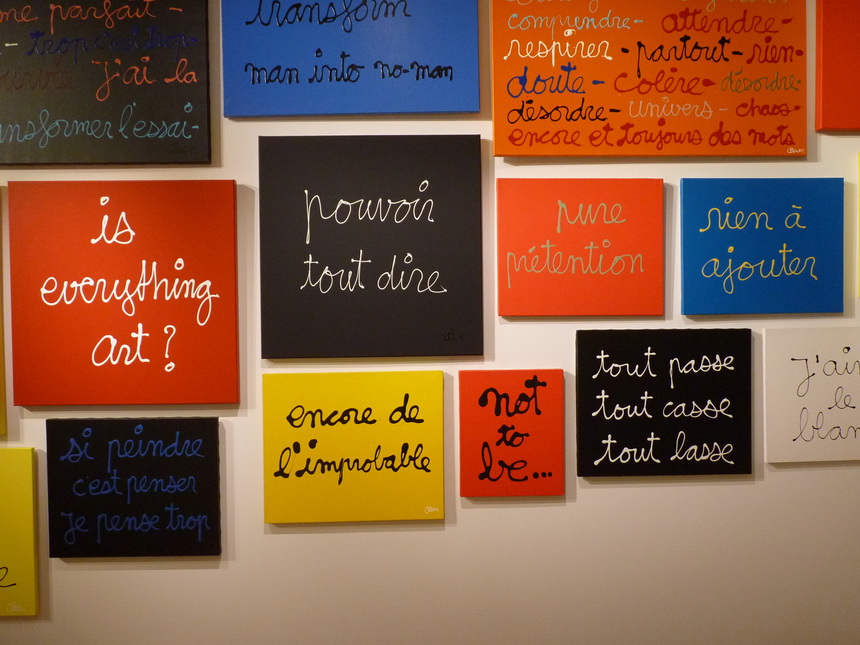
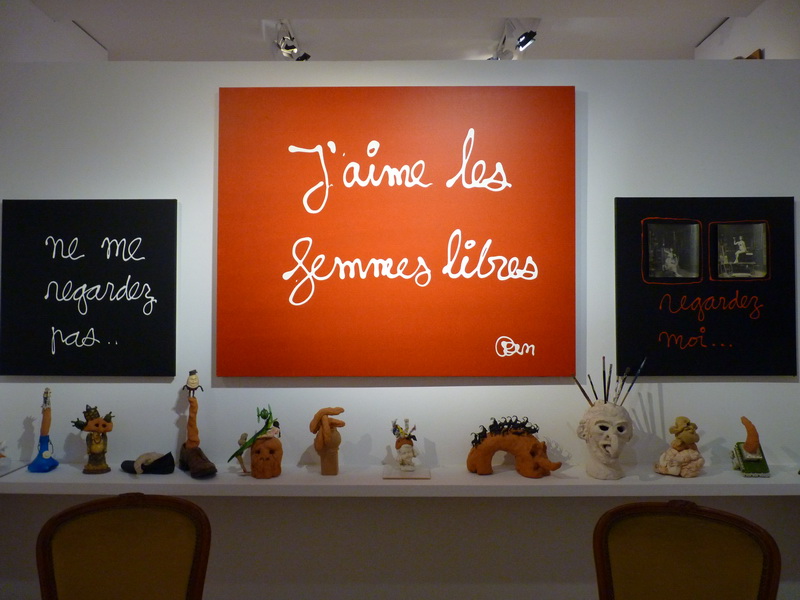
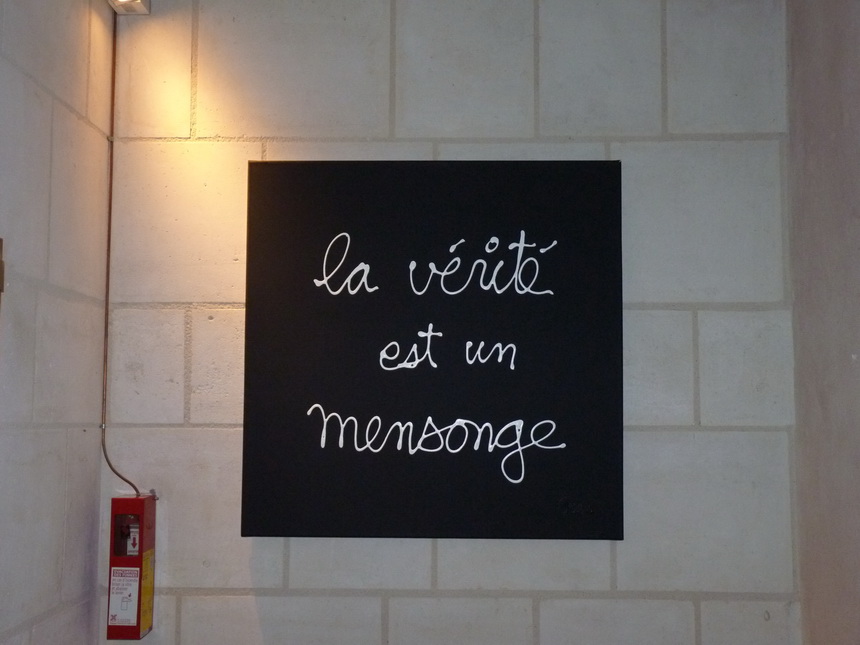
Simultaneously, there were numerous black-and-white text-painting series (black text on white background or white text on black background) featuring humorous sentences or aphorisms, allowing chaotic reading: “I sign everything,” “Art is self,” “Art is a clown,” “I am here,” “Art is chaos,” “Art exists,” “Does art have boundaries?” “Art is useless,” “New is often revolutionary,” “There is no bad aesthetics,” “Ben doubts everything,” “What I say is truth, but what I do is lies,” “I await war,” “Death is easy,” “I feel lonely,” “Everything is merchandise,” “I found nothing,” “I don’t like art,” “There is new,” “Everything is art,” “Ben smiles,” “Buy everything,” “How do you know if this hole is beautiful or ugly, new or old?” “What is art?”... etc. This is indeed unfortunate art, expressing the “glory of garbage”; it is extreme and Baroque. Or longer articles explaining his artistic views: “Newness is not a material quality defining the category of objectivity, but rather a spiritual contrast relationship between form and past overall form. It is a different verification and result: there is only one duty, which is difference; that which has already reached the new in any way” (Note 5). In 1973, Ben exhibited a series of 173 paintings, not without humor, covering all possible types of definitions for artworks: “I paint a painting,” “Stretched canvas,” etc. Thus, his use of text was not a simple, cold process or premeditated calculation, but an instinctive force; these writings were squeezed directly from white paint tubes onto black canvases. However, these text-paintings did not interrupt the subject; their characteristics remained preserved within the painting and drawing. In this diversity, abnormality, and inconsistency, Ben constantly affirmed his strong personal identity. Regardless, creating this “new” was solely to secure a place in art history.
From the 1980s to the present, Ben’s interest and concern focused particularly on the cultures of minorities within France. Under today’s dominant McDonaldized culture, he defended multiculturalism, believing: “The next artistic innovation: is to assume its own language, culture, and race” (Note 6). Ben conceived that the “difference” of those races is an indispensable element. In his concept of the relationship between life and total art, the new and the different are primary values; those activities can only be felt as promoting innovation, transformation, and evolution. If diversity is rejected, it will be dominated by powerful culture through various situations. Art critic Bernard Lamarche-Vadel wrote: “Ben’s pile of dazzling ideas is built on methodology, conditions, quality; this will be a work” (Note 7).
Note 1: Today’s Art by Edward Lucie-Smith, published by Fernand Nathan, Paris, 1976, p. 178. Note 2: Art Contemporain un choix de 200 oeuvres du Fonds national d art contemporain (1985-1999), published by Chene, Paris, 2001, p. 191. Note 3: Reference Pompidou Center National Museum of Modern Art Fluxus guide card. Note 4: Art & Text, Artstudio N15, Winter 1989 issue, p. 87. Note 5: Ibid., p. 90. Note 6: Ibid., p. 90. Note 7: Ibid., p. 93.