Bertrand Lavier New Works Solo Exhibition
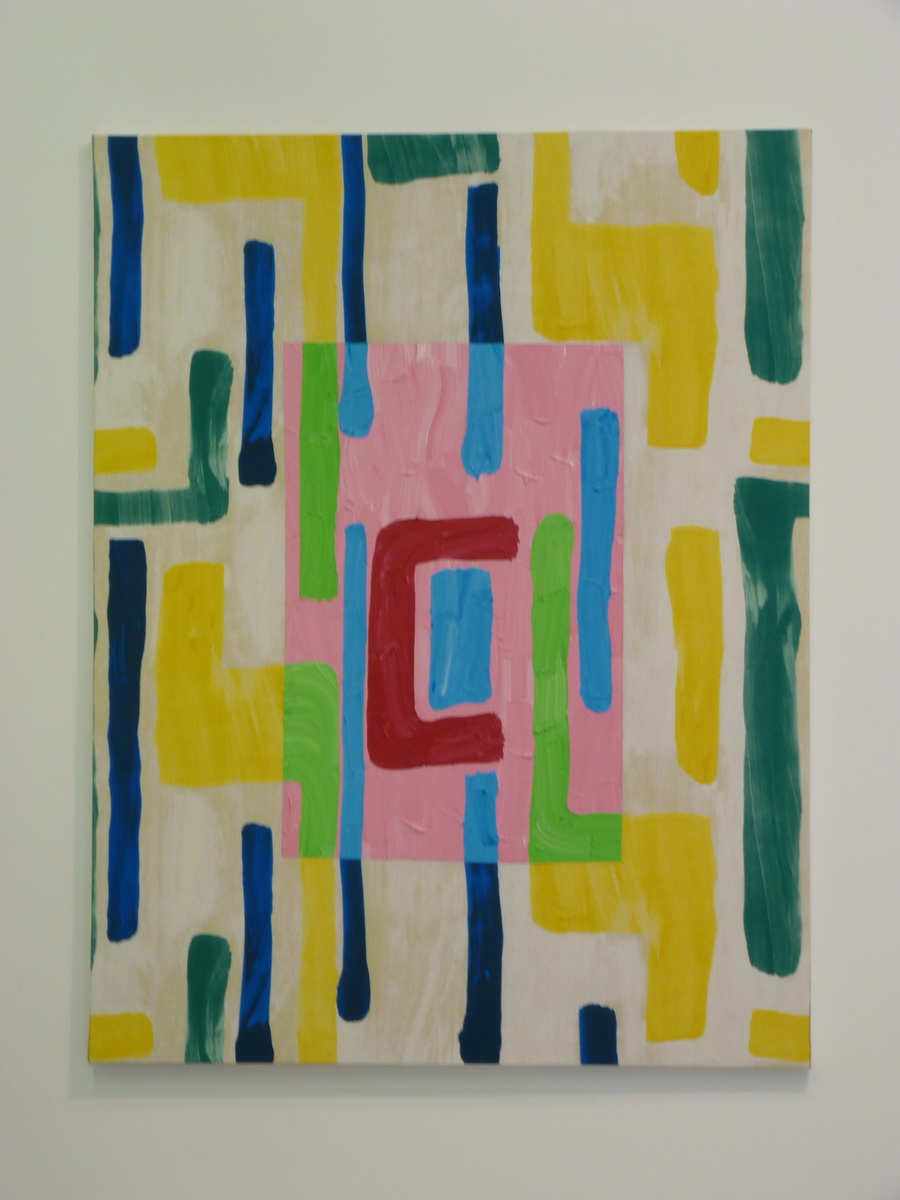
nobili no-3 2018 180x139cm acrylic paint on canvas
Text/Photos by Chen Chi-Hsiang Time: April 18–May 25 Location: Kamel Mennour Gallery Bertrand Lavier (born 1949) is one of the most important inheritors of Duchamp today.
He constructs exhibitions through appropriation, transformation, and combination, manipulating the possibilities of various object-language symbols.
His most representative works involve overlapping and combining two objects: such as a refrigerator placed on a safe, or bright red lips-shaped sofa cushions on a freezer.
Or perhaps his most representative approach is appropriating Van Gogh’s emotional and turbulent brushstrokes for his own use.
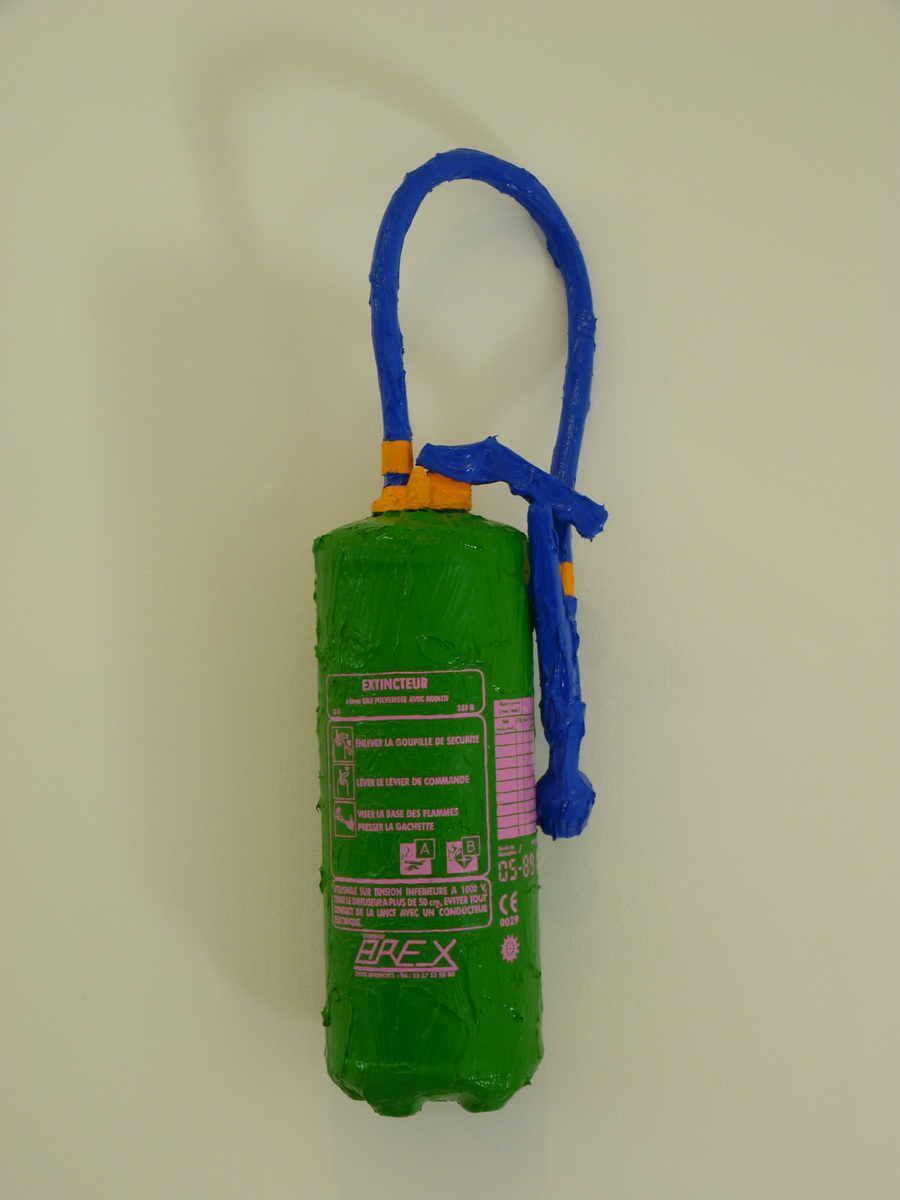
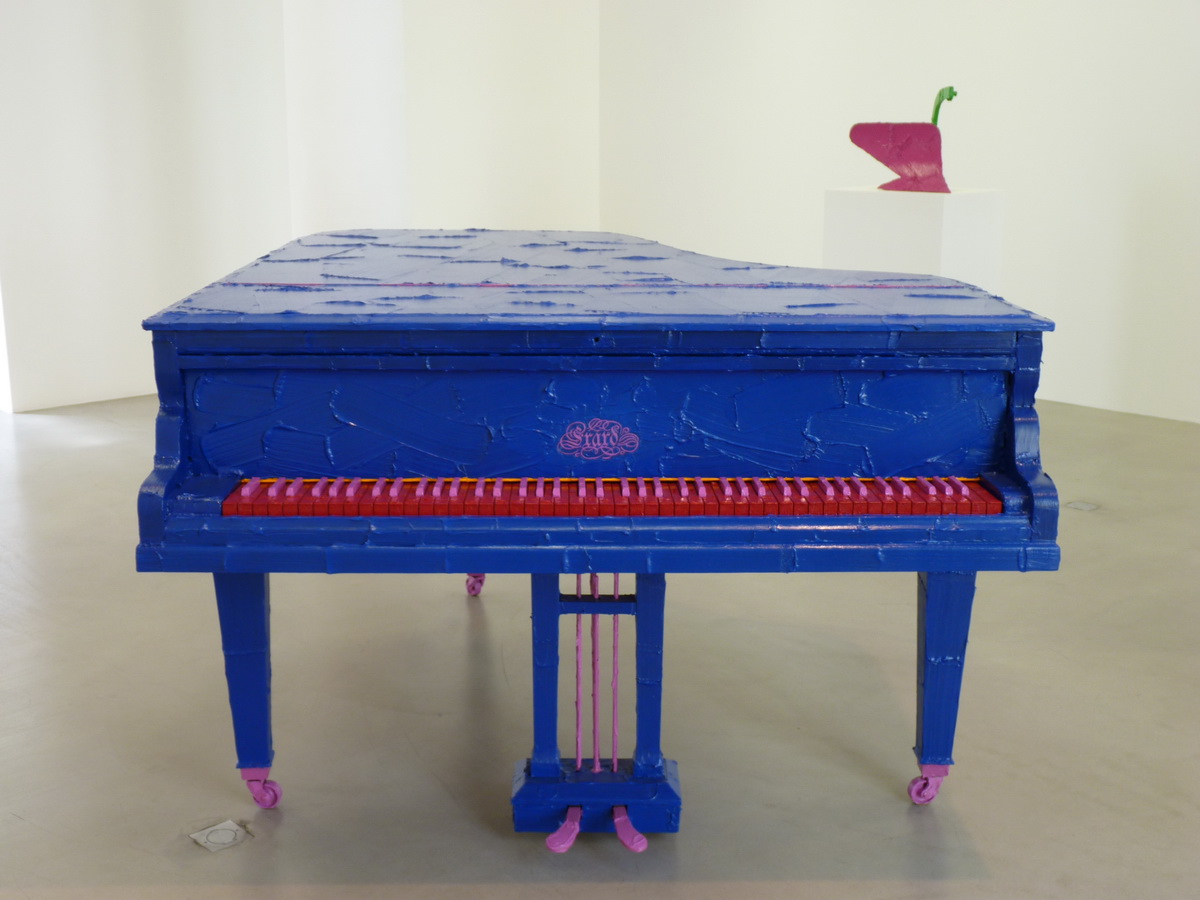
In appropriating all kinds of objects (iron cabinets, pianos, tables and chairs, refrigerators, aluminum ladders, fire hydrants, traffic signs, books, even mirrors), he applies a layer of homogeneous, thick, emotional, and rugged brushstroke color based on the material's hue.
This simulates the object itself through painting, placing it between a model and its representation, extending Duchamp’s view of the painter: "Actually, it is a readymade when he paints an object manufactured under the name of color." (Note 1) How does one "paint"? Why paint?
What to paint? On what support? Walls, wood panels, canvases, paper, stones, objects, etc. Does one mimic reality in the same manner, or express directly? Is painting a craft, an action, an attitude, or a concept? All are possible, with artists attempting to explore each.
Lavier chooses to paint directly onto objects, using the object's color (with Van Gogh’s brushstrokes) as makeup (i.e., dressing the object in the same clothes). Does this simulate reality, or is it reality itself?
When a readymade is painted (or made up), is it a reproduction of the object? With the object's charter changed, is it art or a readymade?
In this new work exhibition, Bertrand Lavier deepens the latent consciousness of "makeup objects," making objects more mysterious and subtle, awakening sleeping objects, releasing their imaginative space, and recalling the vitality of color, becoming color fields or geometric abstraction.
The "Arard Triangular Piano" features Prussian blue as the main tone, with purple keys and red discs; amidst the colorful palette, one hears the light musical rhythm of the piano, playing out a lyrical blue movement.
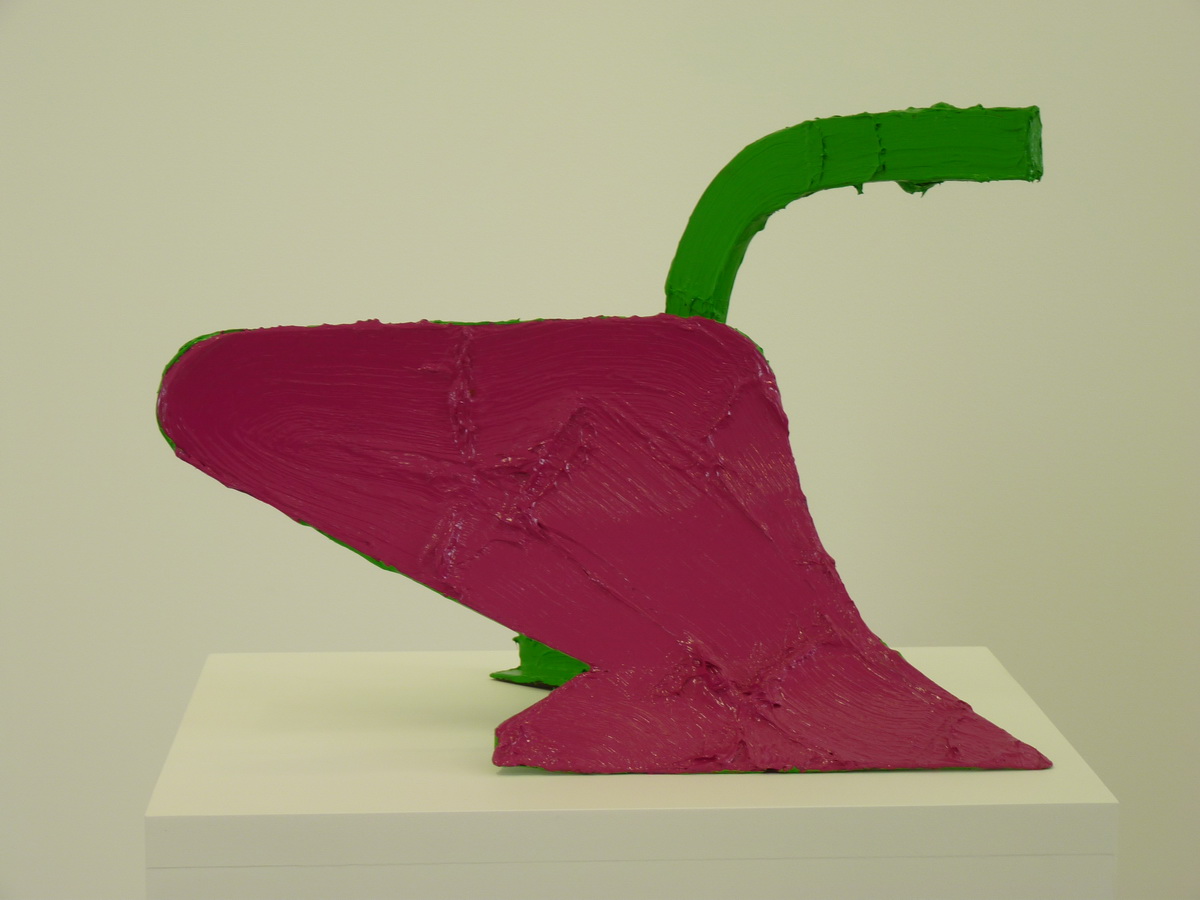
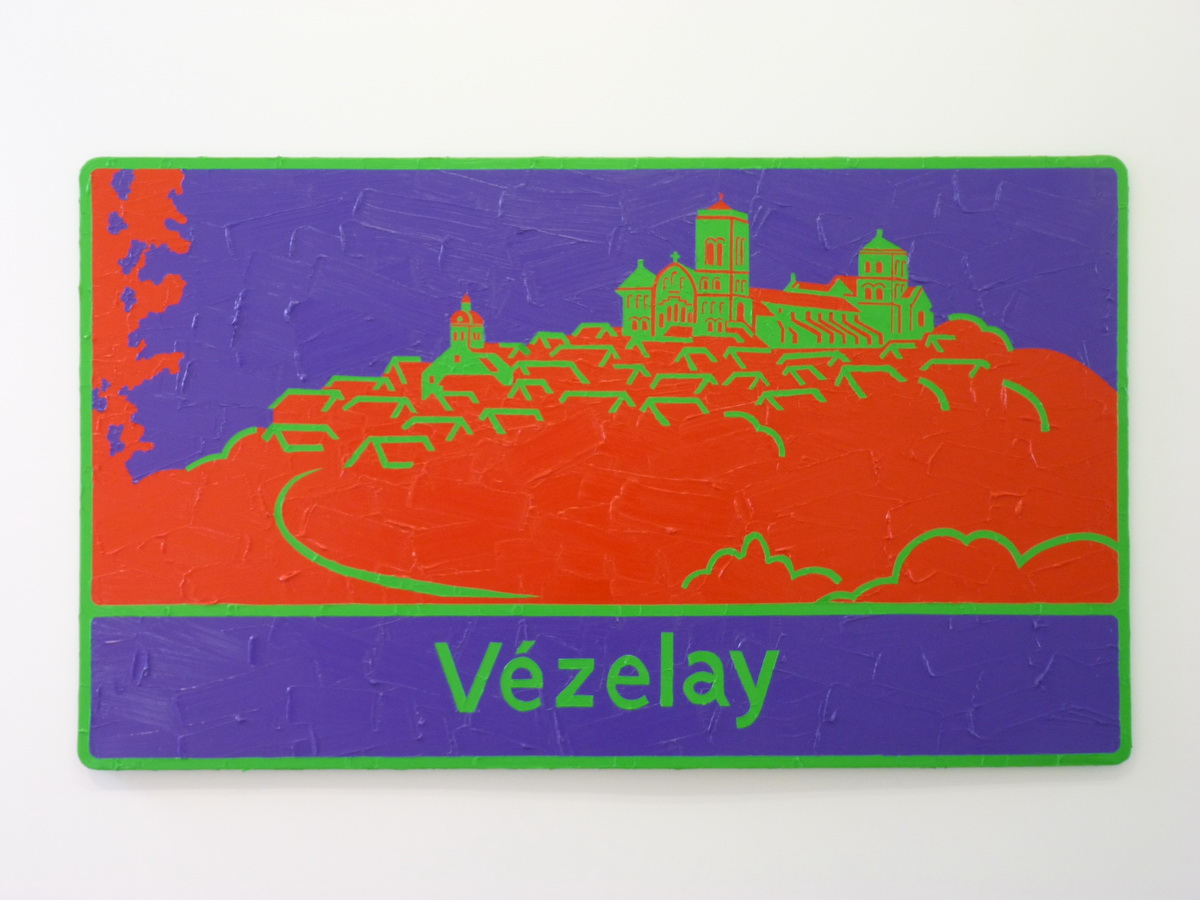
There is the volumetric vertical color field raspberry red of the "John Deere Plow" with emerald green supports, and the green, light blue pipes, and earthy yellow chains of the "Arex Fire Hydrant." The picturesque "Vezelay Urban Traffic Sign" presents brown, blue, and green as a tricolor sonata, existing between reality and imagination, figuration and abstraction, and imagery.
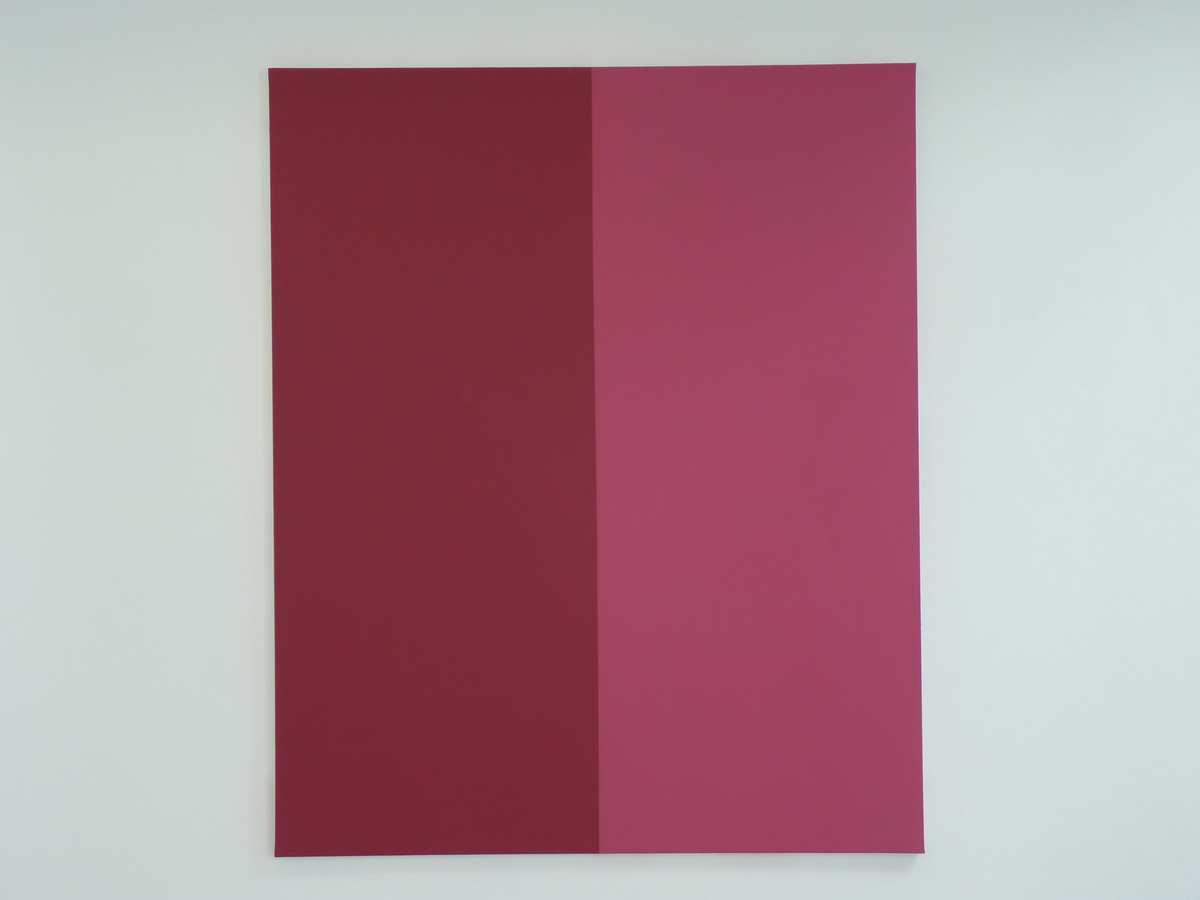
The blue "Artengo Table Tennis Ball" divides into geometric symmetrical lines, becoming geometric abstraction. Composed of "Tollens Raspberry Red" and "Valenti Raspberry Red," it creates a color field abstraction full of warmth and temperature.
The organic symbolization of the "Nobility Carbon-Zinc Battery" is full of lyrical imagery.
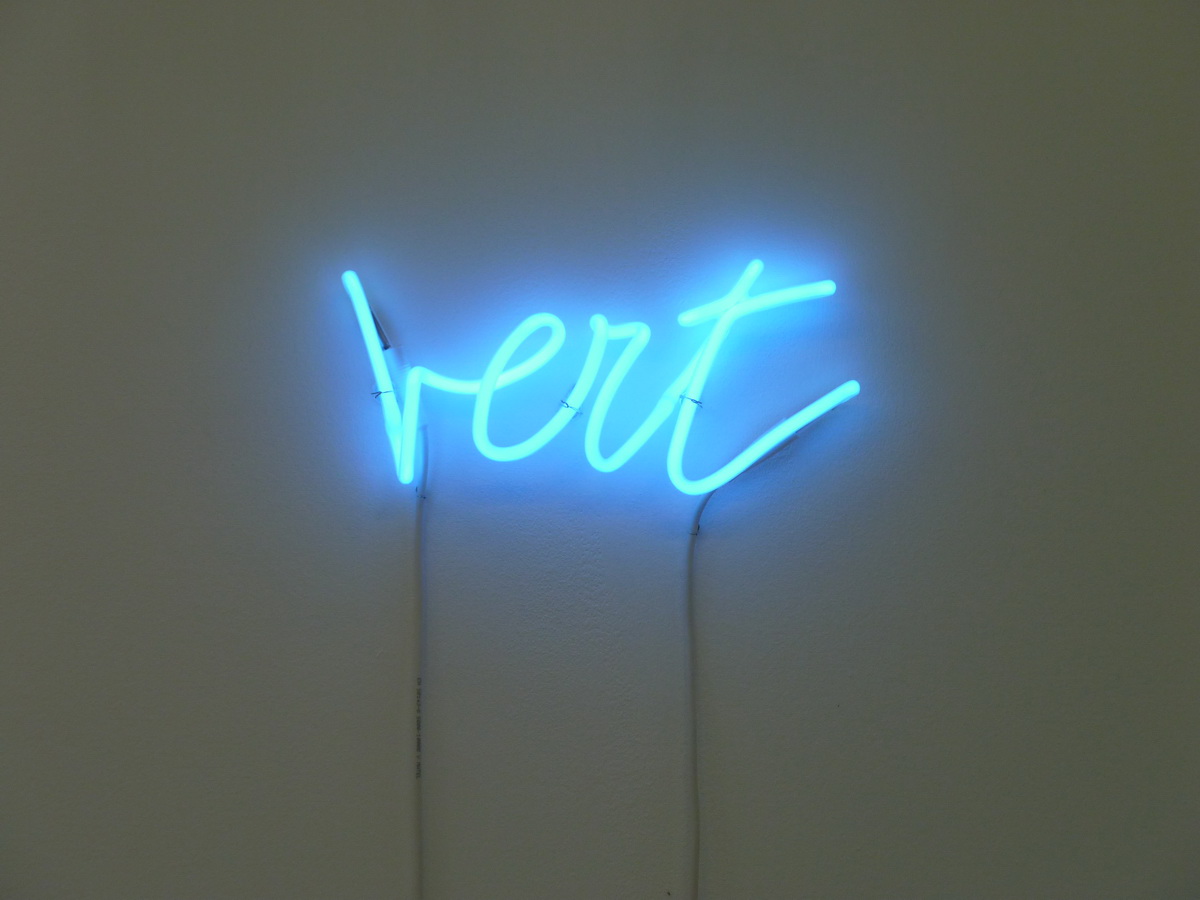
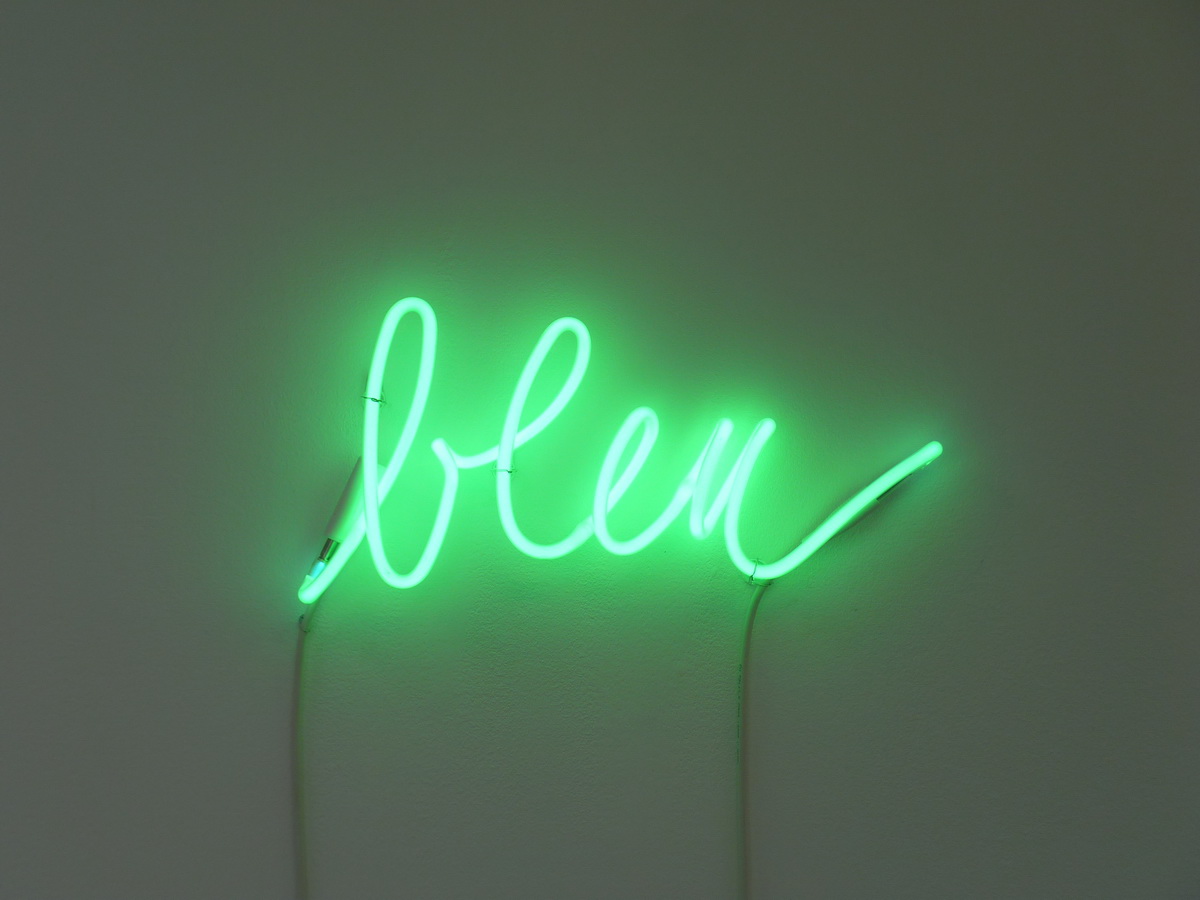
A set of sharp dialectical green, red, and blue neon light series: the artist deliberately names the green neon proposition "blue," and the blue proposition "green," creating a new interference under abnormal or even contradictory concepts.
How paradoxical is the distance between the title and the actuality? Should one believe the text or believe what one sees?
In 1935, psychologist John Ridley Stroop explained: "Physically, reading is completed in the occipital-parietal region of the brain, while the facts of names and colors utilize the frontal lobes, following a temporal reaction, which is still emphasized by the visual impact of the neon lights." (Note 2) Bertrand Lavier achieves his art under the guidance of concepts with French delicate thinking.
Art does not seem as difficult as people imagine; he is so clever and flexible, deducing the realms of objects and colors, constantly expanding people's visual fields and imaginative spaces, filling real life with vigor and vitality.
Because life and art are not just two sides of the same coin, but the interface of all thought. Life creates art, and art enriches existence, doesn't it?
Artist statement: "One of his most important and basic principles is that he does not want to become a prisoner of any aesthetics." (Note 3) Notes 1–3 from the press release for Kamel Mennour Gallery's Bertrand Lavier New Works Solo Exhibition