Blair Thurman
Blair Thurman–Alrealdy Abstraction solo exhibition panorama
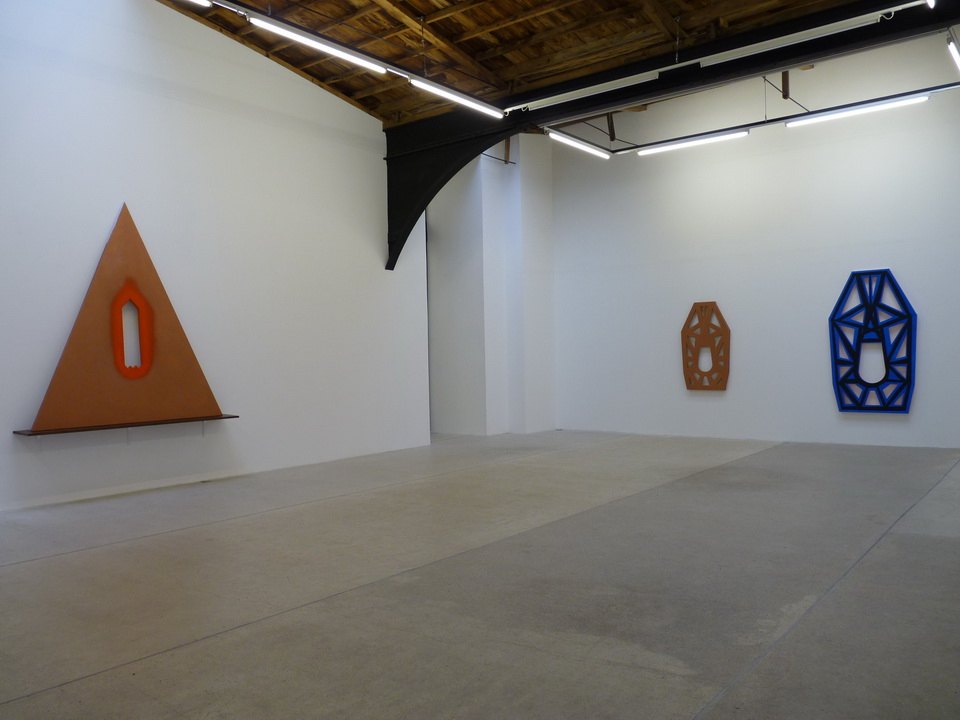
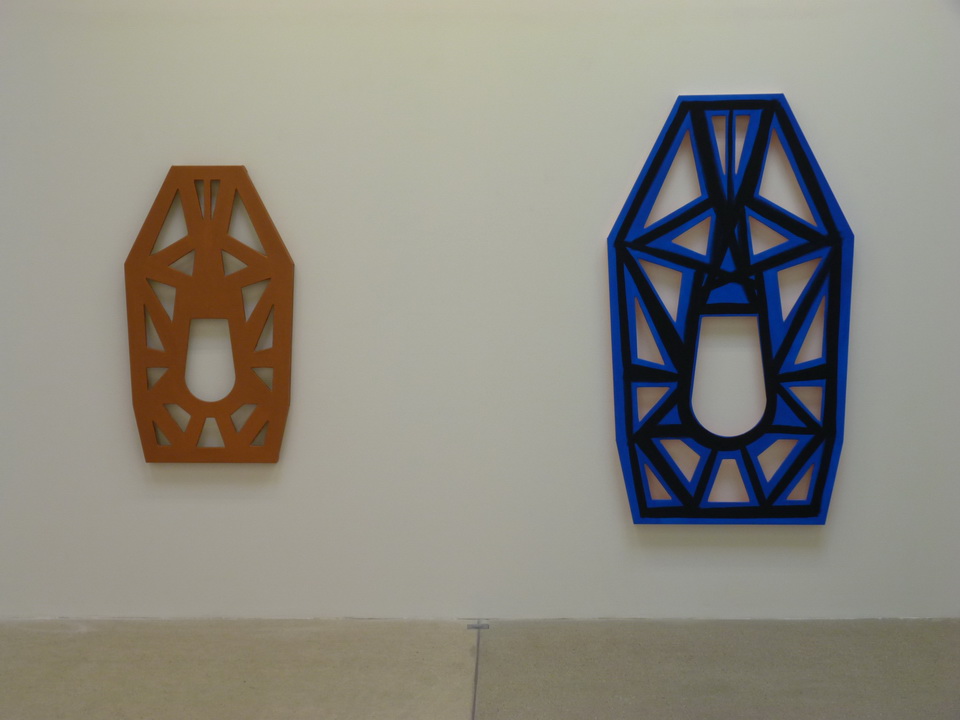
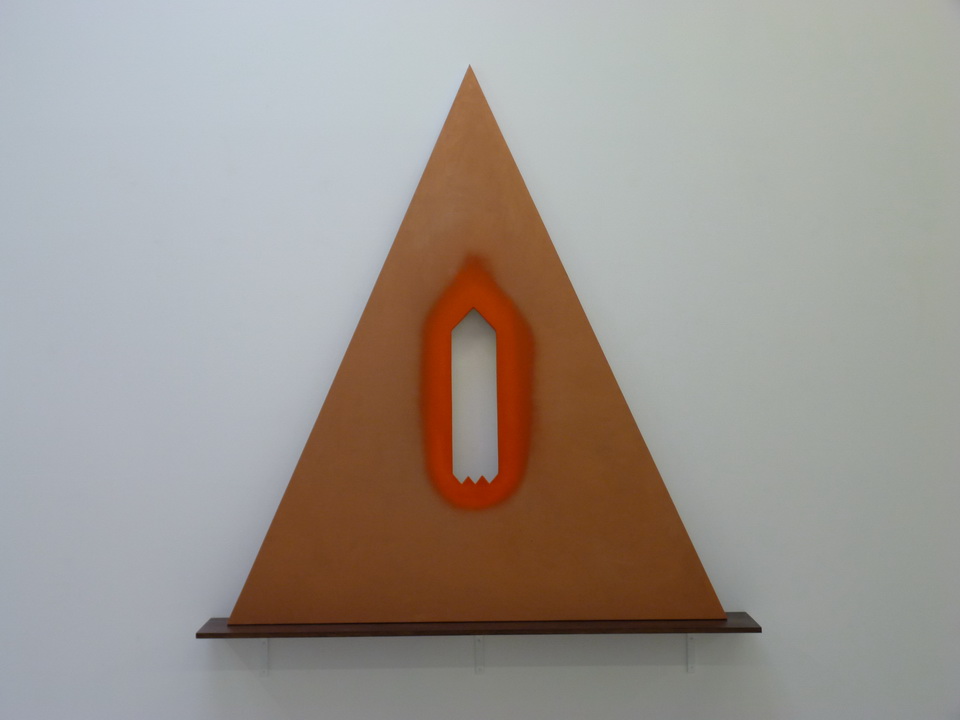
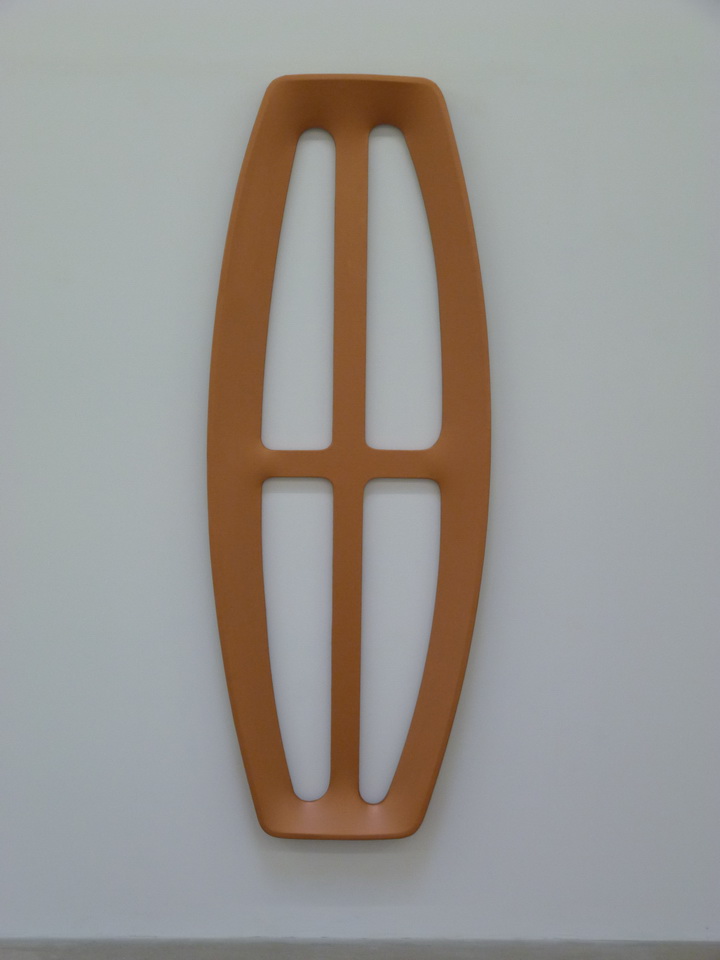
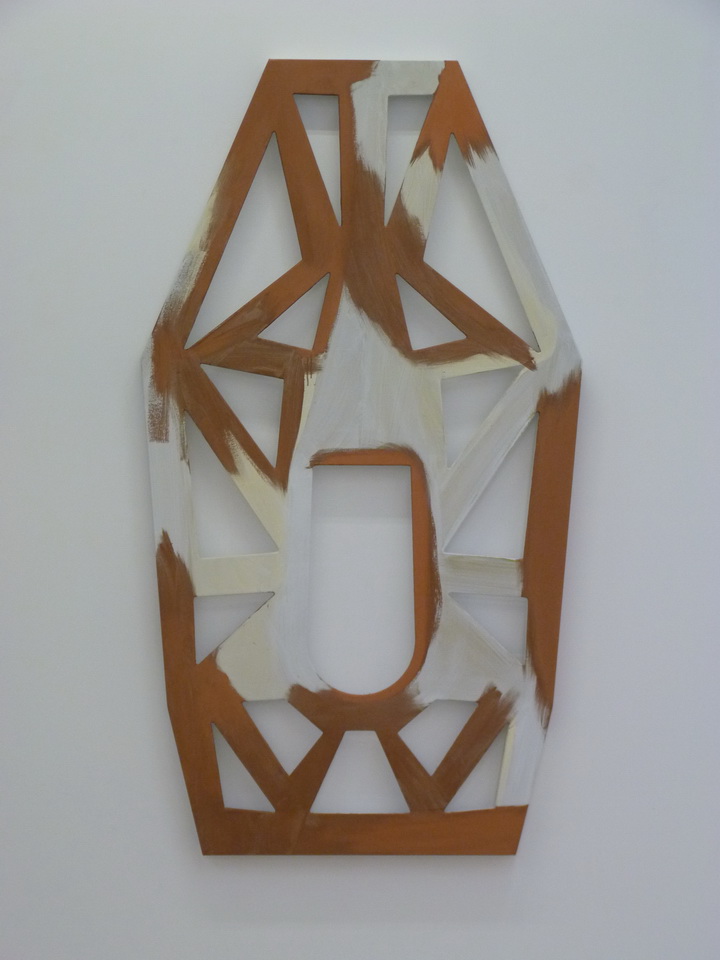
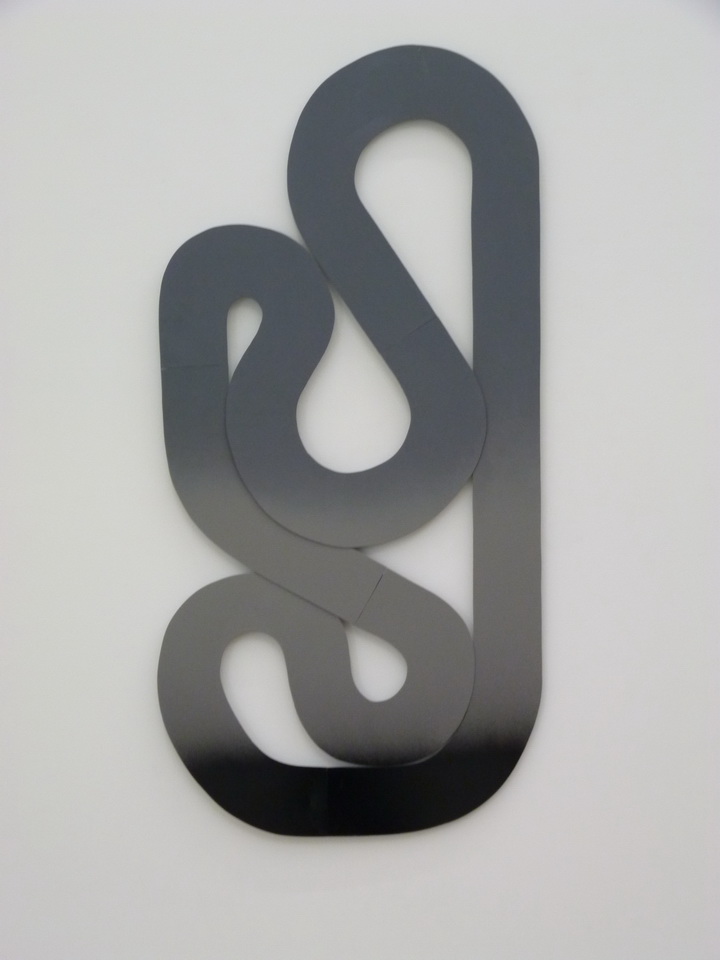
Text and photos by Chen Chi-Hsiang. Venue: Frank Elbaz Gallery. Dates: October 23 to November 22.
Contemporary European art shows a particular trend, especially in the exploration of geometric abstraction or abstract geometry, continuing to delve into and cross over color-field abstraction and minimalism. Two regions stand out as most striking, with Germany’s lineup being the most representative, particularly artists from Düsseldorf such as Imi Knoebel, Gunther Forg, and Günter Umberg, who carry forward the tradition. Another strong force comes from Switzerland, especially the Geneva school: starting with veteran Olivier Mosset in the 1970s, followed by postmodernists John Armleder, Francis Baudevin, Philippe Decrauzat, and Blair Thurman, among others. They incorporate external elements (such as readymades or others), constructing reality as an image, aiming to expand the scope of contemporary abstract art. Critic Parrino calls this “deformalisme” (deformationism), spanning readymades and abstract geometry, making abstract geometry more divergent and less pure; postmodern and subsequent geometric abstraction becomes a hybrid. Another critic, Vincent Pecoil, wrote: “Citing this theme of ‘found abstraction’ must be situated within the context of appropriationism dominant in the 1980s, smoothly offsetting the distance between figurative and abstract” (Note 1).
Blair Thurman has always opened up the symbolic and painterly realm of abstraction through sensibility. His works often carry two sensations, transforming forms and dual structures (inner and outer, virtual and real) between illusion and reality, merging the work and the object into one. He autonomously liberates formalism, affirming mixed anti-purity after postmodernism, doubly incorporating a formal index in both art and reality, creating an abstraction that connects to reality, an abstraction of contingency. His paintings are determined by inner frames and canvas forms; the painting serves as a support for objects and forms, sometimes taking shape according to the posture of the support.
Another striking duality comes from the themes of the works, such as Mr. Lincoln, Kaliko Kut Black, Mrs Pinky-Winky, etc. Blair Thurman humorously and playfully personifies abstract paintings, intending to fit their images into the world surrounding us. Interpreted freely, they point out two contradictory and opposing aspects, opening up a sense of divergent plurality, clearly allowing the work to intersect with reality. Between symbolism and painterliness, abstraction and figuration, painting and sculpture, art and reality, form and image, painting and object, he constructs his realistic abstract art.
Note 1: Blair Thurman–Alrealdy Abstraction solo exhibition press release, Frank Elbaz Gallery, 2014-10.