A Return to Chantilly Castle and Park (Chateau de Chantilly)
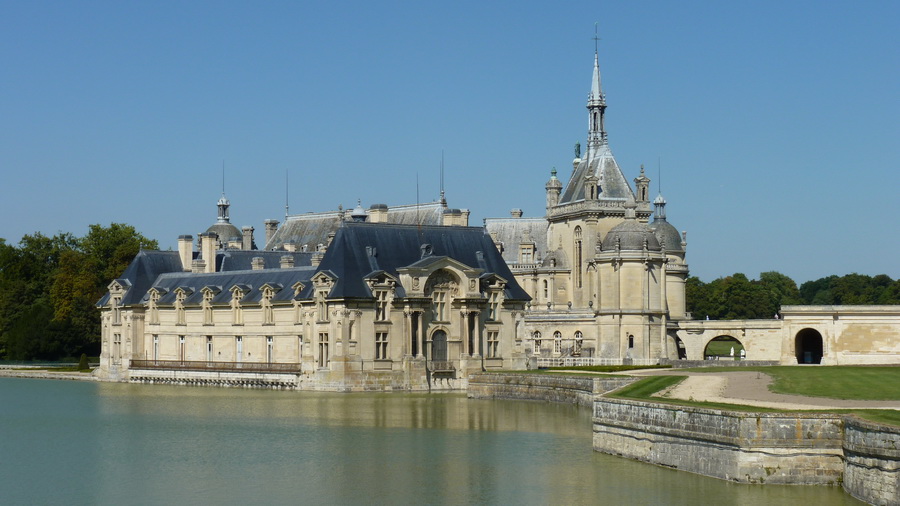
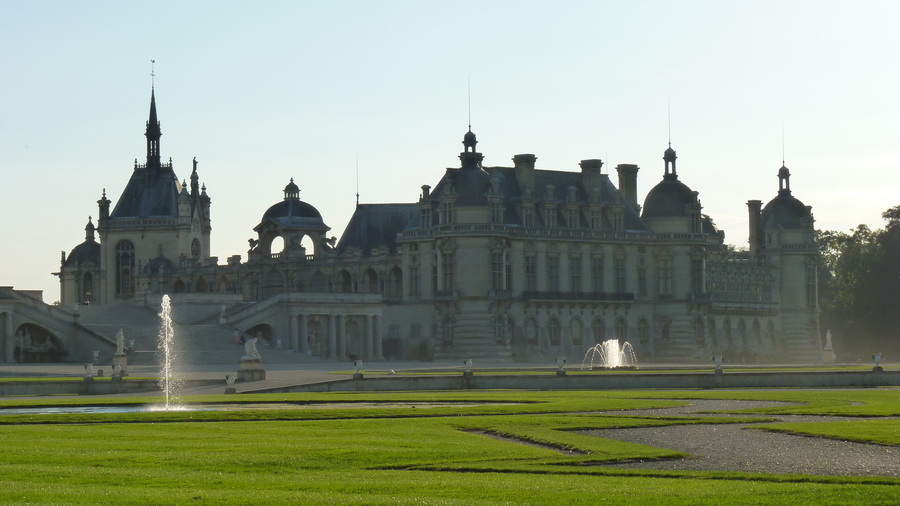
Chantilly Castle nestled among its moat lakes
Text and photos by Chen Chi-Hsiang. When friends come from afar, especially those visiting Paris for the first time as pilgrims, they are curious about this city of art and flowers. As an old Parisian, I am naturally familiar with its sights and charming landscapes. For an artist who loves art, Paris’s museums and galleries are like my own kitchen; I even call myself a "Paris explorer," treating the city as a major theme of exploration. Whether in Paris or Greater Paris, I move freely, with curiosity unchanged after thirty years. It is common that many attractions are revisited only when friends arrive. Walking with a beginner’s mind remains delightful; Paris’s beauty seems eternal.
Master Chen Qigong and his wife visited Paris for the first time. His wife longed to see the French countryside’s pastoral landscapes and hoped to glimpse their true face. We specially arranged a trip to Chantilly Castle and Park, located over an hour’s drive from Paris. I have visited this castle and garden multiple times, always immersed in humanistic and natural beauty, feeling both pleased and satisfied. This time, blessed to accompany Master Chen and his wife, I again guided distant friends to visit the refreshing Chantilly. Offering this unique French beauty as a gift of friendship is unforgettable.
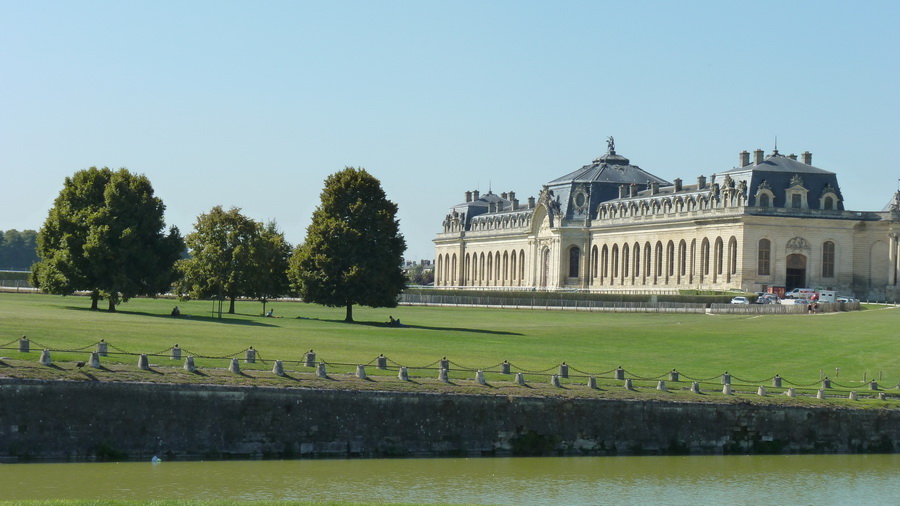
The trip to Chantilly was led by our enthusiastic French friend Mimi, driving us through the natural scenery of Greater Paris’s suburbs. Passing rolling farm fields and the lush Chantilly Forest, we arrived at the exquisite and elegant (Renaissance style) Chantilly Castle, the most perfect and enchanting castle near the flower city of Paris. Its collection ranks second only to the Louvre Museum, earning it the nickname "Little Louvre." It houses masterpieces and artifacts by Western masters (such as Raphael, Botticelli, Poussin, and Ingres), as well as unique medieval book illustrations and enamel paintings. A magnificent and rich gallery of arts, truly fascinating.
The outstanding and exquisite Chantilly Castle is famous for its distinctive, elegant water-mirror gardens, considered the most original masterpiece in French gardening. It is André Le Nôtre’s most satisfactory work, praised even by King Louis XIV, the Sun King. The elegant castle was built in 1560 by Anne de Montmorency, the Great Constable, inviting the renowned architect Jean Bullant. The innovative gardens were planned by Le Nôtre, the King’s gardener, during the renovation of the castle by the Grand Condé (Charlotte de Montmorency) in 1662. It became the most admired garden in France at the time, attracting all major literary figures of the seventeenth century, such as Molière, Racine, La Fontaine, and Madame de Sévigné, to visit the castle and gardens.
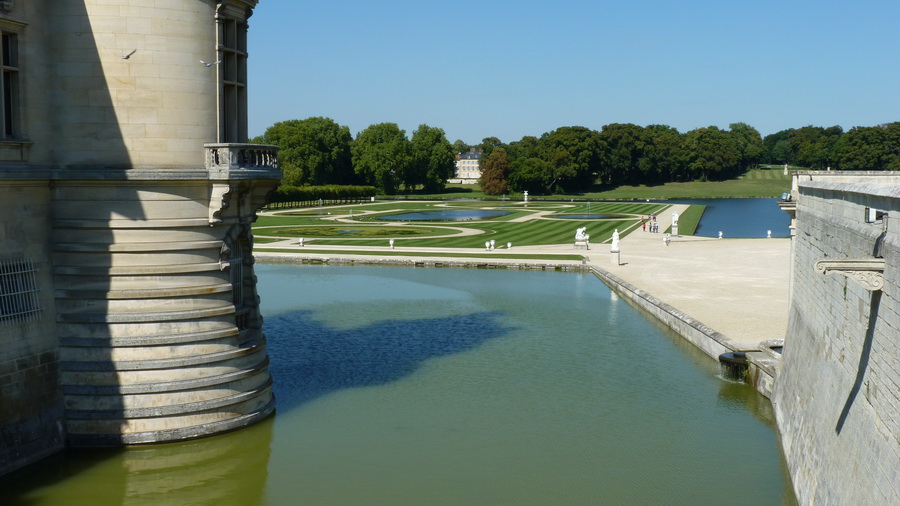
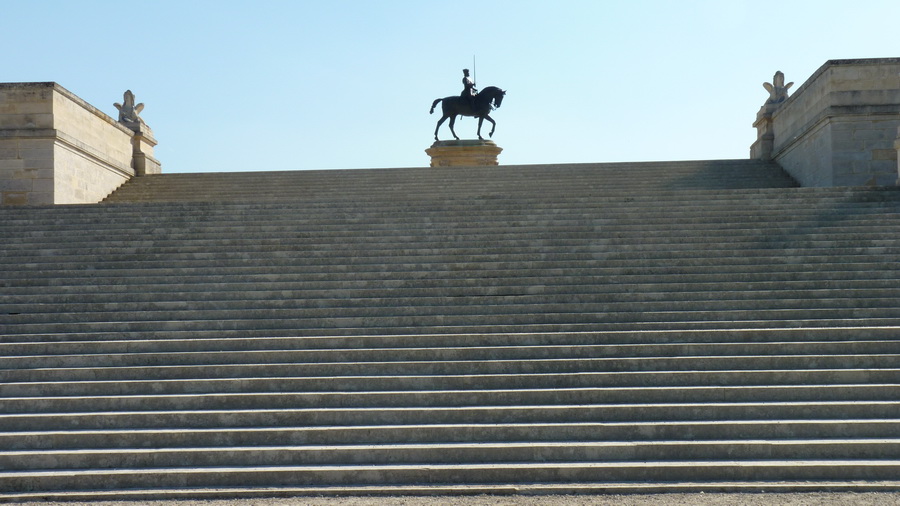
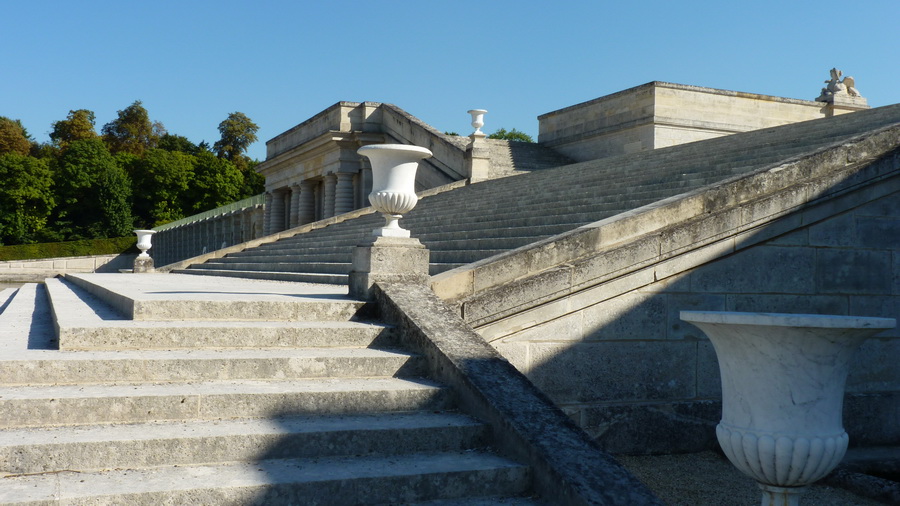
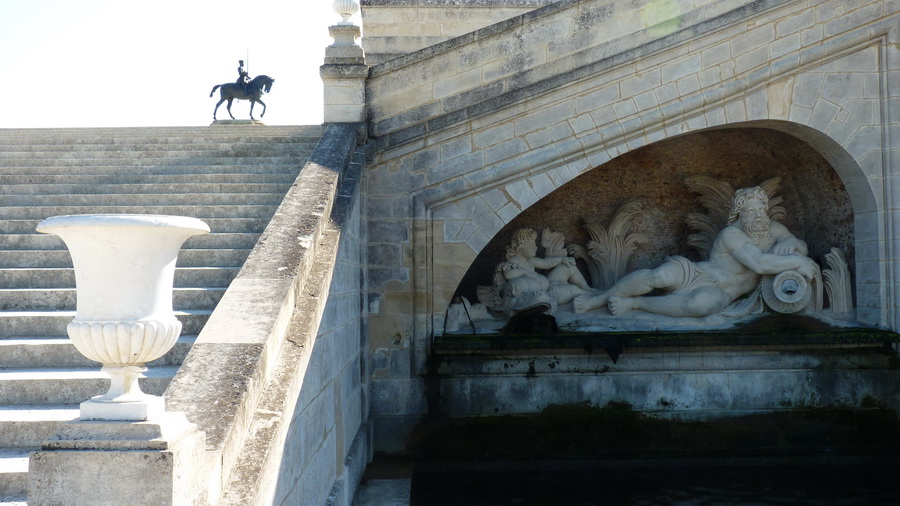
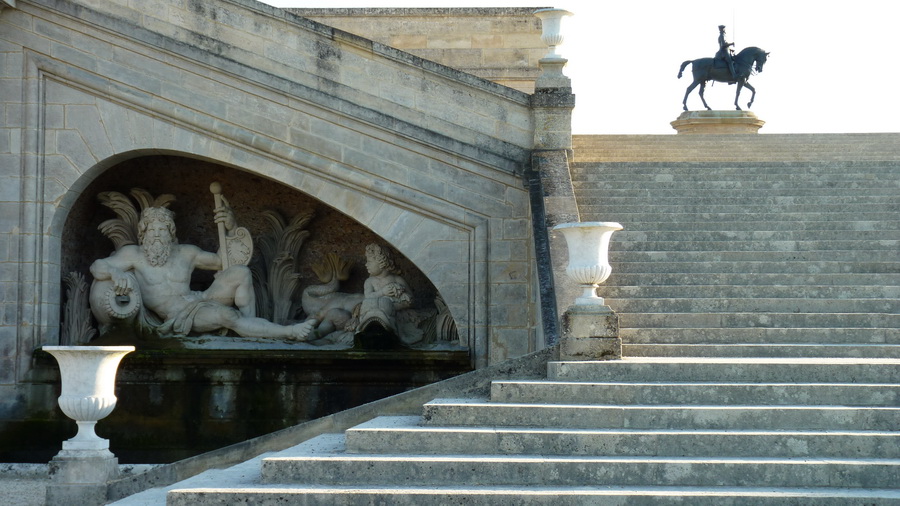
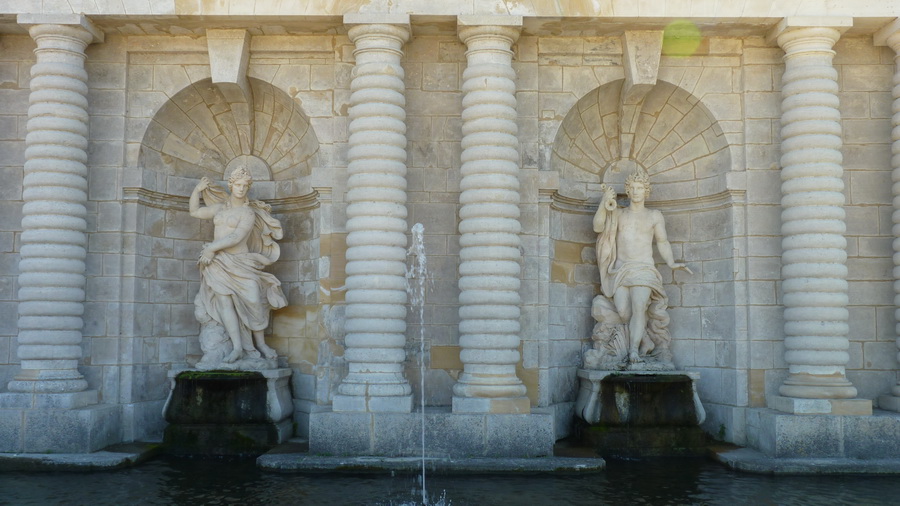
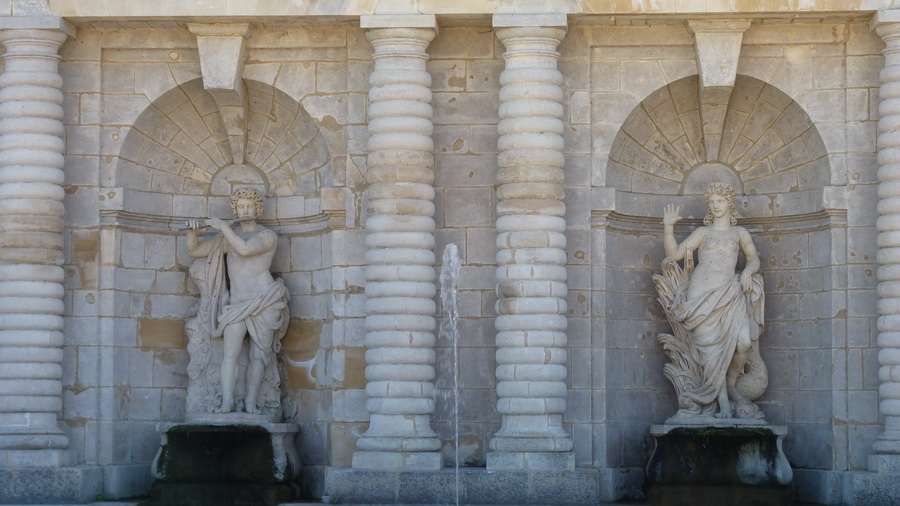
Usually, French gardens revolve around the castle as the axis, with the garden serving as the castle’s backdrop. However, the relationship between Chantilly Castle and its gardens is reversed. The castle is surrounded by the shimmering moat, positioned diagonally to the garden. Instead, the spectacular monumental grand staircase serves as the main carrier of the brilliant garden. Within the excellent and perfectly rigorous symmetrical architectural structure, two murmuring rock-wall fountains flow on either side of the grand staircase, which is filled with musical rhythm. Inside the niches are ancient Roman statues full of allegory, similar in effect to the stairway rock walls of the Vaux-le-Vicomte garden.
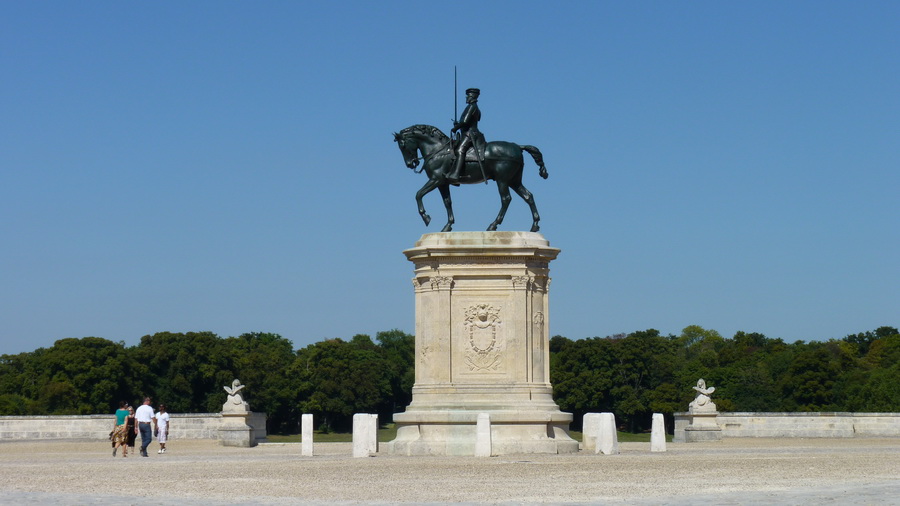
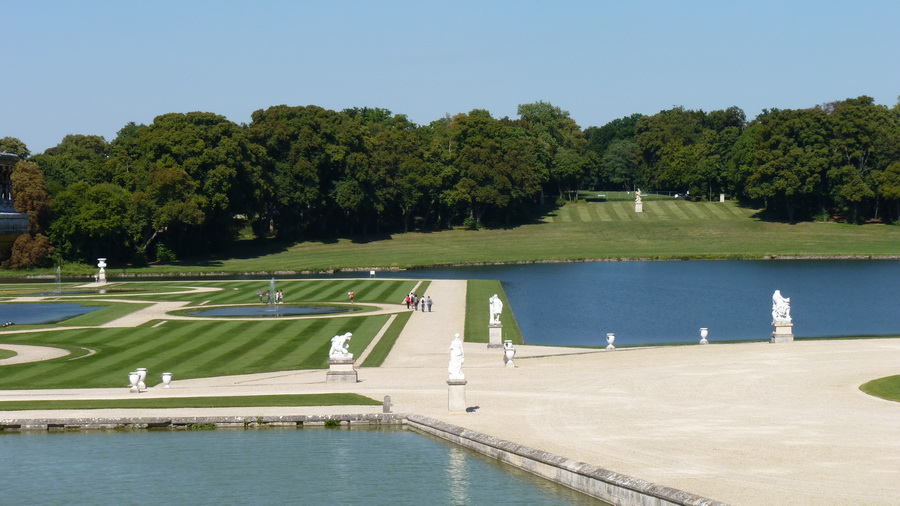
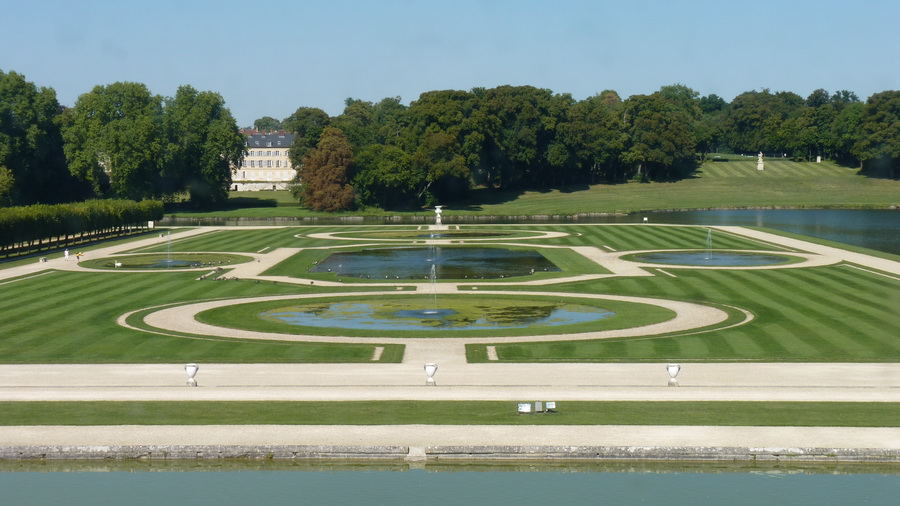
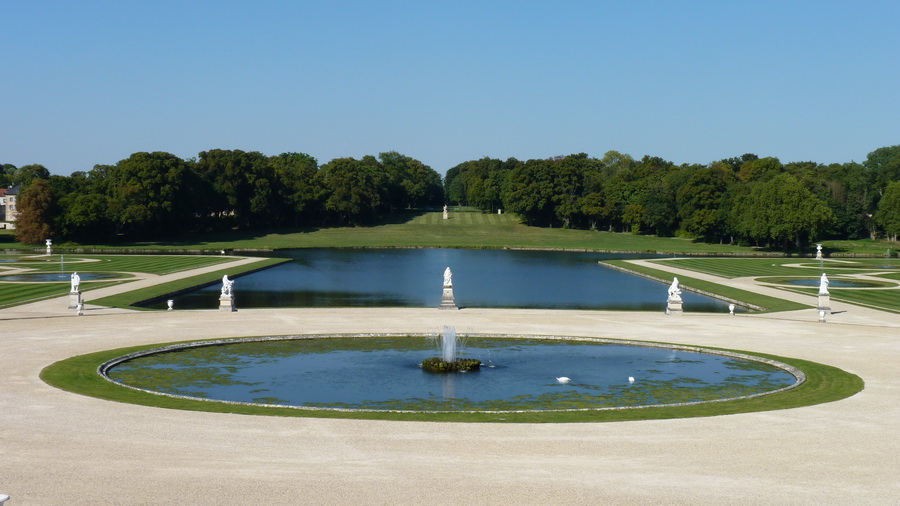
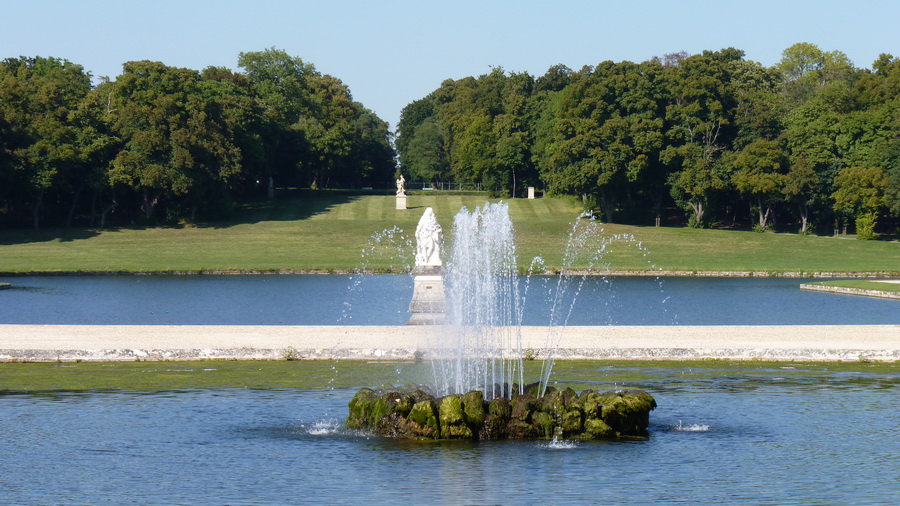
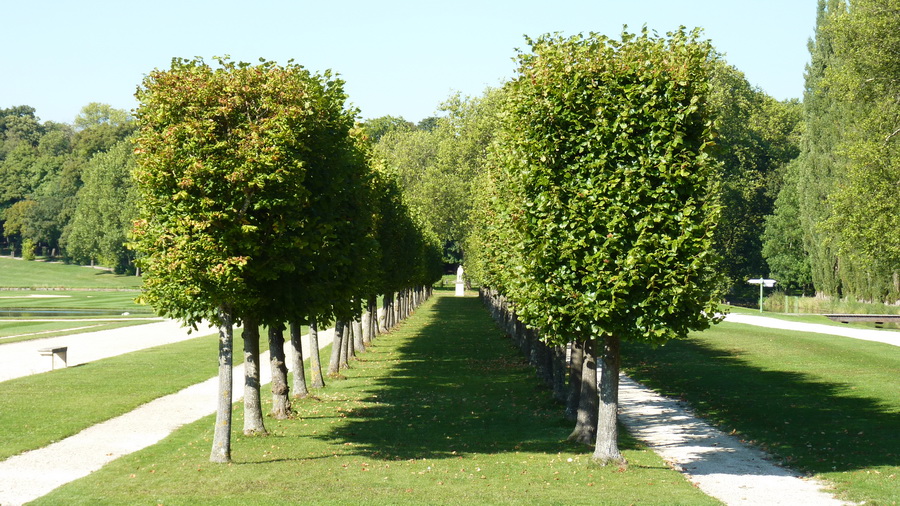
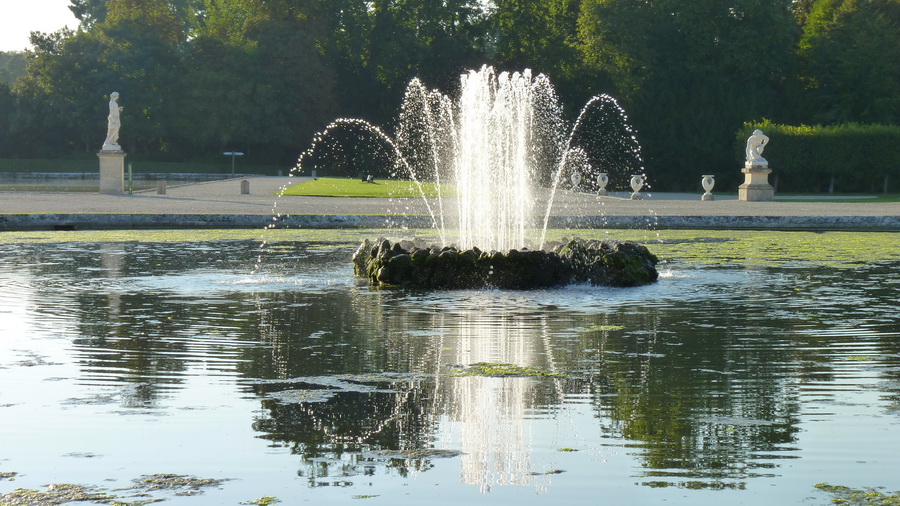
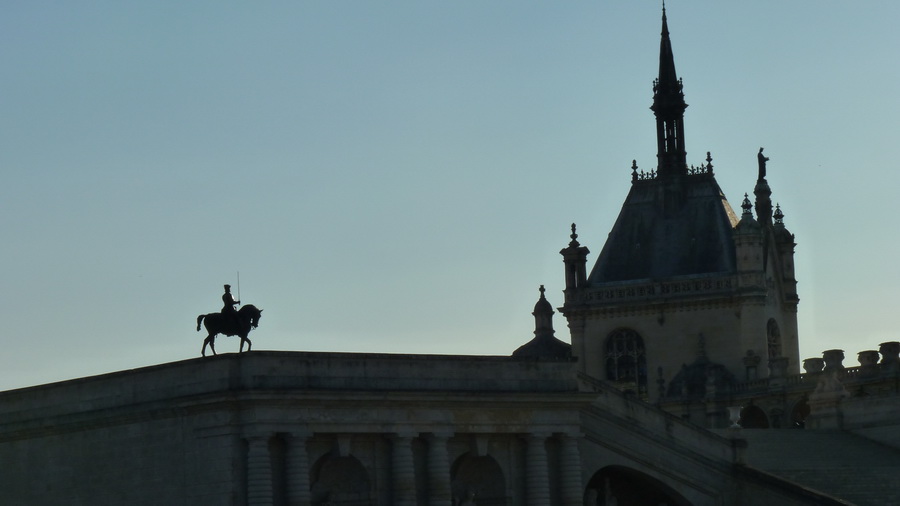
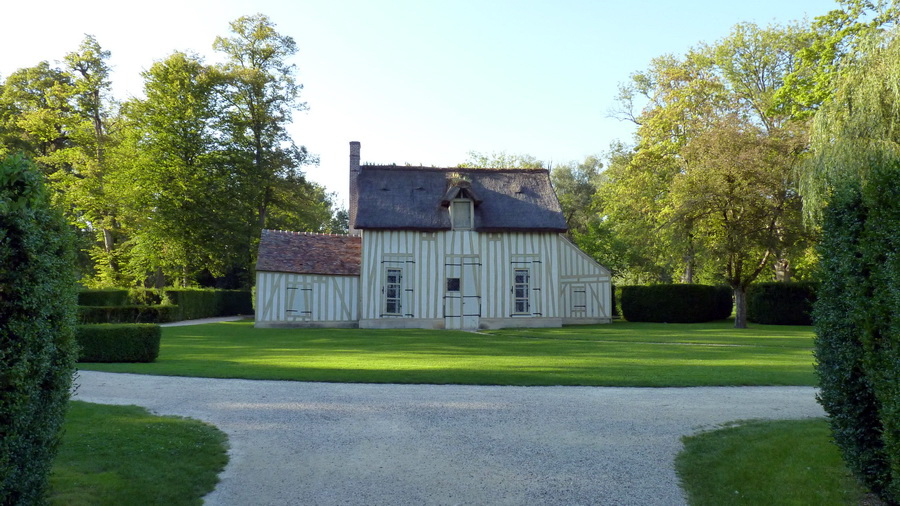
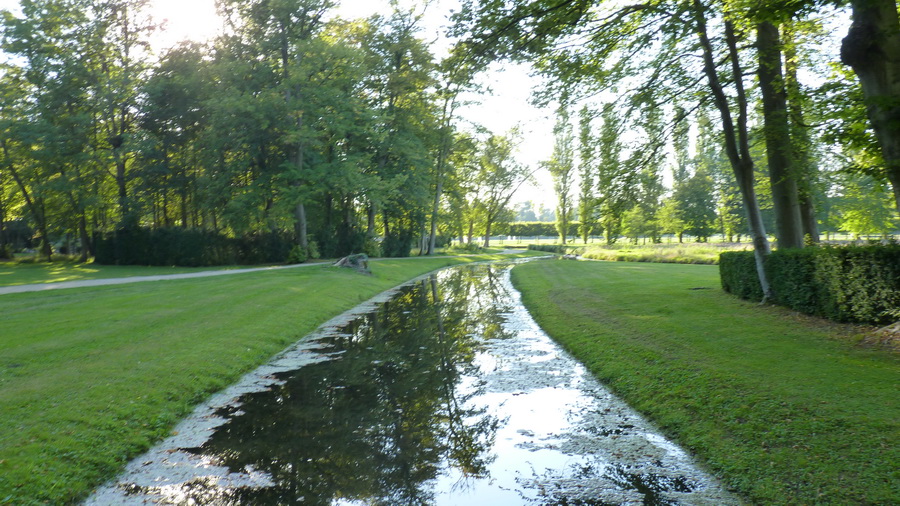
The open space directly ahead stretches boundlessly, crossing the large circular water mirror and canal until disappearing into the dense, verdant forest. The green landscape is quite flat, lacking three-dimensionality, consisting instead of vast, watery mirrors centered on the large canal handle. In front stands a particularly large circular fountain mirror, reflecting the blue sky, white clouds, the spectacular grand staircase, and the statue of the Great Constable, rich in poetry and full of illusory space. On the left and right sides of the canal handle, within the most rigorous and perfect symmetry, lie a series of combined shapes centered on octagonal rectangular water-mirror fountains. Each has an oval, murmuring small fountain front, back, left, and right, delicate and outstanding, poetically framed within the lush green lawns, full of vitality and captivating. The area before the canal handle is decorated with a series of celebrity statues and elegant, finely carved large flower pots. The poetic and picturesque large water-mirror garden is framed between two rows of old plane tree avenues, breathtaking and inspiring. Thus, the shimmering large water-mirror garden is Le Nôtre’s surviving masterpiece, vibrant and perfect in its multi-layered spatial layout and variable lighting. Inside the castle’s moat lies an exquisite large birdcage-patterned flower bed. Behind the castle now lies a lush English garden, where remnants of French gardens can still be seen. To the left of the large water-mirror garden is a dense forest pierced by three radial avenues, intersected by five vertical paths, along with plum-blossom-shaped curved paths. A charming small chapel (built in 1535) stands here. At the top of the avenue, near the pond, a pavilion (built in the seventeenth century) resembles Versailles’ Trianon. Walking among them, in the dense, shaded forest, one finds fountains, statues, and flower pots, often bringing the surprise of "willows darkening, flowers brightening."