A Stroll Through the Château de Loches Royal Citadel
(Photo) The orderly little town of Loches developed around the massive walls of the great medieval castle.
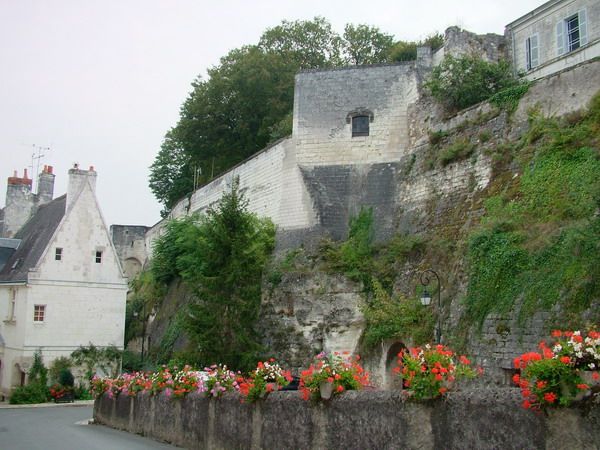
(Photo) The orderly little town of Loches developed around the massive walls of the great medieval castle.
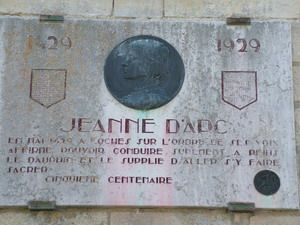
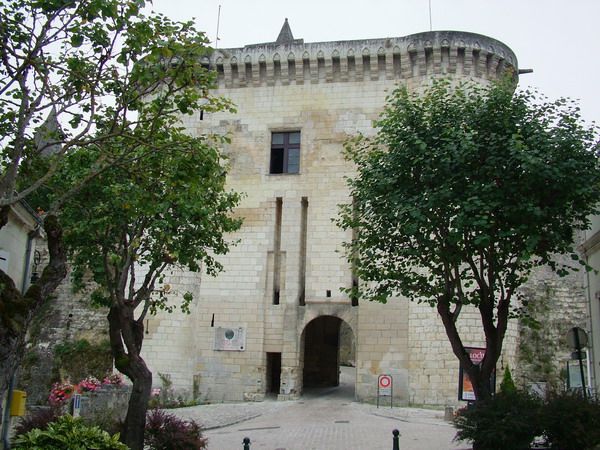
(Photo 1) Joan of Arc 500th anniversary memorial plaque. (Photo 2) The impregnable royal city gate entrance.
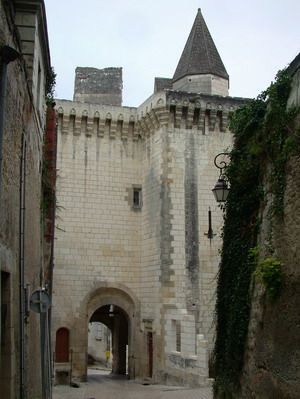
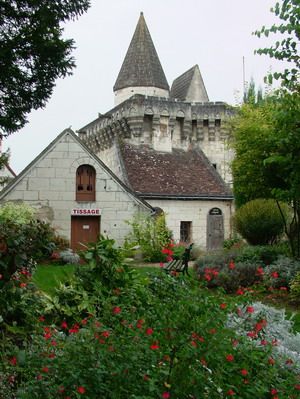
(Left photo) View upon entering the royal city gate. (Right photo) Musée Lansyer (housing works and artifacts of the local 19th-century landscape painter Lansyer).
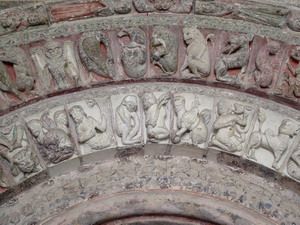
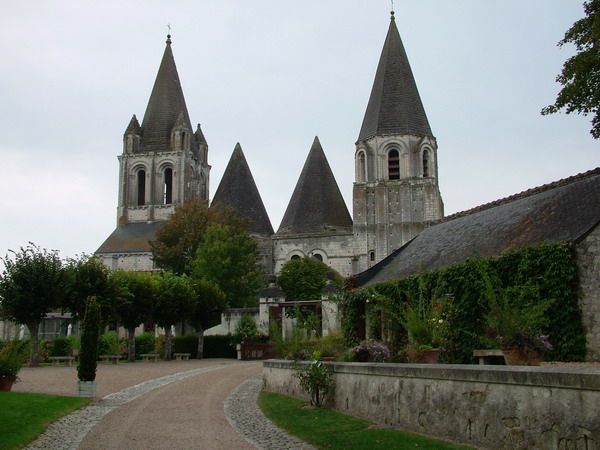
(Top photo) Exquisitely carved reliefs at the cathedral entrance. (Bottom photo) The magnificent St-Ours collegiate church.
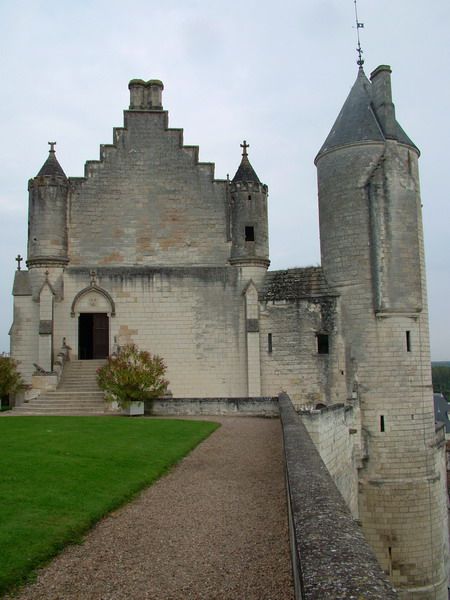
(Photo) Panoramic view of the splendid Château de Charles VII.
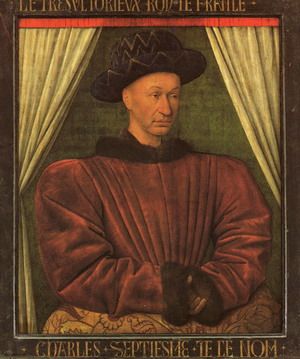
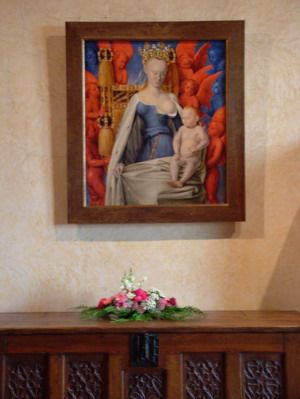
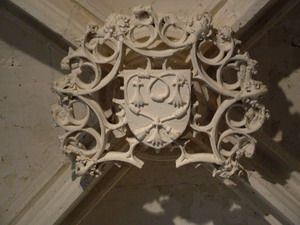
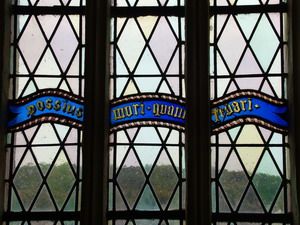
(Photo 1 left) Portrait of Charles VII. (Photo 1 right) "Virgin and Child," a religious painting using the mistress Sorel as model. (Photo 2 left) Queen's emblem in the Anne de Bretagne oratory. (Photo 2 right) Window decoration in the Anne de Bretagne oratory. (Photo 3) "Virgin and Child," a religious painting using the mistress Sorel as model.
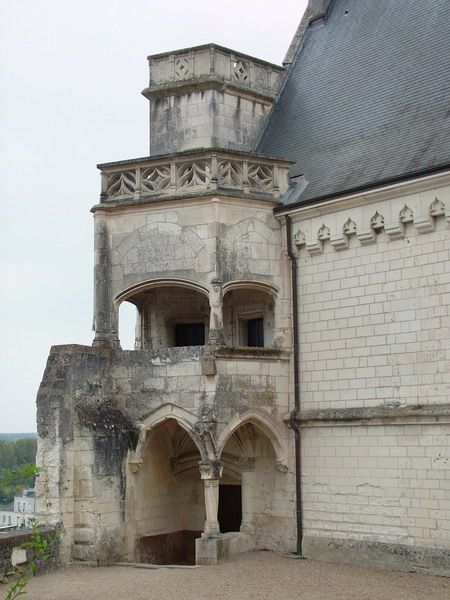
(Photo) A view of the elegant buildings behind the magnificent castle.
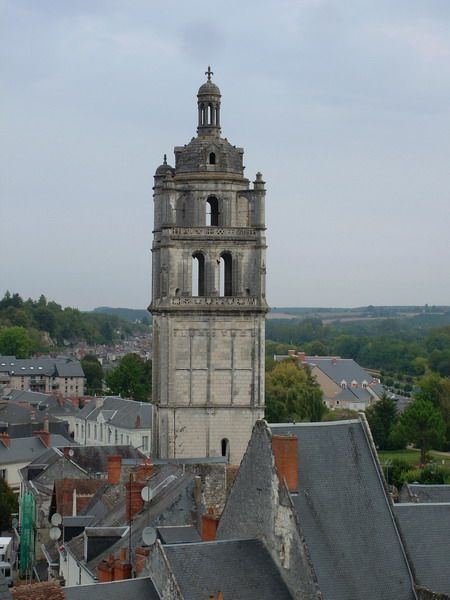
(Photo) The St-Antoine tower (a 16th-century building) viewed from the courtyard.
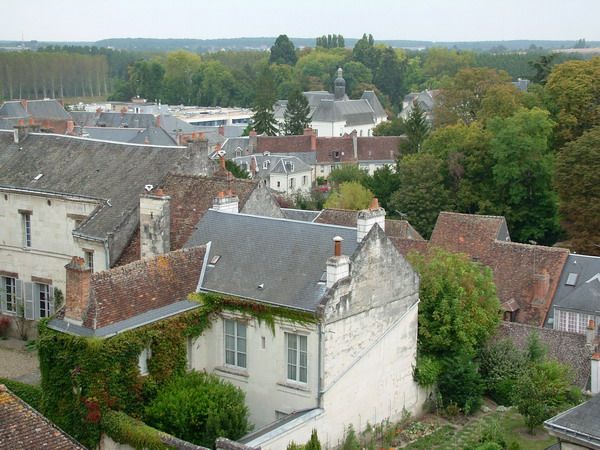
(Photo) View of the town from the castle courtyard overlooking the walls.
Thanks to my uncle H's wedding, I had the opportunity to visit this distinctive royal citadel. The orderly little town of Loches developed around the massive walls of the great medieval castle. The entire town is centered on the castle, and we stayed at a 16th-century heritage building inn at the foot of the castle walls. A folding Renaissance wooden staircase led up to our room on the fourth floor; opening the window, we faced Loches's most Renaissance-style building, the elegant Chancellerie (built under Henri II), on a rather quiet, narrow lane.
Early the next morning after a hearty breakfast, I went alone to explore the castle. Passing through the sole entrance — the royal gate with its solid, impregnable walls — I noticed a plaque on the gate wall commemorating the 500th anniversary of Joan of Arc. The entire medieval citadel sits commanding and enclosed on rocky heights above the Indre River. On the left of the narrow lanes is the Musée Lansyer (housing works and artifacts of the local 19th-century landscape painter Lansyer). Around the corner stands the remarkable St-Ours collegiate church, a grand church that was formerly a Notre-Dame chapter and only became a collegiate church in 1802.
The magnificent church was built from the 11th to the 15th century, clearly a synthesis of medieval Gallo-Roman style and Gothic through early Renaissance — a model of combined styles. Its thick walls and rigorously symmetrical episcopal tower are flanked by two unique octagonal pyramid roofs (built in the 12th century), making it the most distinctive collegiate church I have ever seen. The church entrance features a bewildering Gallo-Roman archway portal, above which are finely carved numerous bizarre figures combining humans and animals. Inside the main church are sacred statues of the Virgin and the three Magi adoring the newborn Jesus. Notably, on one side of the church stands the sculpted memorial tomb of the king's beautiful mistress, Agnes Sorel.
Beside the church is the castle of King Charles VII, also known as the Château de Loches, perched on commanding rock — a defensive castle of important strategic significance, with a military fortress dating back to Roman times. The royal palace buildings are divided into two parts: on the right, a medieval round tower (built in the 14th century), and on the left, a rigorously symmetrical, elegant early Renaissance-style palace (built during the Hundred Years' War). Charles VII and his young, beautiful mistress Agnes Sorel frequently stayed here. It was also here that Charles VII received Joan of Arc's plea to proceed to Reims to be crowned king. After Charles VIII, it became a royal hunting palace; today the entrance stairway is decorated with a series of charming hunting dog statues, indicating that this was once the king's hunting lodge.
The royal palace begins with the King Charles VII exhibition room, which contains a portrait of the king painted by Jehan Fouquet. Next is the legendary Joan of Arc exhibition room, where in June 1429, after the triumph at Orléans, she had an audience with the future Charles VII. The Agnes Sorel exhibition room is where she once lived; her sculpted memorial tomb was previously placed here, and only after 2005 was it moved to the collegiate church according to her wishes. Here there is a painting by the renowned painter Jehan Fouquet, "Virgin and Child," a religious painting using the mistress Sorel as model. Then come the exhibition room of altar screen paintings, the Charles VIII exhibition room, the Anne de Bretagne waiting hall, the Anne de Bretagne oratory, and others. The most captivating part is of course the palace courtyard: the left courtyard, lush with plants and trees, offers a panoramic view of the splendid town surrounding the castle, with the St-Antoine tower (a 16th-century building) standing out. On the right, by the round tower, one can overlook the Indre River and the endless green forests in the distance, while the castle's front faces the magnificent panoramic view of the St-Ours collegiate church.
The north side of the royal citadel is the royal palace, while the south side is the infamous defensive tower-prison. Here, the large round tower and the Martelet tower are embedded directly into the rocky cliffs, forming an impregnable military defense. The large round tower (built by Louis XI), also called the Louis XI tower, was constructed in the 15th century on the ruins of a tower built by the Counts of Anjou (36 meters high). The tower has three stacked residential floors, while the basement contains the notorious and extremely terrifying torture prison of Louis XI — narrow, less than two meters wide and less than one and a half meters high, where prisoners could not stand but only sit or crouch, and were subjected to intermittent torture and interrogation. The most famous is the cell of Cardinal Balue, who was imprisoned here for three years without seeing daylight for betraying the king. Also noteworthy are the numerous graffiti images and marks left by prisoners on the cell walls, and in the interrogation room one can still see the chilling instruments of torture from that era.
The Martelet tower (27 meters high) is a beautiful structure embedded directly into the rock. Since the 11th century, the rock has been excavated for military purposes; the tower was built in the 14th century and, besides military defense, also served as a prison for a series of tortures. During the Italian Wars around 1500 under Louis XII, the most famous prisoner captured was Ludovic le More, Duke of Milan and patron of Leonardo da Vinci, who was held here in darkness for eight full years. On the day the Duke of Milan was released and saw the overwhelmingly bright sunlight, he went into shock and died — one can imagine what those days of utter darkness were like. These cruel prisons were not fully relocated until 1926, making this one of the oldest prisons in France. Today it stands as a prison monument for tourists to reflect upon and witness another facet of history.
In addition, there is another medieval Roman-era tower (an 11th-century building, 36 meters high) by the medieval courtyard, next to the town gatehouse. From here one can continue to stroll through the old town of Loches, rediscovering memories and fragments of history from the former royal citadel. At noon, one can return to a restaurant near the St-Ours collegiate church in the medieval citadel courtyard for a meal, while admiring the magnificent church, the town below the walls, the riverside scenery, and the lush green forests and fields in the distance — an unforgettable journey through this medieval royal citadel.