A Visit to the Château de Chambord
A panoramic view of the magnificent Château de Chambord from behind the moat.
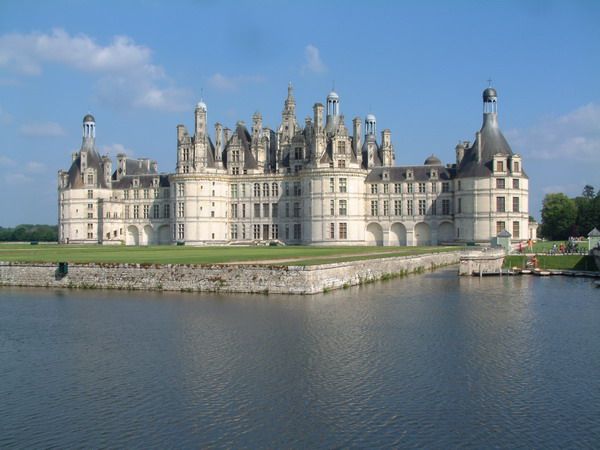
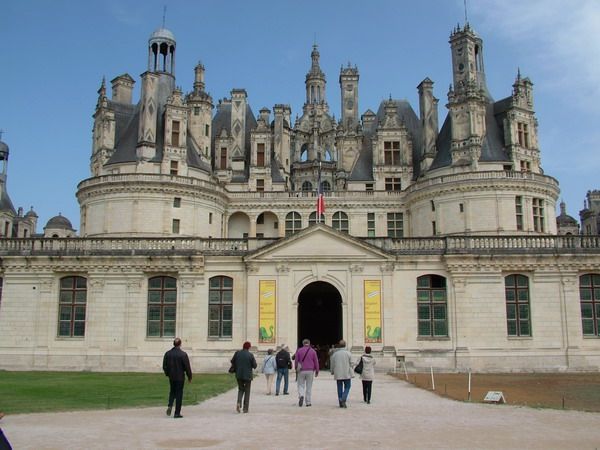
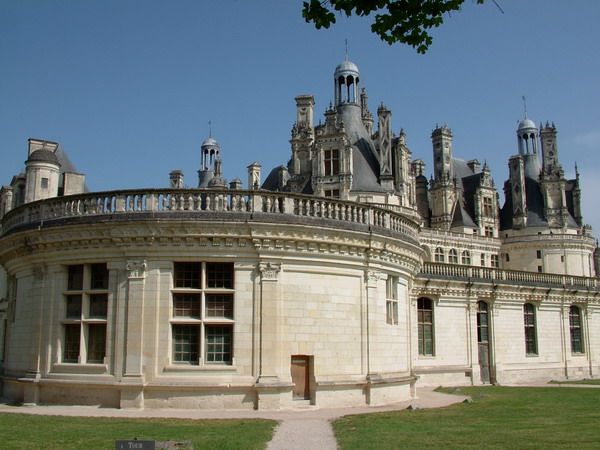
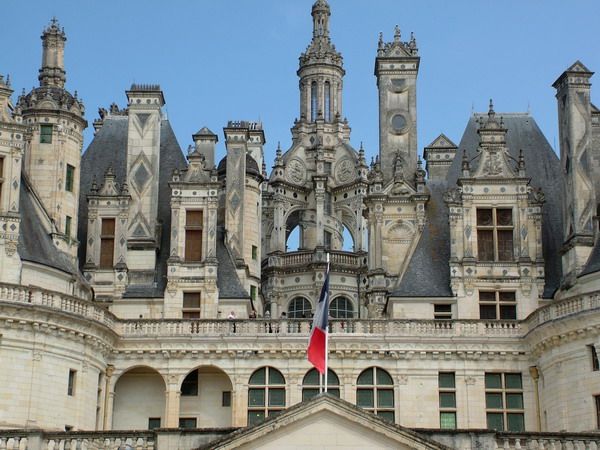
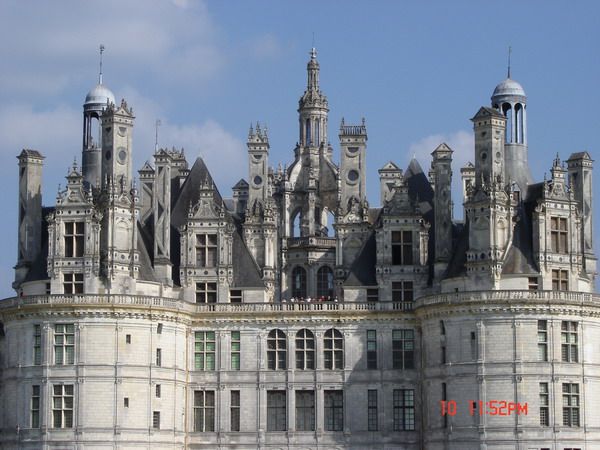
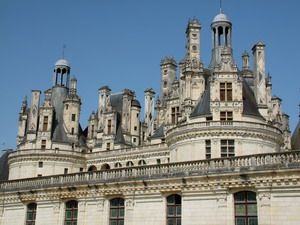
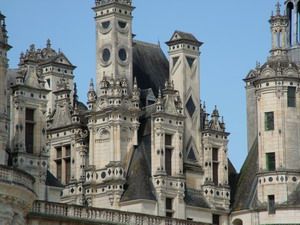
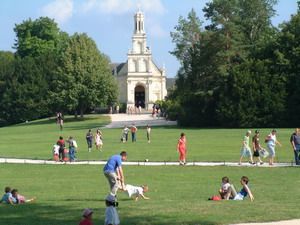
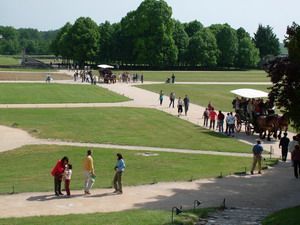
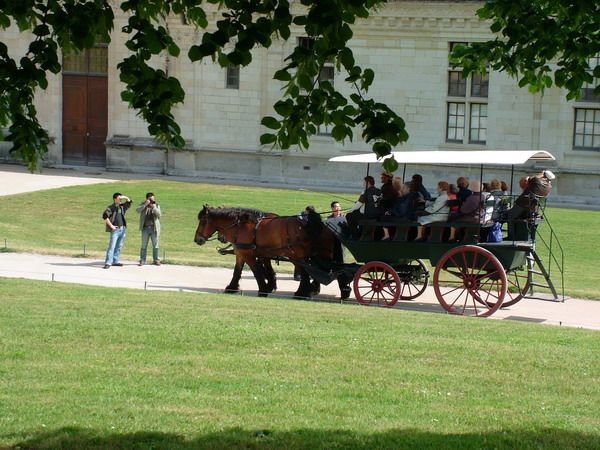
The Château de Chambord has become a global pilgrimage site for tourists and the largest recreational space in the surrounding metropolitan area. It is the most brilliant, grand, spectacular, and largest of the five major castles along the Loire River, often regarded as the jewel among castles and the quintessential example of French Renaissance architecture. The spectacular Château de Chambord is one of King Francis I’s most refined masterpieces (along with the Palace of Fontainebleau near Paris). Young Francis I ascended the throne in 1515, becoming one of Europe’s five great powers (alongside England, the Papal States, the Ottoman Empire, and the Holy Roman Empire) vying for dominance. Soon after, the young and vigorous Francis I led an expedition into the Duchy of Milan, tasting victory at the Battle of Marignano and recovering territories lost by Louis XII. This campaign amazed him and opened his eyes to Italian Renaissance architectural art, revealing another exquisite cultural realm. His passion for Italian art led him to invite three renowned masters of the Italian Renaissance; only Leonardo da Vinci came to France in 1516, settling in Amboise. He became the closest confidant and respected teacher to the young King Francis I. The king visited almost daily, personally absorbing the master’s wisdom and foresight, which immersed him in the most open humanist thought and refined artistic cultivation, laying the foundation for a new civilization in the Kingdom of France.
The young King Francis I had extraordinary ambition and enthusiasm for hunting, frequently visiting the royal forest of Chambord, not far from Amboise. Soon, the king decided to build his ideal new castle within the Chambord hunting grounds. Construction began in September 1519 on this grand project. Legend holds that the perfect Château de Chambord was designed by the art master Leonardo da Vinci (who passed away in April 1519). The project started by draining swamps and re-planning the old medieval fortress, employing nearly two thousand craftsmen working day and night. However, five years later, Francis I was defeated and captured in Italy, causing construction to halt for two years. The main tower was not officially completed until 1539. That same year, he hosted the then-most-powerful Holy Roman Emperor, Charles V, in the grand main tower, displaying Francis’s glory and civilization. Contemporary records note the Emperor’s impression of the castle: “This is the best miniature humanity could create.” Three years later, Francis I established a royal hunting superintendent at Chambord. The east wing, containing the king’s bedroom, was not completed until 1544. Three years after Francis I’s death, Henry II succeeded him but showed no interest in Chambord. Construction dragged on until it was completely halted in 1559, gradually being forgotten and falling into ruin. It was not until July 1660, when the young King Louis XIV first came to Chambord for hunting, that restoration and unfinished works began under the Sun King’s vision. Finally, in 1685, this magnificent and splendid Château de Chambord was officially completed.
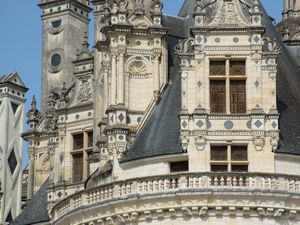
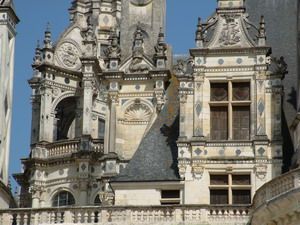
The Château de Chambord is an excellent synthesis of forms inherited from previous centuries (a central core tower surrounded by four large round towers, divided into east and west wings, all enclosed within a square wall, featuring unique giant spiral staircases) and innovative Italian Renaissance architecture (recessed balconies, platforms, decorative pilasters, and horizontal rhythmic harmony in cornice decorations). As a vast leisure and hunting estate, the Château de Chambord measures 156 meters long, 117 meters wide, and 56 meters high, with 77 staircases, 282 fireplaces, and 426 rooms. What is astonishing is not its scale, but the dazzling beauty of the building itself. In 1981, the Château de Chambord was listed as a UNESCO World Heritage Site.
King Francis I reigned for 32 years, visiting this magnificent Château de Chambord only six times in total, amounting to just 72 days. The most glorious and luxurious visit was hosting the Roman Emperor Charles V here; the last visit was for hunting on February 22, 1545. Since Chambord served as a place for the king’s hunting pleasure and lavish banquets, every time the monarch arrived, the court entourage of tens of thousands would move furniture and necessities en masse. Upon departure, they would migrate again. Consequently, the castle today is largely empty. The focus of the visit is naturally the grand architecture itself, the exquisite giant double-helix staircase in the main tower, the fireplace ornaments engraved with King Francis I’s emblem “the Fire Dragon,” and the bedroom of the Sun King Louis XIV. One can then ascend to the castle balcony to overlook the shimmering canal and the lush green forest panorama beneath the forest-like array of ornate Italian chimneys, huge decorative dormer windows, and stair towers that resemble pavilions in the sky. If time permits, one may also row a boat on the canal or stroll through the currently largest dense forest among European castles (5,000 hectares). Website for the Château de Chambord: [[http://www.chambord.org]]