Chiharu Shiota – “Small Room” Solo Exhibition
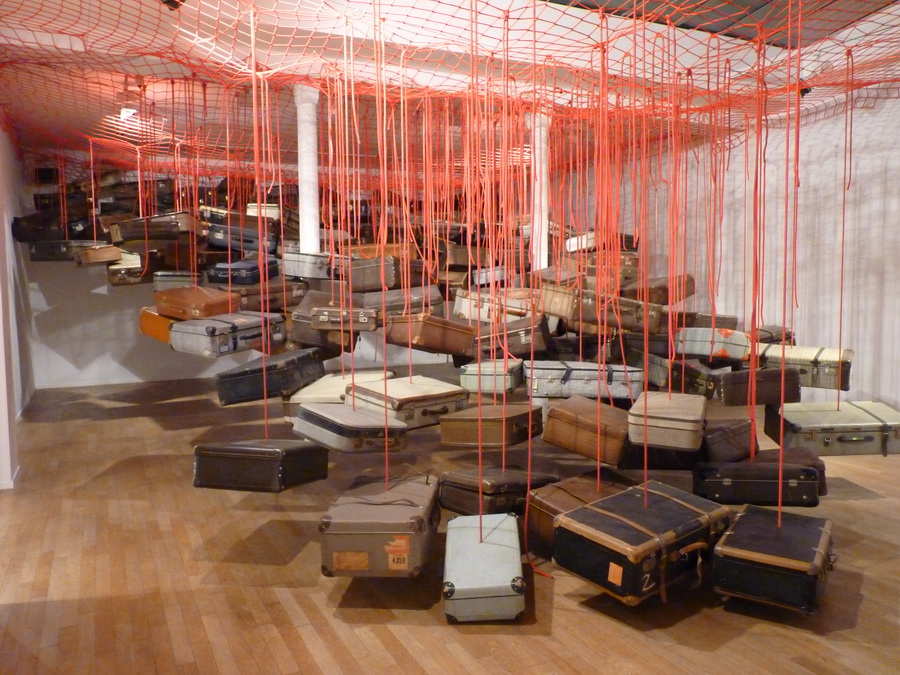
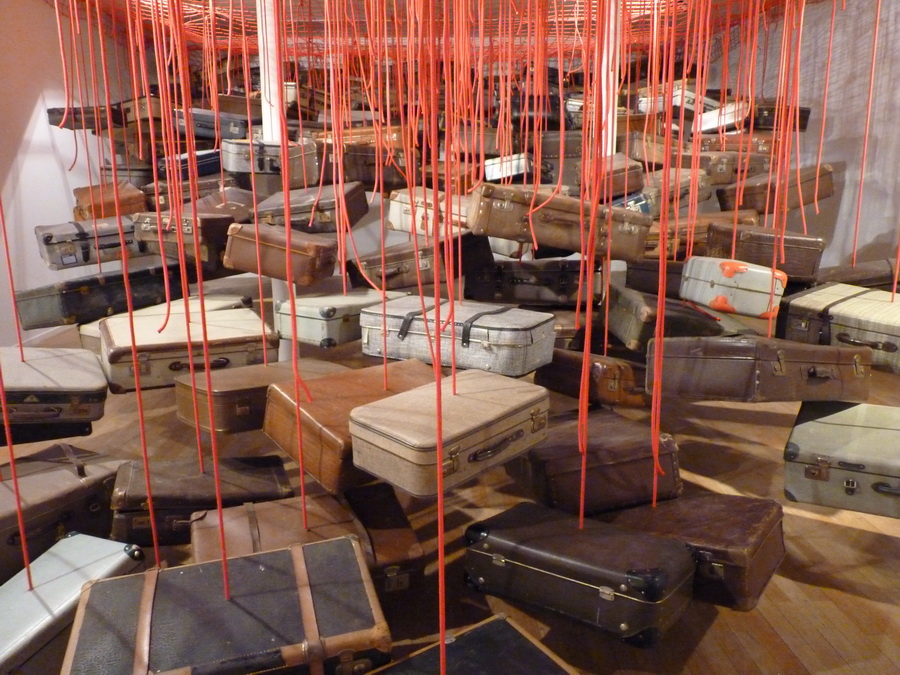
Dialogue Suitcase installation dimensions variables 2014
Text and images by Chen Chi-Hsiang. Venue: Daniel Templon Gallery. Dates: June 7 to July 25. Chiharu Shiota is one of the most representative artists of Japan’s new generation (born 1972). She has lived in Berlin, Germany since 1997 and completed her artistic education there, studying at the Berlin University of the Arts and the Hamburg University of Fine Arts under two renowned artists: first, kinetic artist Rebecca Horn, and later, body performance artist Marina Abramovic. Consequently, her work is clearly influenced by these two figures, with kinetic energy and the body becoming key motifs in her art. Since 1990, she has established an exploration of the female body, influenced by new feminist artists such as Louise Bourgeois, Eva Hesse, and Ana Mendieta. The body remains central to her practice, which encompasses performance, installation, and object-sculpture. She was the artist for the Japanese Pavilion at the 2015 Venice Biennale.
For this first solo exhibition in Paris, titled “Small Room,” the theme is drawn from Kafka’s diary entry: “Everyone carries their own room within.” This represents the home of existence, the most private space of life where singing, dancing, and alchemy occur—the core of creativity and imagination. It signifies the subject of existence; whether light or dark, conscious or unconscious, it is the home of being. Only here can one experience life. As Oshu wrote, “Rather than seeking what is sought, seek the seeker themselves. You will suddenly realize that the whole of existence is your home, so wherever you go, you are home. Once you find yourself, you will discover that the entire existence is your home.”
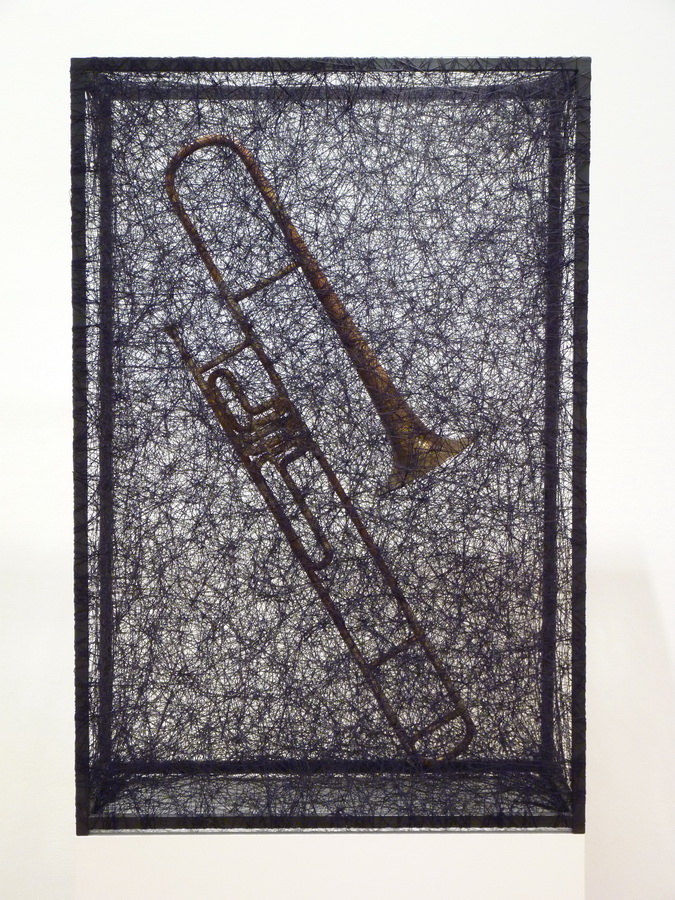
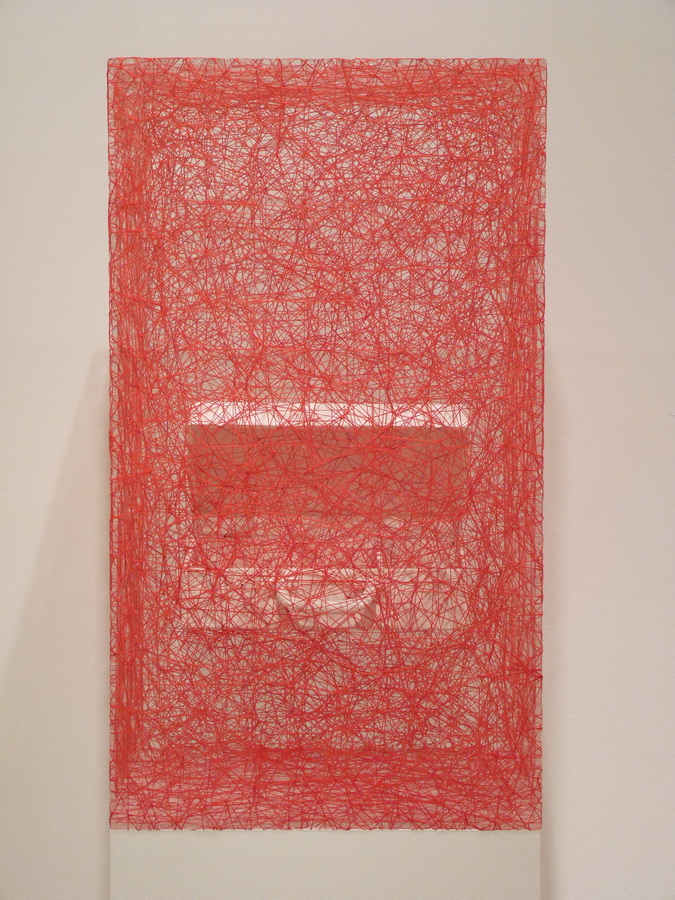
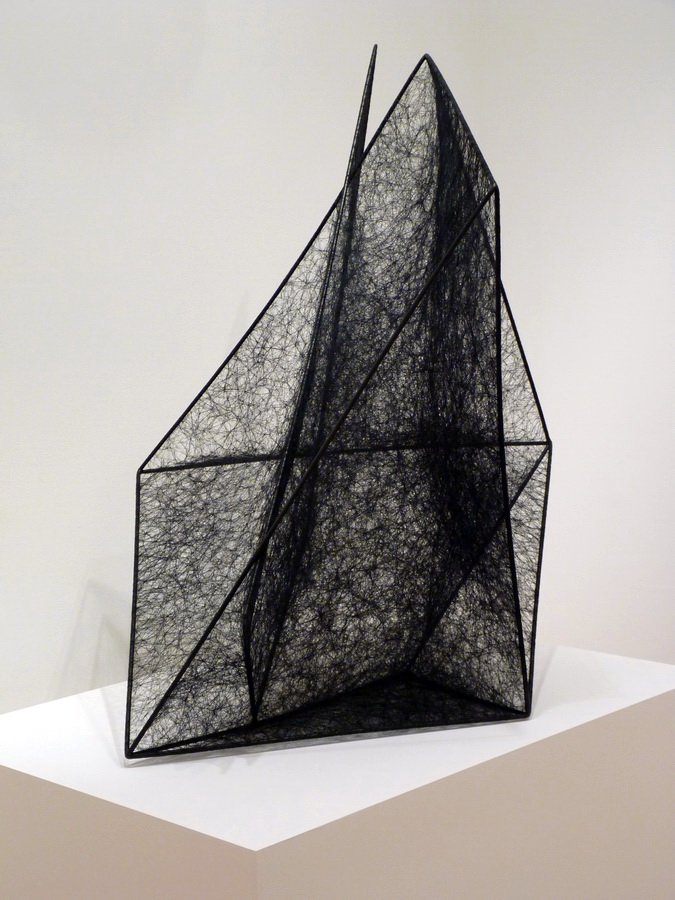
Shiota’s object-sculptures and installations create a mysterious, magical, and spiritual space. She excels at using objects, enclosing them in space with black or red yarn, intending to seal objects within a mysterious realm, imprisoning bodies or souls in time and space, filled with metaphors of existence and imaginative potential. This exhibition features old suitcases arranged in a monumental form: numerous suitcases of varying sizes are suspended at angles in the space, vibrating slightly at intervals. Suitcases signify travel and exile, both involving bodily movement. Travel is a search for oneself, taking the body to experience life. In today’s globalized world, many immigrants become economic migrants to make a living, or forced into illegal immigration to survive, or exiled due to political persecution and asylum. Regardless, they carry their own bodies. As Oshu wrote, “Do not look for a home, because there is no home. Look for yourself, because there is a home there!”
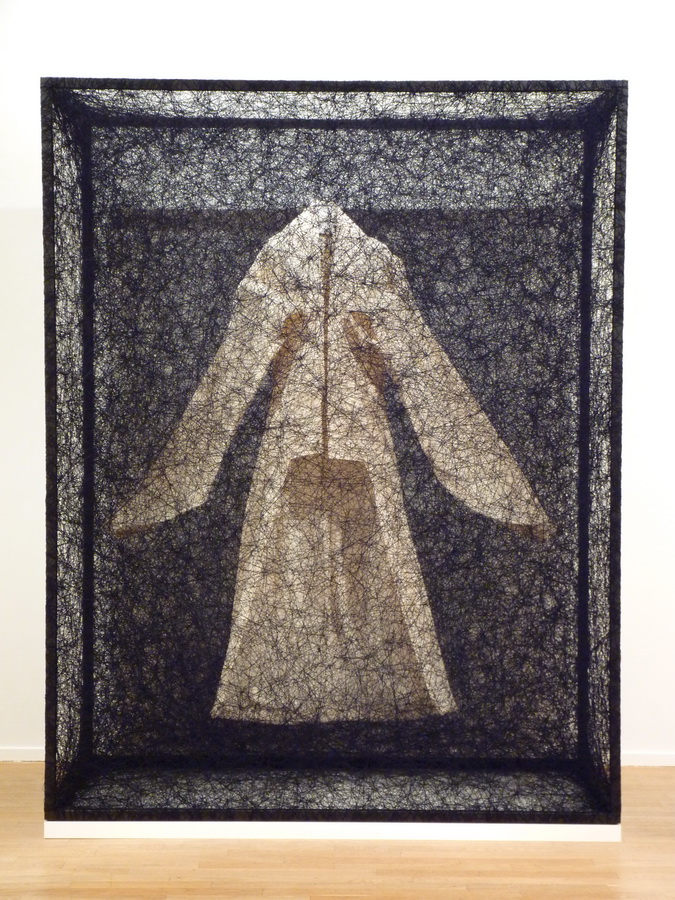
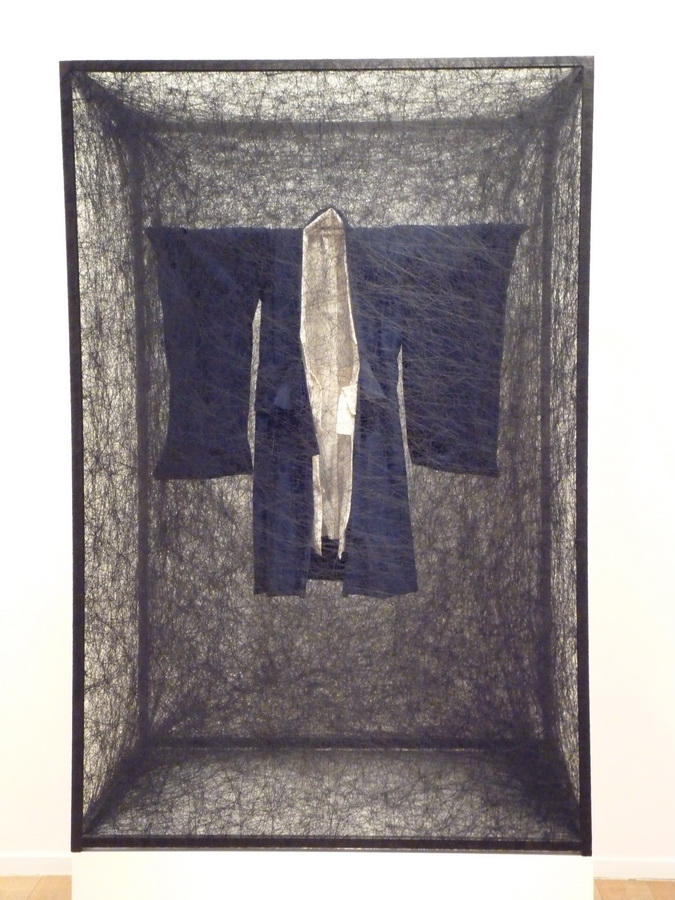
The series of object-sculptures enclosed in black or red yarn narrates their content and text. For example, traditional Japanese white or black kimonos indicate identity and cultural background. Instruments (pianos or trumpets) evoke music, while tables, chairs, and beds become symbols of the body. However, these enclosed objects metaphorically reflect the spiritual state and consciousness of existence under contemporary individualism, imprisoning bodies and souls in their own small rooms, portraying the tragedy of men and women. This presents a snapshot of our current internet-era civilization, where everyone seems unknowingly hijacked by televisions, computers, mobile phones, and irrelevant matters and things.
Quote (from Oshu’s Wisdom Nuggets)