Christian Marclay Solo Exhibition "The Clock"
Centre Pompidou Christian Marclay "The Clock" solo exhibition
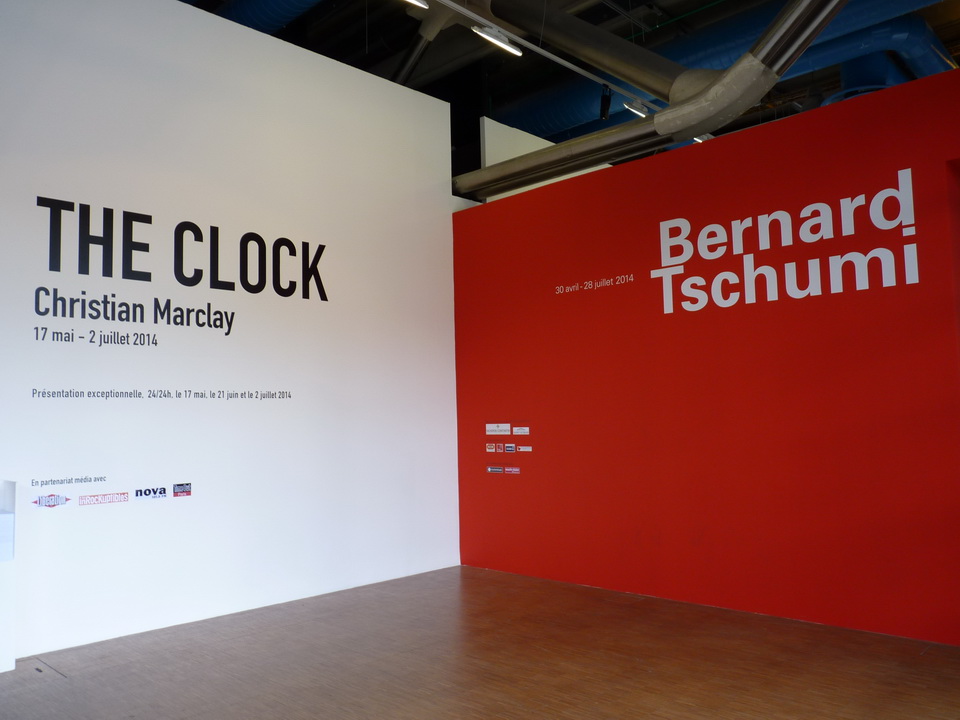
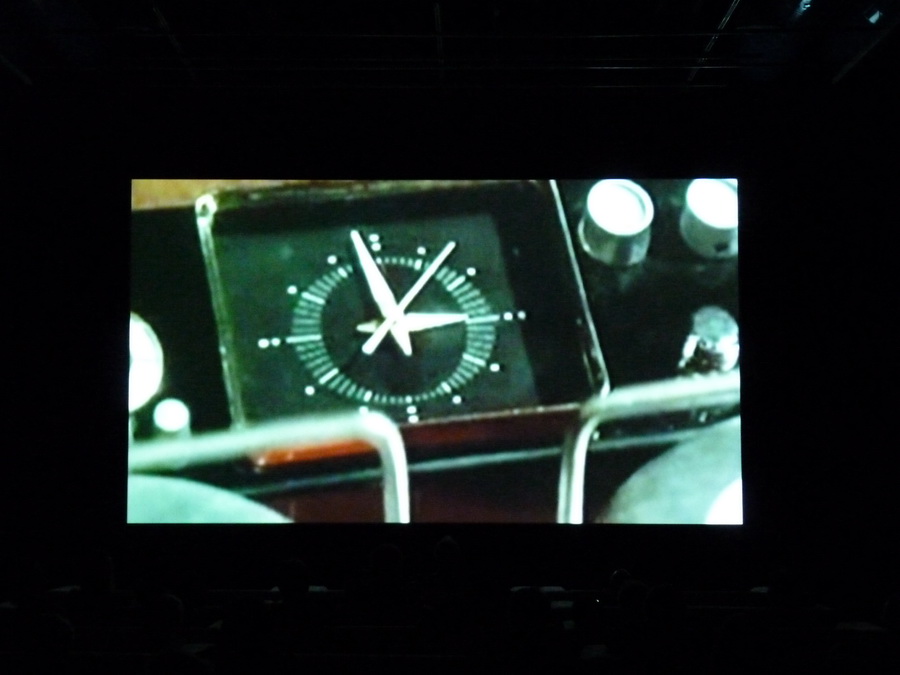
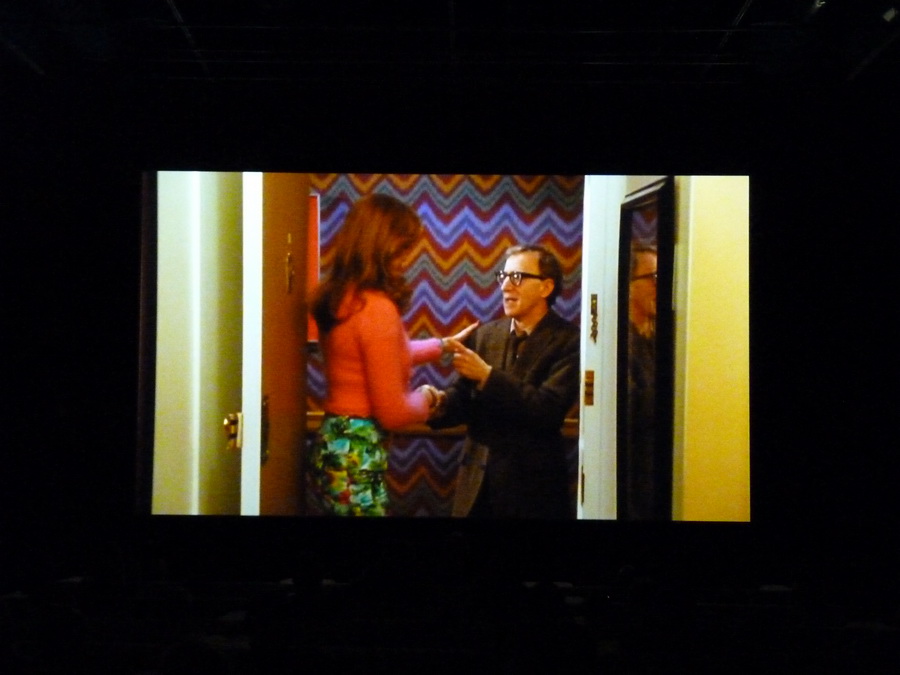
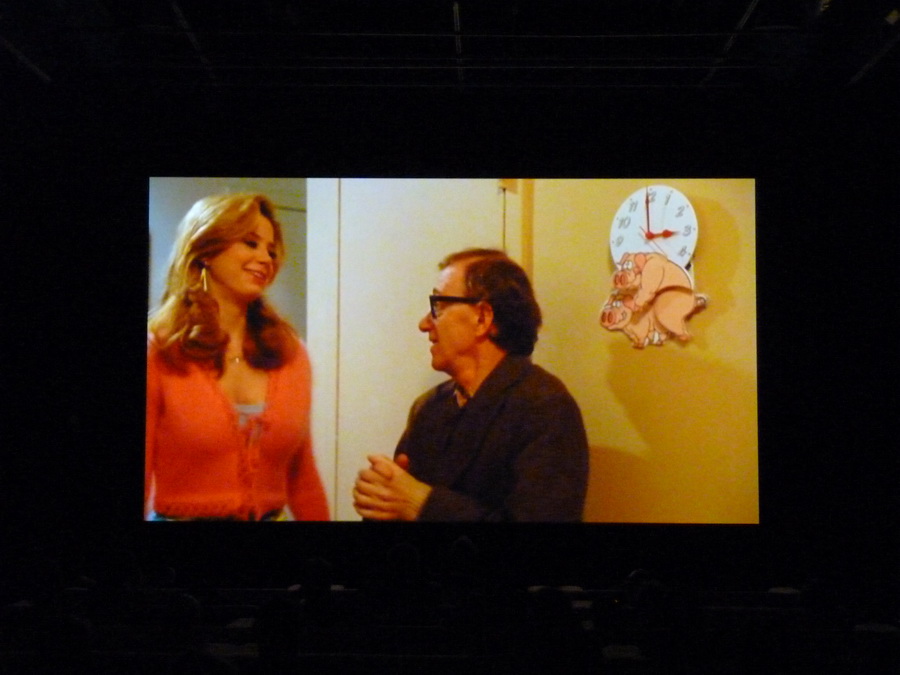
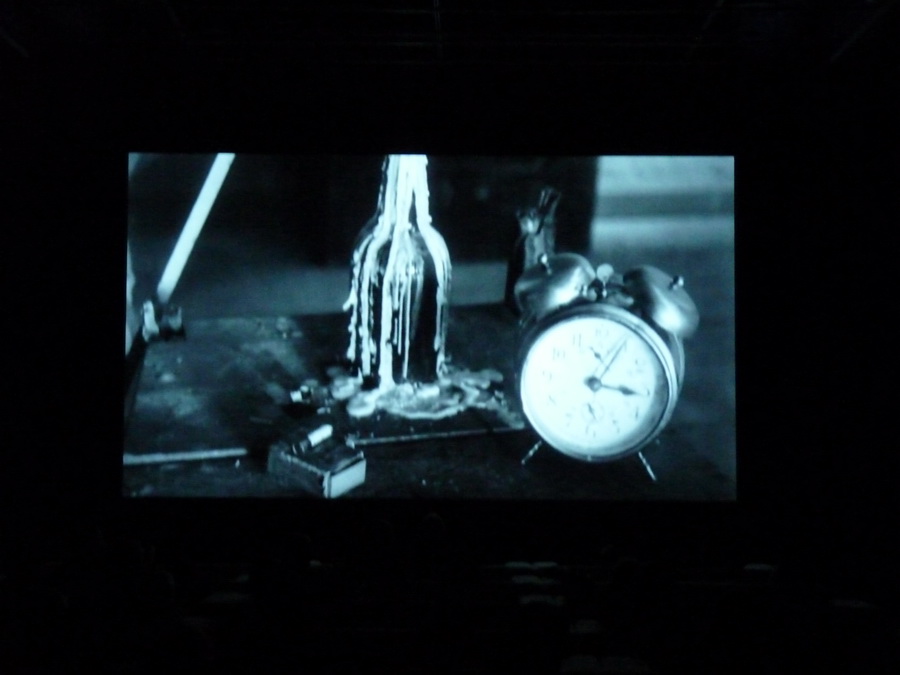
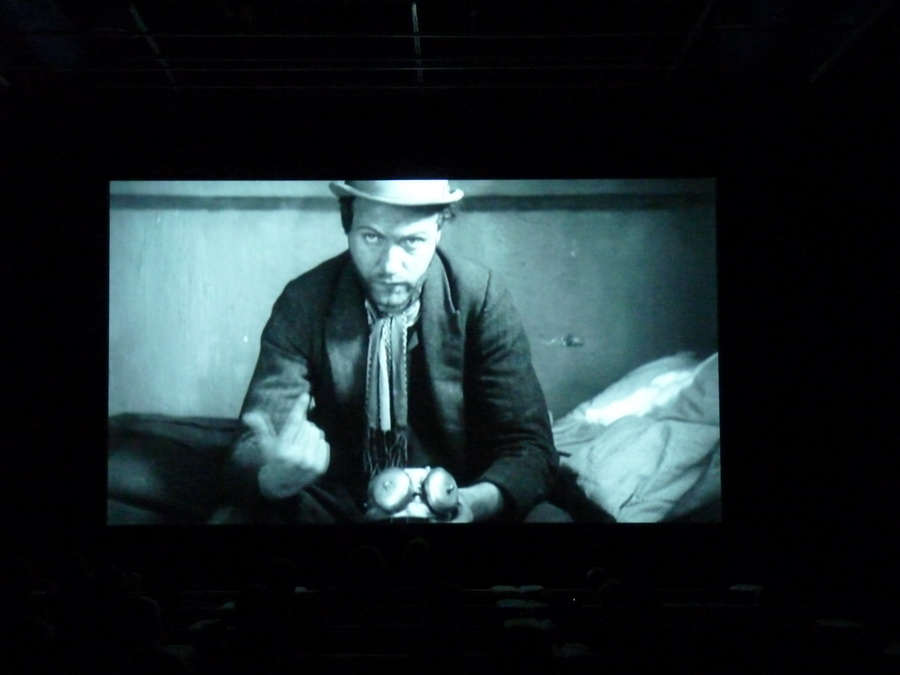
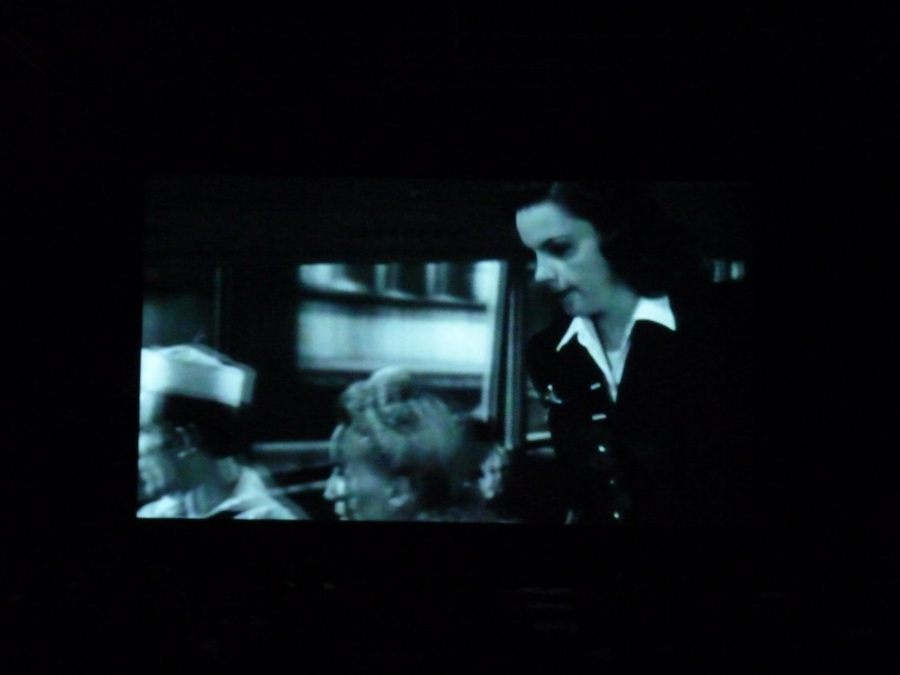
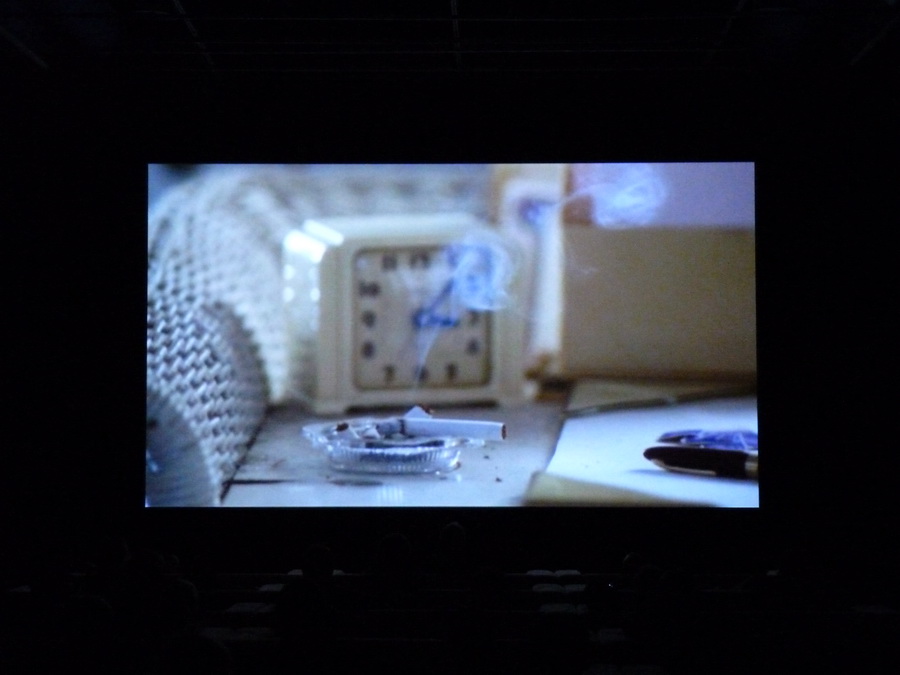
Text and images by Chen Chi-Hsiang. Venue: South Gallery, Centre Pompidou, Paris. Dates: May 17 – July 2. What time is it? Everyone determines time based on their location. Some say the Earth is flat; does this refer to the simultaneity of space-time, or metaphorically to the internet world where everything dissolves into zero, or humanity's proper stance in a global village? Where is time located? In Greenwich, England, or everywhere? Is time an existence of consciousness or the passage of reality? Concrete or abstract? A day has a fixed twenty-four hours, but what about psychological time? Is time temporal or timeless? As Buddhist scriptures say, "All appearances are illusory." Material things will turn to ash under time. The arrow-like passage of life and its length are merely comparisons and descriptions; their existential meaning is another matter. Living within temporality but not limited by space-time (neither time nor body), Hugo wrote in meditation: "A person's soul is vaster than the universe."*
American-Swiss artist Christian Marclay is a cross-disciplinary artist: musician, performance artist, video artist, and visual artist. Inheriting modern avant-garde art—from Dadaism's "Do it yourself," through Duchamp, Fluxus, and Pop Art, to experimental film and audio-visual explorations—he has developed unique, multi-form, cross-boundary fusion works over thirty years. For example, he creates music by excerpting vinyl records, or develops a citational video art through appropriation and editing, constructing his typical fragment-whole aesthetics.
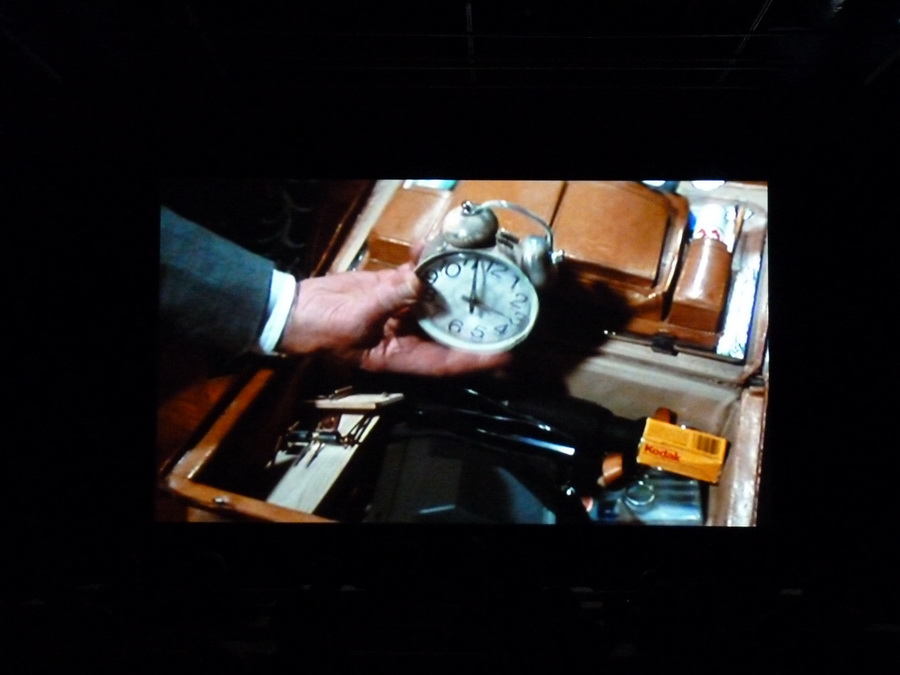
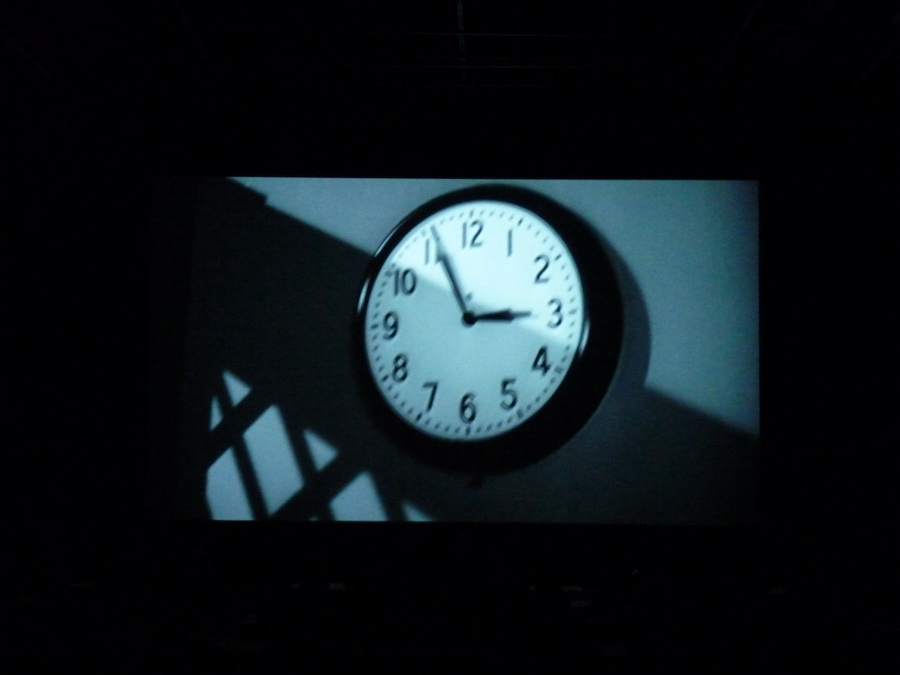
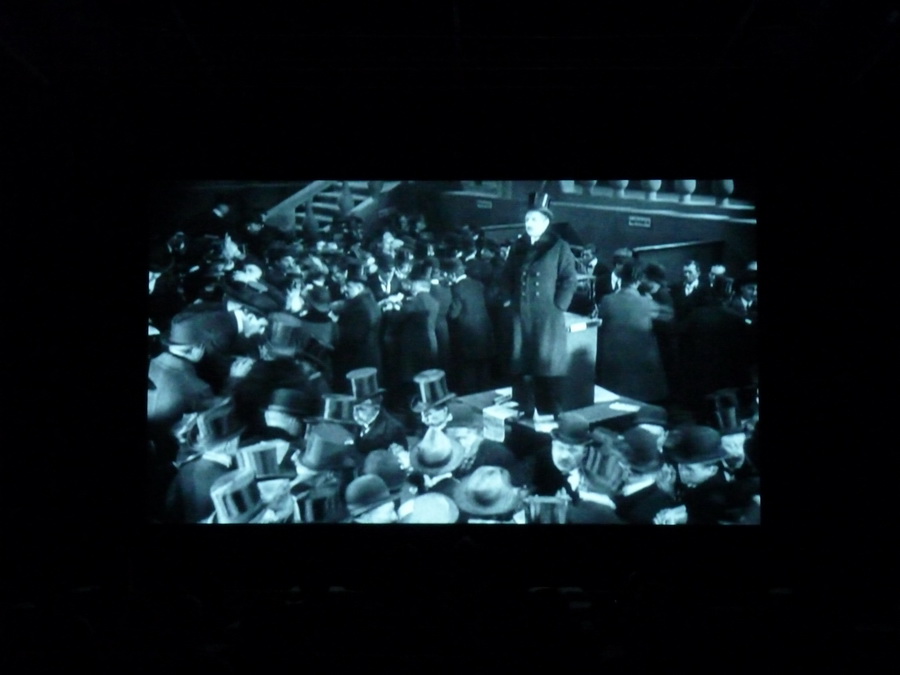
"The Clock" is Marclay's most outstanding monumental work. He appropriates and extracts classic imagery related to time from all of cinema history, cleverly compiling and editing dramatic beautiful moments of a single day into a twenty-four-hour video record. He unleashes the temporal imagination of all imagery, combined with logically citational situations. One can imagine the uninterrupted simultaneous performance (Centre Pompidou kept the gallery open for twenty-four hours for this exhibition). That is, "What time is it?" The image time currently playing is the present time, brilliantly narrating simultaneous relationships (if you enter at 3 PM, the image tells you the ongoing time), aligning film/video with the viewer's time and emotional relationship. Reality is like art, art is like reality, expressing human emotions and consciousness in various contexts and fields of joy, anger, sorrow, and happiness.
Another classic of "The Clock" is its audio-visual expression. Sound acts as a guiding thread, leading viewers into the awareness and emotion of the imagery. Marclay uses dubbed segments from existing films—such as telephone rings, ticking clocks, footsteps, shouts, cries, laughter, traffic sounds, ambient noise, music, and heartbeats—and develops them into rhythmic soundscapes that condense audience consciousness.
Note: Viewing Li Chong-Chung's Modern Ink World / Text by Liao Run-Pei / 2014