Christo (1935-200): The Art of Wrapping
Letters from Christo Restany, collection of the Paris Municipal Museum of Modern Art.
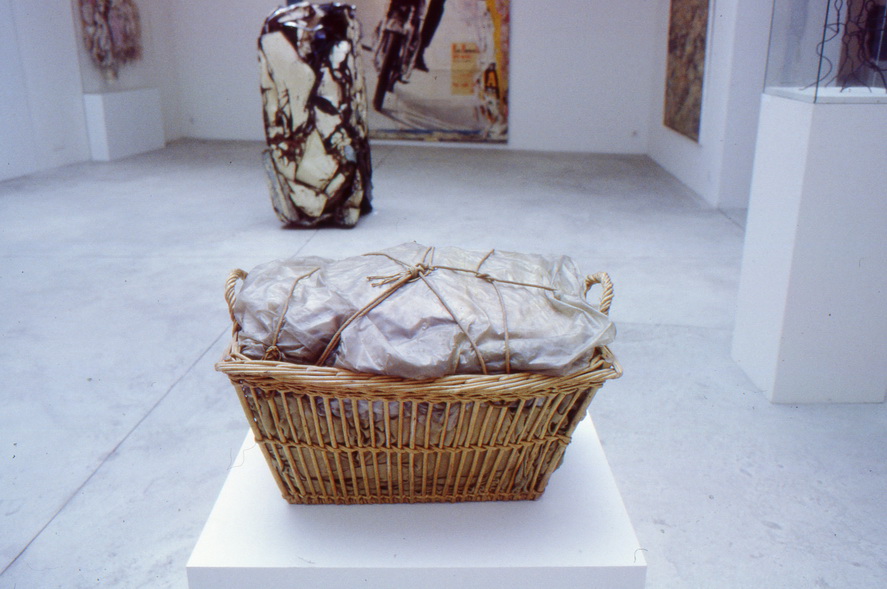
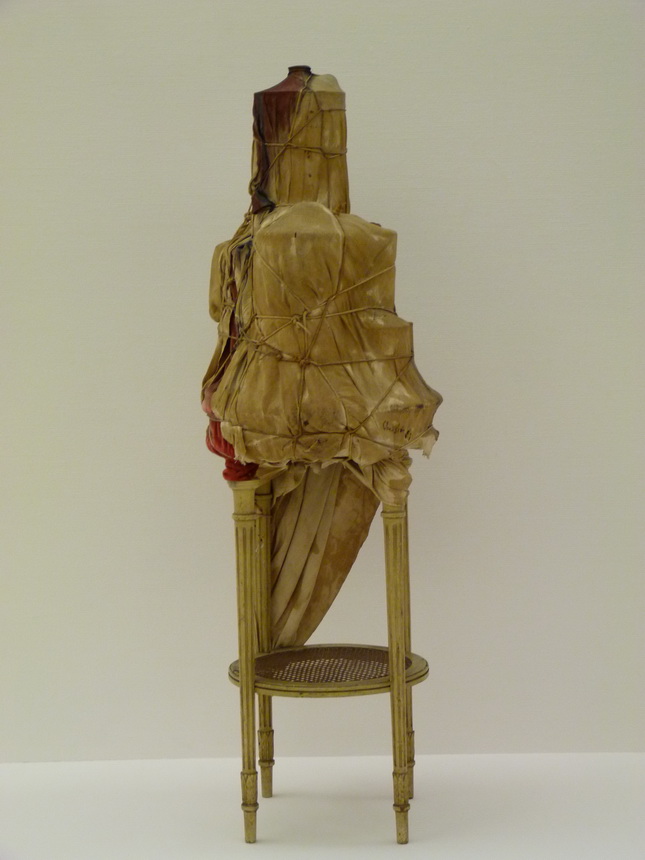
Text and images / Chen Chi-Hsiang
Christo Javacheff’s (1935–200) most famous technique is wrapping objects in material. These are mysterious, heavy items that sometimes hint at what lies inside, while at other times remain so concealed that their nature is impossible to guess. From this starting point, he extended his practice into environmental space—transforming urban or natural landscapes by wrapping surrounding objects, thereby incorporating these landscapes into his work. His artworks become man-made elements within the landscape itself (like all architecture, yet non-functional, purely aesthetic).
Christo expanded from New Realism into Environmental Art. Indeed, the concept of New Realism inherently contains the notion of Environmental Art; for instance, was Yves Klein’s project at the Place de la Concorde in Paris not an example of it? Nor did Arman’s buried cars or pianos serve as such?