Dadaism
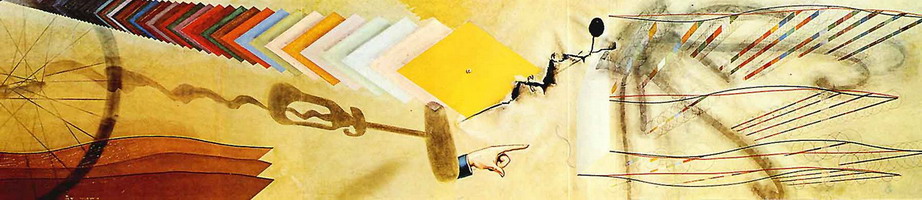
Duchamp - You Me Oil Painting 1918

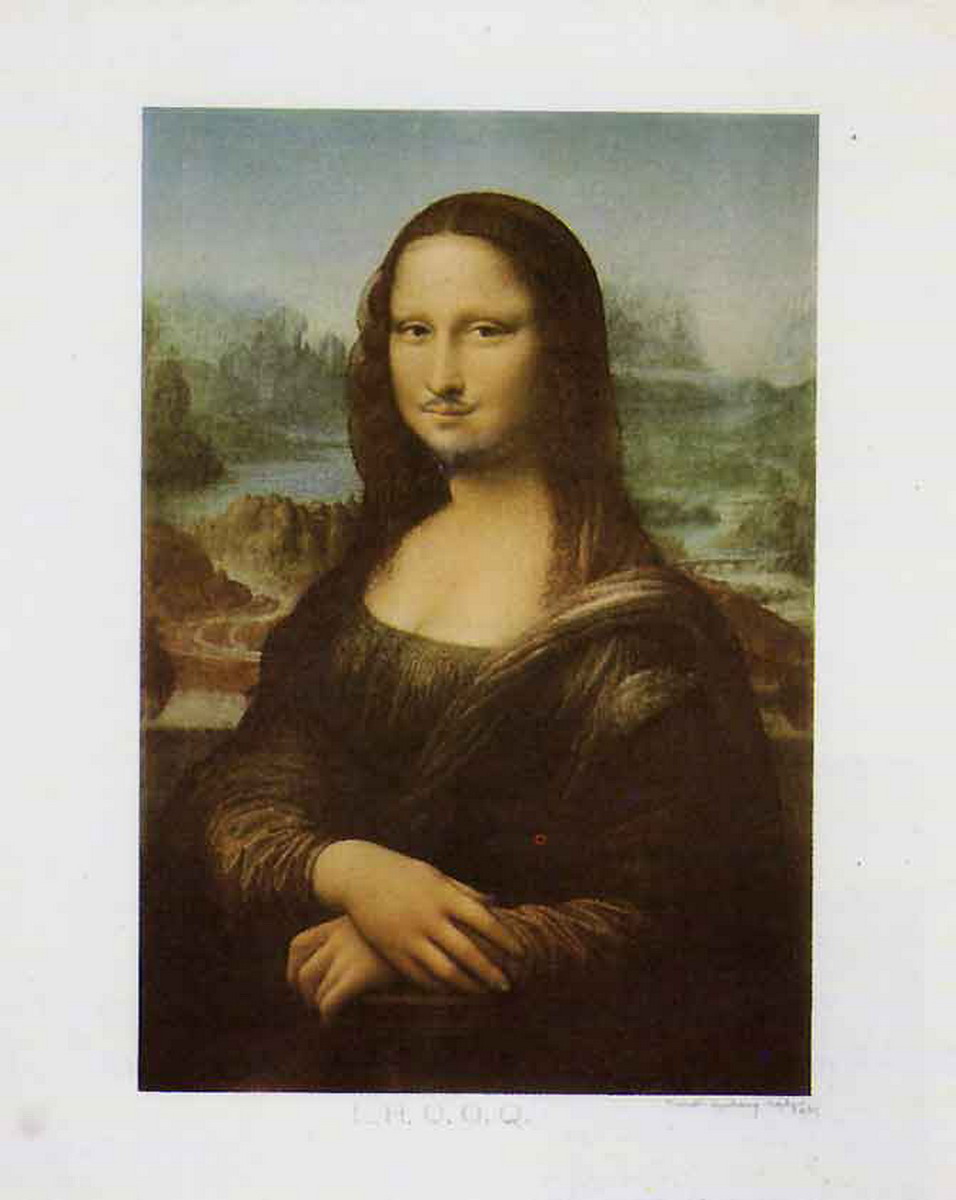
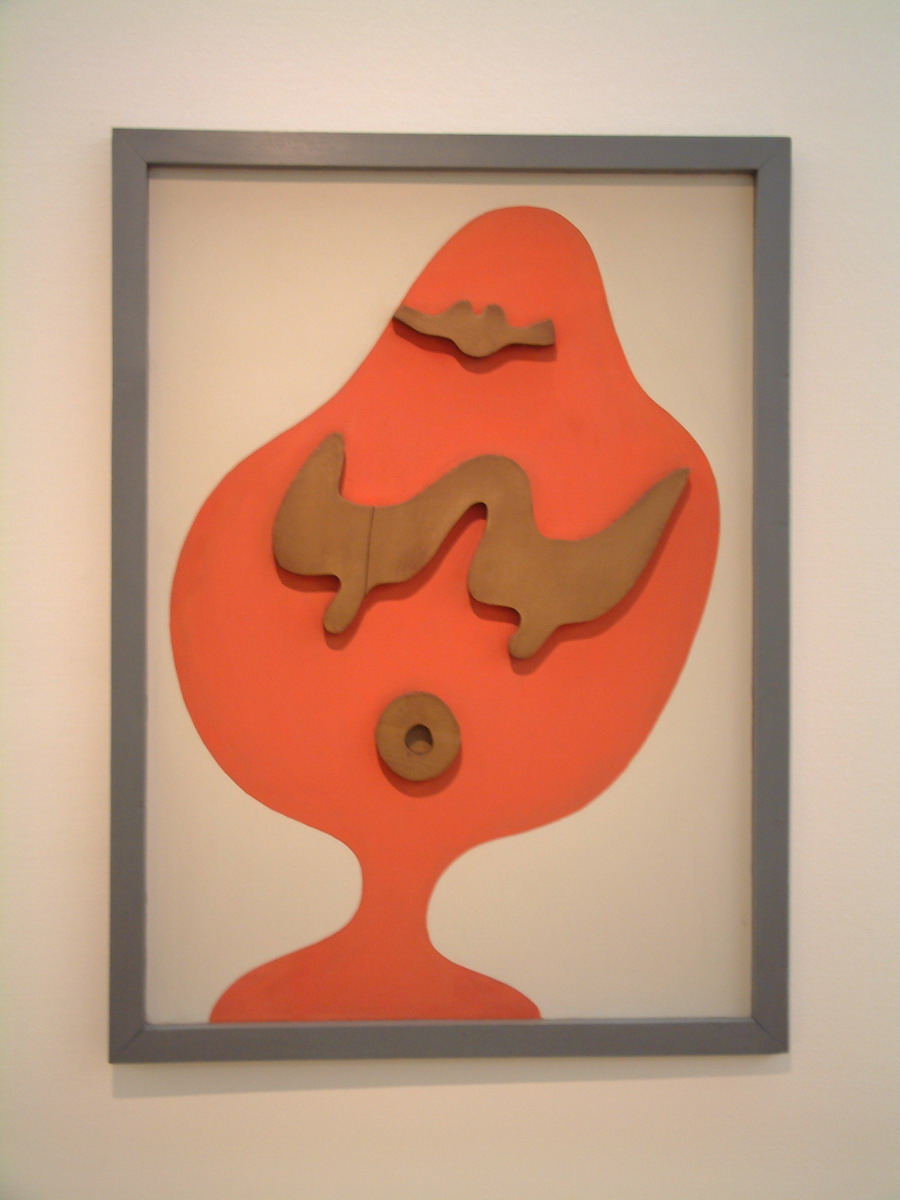
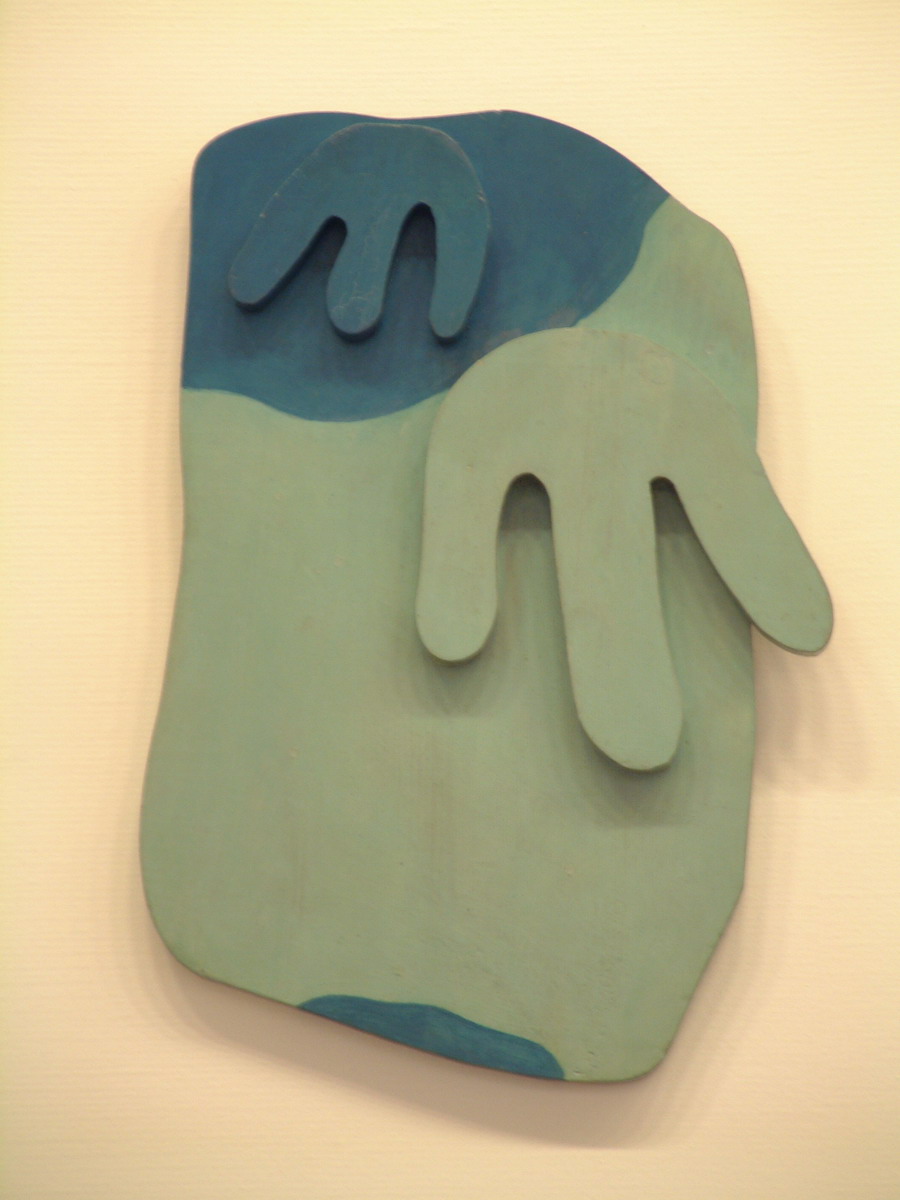
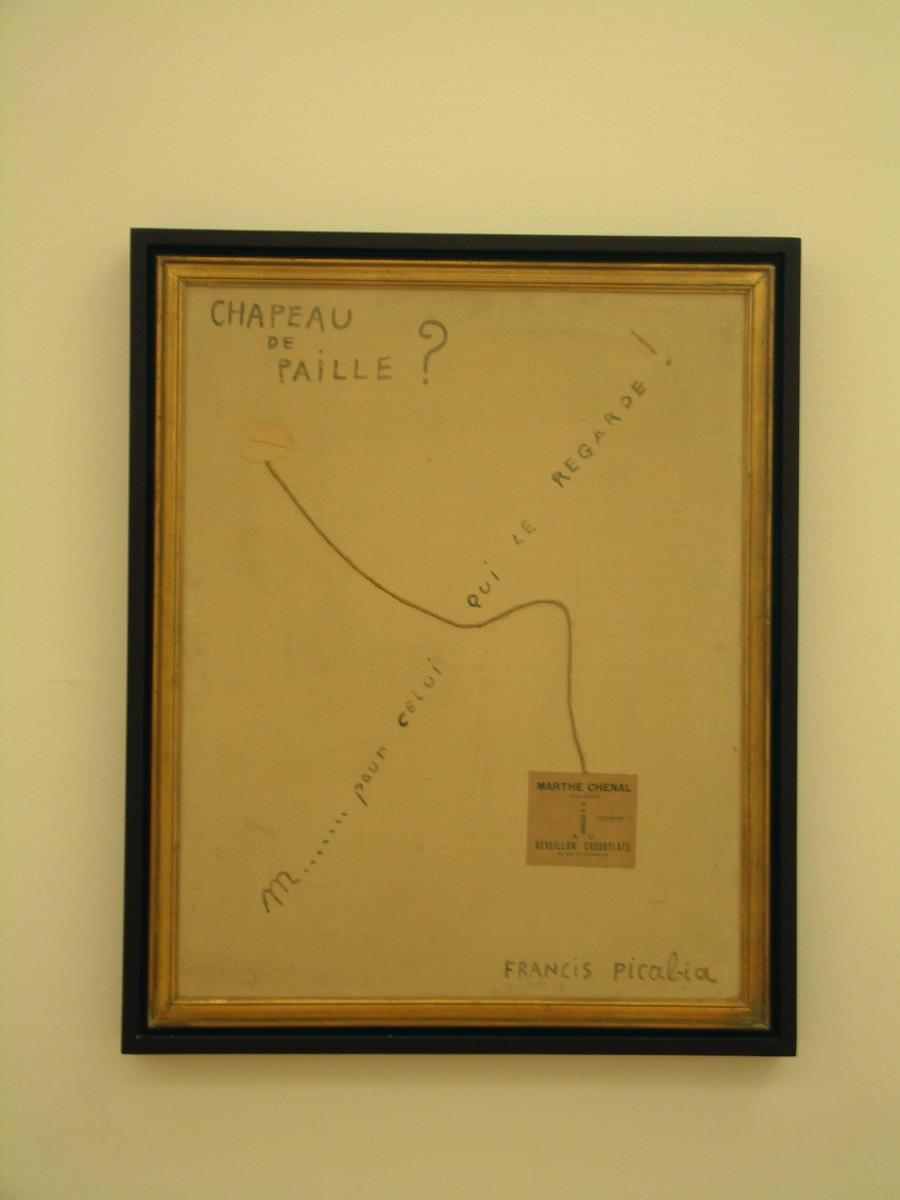
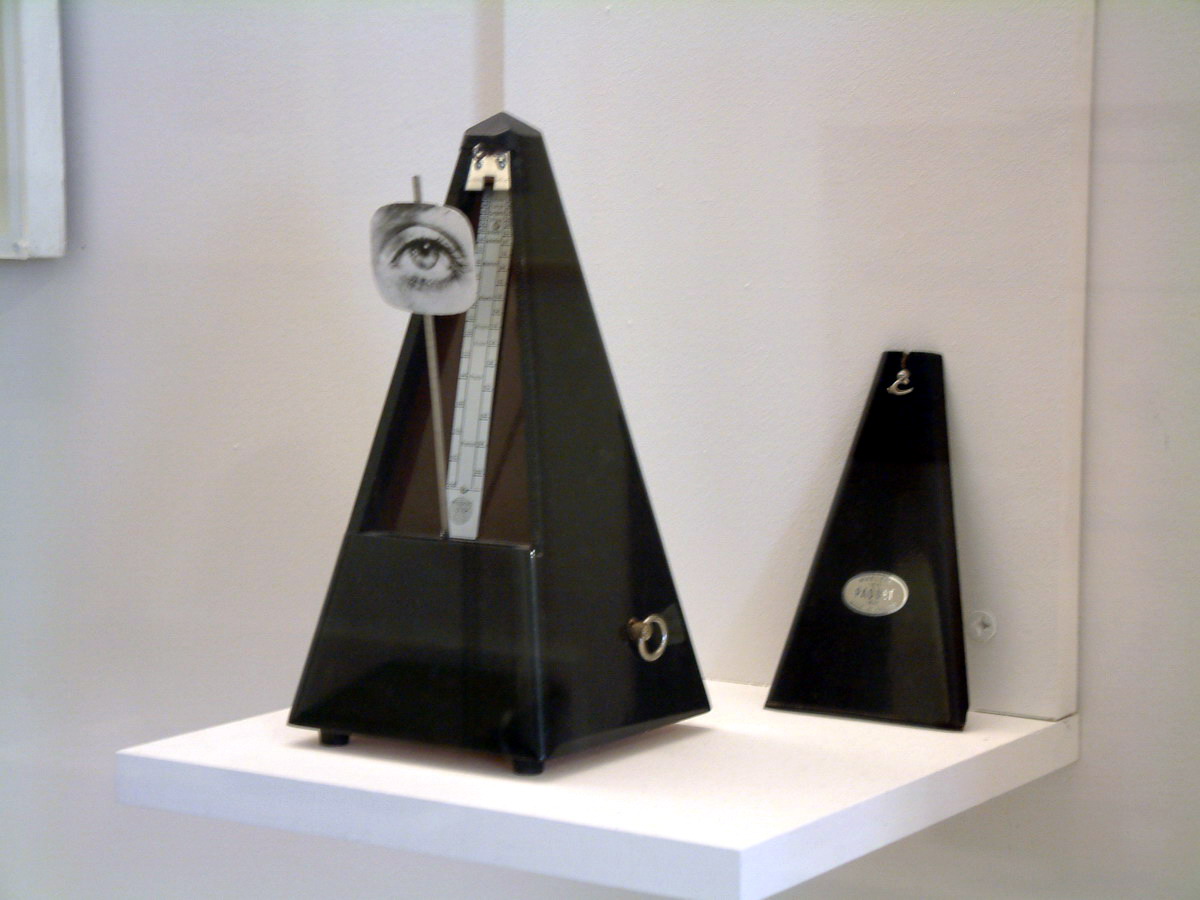
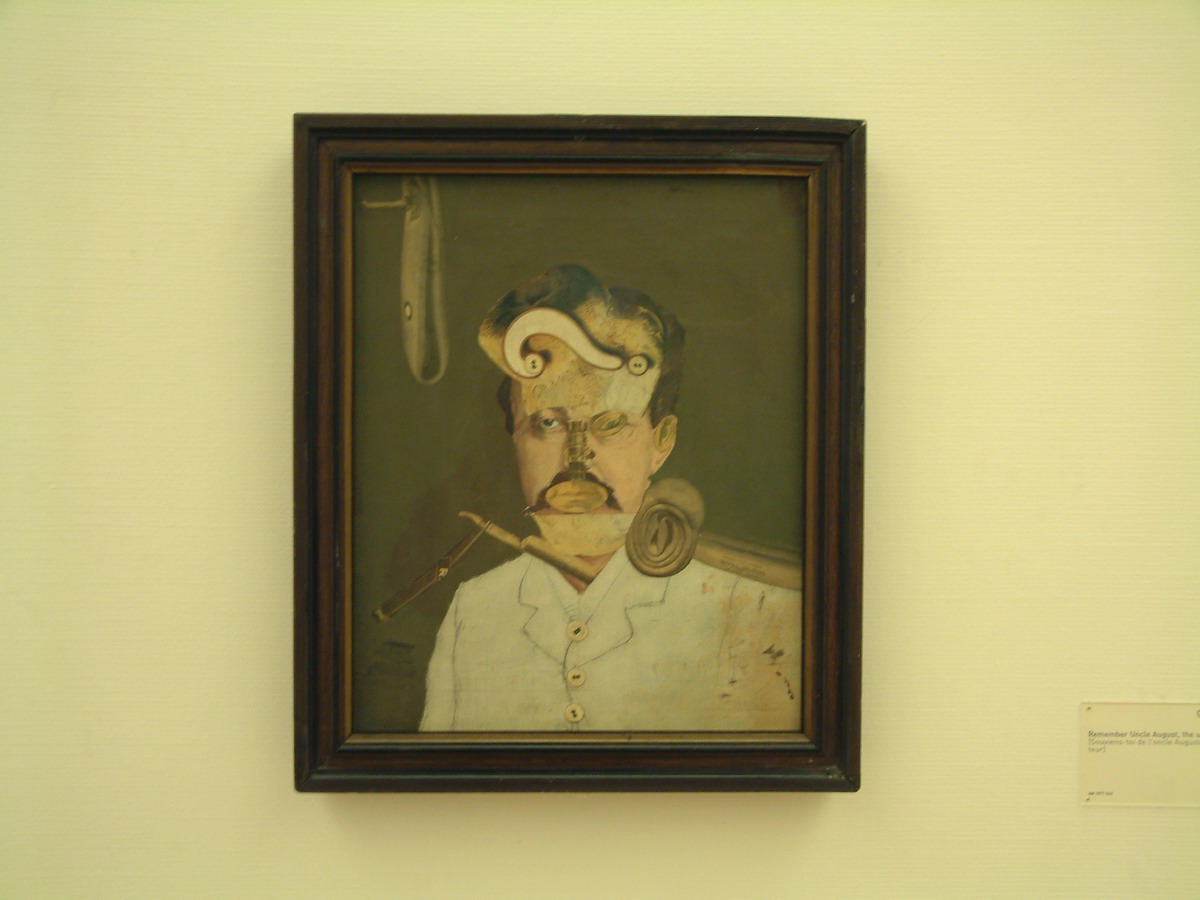
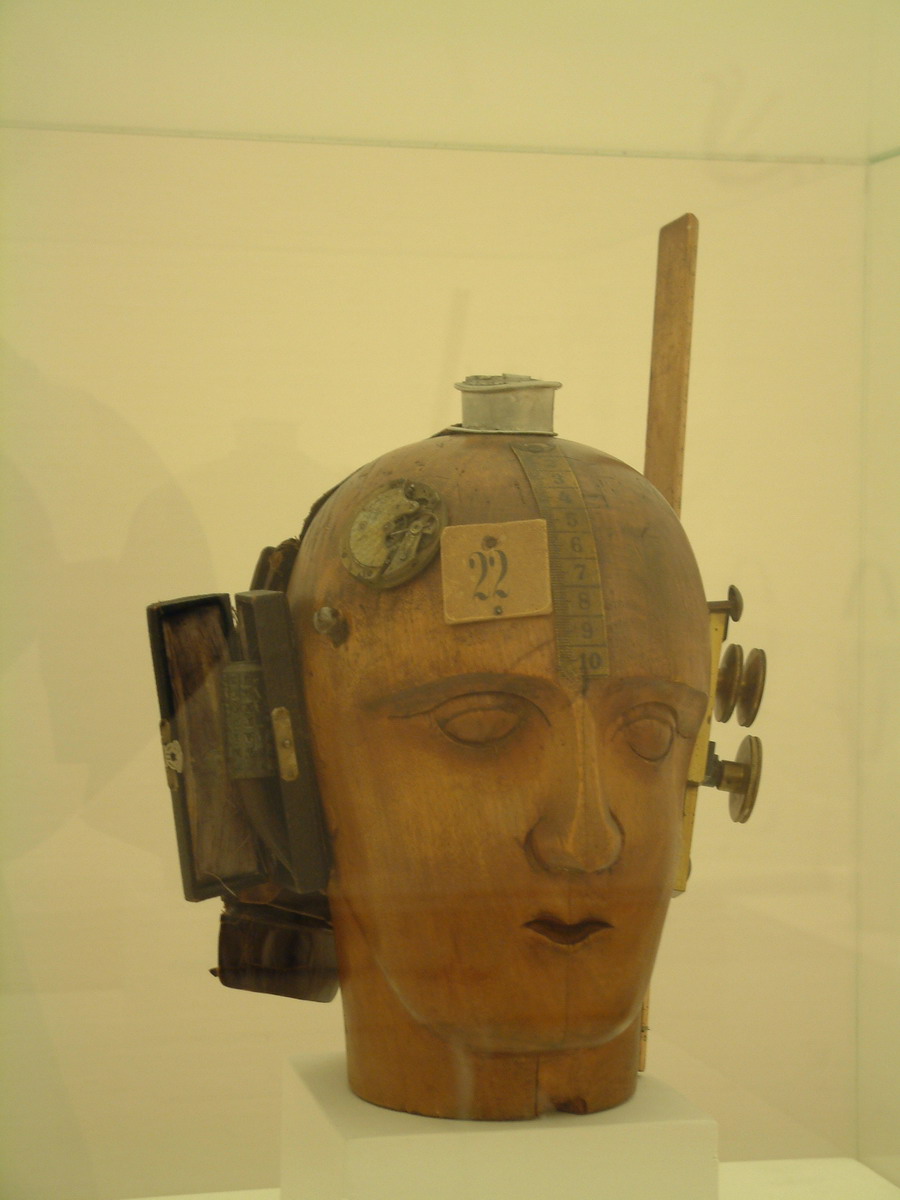
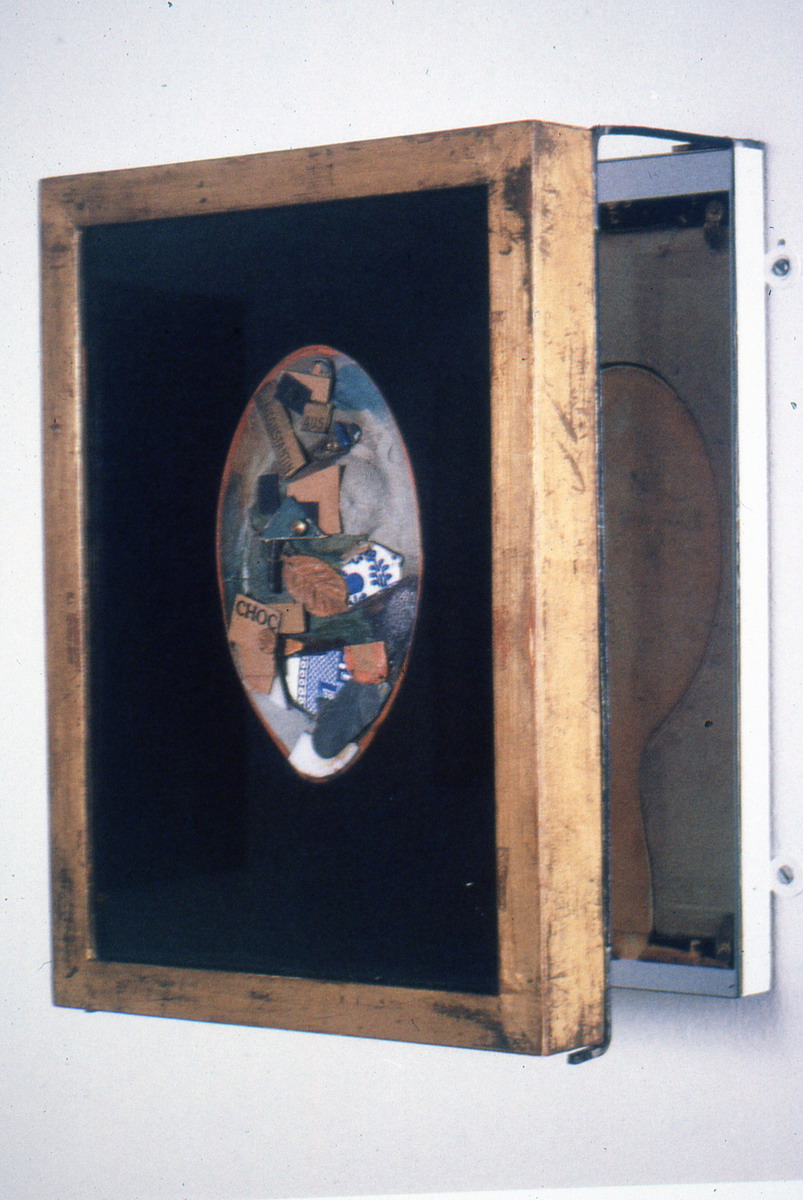


"﹑﹑With eyes closed, Dada is situated above action and all else: doubt. Dada questions everything. Dada is tatou (a type of animal), Dada is everything, Dada beware-you." If viewed through the lens of Darwin's theory of evolution, painting art has ended with abstract painting; subsequent painting is merely a form of rhetoric. However, during World War I, a revolutionary movement initiated by Arp, Ball, Tzara, and other artists in Zurich, Switzerland, was an expressive movement participating in multiple visual fields (painting, poetry, sculpture, photography, theater, film, etc.), carrying its goals and methods to a fundamental question. Born from the rigidity and stagnation derived from traditional art, Dadaism, with the revolutionary spirit of avant-gardism, declared "anything that exists or anything man-made is art." Art was no longer judged by "beauty"; they adopted an anti-aesthetic attitude, despising value judgments of any artwork, yet always ready to employ extraordinary imagination. This attitude of Dadaism became the turning point for international art movements, and its influence on contemporary art is considerable.
The poet Tzara defined this Dada movement in 1920 in the exhibition "Fragile Love and Bitter Love." During this period, he wrote: "We explore the only unadorned, pure, and straightforward force; we do not explore anything, we affirm the vitality of every moment." The inflammatory "nihilists" and emotionless worship are inseparably linked in Dada works, representing a true creator's impulse and exploration of new positive values: they are full of vitality and spontaneity, their creation aligns with the boiling century and modern sensibility. In its destructiveness and linguistic dismantling, the Dada movement equally opened up unprecedented expressive and formal aspects, simultaneously pioneering the new century through its selfless actions.
Starting from Zurich, Dada soon expanded throughout Europe, particularly forming three major homes: in Berlin, Cologne, and Paris. Berlin Dada included Huelsenbeck, Hoch, Grosz, and Baade, a highly politicized and powerful Dada. Cologne Dada featured Arp and Ernst, who were more contemplative, fantastical, and playful, showing the Dadaists' emotionlessness within a new lyricism, already approaching future Surrealism. Paris Dada and its practitioners included Aragon, Breton, Eluard, and others, who simultaneously became promoters and supporters of this movement. Soon after, Arp and Ernst came to Paris to join them. Thus, Surrealism in 1924 would be the direct result of these movements.
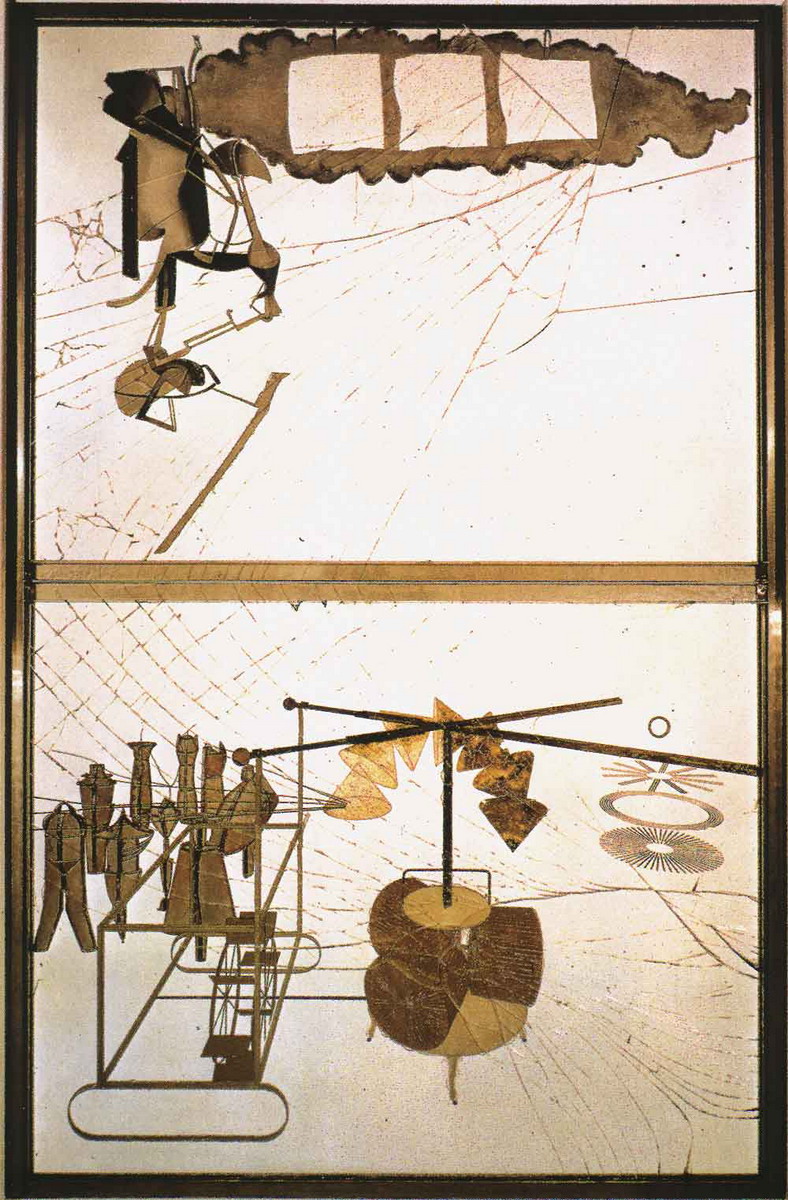
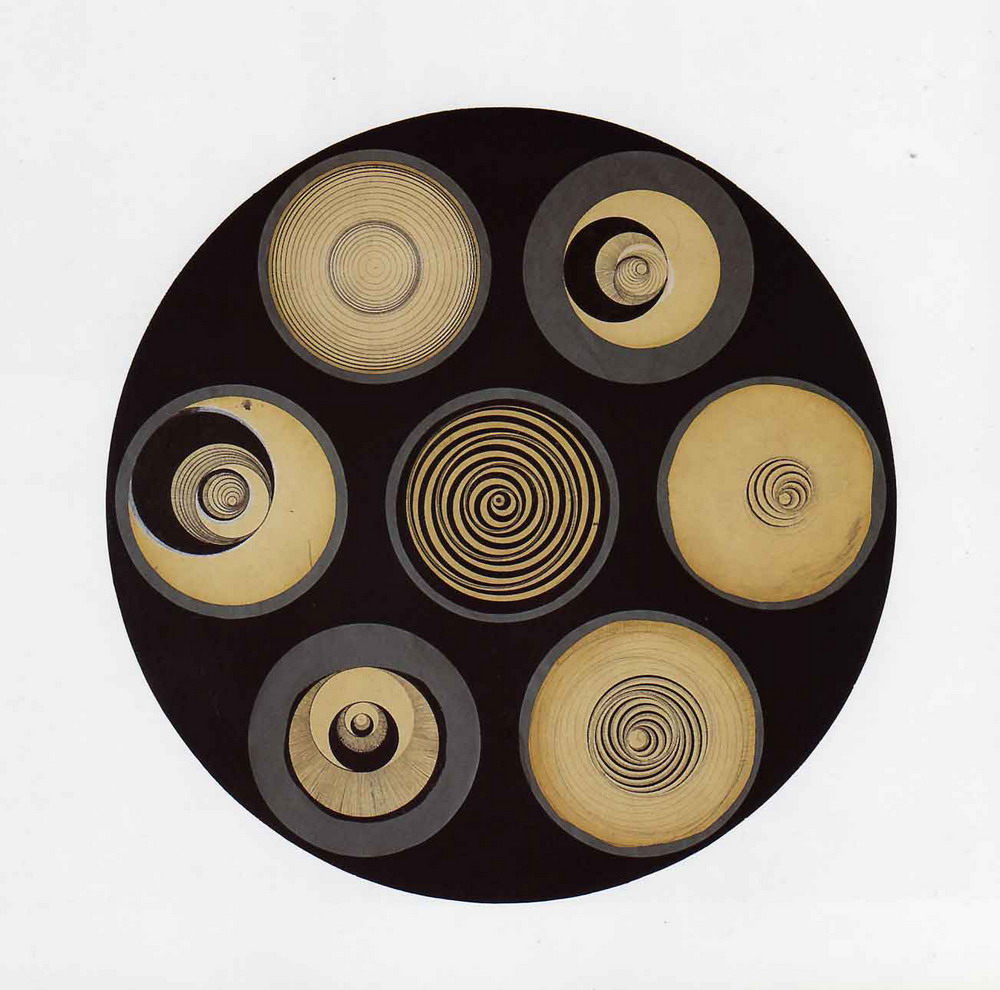
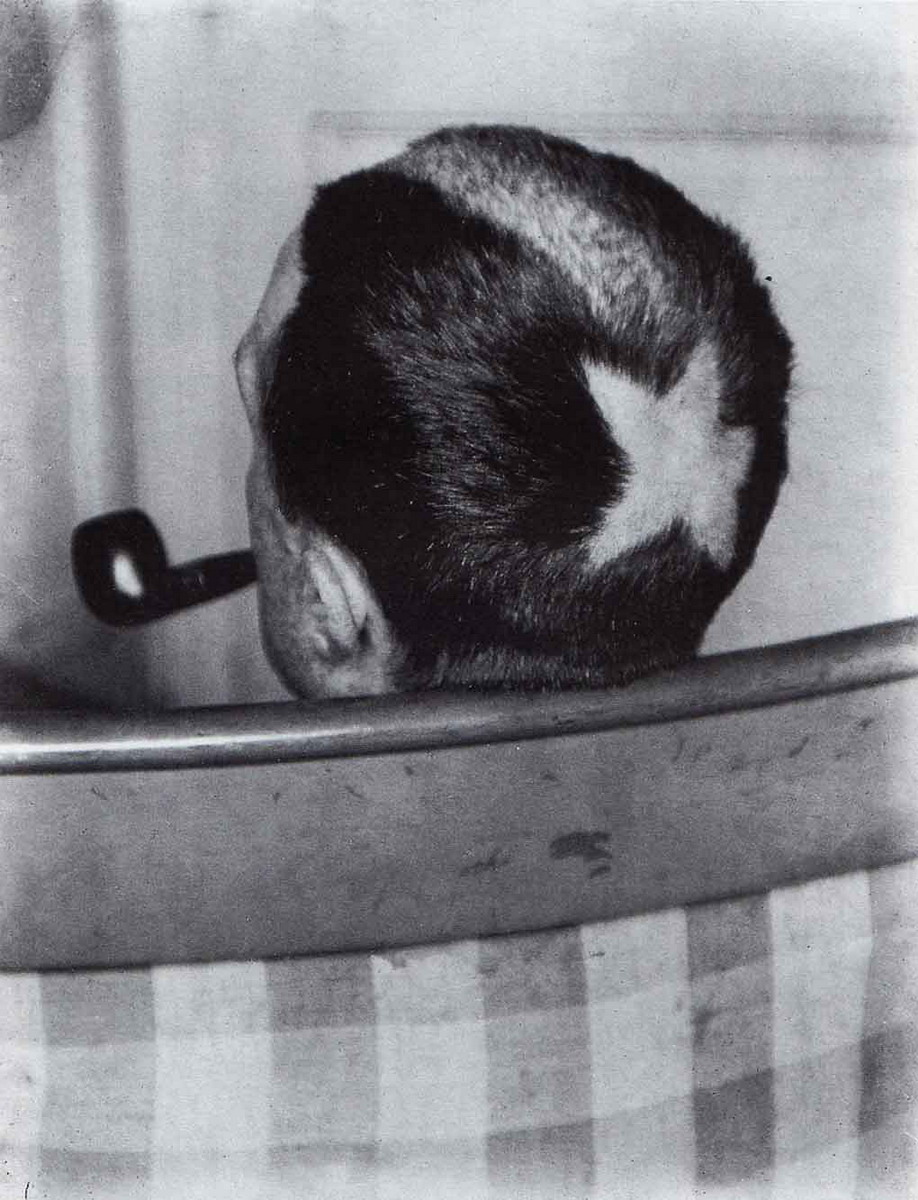
The spirit of Dada also progressed in the activities of some exceptionally individualistic figures, most notably Marcel Duchamp and Picabia, American artist Man Ray, and German artist Schwitters.