Donald Judd Solo Exhibition
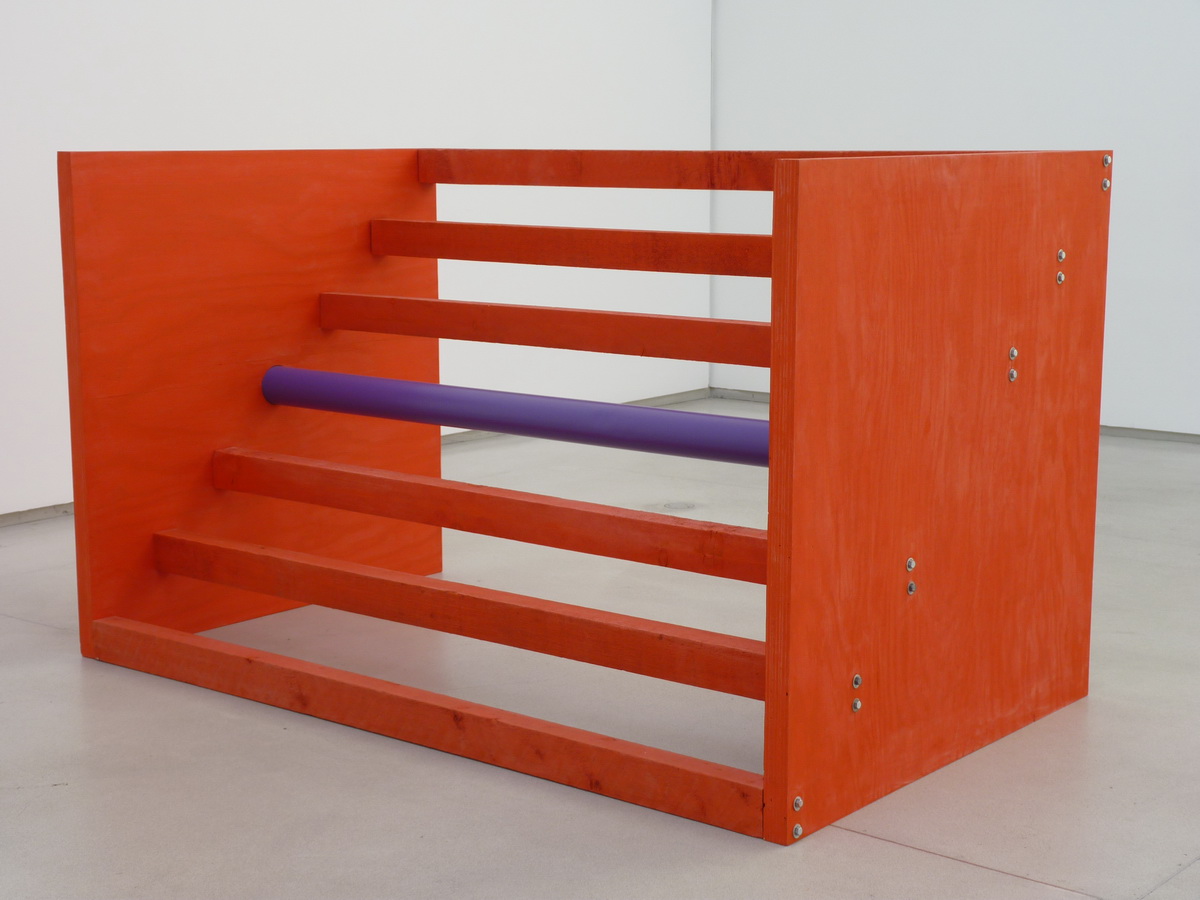
Untitled 1963 121.9x210.2x121.9cm light cadmium red oil on wood and violet enamel on aluminum
Text / Chen Chi-Hsiang Time – April 6 to June 15 Location – Thaddaeus Ropac This exhibition is curated by the Donald Judd Foundation and Flavin Judd.
Donald Judd (1926-1994) was one of the most representative artists of American Minimalism, and also one of the most influential figures after World War II.
His artistic creation is fundamentally based on mathematical logic forms, developing a unique visual vocabulary that breaks the conventions of modern sculpture, creating a non-representational three-dimensional art that exists only through its own presence.
The artist called this "specific objects," rejecting ego-centric mysticism, tending toward industrial colors, and in a non-expressive and impersonal neutral feeling, simplifying patterned or standardized forms as much as possible, shaping them through spatial construction.
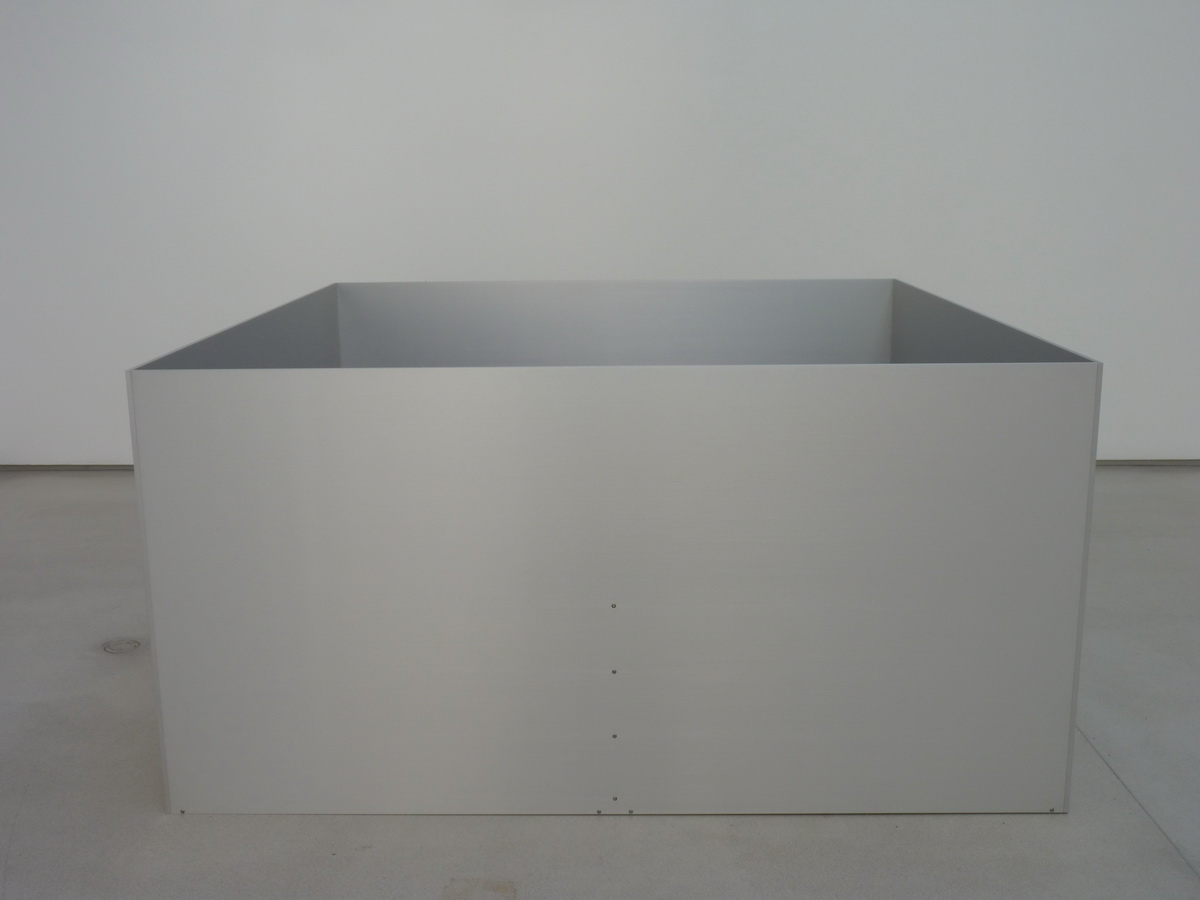
Donald Judd's works all use "single geometric prototypes" in box forms, single or multiple homogeneous facade space installations.
This exhibition features works from 1963-1993, drawing attention to Judd's early 1963 "Untitled," where a purple cylinder appears in the rhythmic staircase structure of red wood; this is also its first exhibition in Paris, announcing his transition from flat painting to three-dimensional objects, as described by the artist: "In this three-dimensional space, one can find sculpture, and also find all material things that do not belong to art," thus foreshadowing the arrival of Minimalism.
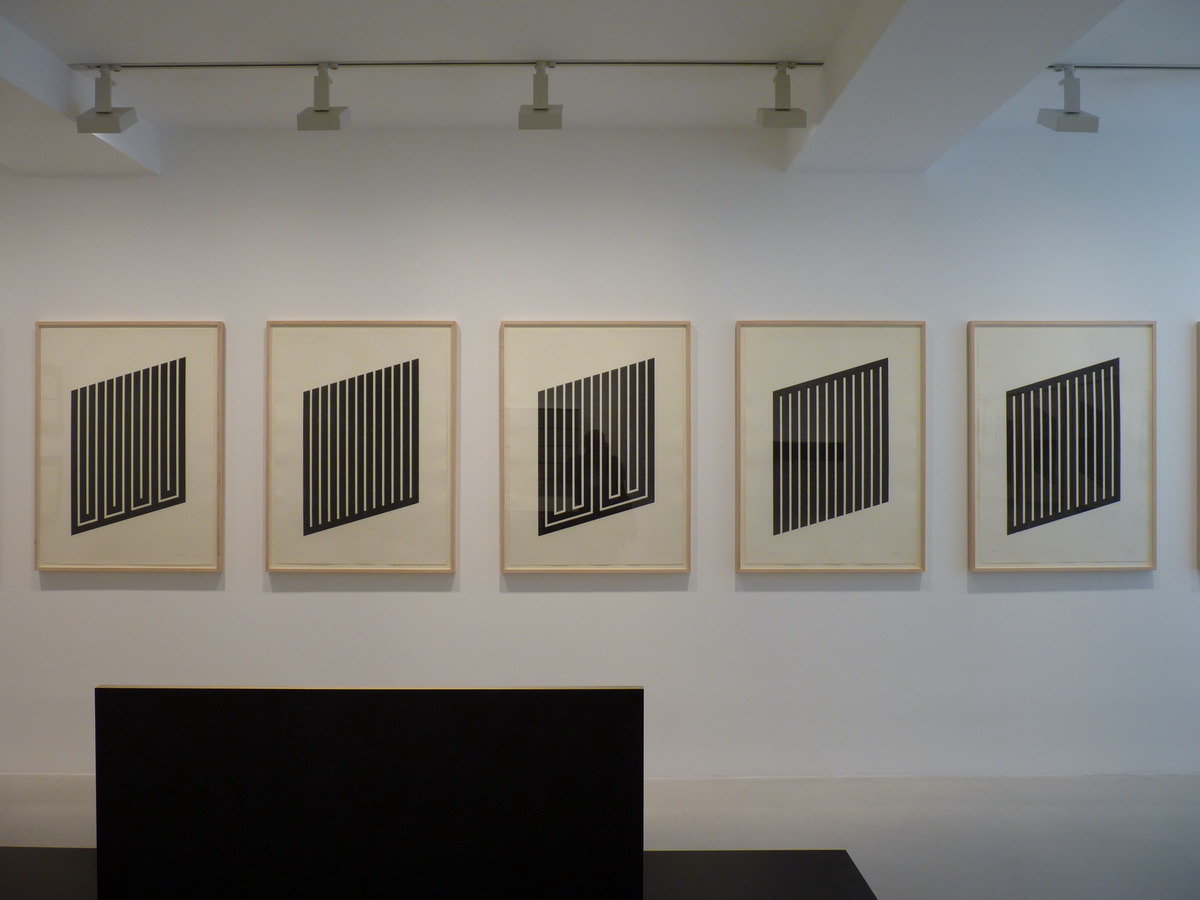
Starting from the 1970s, space within space, volume within volume, established a new creative direction, updating the charter for art objects in architectural space, and constructing new spaces through series.
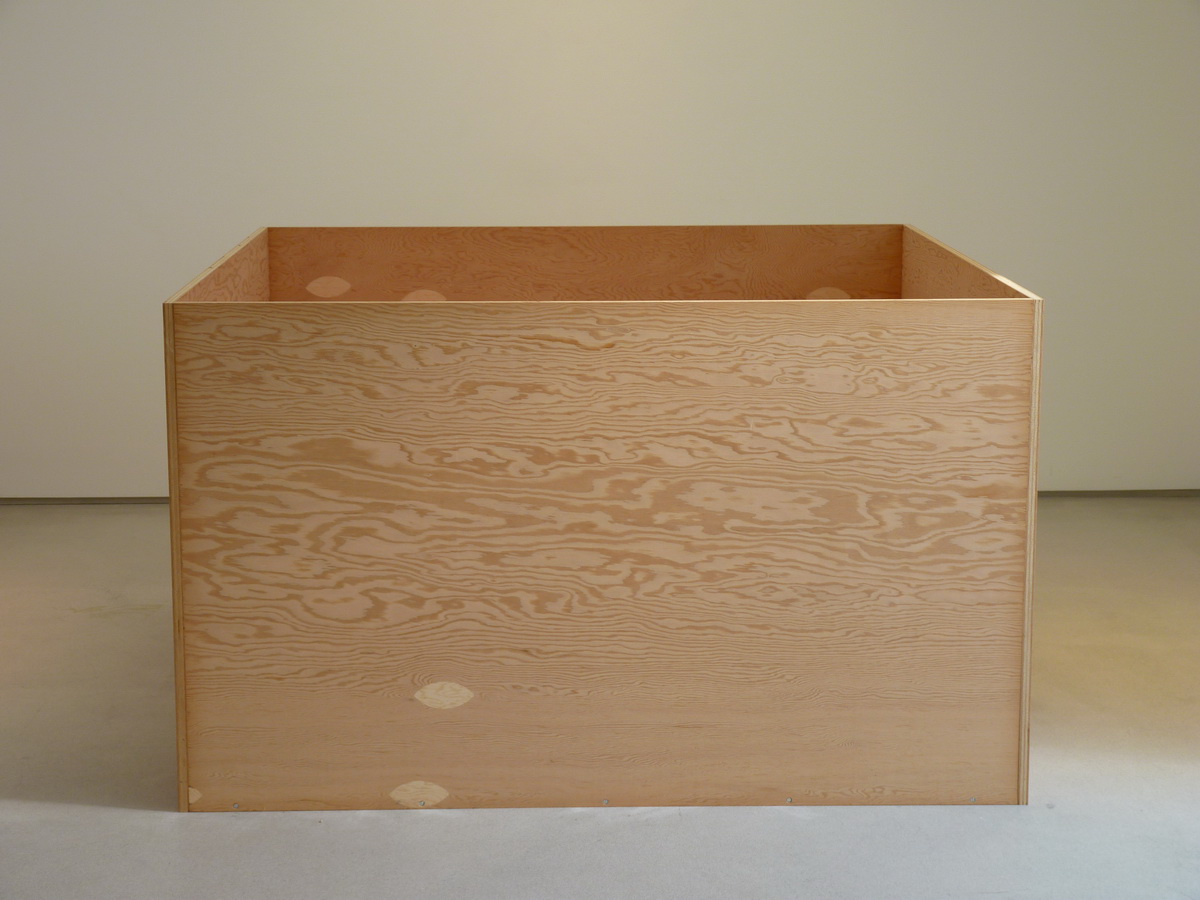
Through industrial standardized forms: square, rectangular, oval boxes or containers, highly systematic, gaining awareness from the exhibition venue and space, then organically formed through repeated placement of most single prototypes, constructed on walls or floors, rigorous geometric industrial works exploring a rhythm of void and reality, presenting a "beauty of order." He said: "...What interests me is the work in its overall effect.
I never thought of other methods of presentation, a composition that allows this part to become more interesting" (Note-1).
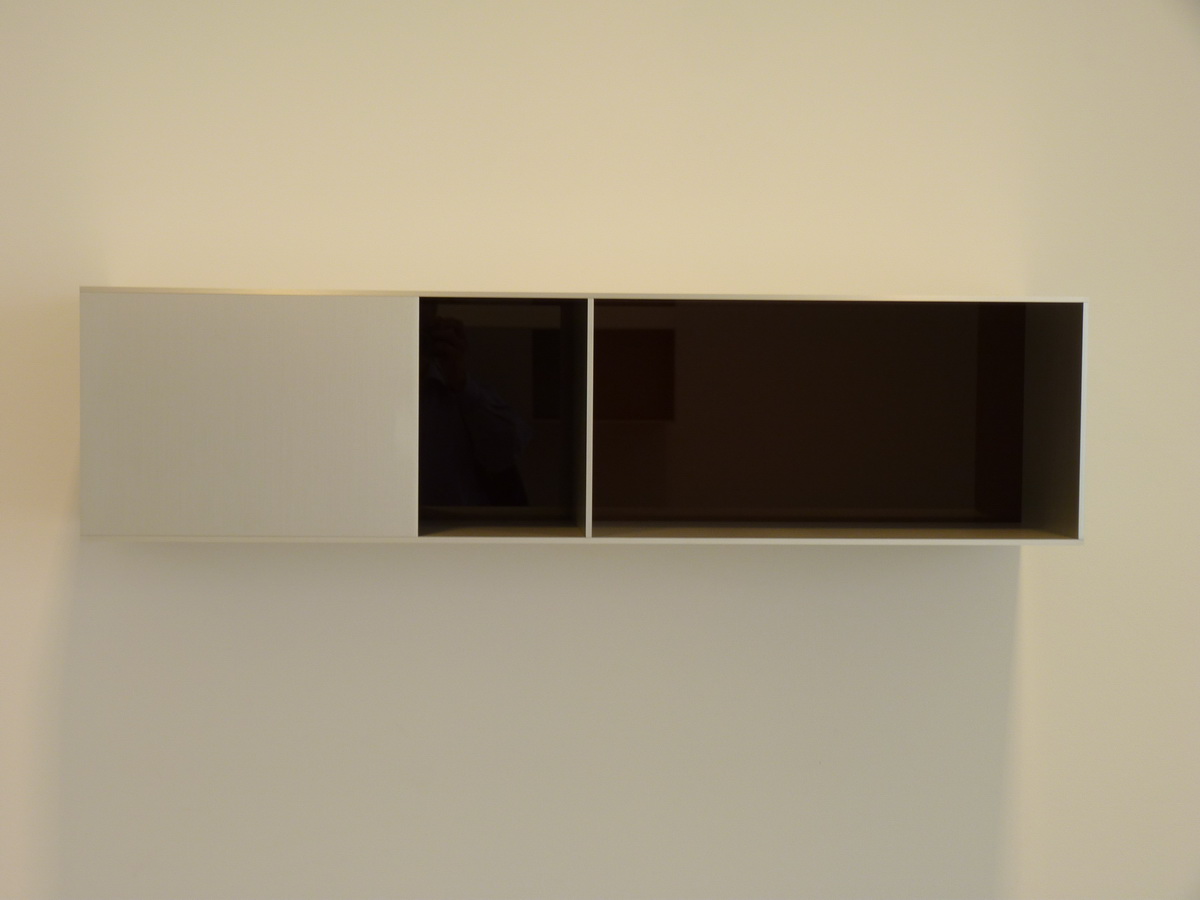
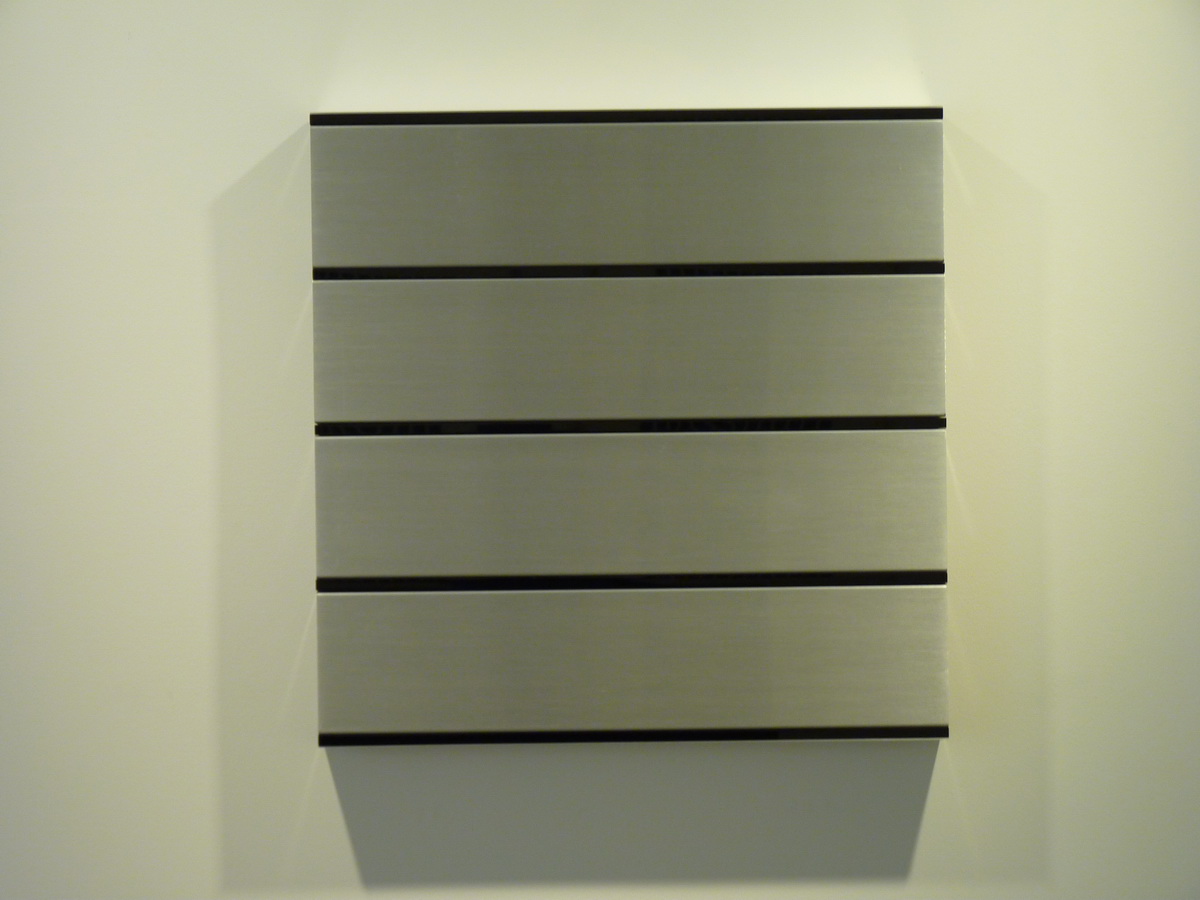
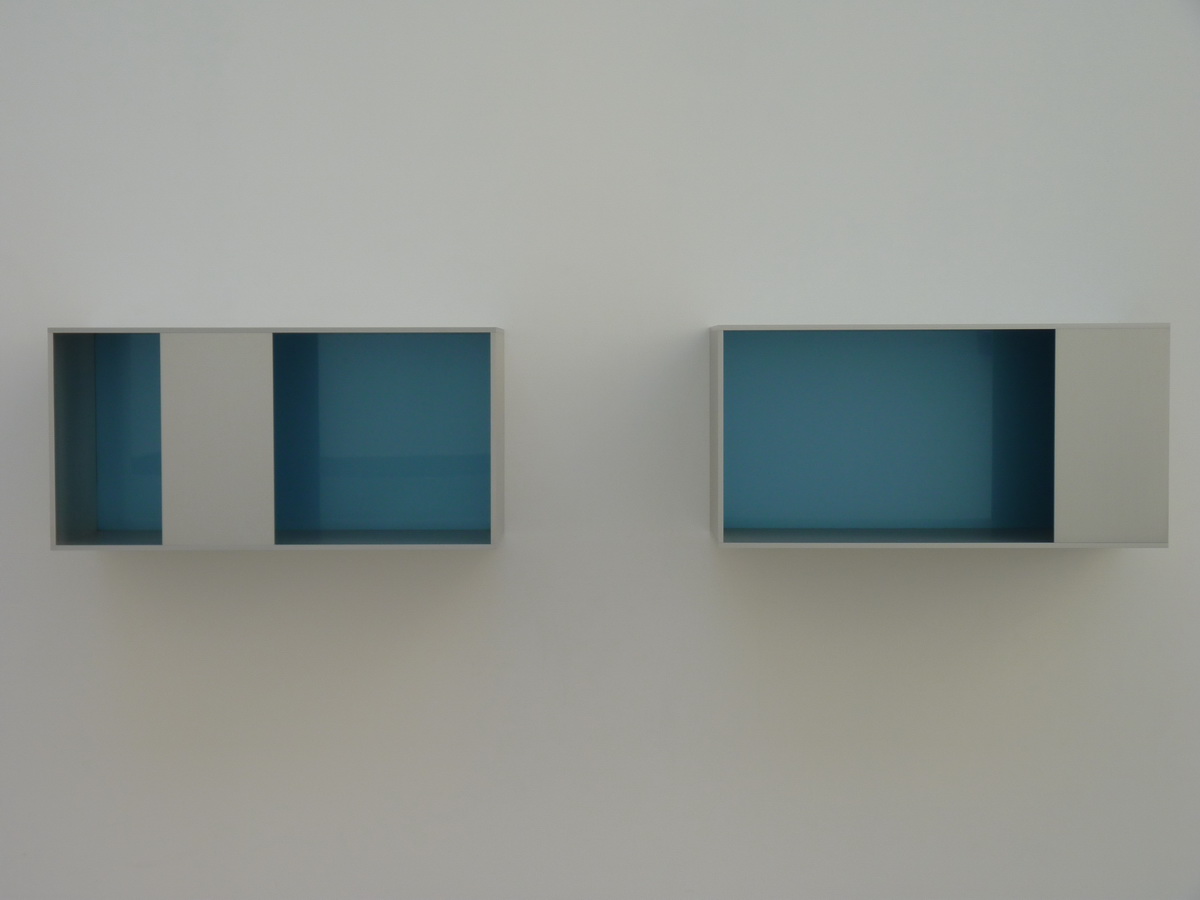
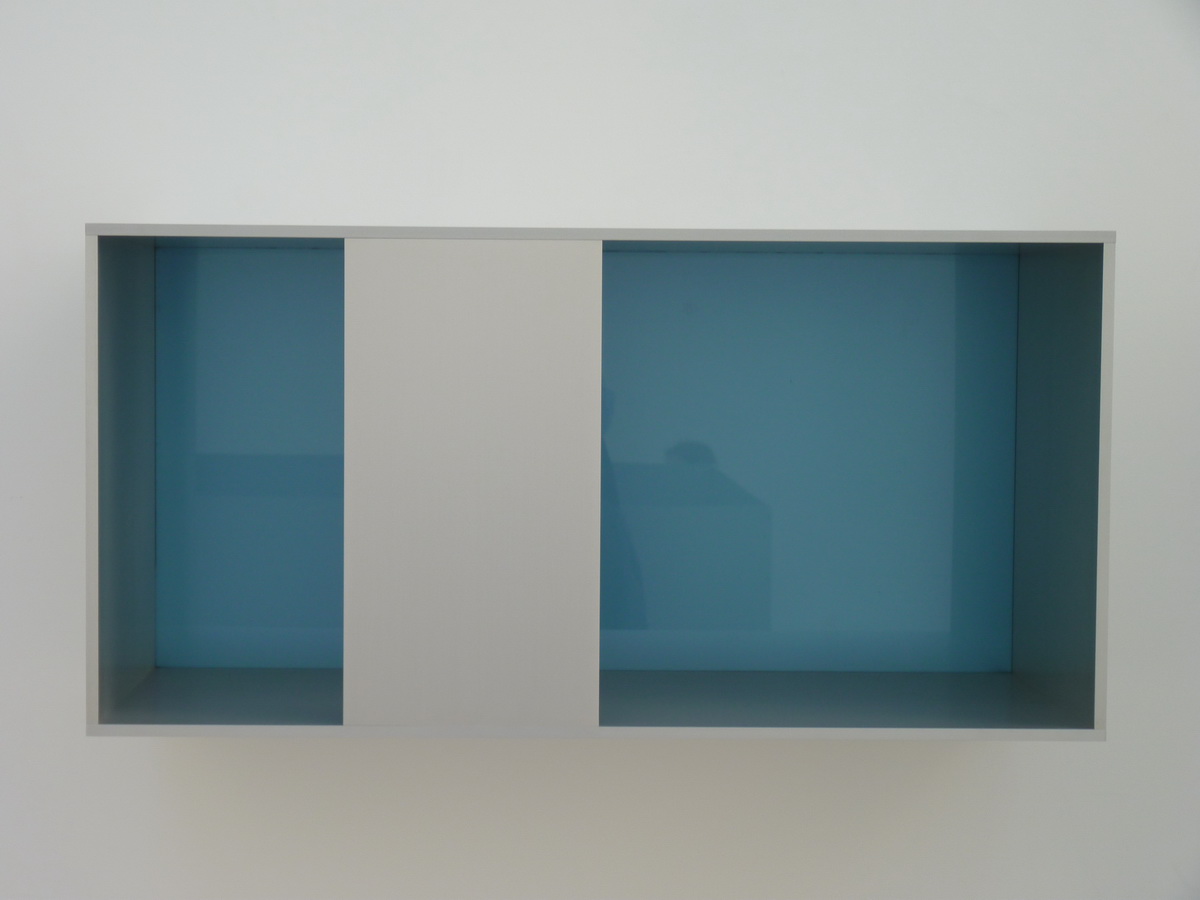
After the 1980s, color was gradually rediscovered from material textures, especially in combinations of plywood and organic painted glass, and in series constructed from aluminum alloy rectangular or square box combinations.
Color replaced the texture of the materials themselves; through the combination and construction of colors, forms were purified into color planes and lines, reminiscent of Mondrian's geometric abstract paintings.
Here, Judd transformed this into three-dimensional objects, existing between painting and sculpture, between plane and volume, between parallel and perpendicular—a constructive artistic exploration. Donald Judd can be said to be the most pure among Minimalist artists.
In the entirety of the visible, he rejected all ambiguity. He stated: "One form, one volume, one color, one surface are the thing itself. There is no need to disguise it to make another absolutely different part. Form and material remain unchanged in their context. So!
All consistent objects or series constitute an overall order, all precisely arranged. My works are series arrangements, (...), a series of four or six does not change galvanized iron or copper, or boxes constructed from other glossy materials" (Note-2).
Note-1: Donald Judd, February 27, 2004, Arts section of Le Monde, France. Note-2: Art News, September 1966