Duane Hanson Solo Exhibition in London
Self-Portrait with Model, 1979. Polystyrene polychromed in oil. Mixed media with accessories.
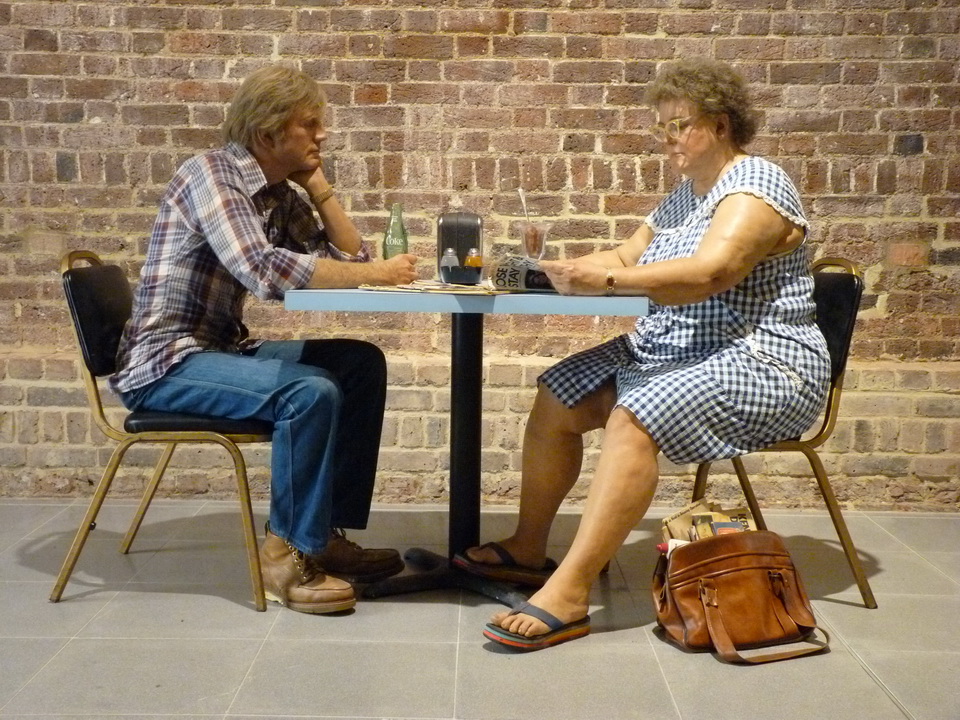
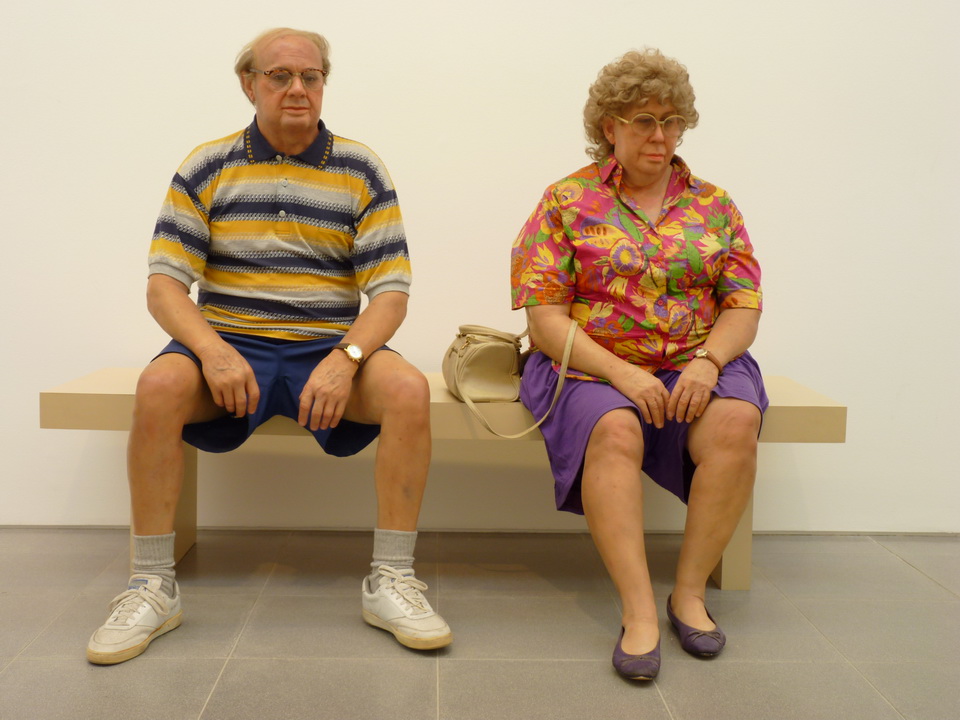
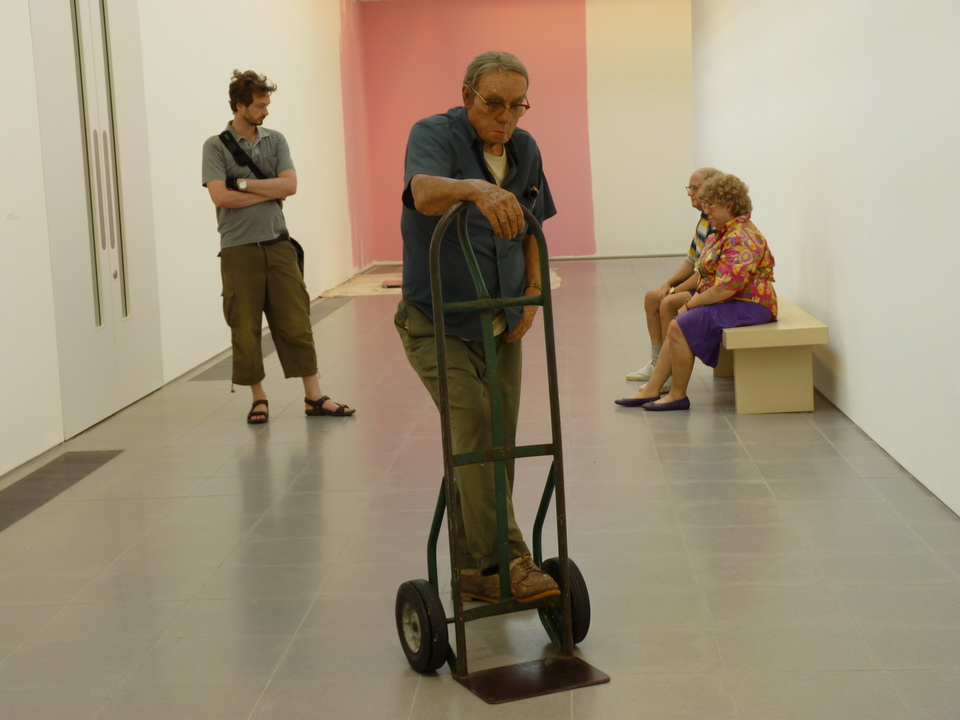
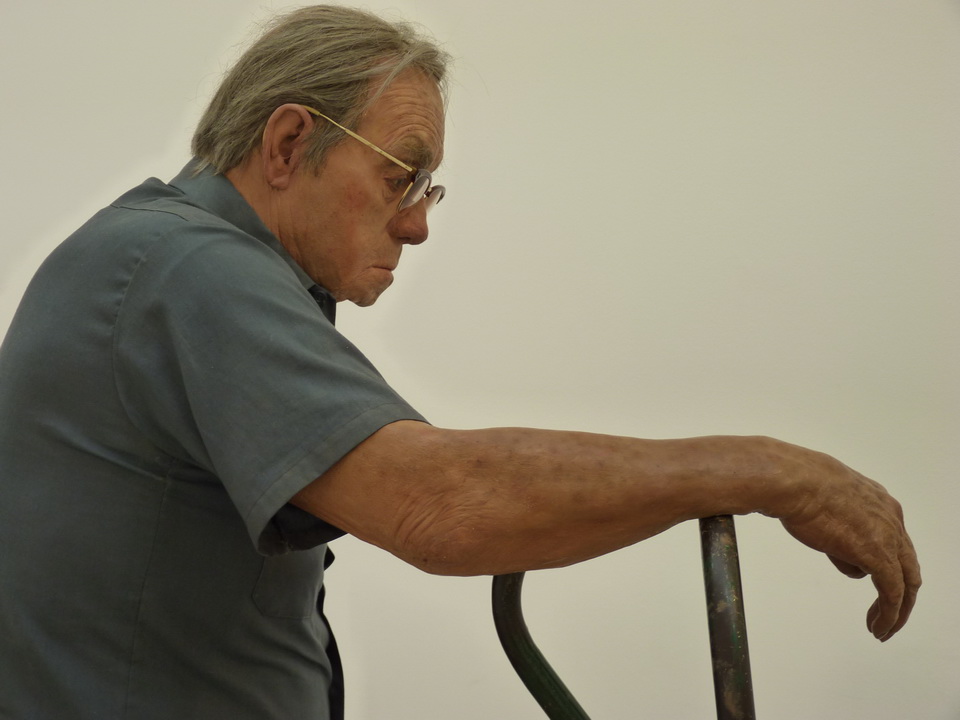
Dates: June 2 to September 13. Venue: Serpentine Gallery, London. Text and photos by Chen Chi-Hsiang.
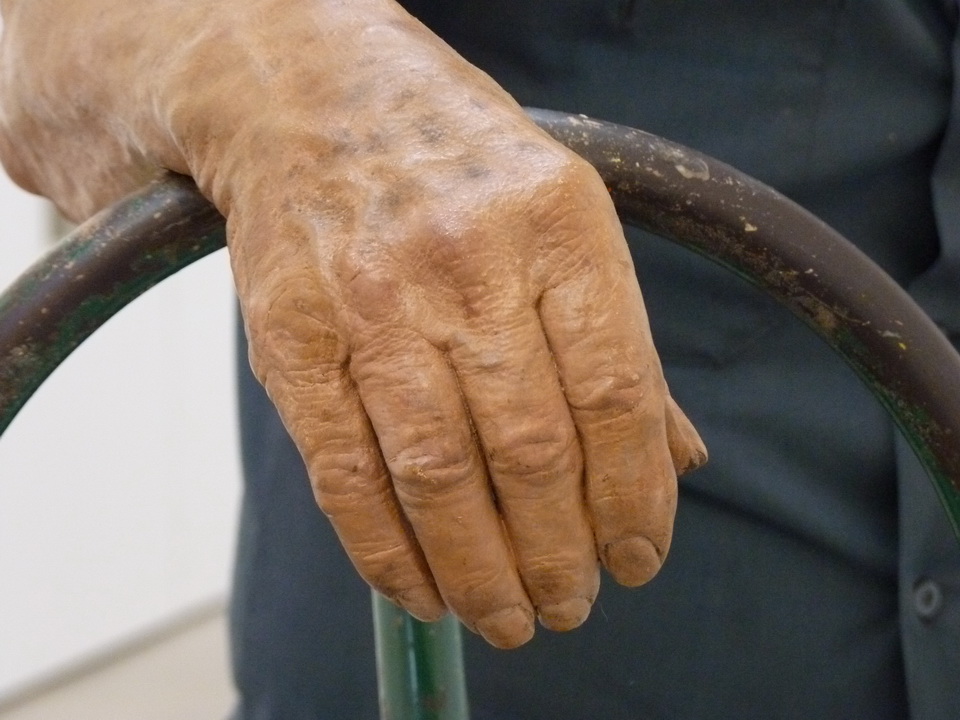
Duane Hanson (1925–1996) is an American super-realist artist known for deceiving the eye. He created dramatic life-sized figures, sprayed with skin-like textures, dressed according to social class themes, and placed in realistic social environments. His works vividly mimic reality, often depicting characters from a capitalist consumer society.
Early works addressed social issues, such as a corpse of a woman who had undergone an abortion covered by a white sheet, or drunkards lying on the street with dirty clothes and empty bottles scattered around. Following the American Black riots, particularly after the assassination of Reverend Martin Luther King Jr. in 1968, he depicted scenes like a white police officer brutally beating a Black man lying on the ground with a baton, turning these events into eternal monuments.
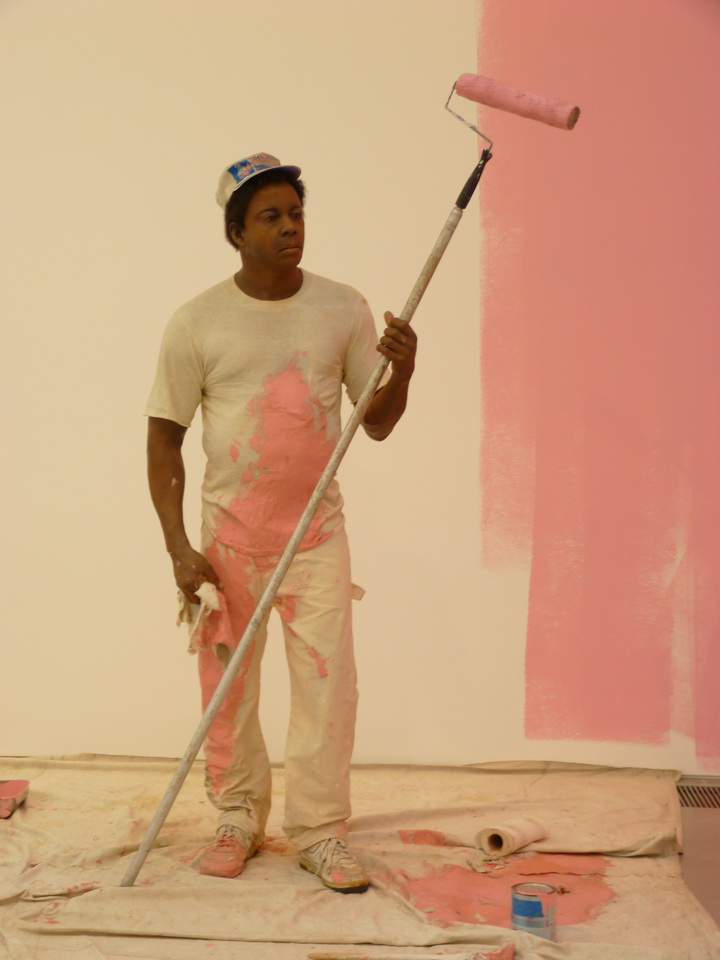
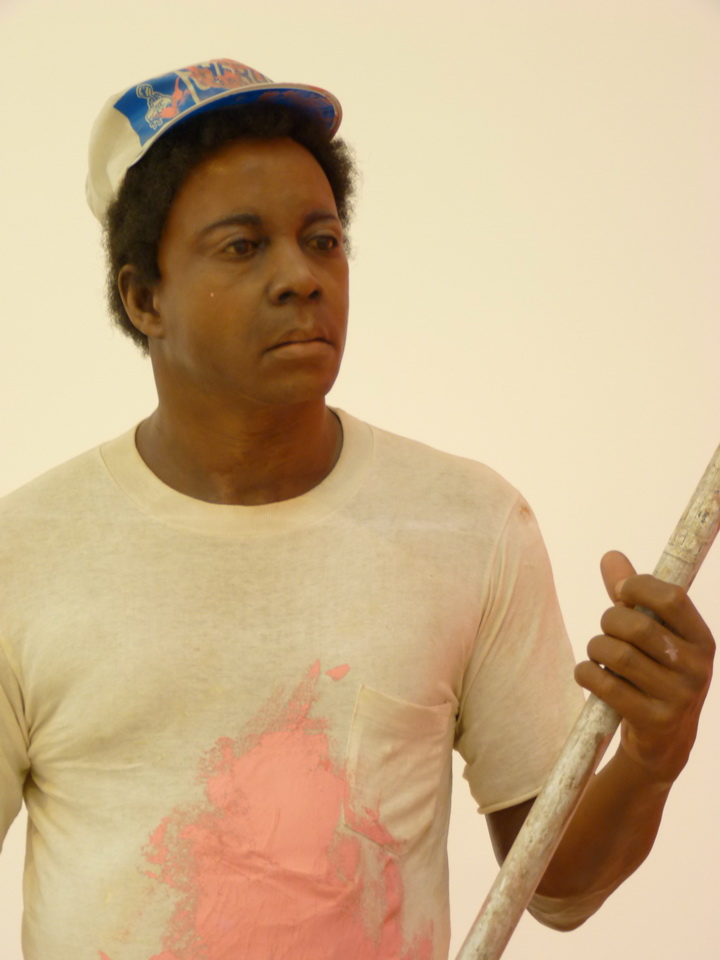
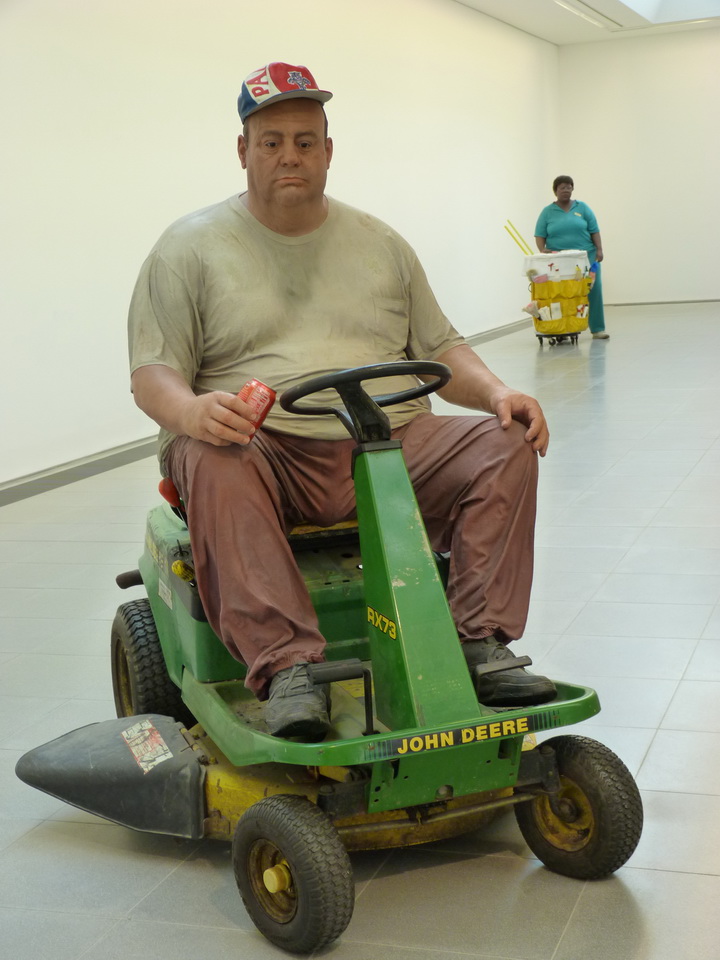
Later, his focus shifted to capturing scenes of American consumer society: painters, cleaners, office workers, tourists, or obese women pushing shopping carts full of goods from supermarkets. These figures were dressed and posed according to their roles and social strata. Standing at actual human scale, they are so lifelike that if viewers stand still, they might mistake them for part of the artwork. In this way, viewers become living sculptures in Hanson’s dramatic realism. When the fake becomes real, the real becomes fake; is this not a fictional inversion or illusion?
Hanson stated: "The sculptures I create aim to reflect the values of the American lower-middle class. I want to express the profound sense of ordinary people. My works reveal emotion to capture the truth of life."