The Barbizon School
Corot, Morning Nymphs, 98x131 cm, 1850, Musée d'Orsay, Paris Collection

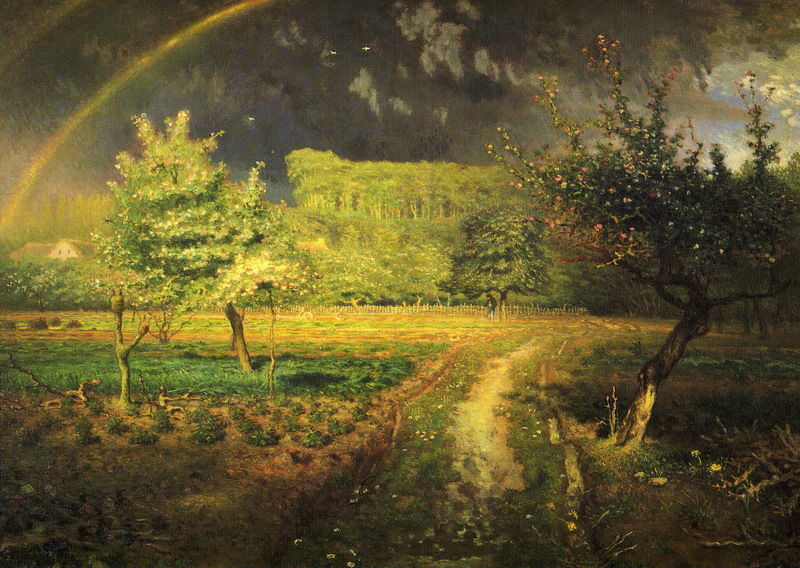
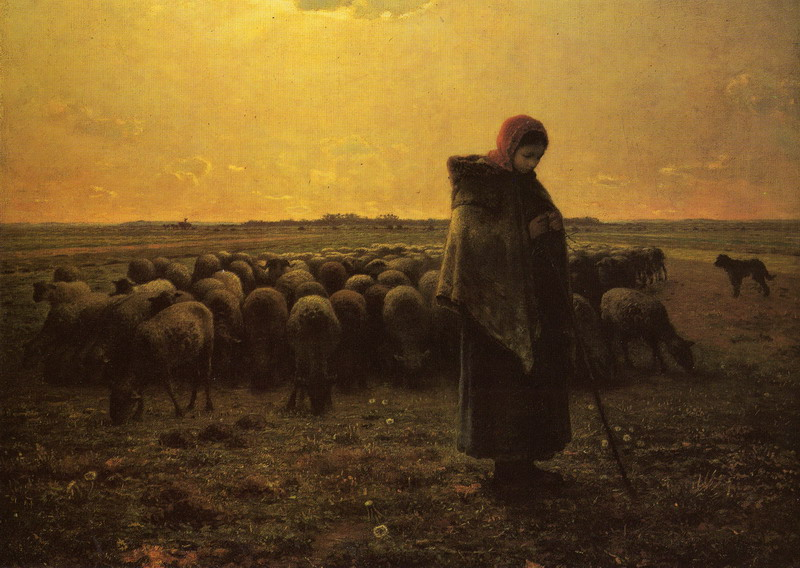

The naturalistic realism of the Barbizon School (Ecole de Barbizon) emerged between 1830 and 1860. A group of painters opposed to industrial civilization abandoned urban culture and official art, moving to the Barbizon farmhouse near Paris on the edge of the dense forests of Fontainebleau. They sought new creative inspiration and form, depicting bright nature and simple rural landscapes much like 17th-century Dutch landscape painting.
These young artists were inspired by Romanticism (declaring freedom in plastic arts and denying all classical rules). They particularly admired Delacroix's emotional color and free brushstrokes, opening up infinite painting light and space through observing natural scenery. Members of the Barbizon School included Rousseau (T. Rousseau), Millet, Corot, Daubigny, Har Pignies, Diaz, Dupre, and Troyon.
This unprecedented exploration of painting light and space found directly through observing nature became an object of admiration for the younger generation of painters and the starting point for Manet and the Impressionists to explore. The Barbizon School's investigations sowed the seeds of a new aesthetic for the century and became a sect for future regional realism.