Paris School - Abstract Painting
Jean Fautrier (1898-1964), emphasizing materiality, Sleeping [Private Collection 1945]

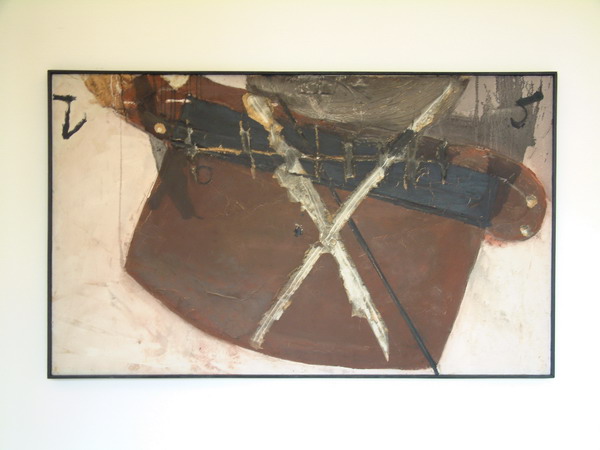
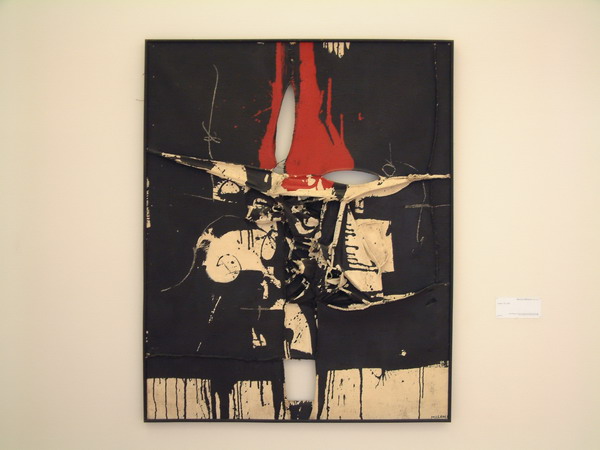
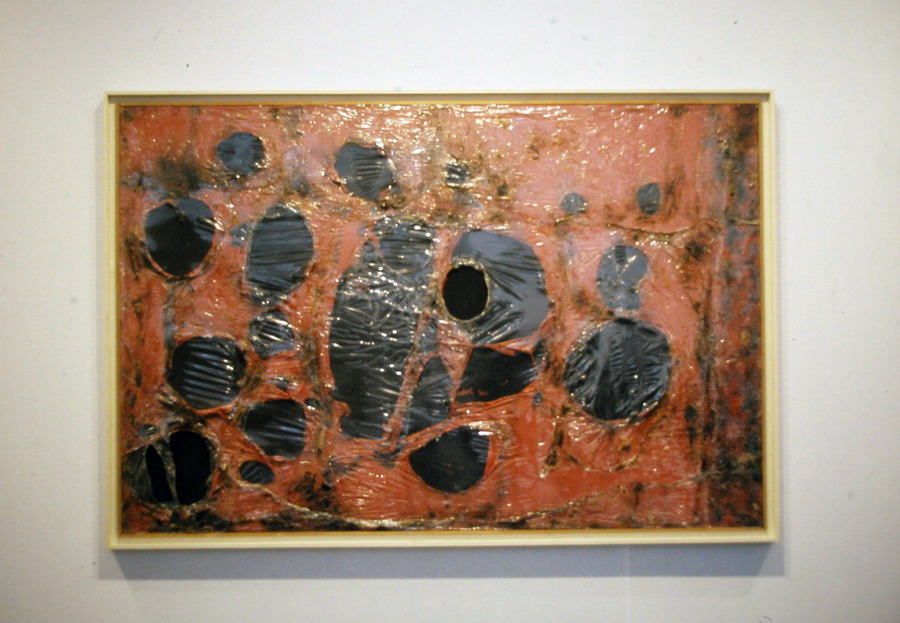
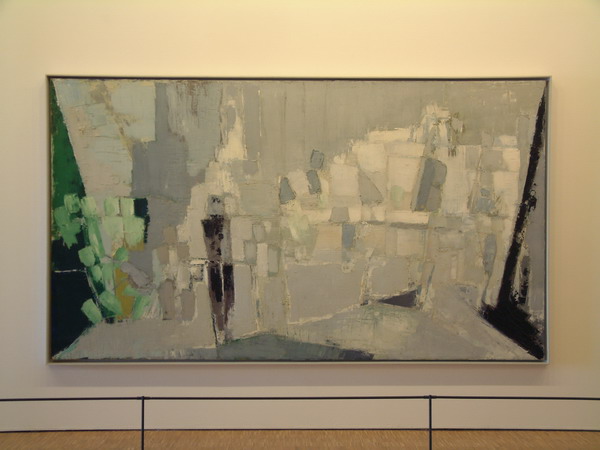
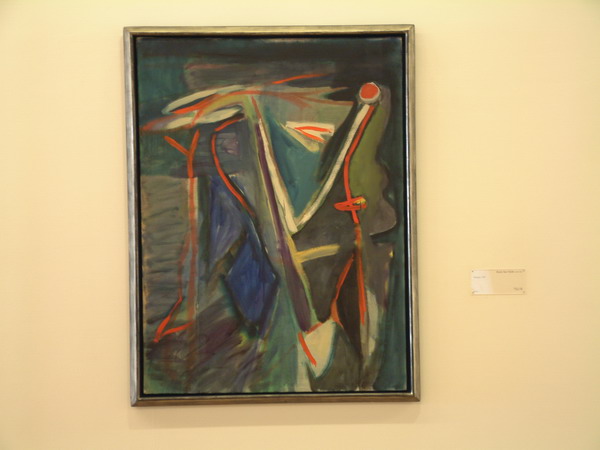
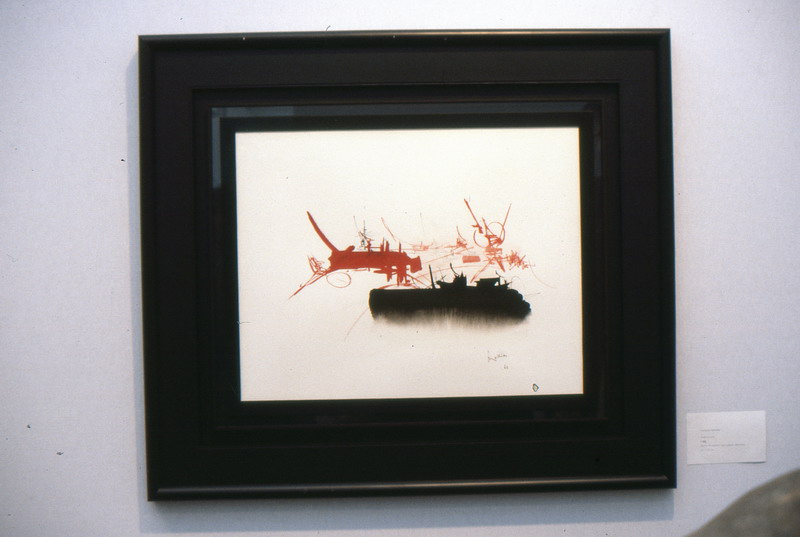
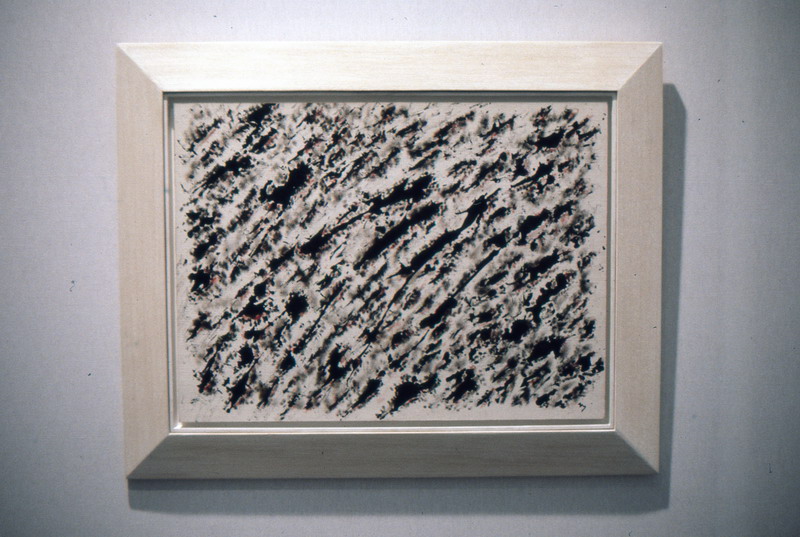
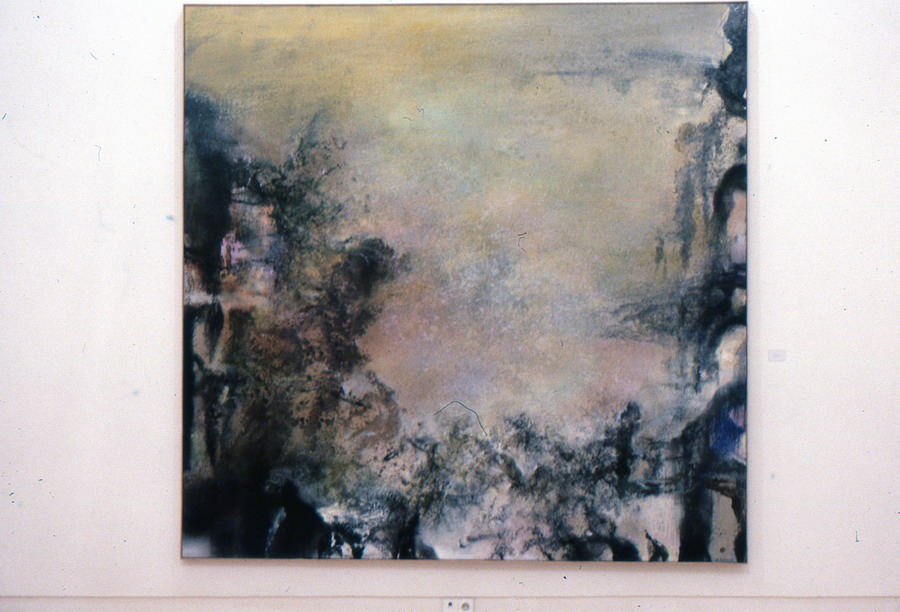
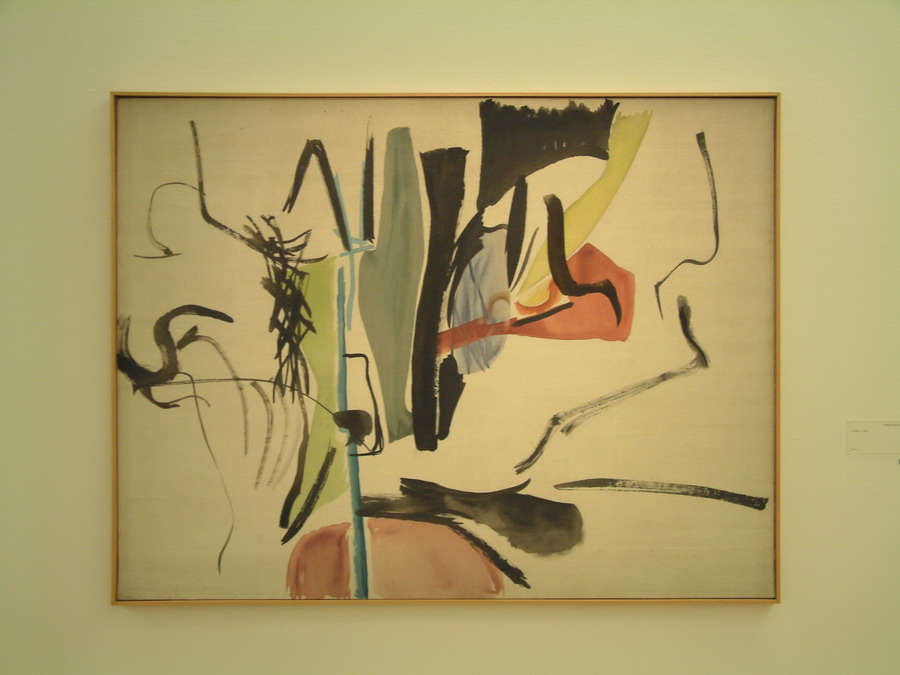
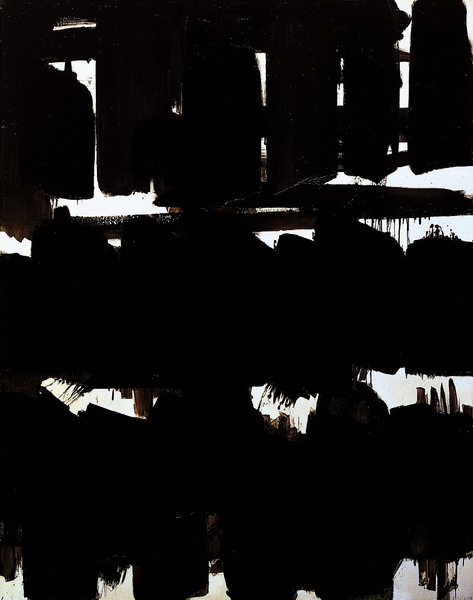
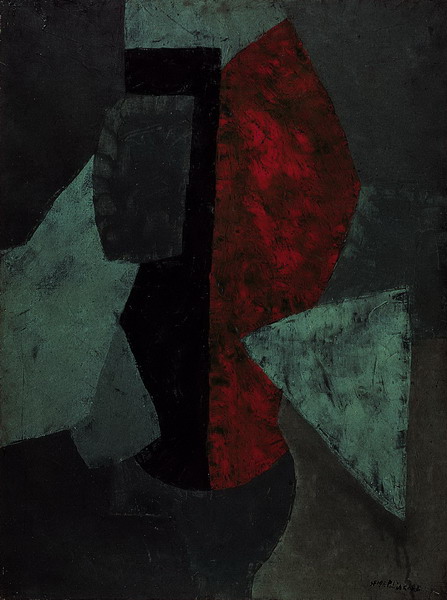
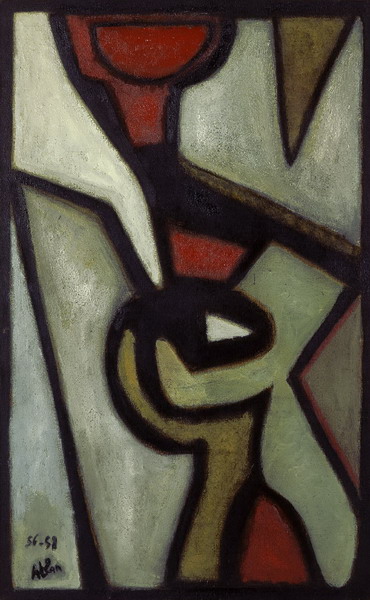
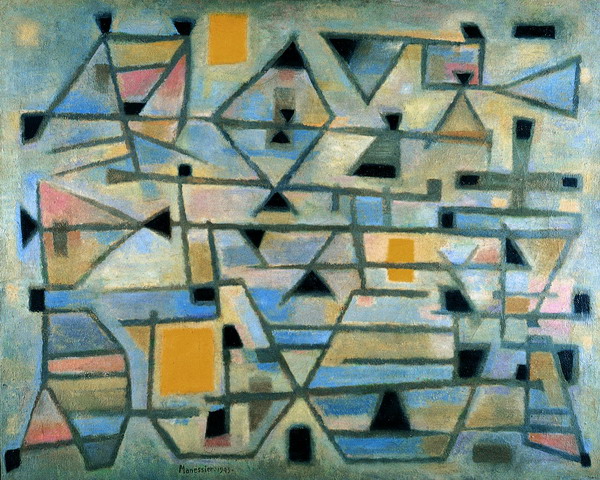
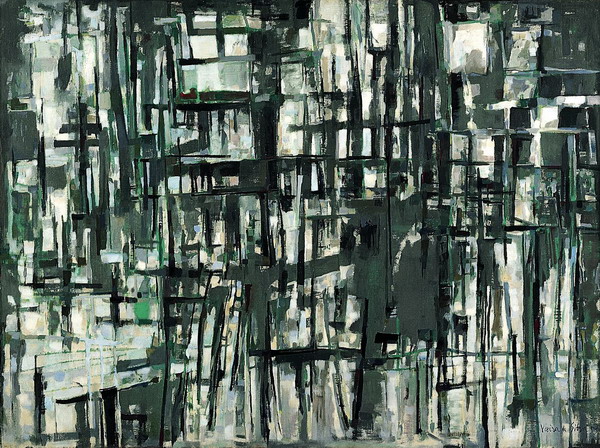
After civilization passes through dark and barren wastelands, it reaches the human inner abyss. After World War II, all human civilization gradually moved toward disillusionment. Art at that time attempted to liberate itself from the human heart, using pure form and color to display a sensual language in the metaphysical spiritual realm, tending toward idealism, and attempting to heal life's disillusionment and the trauma suffered by the mind; this became the essence of post-war abstract painting creation. Post-war 1950s Paris Lyrical Abstraction was a reaction against the monotony, restraint, asceticism, and repressed non-expressiveness of pre-war geometric abstraction. They inherited the internal imagery music of Cubism, Expressionism, and Kandinsky, Klee, and others' lyrical abstract painting art, attempting to construct points, lines, planes, and space, focusing on form on the surface support. Within European humanism, they mastered unconscious behavior in Surrealism and liberated themselves through automatism techniques into free abstract methods, focusing on mental imagery intentions, carrying a strong European humanistic traditional spirit.
Paris School Lyrical Abstraction generally explored and pursued an aesthetic form. Liberated from that sensitive sensibility and those novel and freer abstract methods, they possessed an optimistic and enterprising spirit full of new life after the war, without being infected by the depression of war. Conversely, they seemed intentionally isolated from society, like artists in an ivory tower, in an excited, sensitive, and witty illusionary world. Of course, there were exceptions like Fautrier's masterpiece Hostages created during the war, which displayed the manifestation from diplomatic feelings to inner essence. Or the will forms displayed by Spanish painters Tapies and Millares facing military dictatorship and inner repression. However, Italian painter Burri was no exception; he explored the inner deep forms of human essence, expressing the essence of existence through the application of various materials (burlap, plastic sheeting, burned with fire). These works directly stated that existentialist metaphysical extreme pain, but what was actually uplifting was the interest in their works and their approachable feeling.
Overall, Paris School Lyrical Abstraction is divided into three major types based on its expressive forms: First, amorphous expression (e.g., Wols and Fautrier). Second, formal expressionists (e.g., Hartung, Soulage, or Tapies). Third, between amorphous and formalists (e.g., Mathieu).
Its main representative artists: French Jean Fautrier (1897-1964), Wolfgang Wols (1913-1951), Hans Hartung (1904-1989), Pierre Soulage (1919), George Mathieu (1921), Henri Michaux (1899-1984), Nicolas de Stael (1914-1955), Serge Poliakoff (1900-1969), Jean-Michel Atlan (1913-1960), Jean-Paul Riopelle (1923-2002), Jean Messagier (1920-1998), Alfred Manessier (1911-1993), Maurice Esteve (1904-2001); Italian Alberto Burri (1915-1995), Emilio Vedova (1919-2006), Giuseppe Capogrossi (1900-1972); Spanish Antoni Tapies (1923), Antonio Saura (1930-1998), Manolo Millares (1926-1972); and others such as Bra van Velde (1885-1981), Vieira da Silva (1908-1999), and Zao-wou-ki (1921), etc.
Wols belongs to natural body amorphous abstraction. Hartung constructs calligraphic forms bundled or tied. Mathieu performs action painting under European humanism, delicate and elegant. Stael pursues comprehensive modern and traditional painting, emphasizing color planes, which is close to Poliakoff. Riopelle emphasizes amorphous abstraction of color and texture. Michaux tends toward Eastern-flavored abstraction. Like Tapies, the Italian material painter Burri creates the essence of existence through poor materials (plastic sheeting, burlap, etc.), expressing the interest of matter, giving an approachable feeling. Fontana's spatialism works of holes and tears in canvas, real space works, are all presented in these spatial symphony paintings and explosive ceramic sculptures.