Eduardo Arroyo "Correspondence" Solo Exhibition
Admired by magical figures, Lézer's 80x100cm oil painting (2007). Image from www.louiscarre.fr.
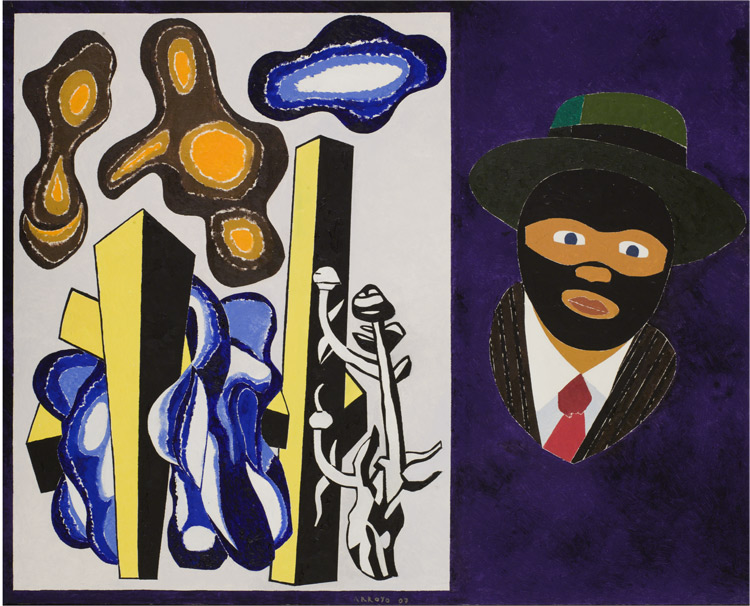
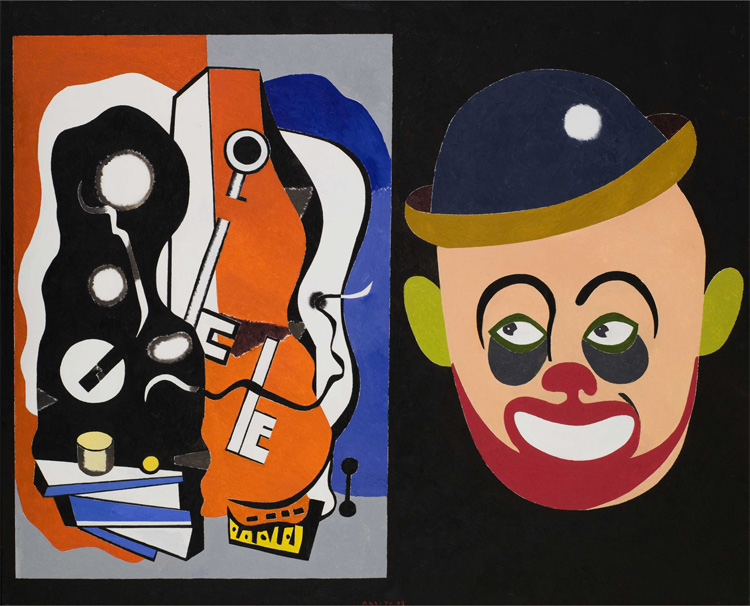
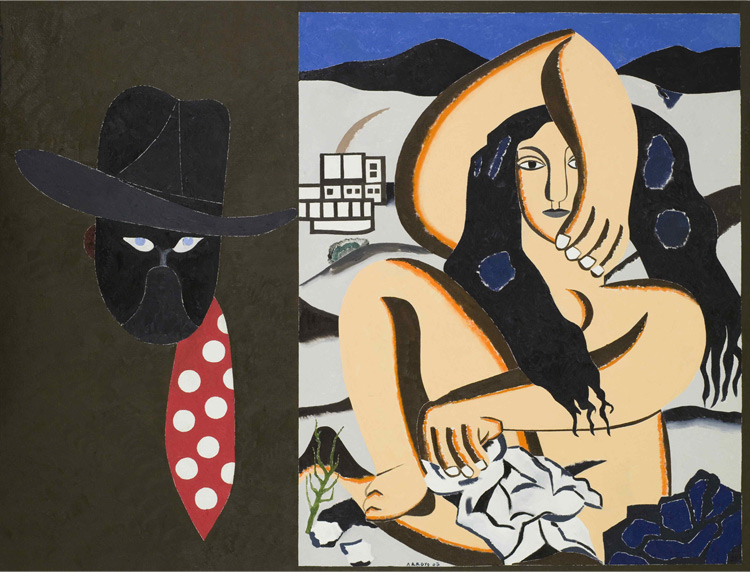
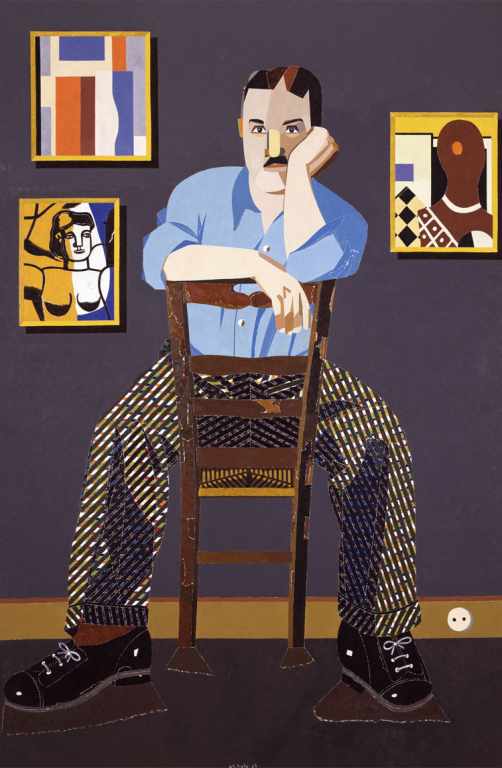
Painter-Lézer Portrait, 130x195cm, Oil on canvas, 2007. Image from www.louiscarre.fr. Eduardo Arroyo "Correspondence" solo exhibition: On display at Louis Carré & Cie from April 24 to May 31. Born in 1937, Eduardo Arroyo is one of the most representative artists of European narrative realism in the 1970s and the most radical figure in this movement. He went into self-exile in Paris, France, in 1958. Soon after, he fully devoted himself to artistic and activist efforts against the Spanish Francoist dictatorship, using strong, ironic narrative realism to expose society under tyranny. His works possess a strong subversive and destructive spirit, all fervently expressed through literary narrative realism. In 1963, the artist wrote: "Today, studio art, aesthetic contemplation, and speculation are no longer the subject; the artist refuses to be an animal of painting, demanding anecdotalism." Since 1960, he actively participated in the Young Painters Salon, meeting with radical painters and intellectuals there. In 1963, he participated in the Third Biennale of Paris, exhibiting his Portrait of the Dictator series, which angered the regime, leading to the revocation of his Spanish citizenship and confinement to his homeland, forcing him into self-exile in "Paris," France.
In the 1970s, his groundbreaking Spain Inside series was filled with fighting spirit. Works like Spanish Knight, featuring a man dressed as a woman in a suspenseful dramatic plot, or Spanish Student Leader Jumps to His Death, Different Beards of Spanish Reactionaries, and Spanish Chief Bishop Watching How to Strike a Goose, used cold techniques to mock themes comically and brutally. With the arrival of Spain's new era in 1976, the first signs of peace appeared in Dressed Up Rolling Down the Stairs, depicting the death of Franco in 1976. Through sharp imagery, it metaphorically displayed black comedic humor, revealing undeniable joy and hope. In 1977, Return After Exile and in 1978, Accompanying Return to Barcelona reflected his return to his homeland with skepticism and unease after the collapse of the dictatorship, resembling the suspenseful plots of film detective stories, as if unimaginable events were about to occur.
In the 1980s and 1990s, he swept away past doubts of exile, rediscovering innocent daily life myths and anecdotes. Poetic and picturesque, full of imaginative space, he reconstructed an optimistic and positive world of Spanish rural imagery. Examples include Chimney Sweep Workers, The Whole City Is in Conversation, or the Magnolia Series with Furniture for Rent.
In this solo exhibition of new works from the "Correspondence Series," he pays highest tribute to the famous painter Fernand Léger. Clearly, in this post-modern twilight era, where knowledge and cultural inflation prevail, borrowing from the past to comment on the present is dominant, with numerous artworks involving renewal, retro trends, plagiarism, and appropriation in art history. In today's multicultural and commercially driven era, many free or economically speculative creations (let us call them such) flood the art market. Under virtual market mechanisms that seem more real than reality, it is difficult to discern the ambiguous meanings and motives behind these virtual and real implications. Whether established artists or young newcomers, they are no different. This exhibition by Eduardo Arroyo is also an example. Regardless of whether paying tribute or re-viewing famous painters' works, here the borrowing or appropriation of Léger's paintings creates an obvious ambiguity? Half borrows or plagiarizes famous paintings, while the other half relies on image figures from his past stylistic forms (clowns, police, Mickey Mouse, anonymous figures, and little black cats). Under rigorous structural organization, he constructs these extraordinary corresponding or dialogical images, with light wit and literary quality. The artist said: "It is precisely this serial appearance, fragments, divided into planes, these different styles, these mixes, etc., all these inconsistencies that compose the harmony of my work."