The Paris Sewers
(Img) Visiting the Paris Sewer Museum is located by the Pont de l’Alma on the Seine, not far from the Eiffel Tower.
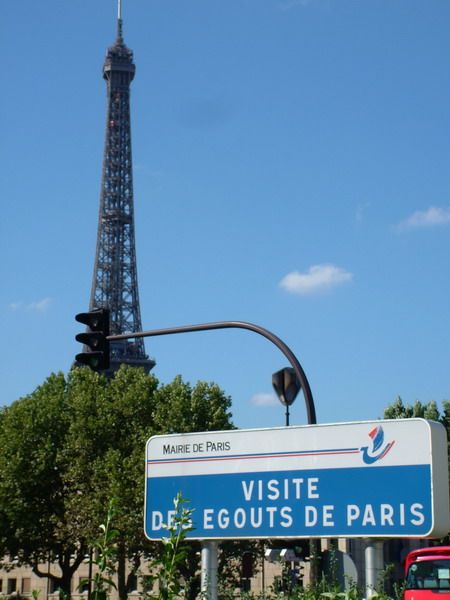
(Img) Visiting the Paris Sewer Museum is located by the Pont de l’Alma on the Seine, not far from the Eiffel Tower.
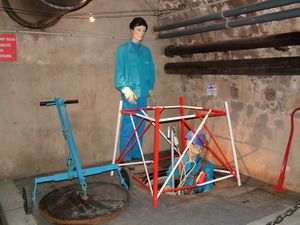
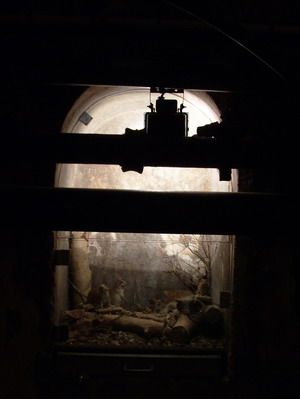
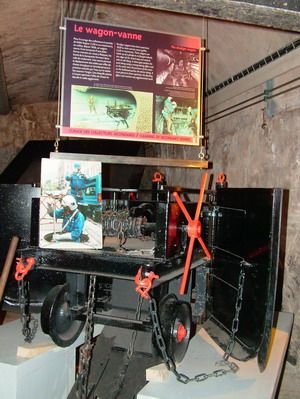
(Top) A model demonstration of maintenance staff work inside the Sewer Museum. (Bottom left) An orderly series of pipes along the trench wall. (Bottom right) Wastewater channels and equipment within the sewers.
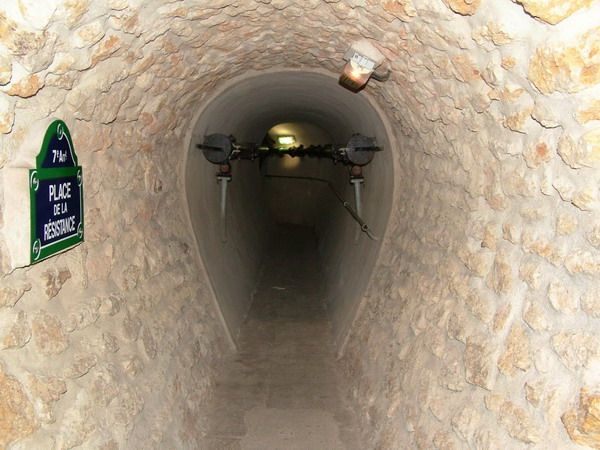
(Img) Some trenches are large, while others are small drinking water systems, extending according to street names.
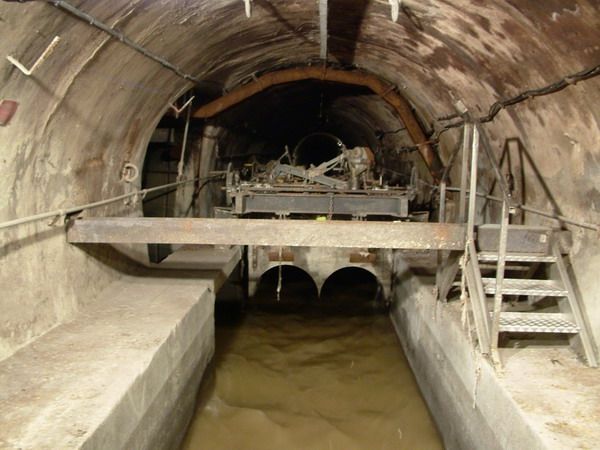
(Img) A view of the Parisian wastewater channels in the trenches.
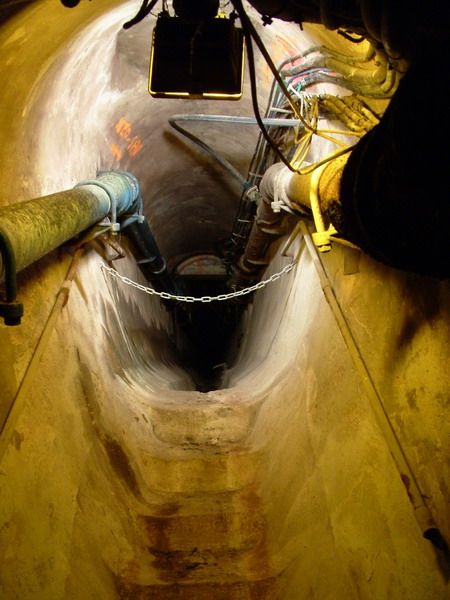
(Img) A vast network system connecting in all directions within the wide trenches. Have you seen the Paris sewers? How deep or long are they? What are they like? They arouse considerable curiosity. In spy films, police or criminals often lift iron covers on roads to enter or exit, suggesting the sewers are large enough to tempt people to explore. The sewers originated in the Middle Ages (around 1200) under Philippe-Auguste, who cut channels into the road surface when paving Paris (a sunken style still visible today). In 1370, Mayor Hugues Aubriot built a channel linking Montmartre to Menilmontant, becoming Paris’s first true (open) sewer. During Louis XIV’s reign, a large sewer existed on the Right Bank of the Seine, while the Bievre River served as a sewer on the Left Bank. By Napoleon I, there were 30 kilometers of sewers. Systematization occurred during urban modernization under Baron Haussmann, with hydraulic engineer Eugene Belgrand designing a corridor-style system handling both fresh water and wastewater, connecting every major street and featuring pumping stations in low areas. By 1878, Paris had a 3,600-kilometer corridor sewer system, remarkable for its size allowing human access and work, making it Europe’s most advanced. Today, Paris retains a unique global underground system of 2,100 kilometers. (Visit the Paris Sewers near Pont de l’Alma on the Seine. "Egouts de Paris": Daily except Thursday and Friday. 11:00–17:00 (May 10–Sep 30); 11:00–16:00 (Oct–Apr 30). Metro Line 9: Alma-Marceau. Tel: 01 53 68 27 81)