Expressionism
F Kupka Blue Hair Ribbon 65x71 1910 Saint-Etienne Museum of Fine Arts, France Collection
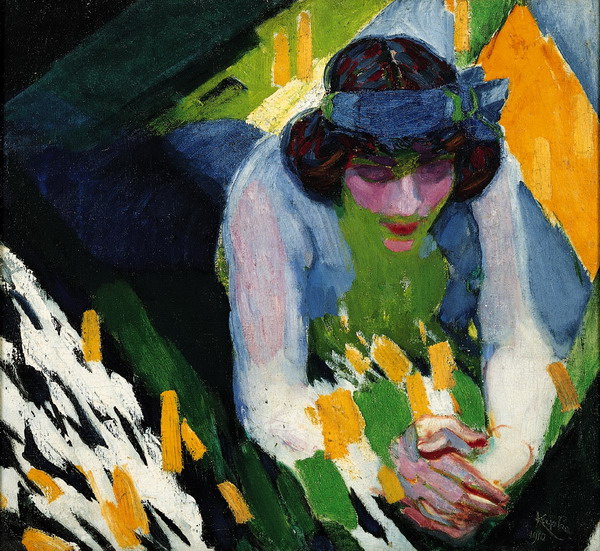
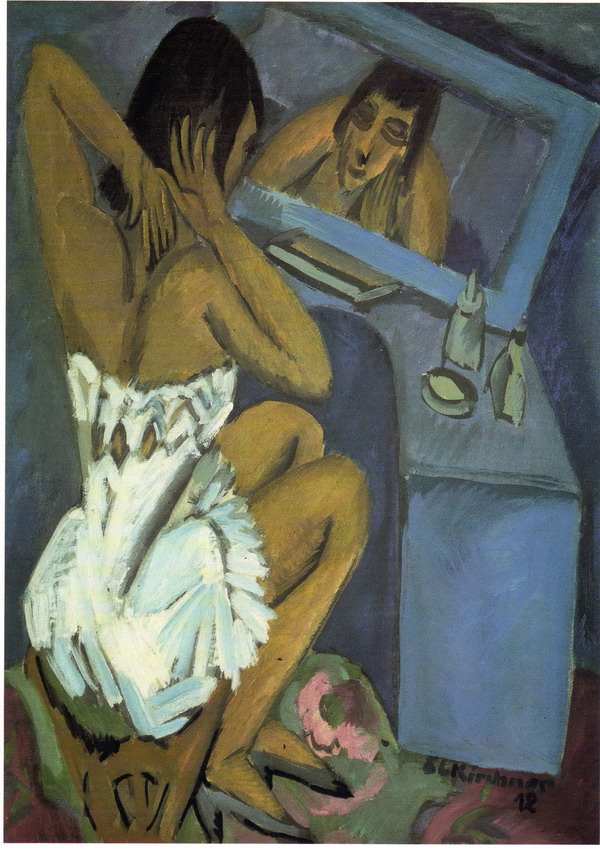
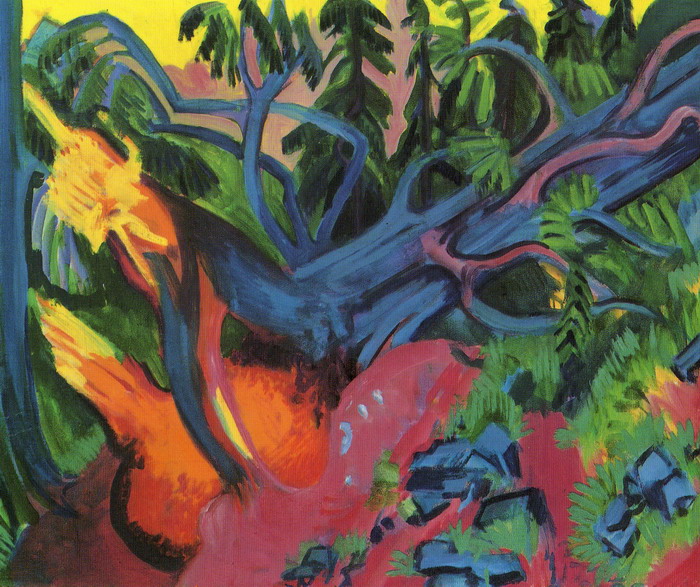
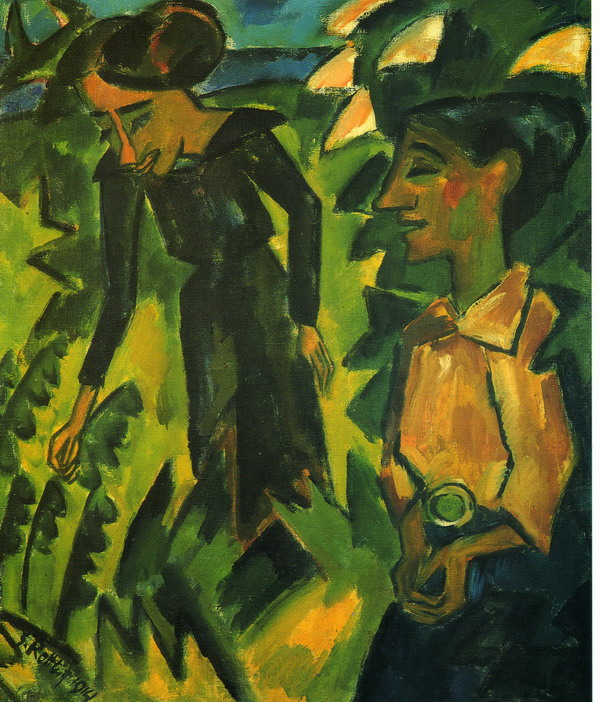
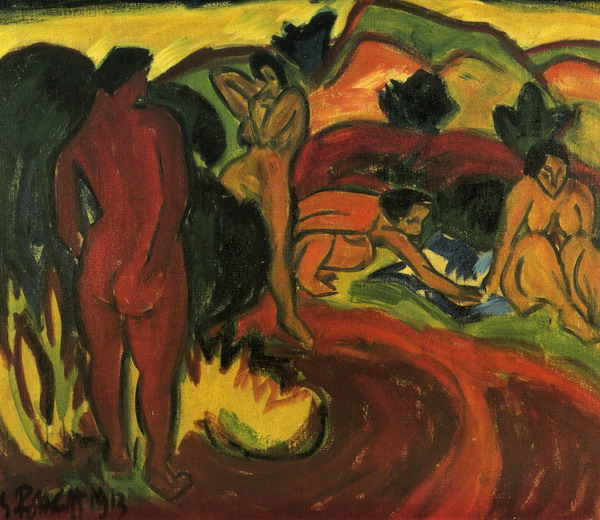
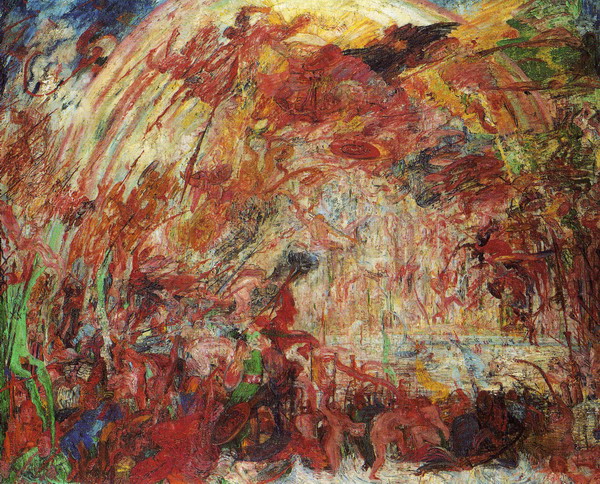
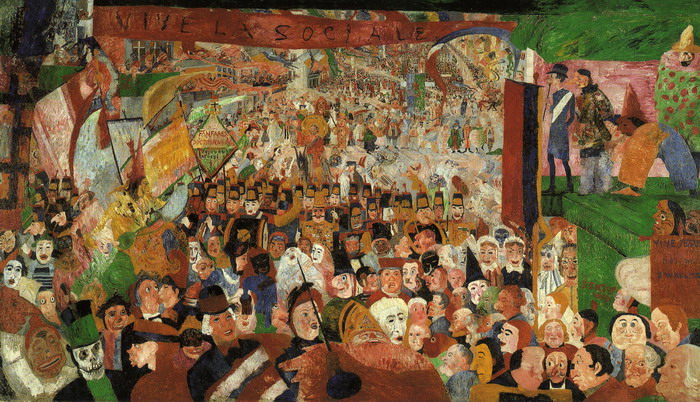
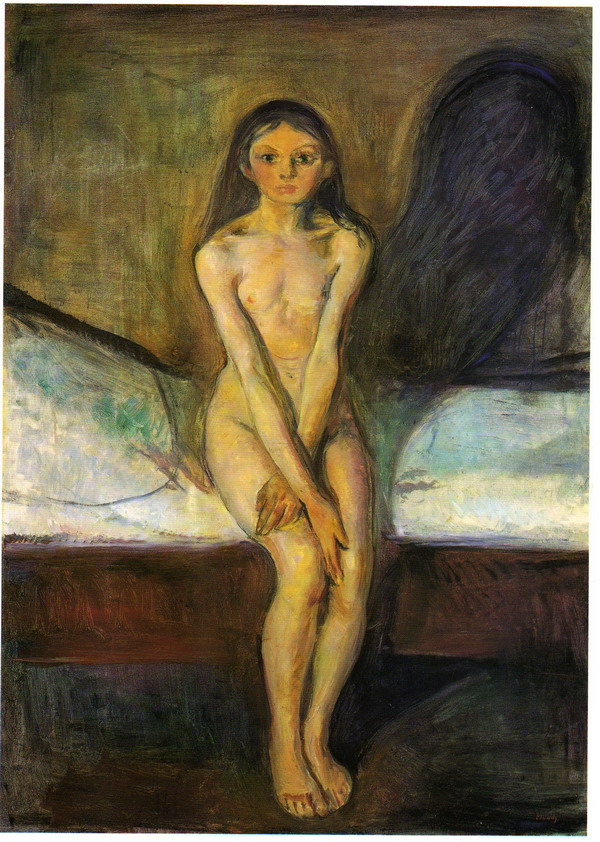
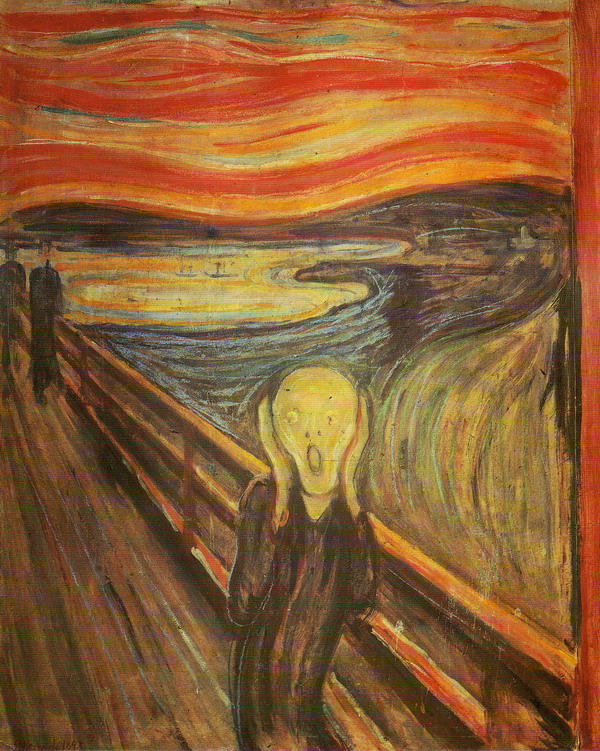
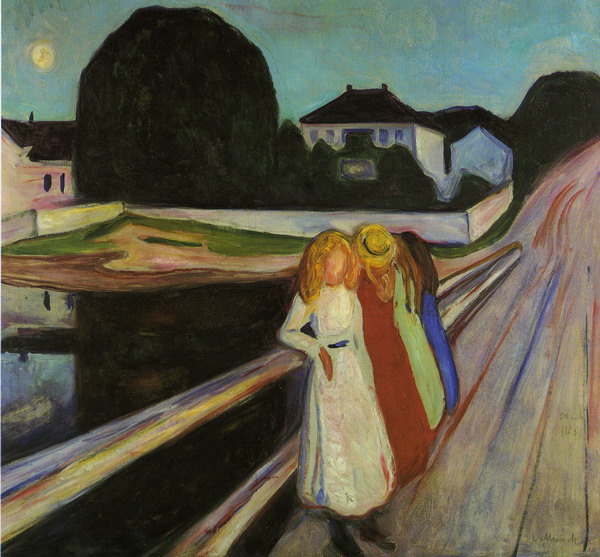
Expressionism is an important current of modernist art that permeated all of Europe. It was not a single school or group; unlike Fauvism, Cubism, or Surrealism, it points to an aesthetic signifier of early 20th-century Northern European, particularly German, art. The term "Expressionism" was coined by the German critic Herwarth Walden in the Berlin magazine Der Sturm to contrast with Impressionism, describing this vague and indistinct mode of expression. This revolutionary trend flourished between 1910 and 1920. Broadly speaking, Expressionism traces its roots to late Post-Impressionists of the late 19th century such as Van Gogh and Gauguin, the Belgian Ensor, the Norwegian Munch, and the Swiss symbolist Hodler, who can all be considered forerunners of Expressionism.
Expressionism manifests through subjective consciousness, utilizing intense instinctive forms and lines, explosive colors, and bold, passionate brushstrokes to directly convey the creator's emotions and sensibility. Like French Fauvism, it stems from subjectivity and instinct, favoring simplification, flattening, and even color-field approaches. However, where Fauvism leans toward lyricism—an elegant, Francophile temperament characterized by pleasure and visual appeal—Expressionism is explosive, straightforward, and sincere, pouring out inner emotional life and intuition.
German Expressionism explored diverse political and social dimensions. The most representative painters around World War I included Franz Marc, founder of Der Blaue Reiter (The Blue Rider), and member Jawlensky; notably Nolde and Kirchner. In Vienna, Austria, Klimt, Schiele, and Kokoschka were prominent. In Paris, France, the works of Rouault, Soutine, and Modigliani also approached this current. During the interwar period, representative German painters included Dix, Grosz, and Beckmann of the Neue Sachlichkeit (New Objectivity) movement, conveying social violence and unease through an accelerated realism. After World War II, Expressionist exploration tended toward abstract expressionism of inner mental imagery, while post-war British painter Bacon represented another alternative manifestation of Expressionism. In the 1980s, German Neo-Expressionism was directly rooted in the tradition of German Expressionism, serving as an artistic source that honored the past while paving the way for the future.