Paris "Christmas"
After the autumn Toussaint break, Paris schools enter winter. Students await Christmas. Days shorten; cold weather arrives. Coats and scarves appear. Paris lacks sunlight; dampness makes people lethargic. Home is warmest. After literary prizes, it is time for reading and writing.
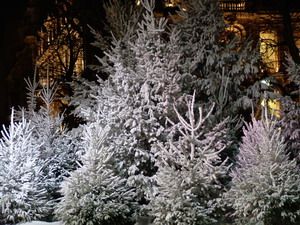
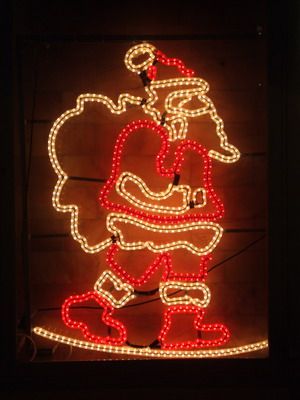
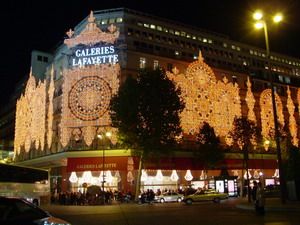
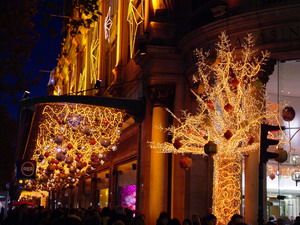
After the autumn Toussaint break in Paris primary and secondary schools, winter begins. Students then await the year-end Christmas holiday. As seasons change, daylight shortens while nights lengthen. The cold, gloomy climate becomes more pronounced. Winter clothing replaces summer wear on the streets: coats, jackets, hats, scarves, and sweaters emerge. What Paris winters lack most is sunlight. In the cold, damp weather, Parisians feel somewhat lethargic and lacking in vitality, leading to fewer outdoor activities. The warmest place is naturally home. Following the end of various French literary awards in late autumn, winter seems a time for hibernating at home—reading, writing, and engaging in small creative pursuits. This year, the festive Christmas atmosphere seemed to arrive earlier than usual (early November). Behind the Paris Opera, the Galeries Lafayette and the Printemps department store were already decorated with lights and ribbons. Their windows featured dramatic, imaginative scenes of children’s toy worlds, attracting urban children day and night. Major commercial districts filled with colorful Christmas gifts under bewitching lights, presenting a prosperous society of abundance. When evening lights came on, department stores resembled palaces rising from the sea, attracting thousands of shoppers, tourists, window-gazers, and curious crowds, adding a bewitching festive atmosphere and beauty to the bustling city ahead of schedule. By late November, all commercial, shopping, and leisure areas in Paris began decorating with lights to attract and welcome Christmas gift-buyers. The world-famous Champs-Élysées lit its decorations on December 1. The Paris City Council, district offices, and public buildings adorned their facades or installed Christmas tree displays to welcome the year-end festival, adding humanistic warmth and beauty to the cold winter and enlivening the entire bewitching metropolis.
Christmas is the most important religious holiday for Western Catholics and Protestants (now becoming a secular festival, it is also the most globalized and commercialized celebration). Generally, every secular festival relates not only to religion, local customs, and cultural traditions but also closely to seasonal changes. Seasons served as guidelines for past agricultural life rhythms, forming local customs and cultural traditions. Christmas, meaning "Christ's Mass," commemorates the birth of Jesus Christ. From the perspective of seasonal change, when days are shortest and nights longest in winter, December 24th is the day with the shortest daylight and longest night in the annual cycle. During this religious holiday of Jesus’ birth, which has now become the most secular and largest celebration in modern society, children are particularly excited because Santa Claus is always so generous, bringing many desired gifts to children of all ages. This tradition is long-standing, full of innocence, childlike fun, imagination, and poetry. Christmas seems to be the happiest and most celebratory day for children, waiting and imagining Santa Claus arriving from afar laden with gifts. Especially late on Christmas Eve or the morning after, surrounded by colorful gifts of all sizes around the living room fireplace or under the Christmas tree, this hope becomes the greatest wish during the cold winter year-end. Clearly, in this developed industrial and commercial consumer society, such expectations of gifts seem incredibly innocent, as these gifts are purchased by parents or family members (especially grandparents) to comfort children and help them pass through the winter safely. These gifts are mostly bought according to their needs, becoming myths and anecdotes of the contemporary consumer society and Christmas celebrations. Children seem unable to celebrate Christmas without receiving gifts. Of course, Christmas gifts are not exclusive to children; almost everyone receives gifts of all sizes. Gifts and family reunion dinners have become synonymous with the Christmas festival. Adults' gifts are based on personal intentions and family needs, or represent festive care and goodwill. The abundance of gifts has become the constructed economic system of today's consumer society.
For Catholics or Christians, Christmas holds extraordinary significance in terms of religion and traditional culture. Today, it has become the most important family reunion festival in Western society. People reserve this day for a late-night family reunion dinner, similar to Chinese New Year's Eve. On the evening of the 24th, people bring their families to nearby churches to participate in the unique annual Christmas Eve Mass, praying together for their families and the world. Finally, they meditate amidst the loud bell melodies of Christmas Eve. After returning home, family members prepare for the Christmas feast. Gathered around the warm fireplace or at the large dining table in the living room, they enjoy the traditional Christmas turkey dinner. A dazzling array of festive foods (roast goose, foie gras, caviar, smoked salmon, etc.) is paired with pastries, the finest tableware, and crystal goblets. Champagne, red wine, or white wine for celebrating the festival are all present. At this joyous gathering of adults and children, eating and drinking while chatting about daily life, discussing heaven and earth is a habit the French excel at. Such a Christmas dinner proceeds according to each family's atmosphere. Some dance (Christmas balls), others chat round tables, drinking coffee, tasting specialties, and enjoying chocolates, staying up like a vigil until the first light of the next day shines down, finishing the traditional Yule log-shaped cake dessert with unrestrained laughter, swallowing the last drop of sweet wine to end this longest night. Early the next morning, children happily find their long-awaited dreams under the Christmas tree. After Christmas, nights will gradually shorten, and sunlight will shine upon the earth. Light symbolizes a meaning of new life. This joyful holiday lasts from Christmas until the "New Year's Day" when all things renew. The week-long festival celebration begins at Christmas and ends with students' holidays for the New Year.