Paris "FIAC" International Art Fair
The Grand Palais' "FIAC" is the main market for Paris's contemporary art fair.
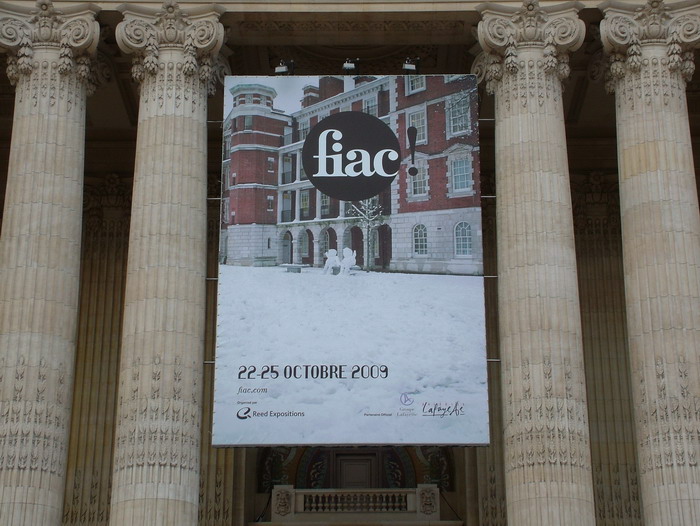
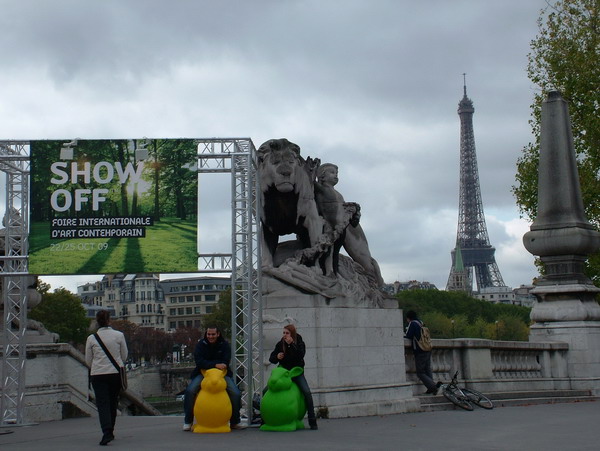
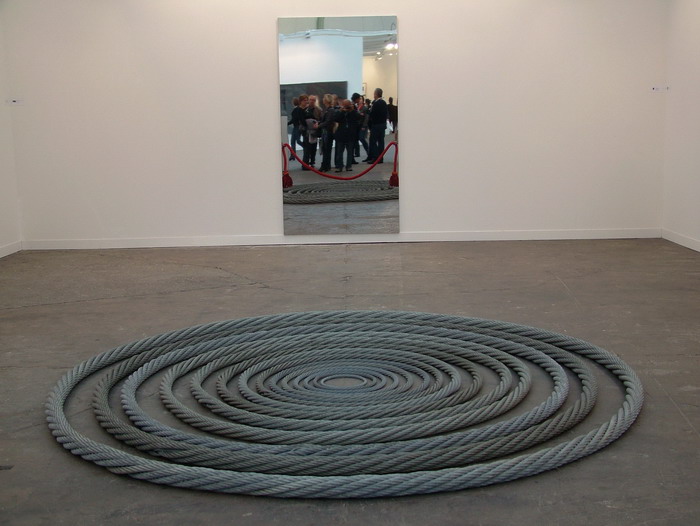
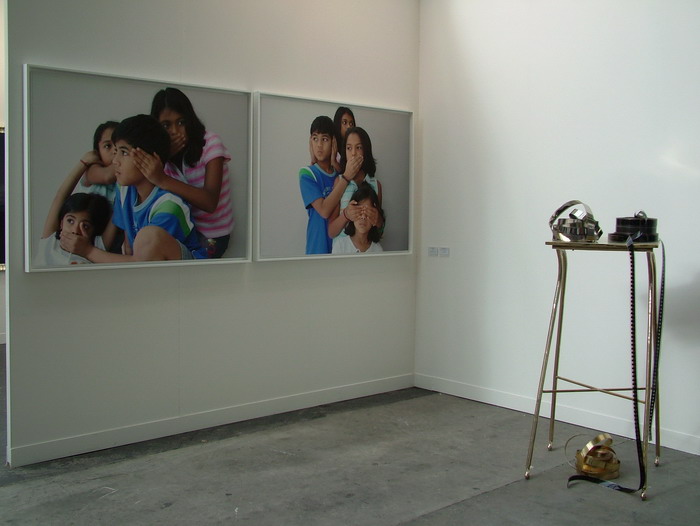
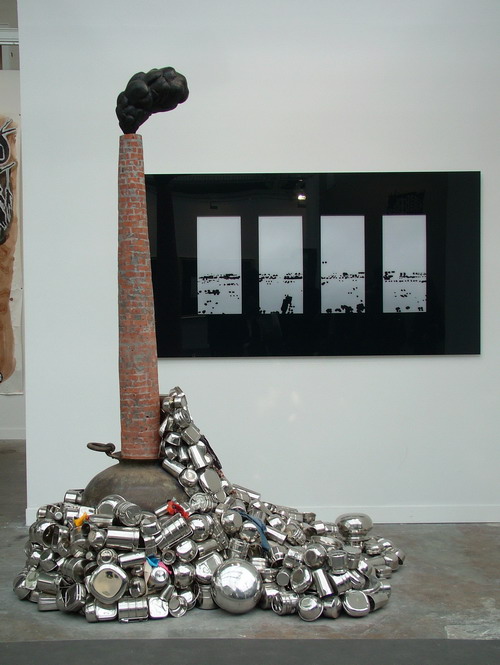
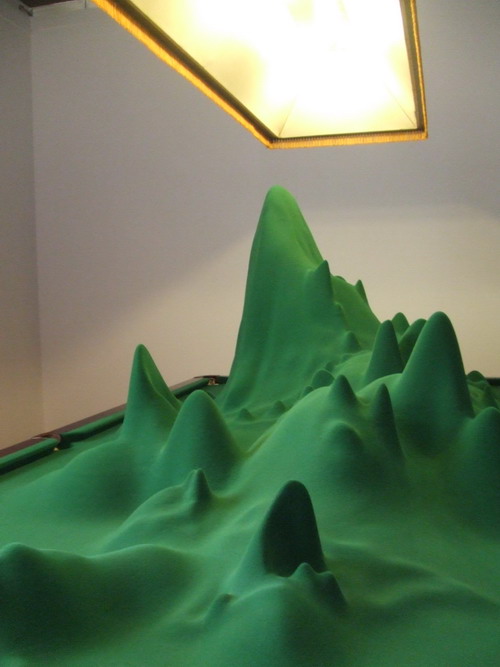
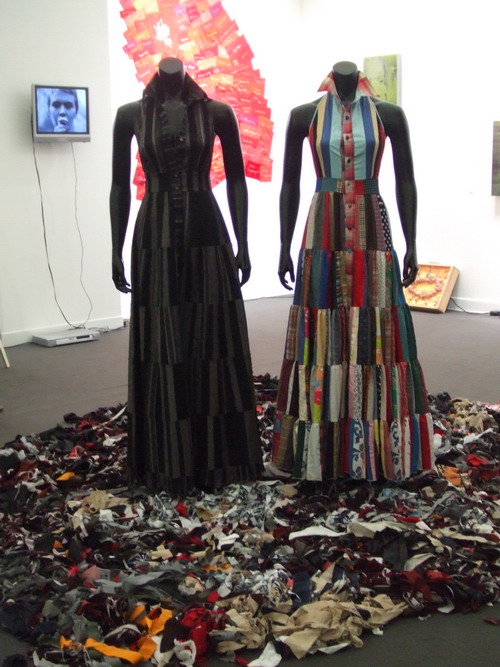
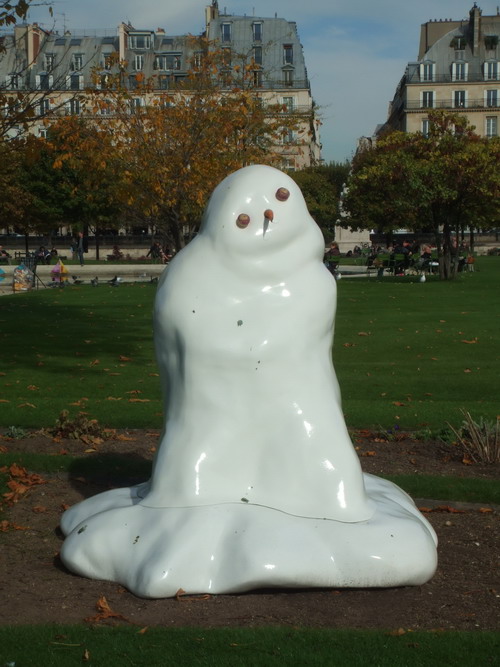
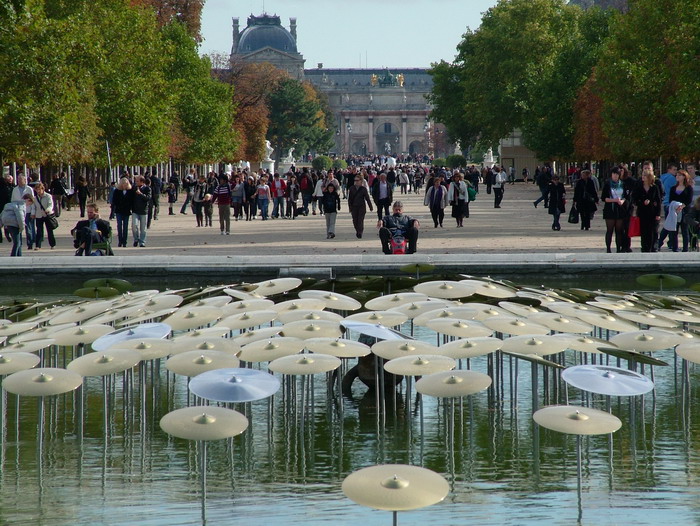
Outdoor sculptures at FIAC are displayed in the Tuileries Garden—Kader Attia, Untitled 2009 (Cymbales), variable dimensions. After every summer vacation, Paris’s cultural activities come alive again. The annual Paris International Art Fair kicks off with great fanfare in late October. In the past, the so-called "FIAC" was the only contemporary art fair; now there is also "Art Elysee" on the Champs-Élysées, "Show Off" under the Pont Alexandre III, and "Shick" in Aubervilliers in the 19th arrondissement of Paris. The top three fairs all revolve around the Grand Palais. With "FIAC" as the core main market, it is divided into two exhibition venues—the Grand Palais and the Cour Carrée of the Louvre. Three-dimensional sculptures are placed in the lush green Tuileries Garden.
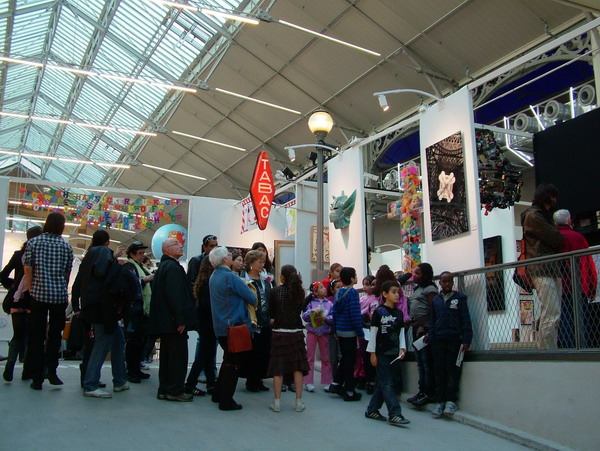
"FIAC" serves as the main market for Paris's contemporary art fair. All important galleries from Paris or other Western countries gather in the Temple Hall of the Grand Palais, while younger galleries are arranged in temporary tent pavilions at the Cour Carrée of the Louvre. Amidst recent financial storms and economic recession, the contemporary art market has naturally been hit hardest, presenting a weary scene. This year, what attracted attention was the large number of galleries from the United States, which would have been unimaginable in the past. This clearly indicates the decline of the American contemporary art market and its attempt to open new markets in Europe. Another noteworthy point is that this year, a special exhibition area for "Modern Art" masters was carved out in the Grand Palais, dedicated to exhibiting works by well-known modern art history masters such as Picasso, Miró, Dalí, Fontana, and others. This can also be interpreted as the current market situation under conservatism.
Most strikingly, galleries from China, Korea, Japan, and other regions were almost entirely absent from such a grand exhibition venue. However, Pace Gallery from Beijing was submerged in the uniformity, occupying a small, flat exhibition space. Among Asian participants, two galleries from India were worth mentioning. Galleries from South America were also absent, though a few from the Middle East, particularly Israel and Lebanon, were present. In such a vast exhibition space, one could almost find works by all major Western contemporary artists. It was rare to see Chinese (Chen Zhen and Wang Du), Korean (Lee Ufan and Kim So-ja), Southeast Asian, and South American artists, who were all absent. Japanese cartoons were obvious (Takashi Murakami and Yoshitomo Nara, etc.). This proves that the current international contemporary art market tends toward locality and regional block formation. The West is no longer the core and benchmark from creation to market. What was once marginal has become the core of local globality and autonomy. Especially given the significance of Asian economy, finance, and politics under globalization, contemporary art creation and markets will enter another imaginable new world, which can be optimistically anticipated.