Gabriel Orozco "Art Is Like Life" Special Exhibition
Gabriel Orozco "Art Is Like Life" Special Exhibition - Centre Pompidou poster
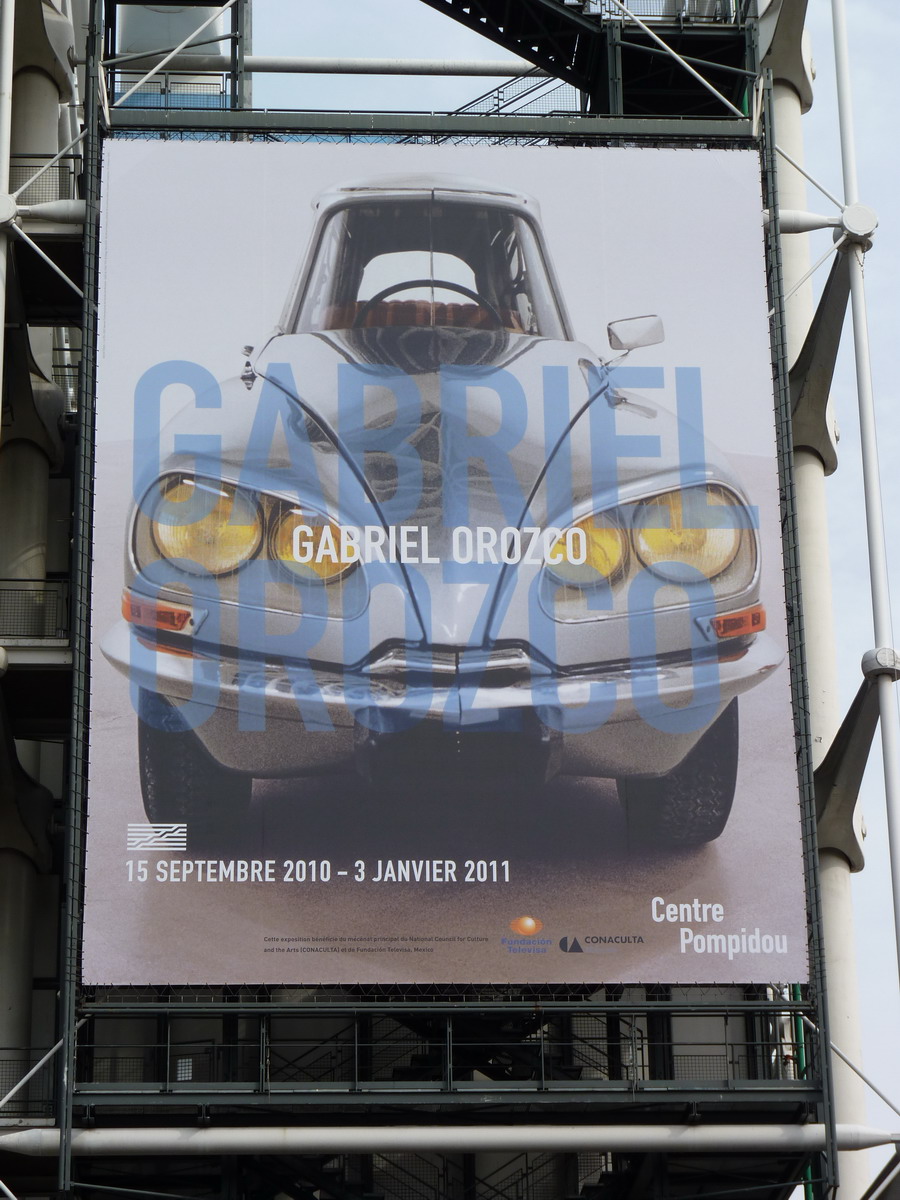
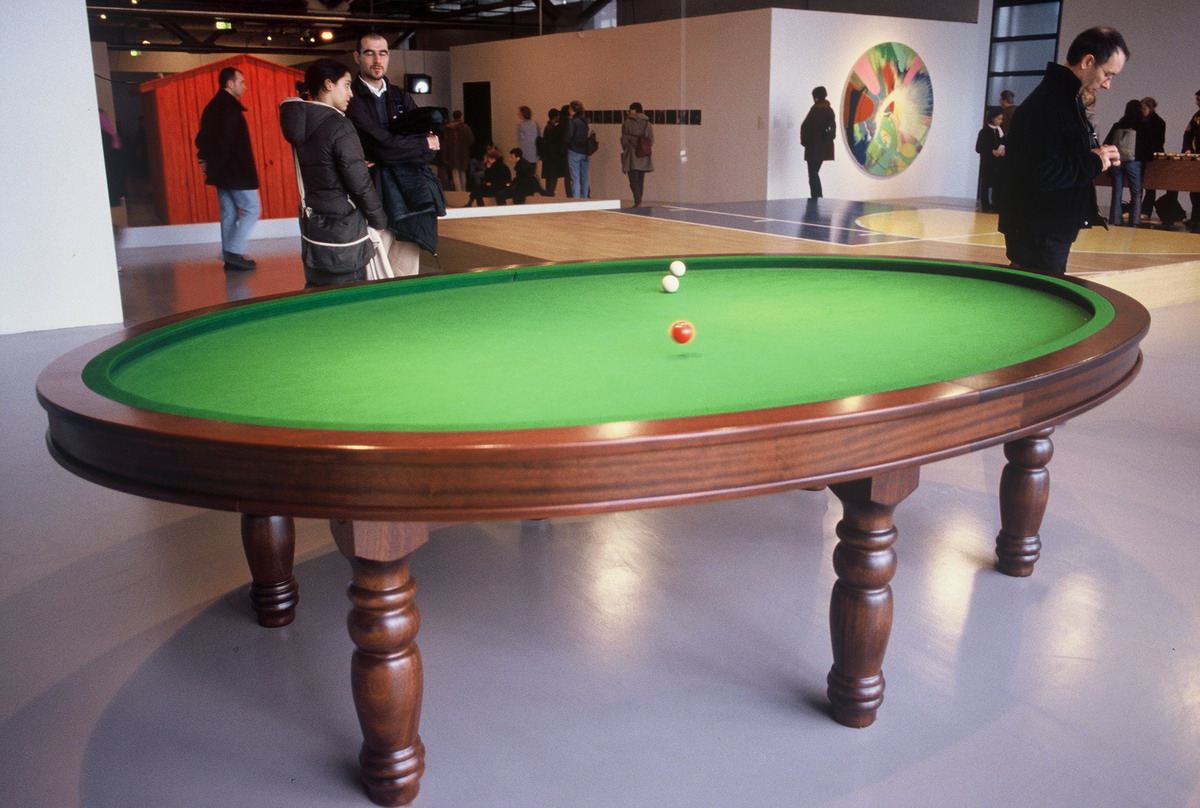
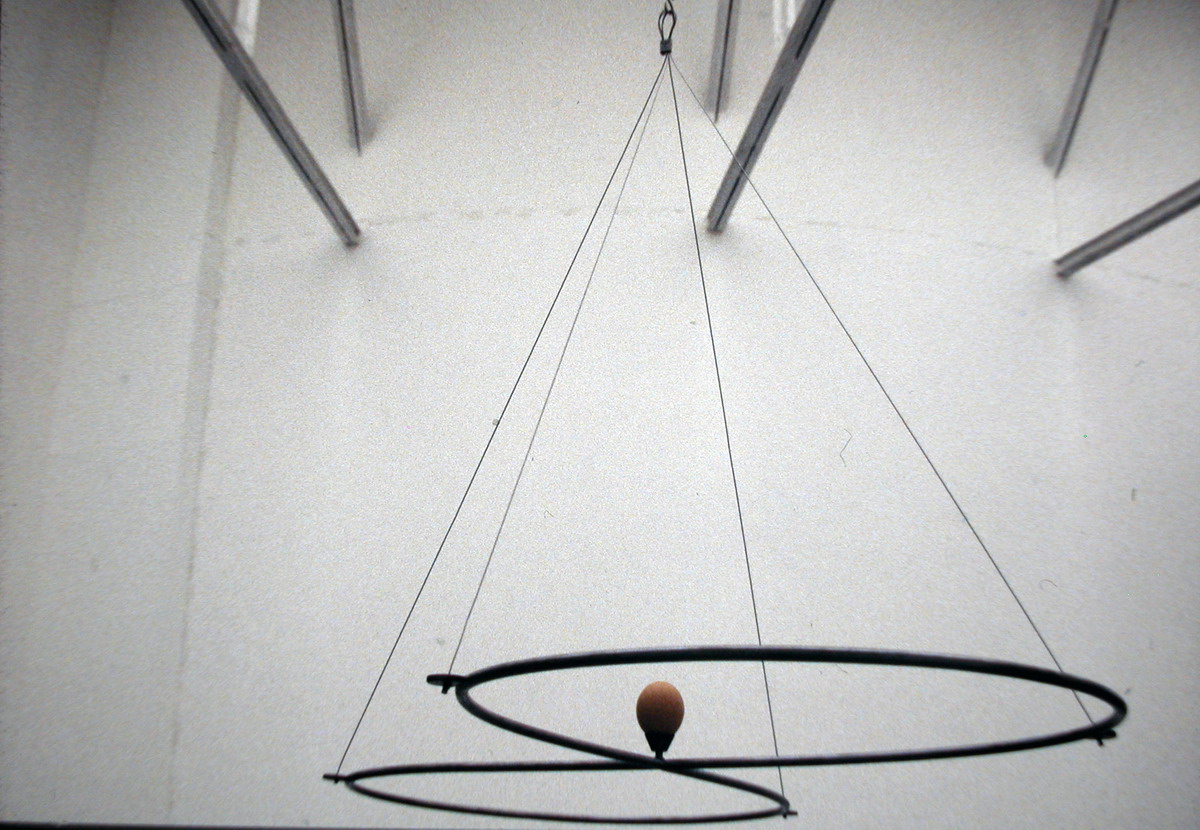
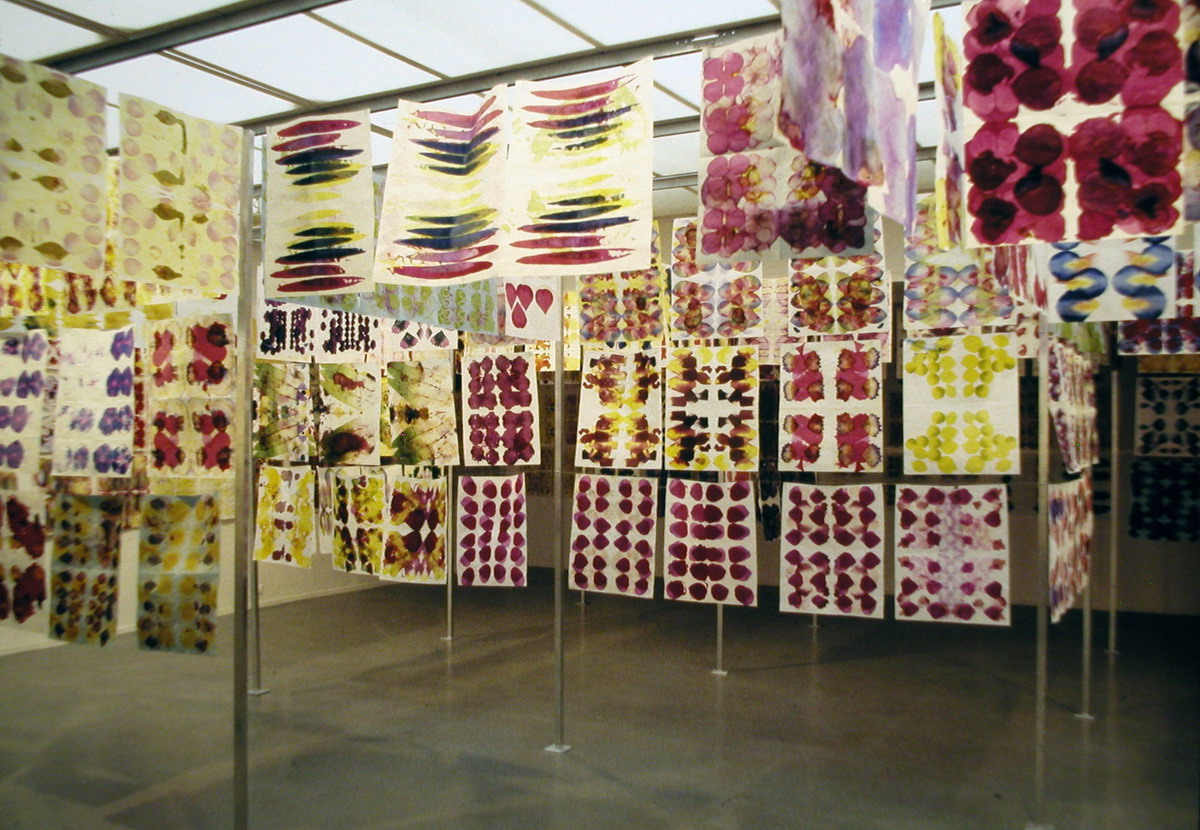
The Gabriel Orozco "Art Is Like Life" special exhibition was held at the Galerie du Centre Pompidou from September 15 to January 3, 2011. Born in Mexico in 1962, Gabriel Orozco has been one of the most representative artists spanning Europe and America since the 1990s. In this globalized perspective, his work refuses the narrow limitations of a specific nation or region, adhering to a spirit that applies everywhere. His rich inspiration stems from social, political, scientific, and philosophical thinking within the changing context of the current world. Through various life scenes and following the situation travel contexts, as an aware observer, he contrasts objects and environmental situations, connecting them with accidental convergences in life experience. With a nomadic sentiment, he roams the world without a fixed studio, frequently traveling between major art capitals such as Mexico, New York, and Paris.
Orozco’s creation over the past twenty years is built on elements of urban landscapes and the human body, sensitively exploring the accidents and coincidences of daily life, with poetry carrying abnormality and surprise. He establishes himself in the unbound blurred edge zone between object art and daily life environments. He excels at liberating reality and art, evolving, expanding, and circulating, interweaving between geometry and organic forms. With an open-minded creation and spirit applicable everywhere, he continuously develops various possibilities, exploring diversity and multiplicity without being limited by any material medium or aesthetics. Thus, he conducts creation of extraordinary possibilities: sketches, photography, painting, sculpture, ceramic sculpture, objects, and installations, all under a free, fluent, and natural method.
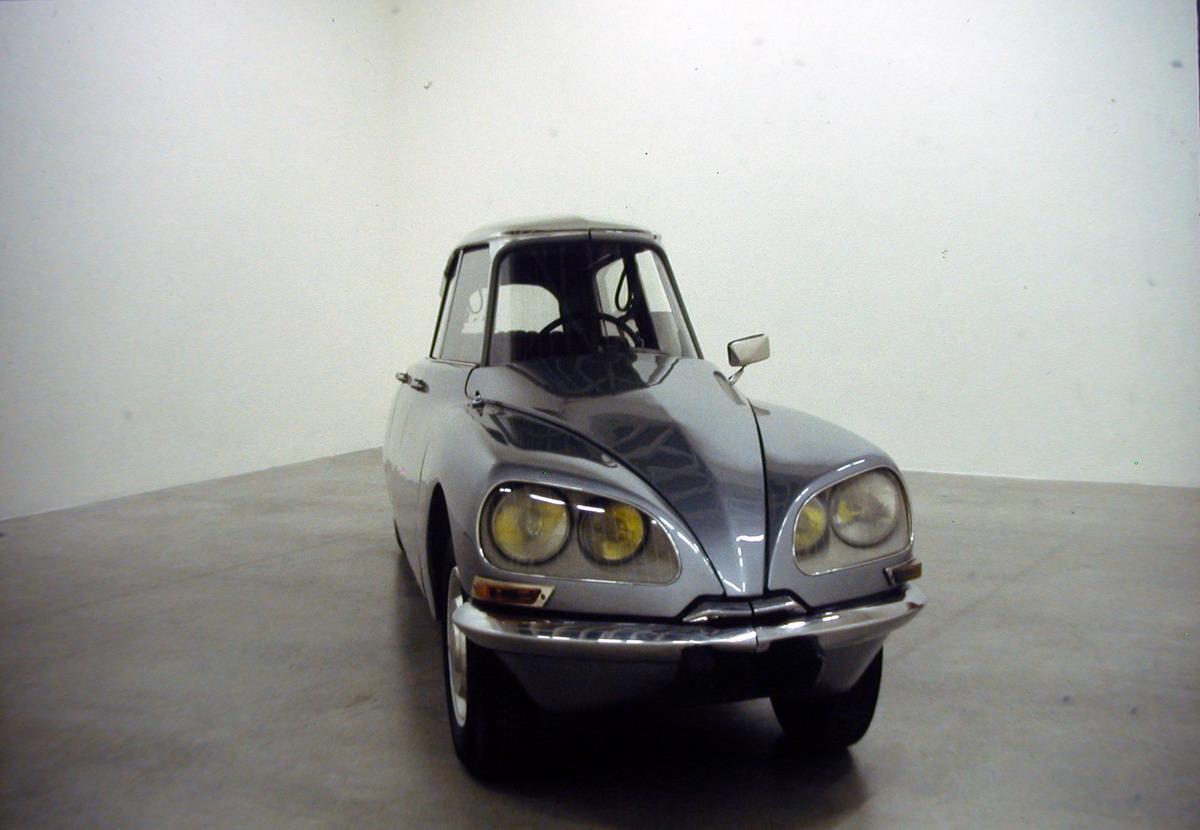
Body as a measuring scale for all things: Almost all objects and tools in daily life possess principles of ergonomics; in a realistic world measured by humans, the body acts as the measuring scale for all things. Gabriel Orozco ingeniously creates art with his body. For example, the dramatic "DS" (1993) was modified from a Citroën DS car; the artist cut the original car lengthwise down the middle and seamlessly shrunk it into a single-seater sports car, existing between ready-made and object art. Using the same method in the work "Elevator," the artist cut stairs according to his own body scale, cleverly customizing everyday objects. Even more ingeniously, "There Is Always One Direction" consists of four Dutch bicycles combined into a unique frame. In these three object sculptures, the artist did not change the function of the objects or convert them into something else, but rather induced a process of "extraction and reshaping," interweaving in the blurred edge zone between ready-mades and art. This highlights not only their possibilities and forms, but also their aesthetic and spiritual dimensions.
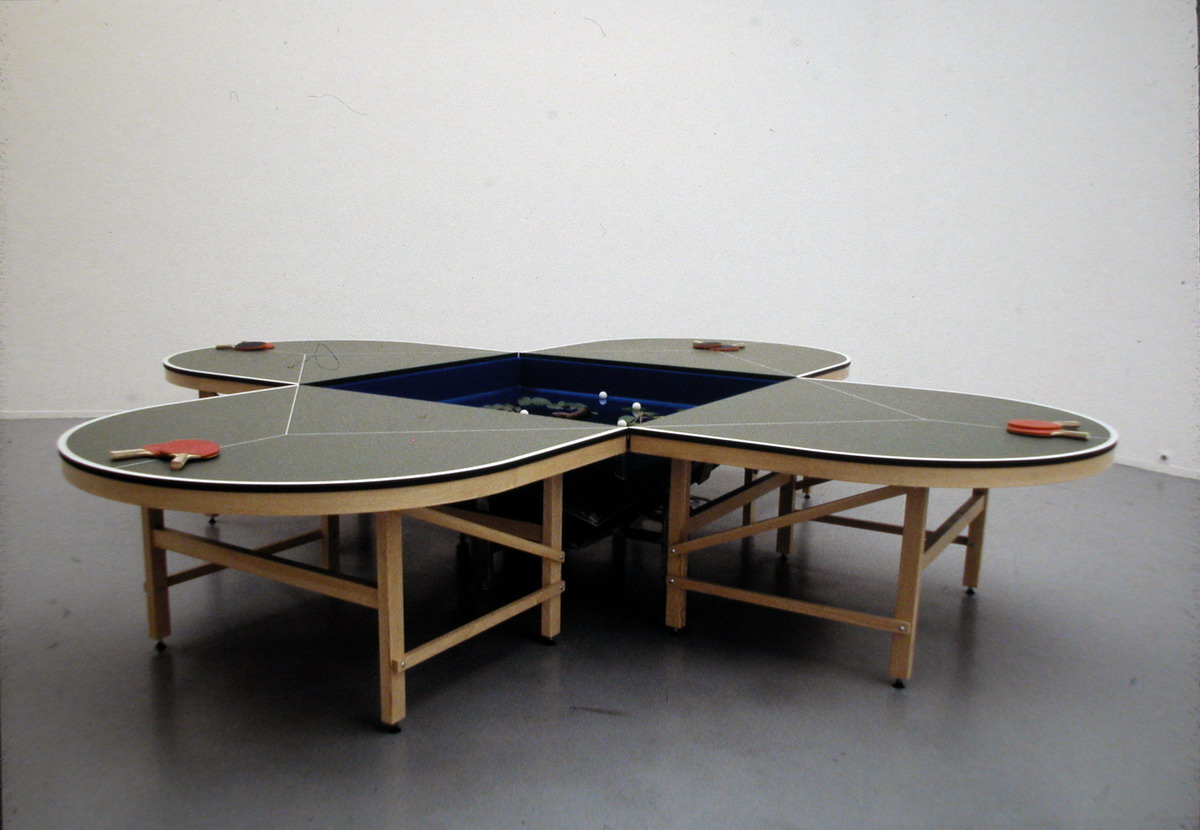
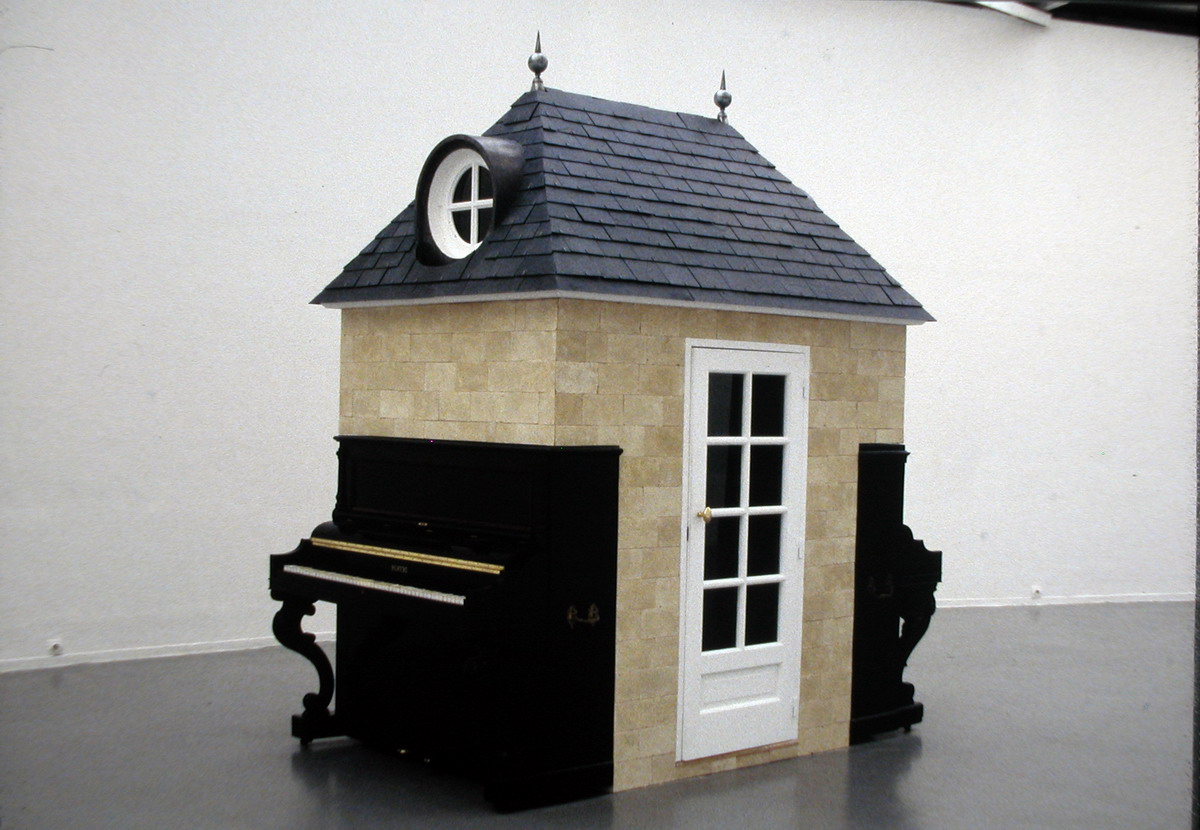
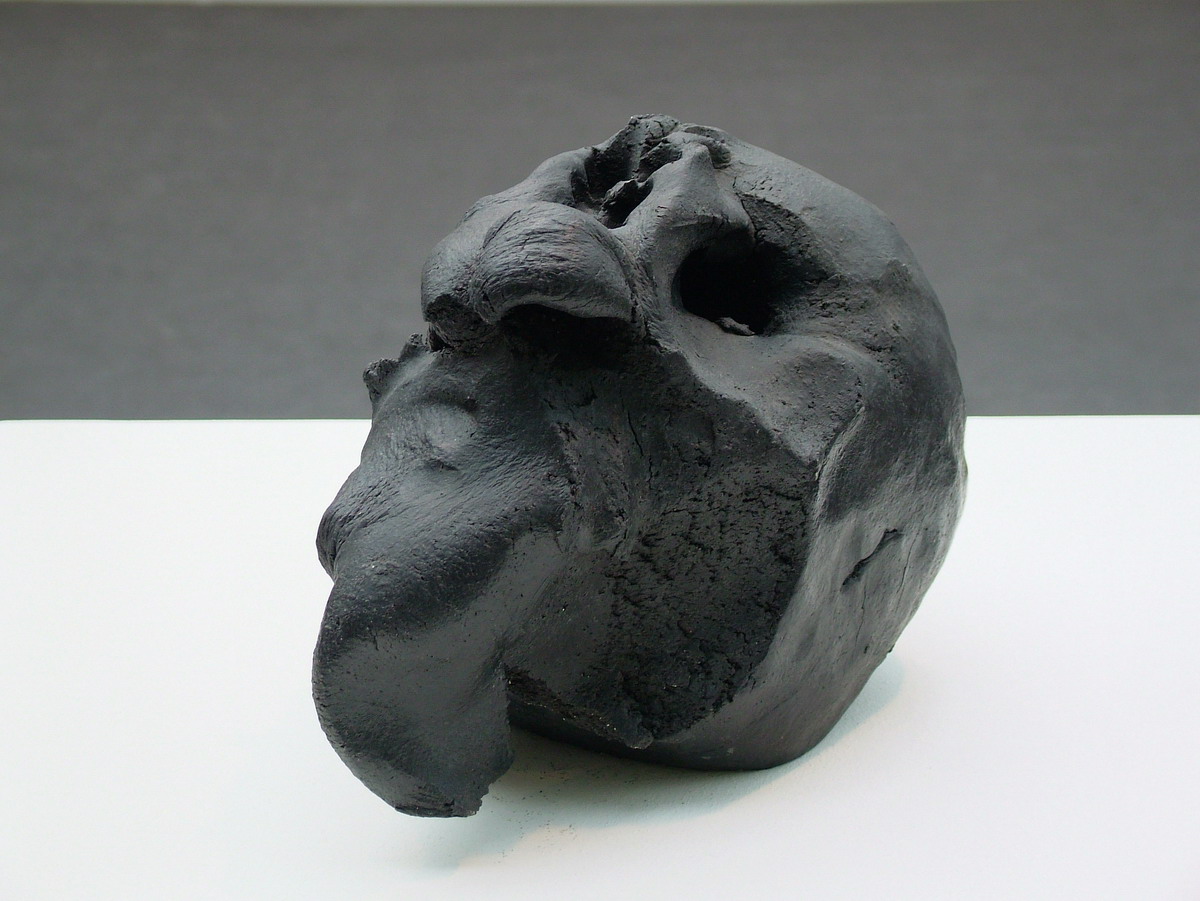
Furthermore, the artist often switches and presents the possibilities of objects between magical volumetric sculptures and installations, revealing formal, aesthetic, and spiritual aspects, opening up functions never seen before, and inviting audience participation. For instance, "Billiards" is composed of two separated billiard tables forming a square lotus pond in the middle; four viewers can play ping-pong across it, and if they miss, the ball falls into the water pool. "Mommy" is a white bourgeois gardener's shed with two black pianos mounted on the left and right walls, inviting audience interaction—playing the piano. "Horses Running Endlessly" is a conversion of chessboard gameplay, enlarged into a category of infinite play characteristics. "Black Kites" is an extraordinary skull ceramic sculpture covered in pitch-black ink, metaphorically representing the intensity of life and visual tension.
Body as imprint and tool: Many works connect to the body and behavior, with the photographic work "My Hands Are My Heart" being the most representative. The artist, bare-chested, uses his body to press a lump of clay with both palms; in the next shot, he opens his hands, presenting an object shaped like a heart imprinted by his hands. This simultaneously displays the small sculpture, clearly indicating the process and behavior of the work's development, as if the body serves as an imprint and tool. Another clay sculpture work, "Torso, Three arms, Four and Two Fingers…," involves pressing with fingers to leave finger marks; these imprints are like the behavioral result of the meeting between the artistic body and objects. Many paper-based works also use hands as tools and themes: depicting hand shapes and interweaving their forms, or shaping them by palm prints. The more dramatic series "First Was The Spitting" features the artist spitting toothpaste foam onto grid paper, then circling it with pencil or black ink dots, presenting the origin of the universe under organic abstract forms, between dreams and reality, imagination and awareness, memory and recollection, attitude and behavior.
Regarding circles: A circle is a constant form of motion, also manifested in his different round-shaped object works. For example, "Recaptured Nature" is a giant rubber ball filled with air, an object received by the artist from a discarded large truck tire site and reshaped; people can still clearly see old marks on the surface of the ball. Many of his works involve receiving daily or industrial objects and transforming/recreating them through ingenious design. Another eye-catching work, "Yielding Stone," is also a sphere weighing the same as the artist. Upon completion, feeling it was too new, the artist rolled the sphere back and forth on the road until its surface acquired a dirty, aged verdigris color, existing between reality and imagination, time and traces, behavior and attitude.
Other small object sculptures connect to exchange, circulation, transfer, and movement. Through behavior and attitude, these inconspicuous everyday objects are transformed from decay into magic: "Shoes" is a pair of shoes with insoles glued together. "Two Socks" are short socks filled with shredded paper pulp. "Seed" is a light aluminum box filled with white polystyrene beads. "Soccer Ball 7" is a punctured and damaged soccer ball. Existing between objects and art, imagination and allegory.
Exploration of natural elements and mobility: Another eye-catching plant sculpture-painting-object in this special exhibition draws natural elements from the Mexican desert. For example, "Drops on Trunk" features Orozco-style geometric circular patterns carved onto a mango tree trunk segment. "Eyes under Elephant Foot" humorously inlays two glass eyeballs onto a rough-barked tree trunk segment, resembling a witty cartoon bark character. Two floating works suspended in mid-air create a rhythm and extraordinary volume: "Spume Stream" is an organic form work constructed using yellow uric acid mold, undergoing continuous qualitative changes with time and air humidity. The other is a kinetic installation "Toilet Ventilator," where an electric fan is mounted on the ceiling, with cylindrical toilet paper rolls hanging on both sides of the fan, fluttering lightly as the fan rotates.
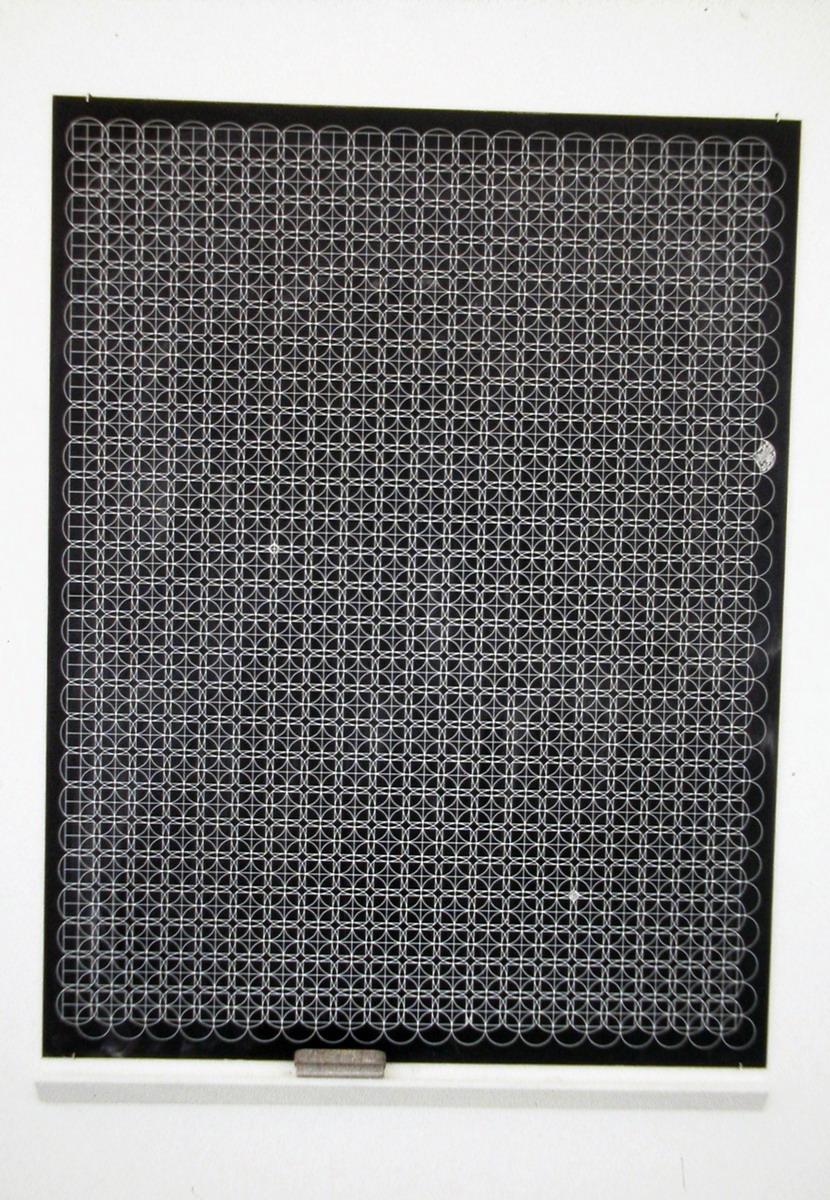
Geometric pattern paintings: Gabriel Orozco has never abandoned painting. A beautiful "Samourai Tree" series is exhibited here, consisting of patterned forms composed of red, blue, and white colors on gold-leafed wooden boards. He explores mathematical geometric circular and rotational motion pattern forms. Since 1995, he has drawn continuously extending and expanding images on readily available items such as plane tickets, bank stubs, or even sports posters. The artist considers painting to be a chart of constant, unchanging progress.
Innovative photography: Gabriel Orozco’s photography began in the 1990s, capturing accidental encounters while walking through cities during travels, attempting to record immediate awareness and feelings through momentary perception. These images are the results of the artist’s behavioral and attitudinal participation in manipulating public space environments and objects, presenting extraordinary poetry and humor in simple things.
Art critic Jean-Pierre Criqui believes that "Some of G. Orozco’s works obviously possess a post-limit strategy, and agrees with the artist—that the body is the measuring scale for all things." Meanwhile, art critic Christine Macel points out in "Art Is Like Life Collection": "Orozco was interested in matter early on; sketches from 1982-83 indicate that matter does not only come from the body but also approaches an organic form (…) Matter does not seem isolated to him; it takes shape in a continuous operation of matter-space-time, based on the intimate special foundational concepts of physicists, harboring the idea that the world is 'a whole,' developing initial prototypes and the natural laws they govern, similar to modern Klee and Kandinsky. Orozco works through bodily deformation until time manifests concretely (…) (…) Orozco’s aesthetics reveal the entirety of matter as equivalent to poetry, yet many works are full of vitality. Obviously, his works all require a distance from 'hedonism' and 'materiality surpasses aestheticality.' The artist treats the world as the universe, connecting convertible volumes from micro to macro (…) Even though he is attached to the universe, all volumes still exist in a constant state. Orozco does not adopt a spiritualistic color (…) he belongs to materiality, in a type of contemplation, focusing on an unchanging tone. Obviously he is not a spiritualist, but in his sketch practice, he is like a contemplative practitioner, 'those planets, full of imaginative space, express the evolution of the universe and energy.' The artist is empty yet full of ideas; the ancient Greek philosopher Democritus had already expressed this in his fleeting intuition: emptiness will be when there are no atoms, the environment evolves within it. Neglected by the invisible, non-space, it is clearly infinitely inscribed in his visible material works (…) "(Note 1)
Note 1: Christine Macel "Art Is Like Life Collection", Gabriel Orozco Special Exhibition Centre Pompidou Press Release.