The Art Field is a Battlefield, the Painter is a Warrior
Purple Loiterer, Painter and Model Series, 1972, Oil on canvas
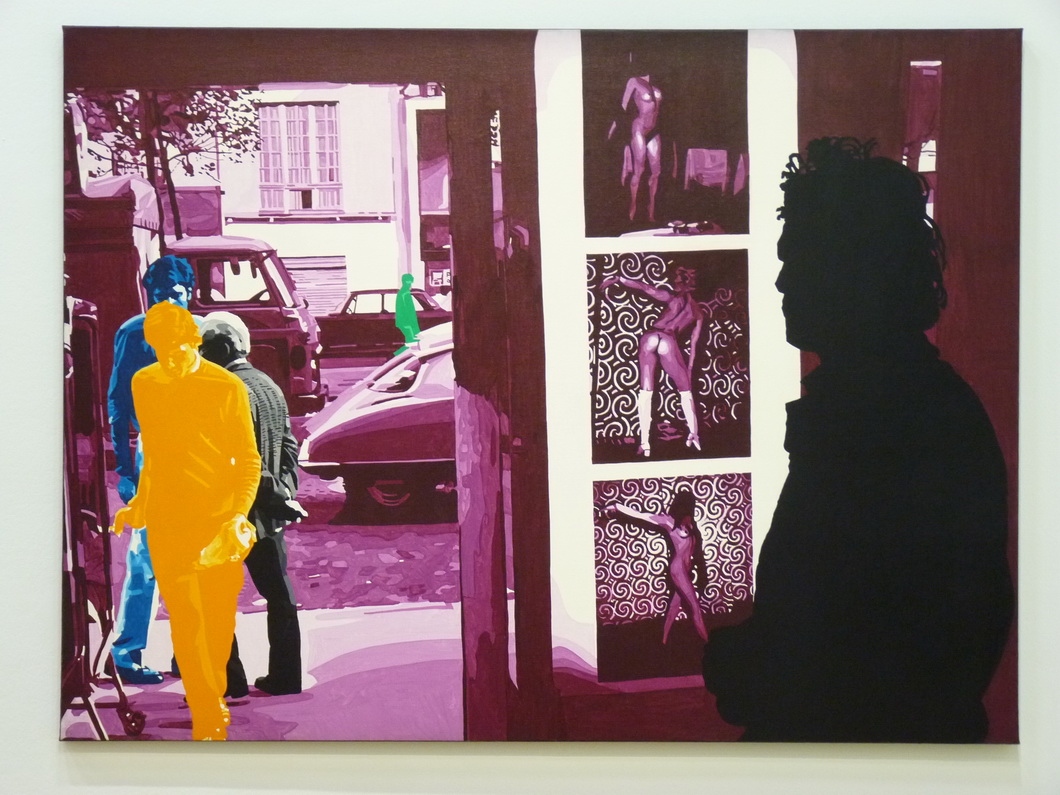
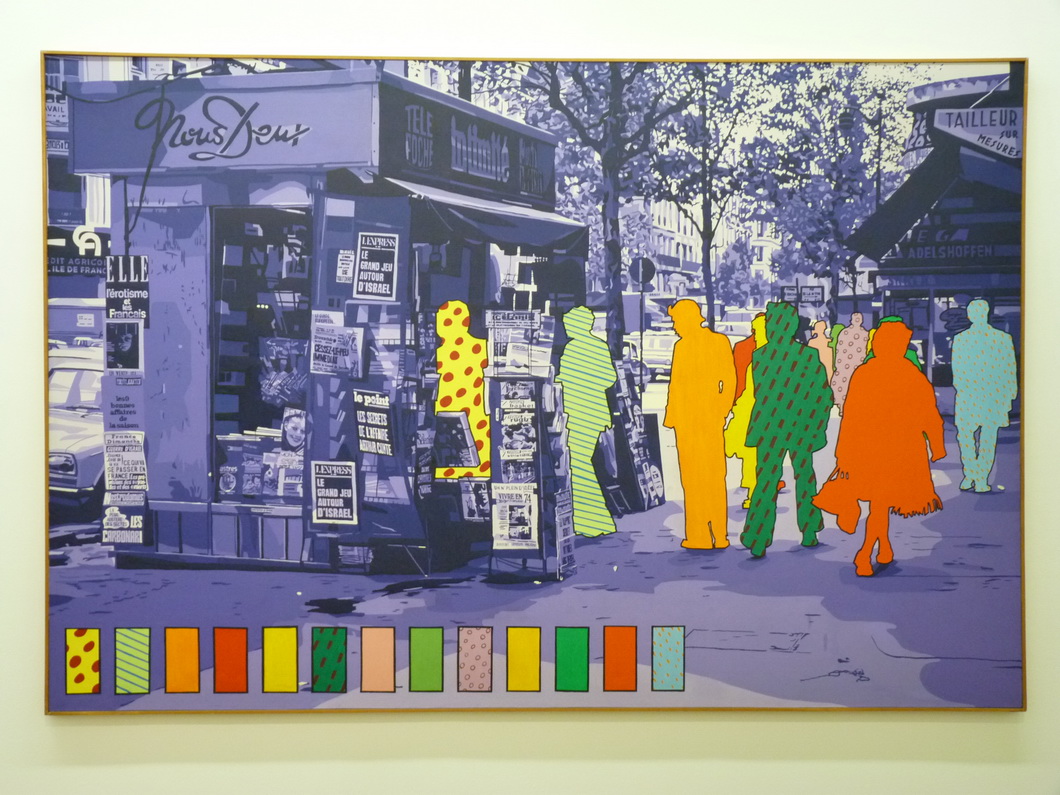
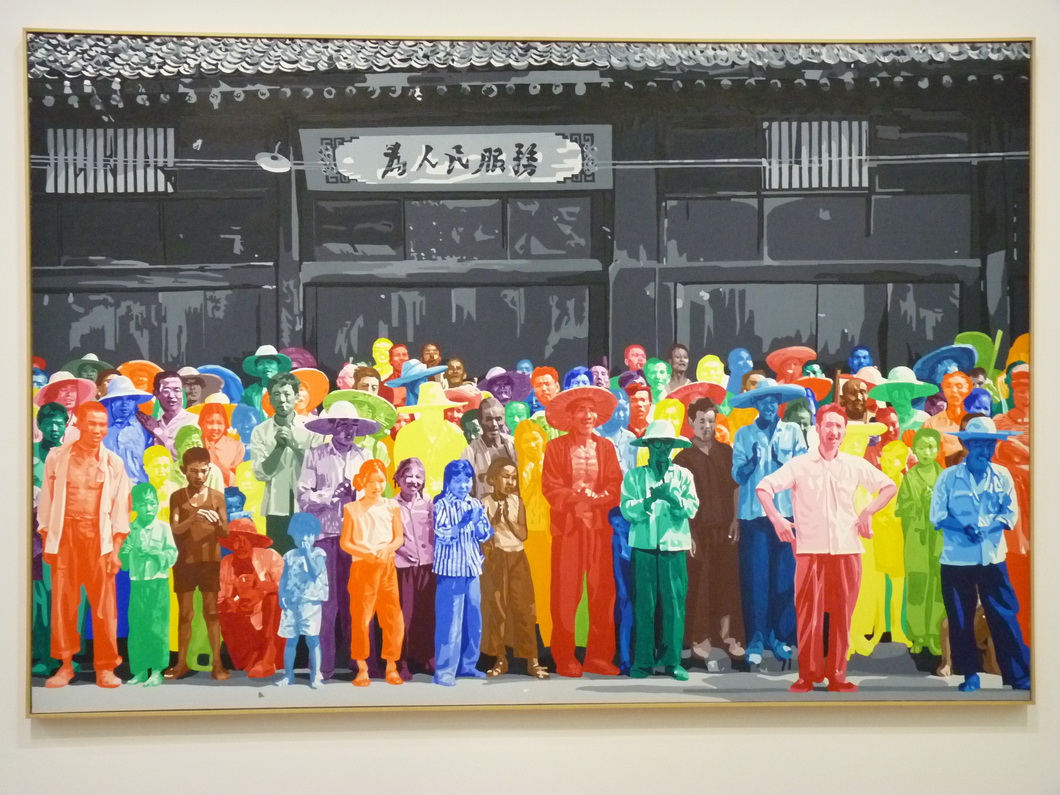
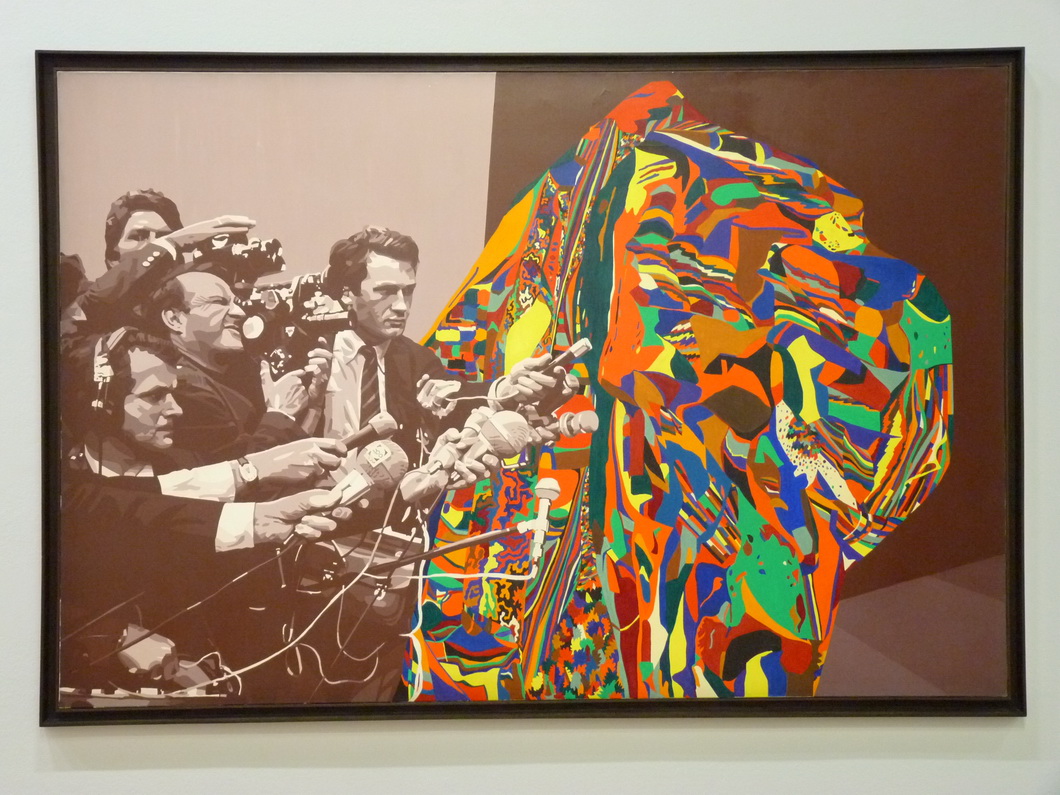
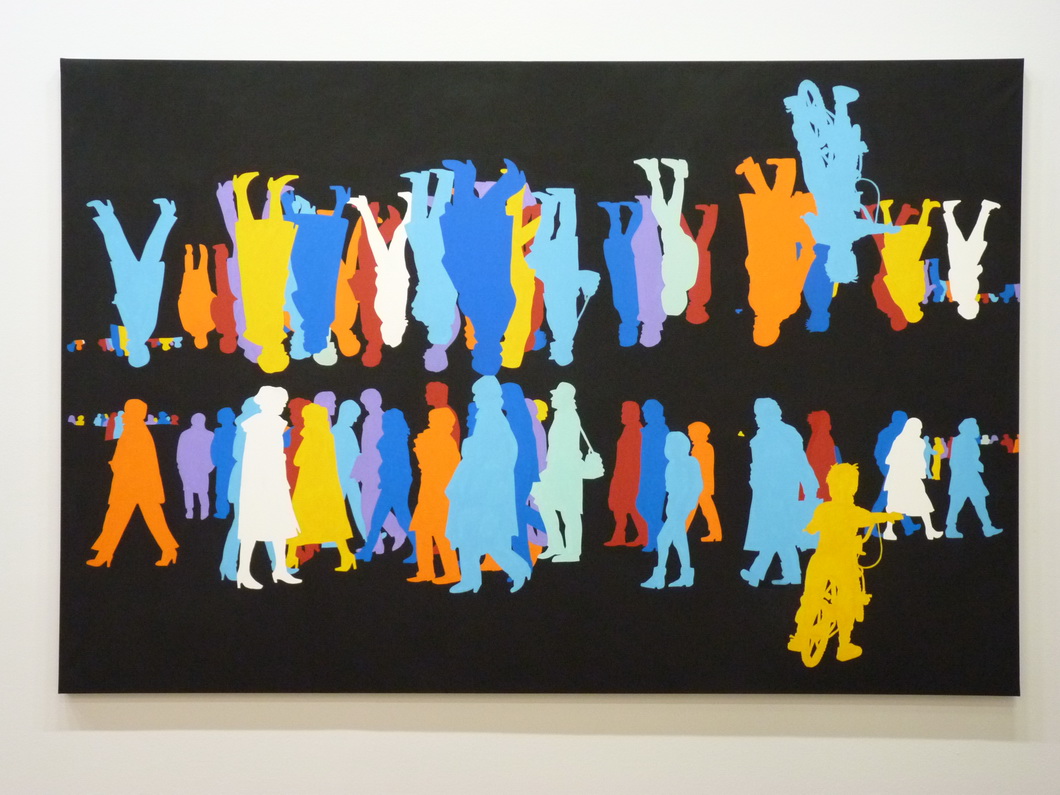
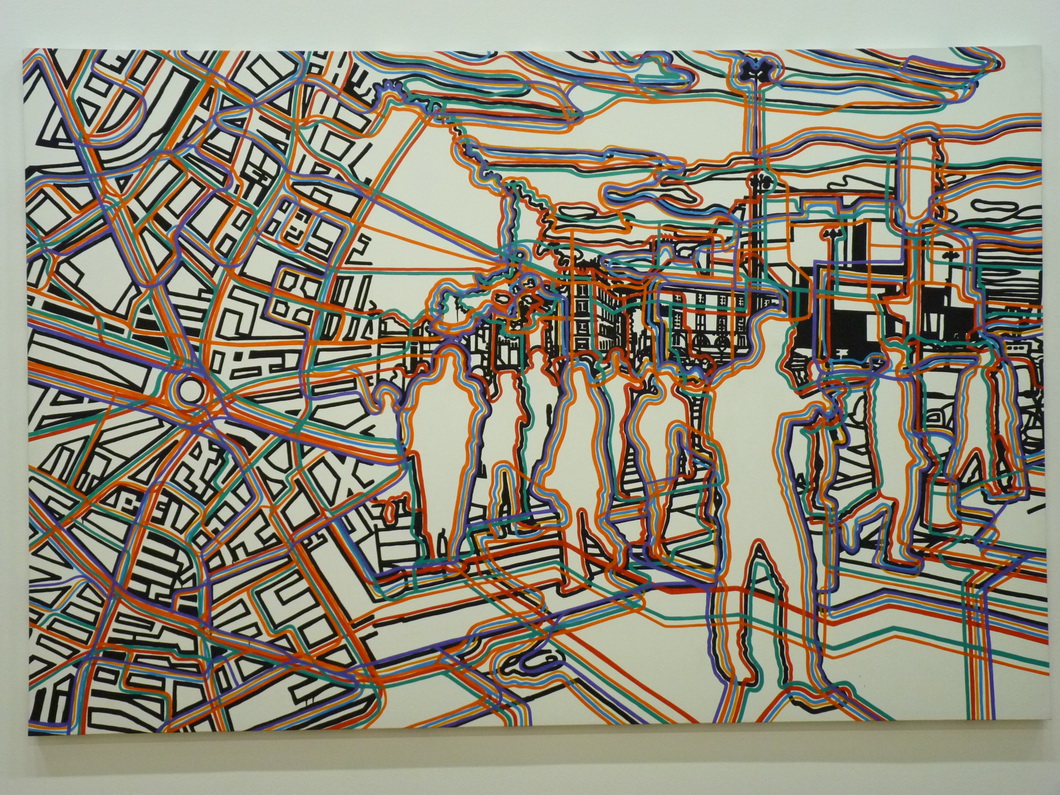
Text/Photos by Chen Chi-Hsiang. Location: Centre Pompidou, National Museum of Modern Art, Paris. Dates: February 17–May 16.
Gerard Fromanger (born 1937) is one of the most representative French painters of European narrative realism. A left-wing radical artist, his creative stance is built on strong ideology; painting is both a tool for battle and a scaffold for politics and society. His work immerses people in the forms and colors of daily life, requiring recognition of those domains. Like many radical young painters, he used the Salon des Jeunes Peintres as a battlefield.
Most were directly involved in the European student uprisings of 1968, fighting from a standpoint of socialist and humanist concern against Western art history and the political and social realities of their time. Narrative realists viewed art as "achieving some understanding there without being dominated by time and space," displaying historical and social situations while adopting a combative critical stance in the world. They believed that "pictures are no longer objects of contemplation; they are tools of communication," emphasizing standards of readability over aesthetic criteria.
Fromanger stated: "Art has never obeyed a belief, nor an order, nor a decree or public opinion."