Haim Steinbach Solo Exhibition
Shopping art or object art's "Painted surface" 2007
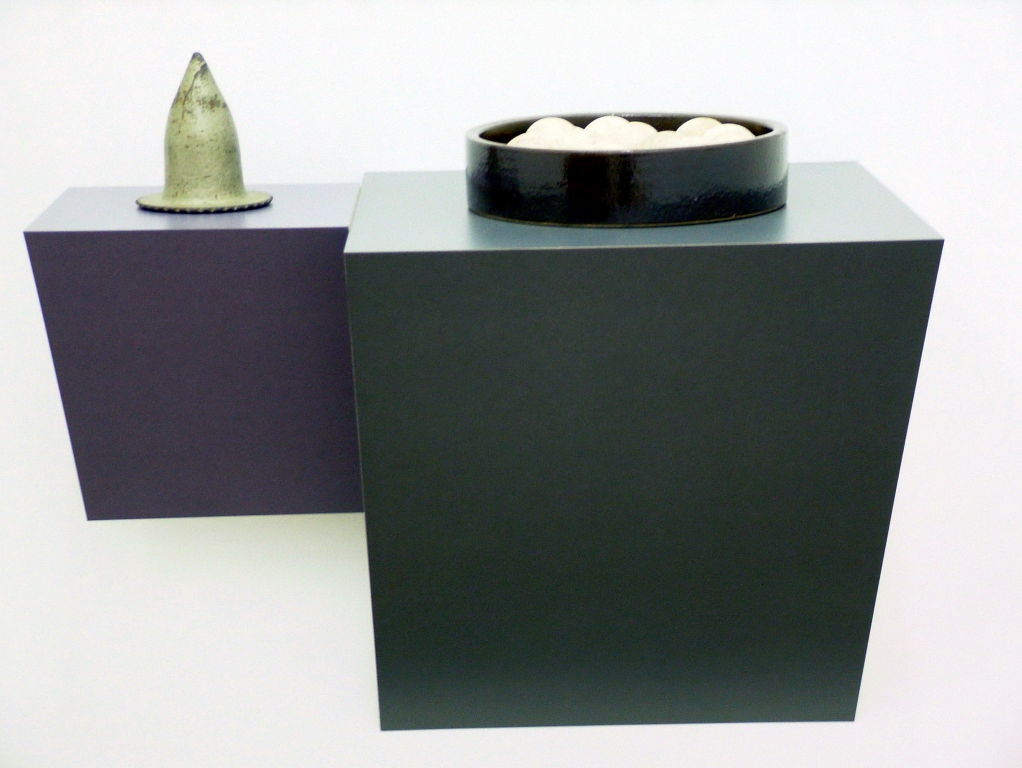
Shopping art or object art's "Painted surface" 2007
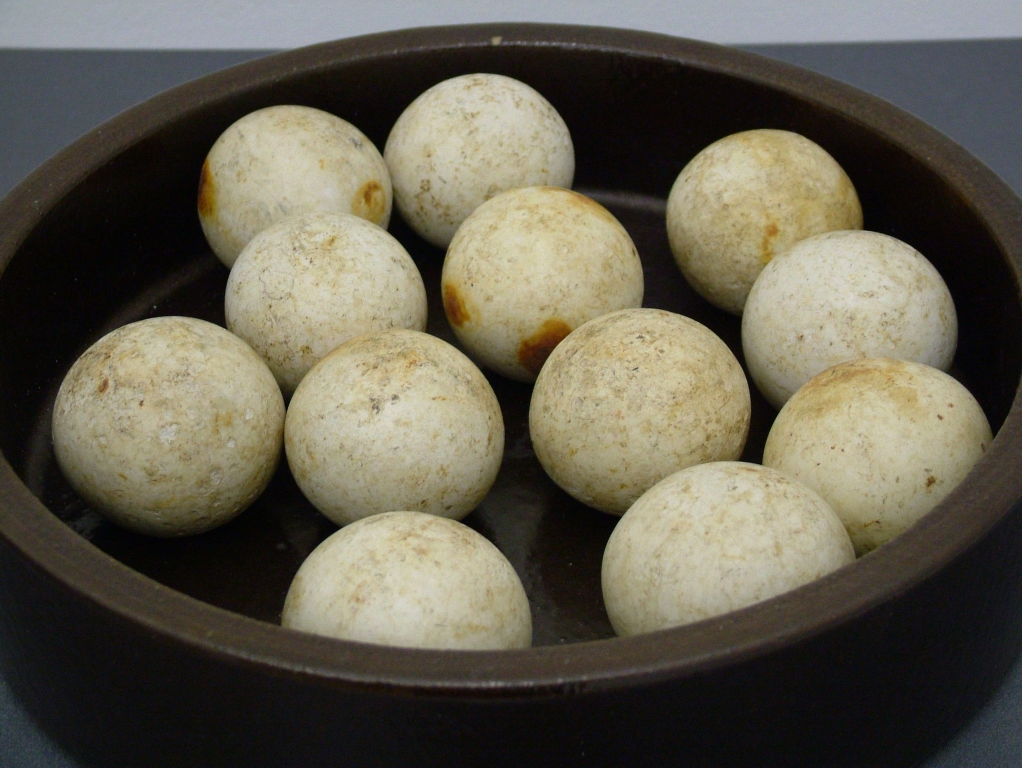
On the pedestal of "Painted surface," black plates are arranged, holding 12 large ostrich eggs.
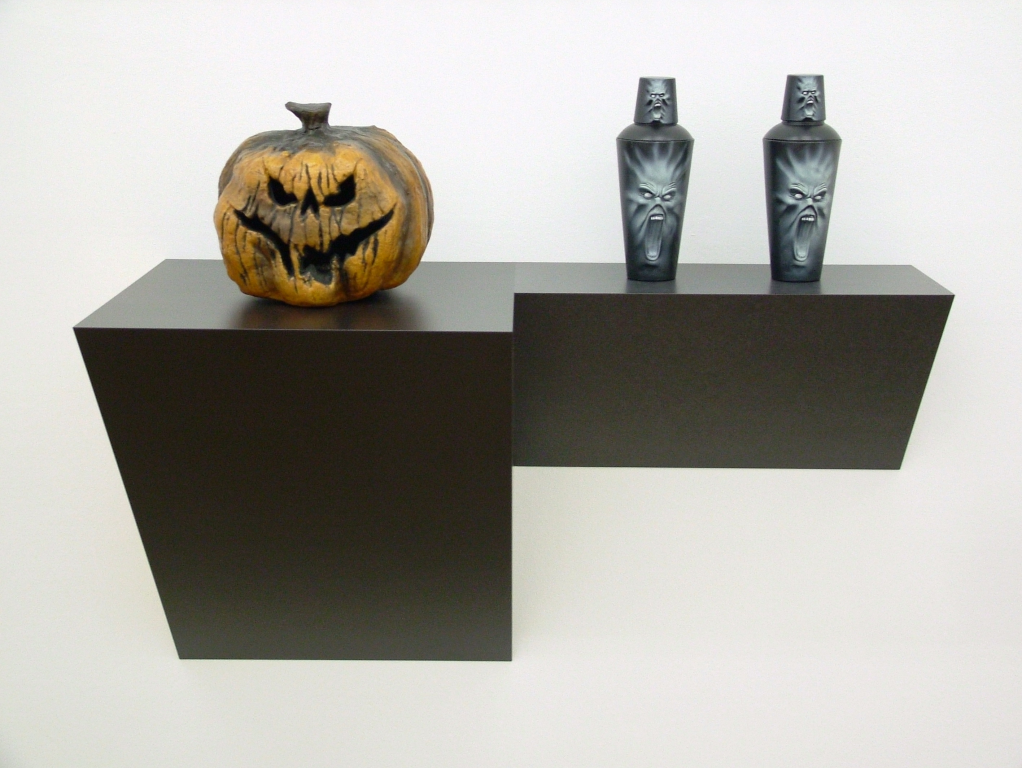
The black humor and wit of "Heather legacy" 2007
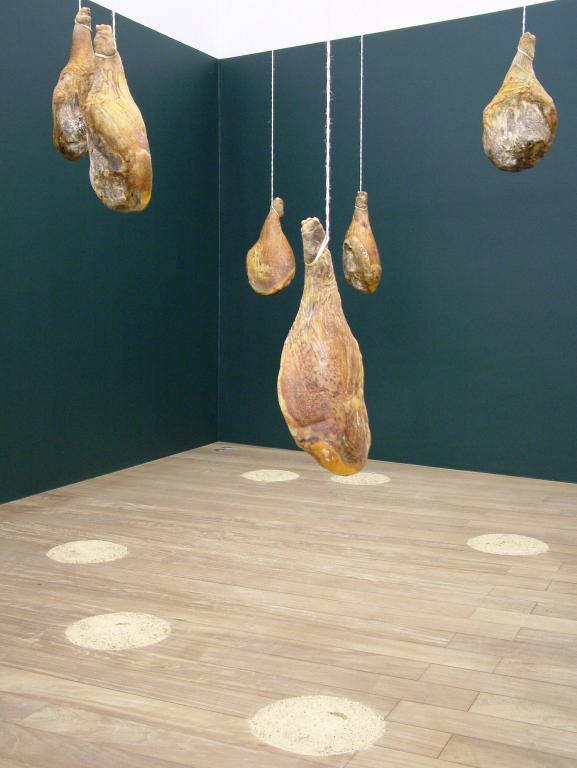
Like a meat shop, Ambassade d Auvergne object installation 2007 Haim Steinbach solo exhibition: On display at Laurent Godin Gallery from November 11 to January 5, 2008. Haim Steinbach is one of the most representative contemporary American Neo-Pop artists. He and Jeff Koons both appeared in the 90s era dedicated to objects. Regarding Duchamp's readymades, artist Allan McCollum believes that "Duchamp's behavior was radical at the time; he unprecedentedly interrupted old aesthetics and celebrated the aesthetic value of anything in the gallery." Then Haim Steinbach believed that "whatever social connections were inside Duchamp's readymades, in the future, these connections collectively involve the functional role of objects within the art system." Today, readymades have become an artistic tradition and a dominant system. Neo-Pop artists are skilled at manipulating or appropriating readymade objects, turning Duchamp around: such as Jeff Koons' fake luxury ultimately becoming real luxury. What Haim Steinbach prepares to take away becomes what is prepared to be collected. Allan McCollum's placebo artworks. They all unprecedentedly turn our everyday trivial objects into "artworks" through alchemy, in the state of art consumption to consumer art. This example of praising rather than criticizing objects explores and questions our relationship with objects. These everyday, mass-produced, industrial boutique items, collectibles, flea market finds, and memory-related objects all connect to our overall existence in the world. Through commodity-like arrangements, Haim Steinbach skillfully organizes the layout of shopping objects, evoking life memories and concurrent mental states (even if superficial), endless and without hierarchy, freely wandering in observation allows each viewer to self-reflect on the questioning of the work, and read it with their own analysis. In this new solo exhibition, Haim Steinbach presents three works, two typical personal object installations, displaying objects on deep blue or dark green shelving units: "Heather legacy" presents a golden pumpkin devil on the pedestal accompanied by two gargoyle-faced vases, its black humor and wit making it obvious that these are Halloween commemorative items. Another, "Painted surface," features black plates on the pedestal holding 12 large ostrich eggs, alongside a spire-shaped porcelain piece, with excellent and superb forms and color combinations, quite poetic. The most eye-catching and dramatic in this exhibition is undoubtedly the "Ambassade d Auvergne" environmental space installation. The artist first canceled the pedestal and used food for the installation for the first time, hanging raw ham from the Auvergne region of France in the space. The four walls are painted different colors, and below the ham lies a pile of fine gravel. Because organic ham continues to mature naturally, juices will continuously drip down due to biochemical processes. Most uniquely is the salty aroma emitted by the ham itself, completing the scene with sight, smell, and taste. Facing these naturally maturing hams, numerous questions arise regarding the temporality of natural maturation, attracting our sense of taste and appetite, or evoking deeper biological meanings of life and death. The inspiration for "Ambassade d Auvergne" came from the restaurant next door named Ambassade d Auvergne. When the artist came to Paris to view the gallery space, the gallery owner led him to this authentic local French restaurant for a meal, sparking the idea from the raw ham hanging throughout the restaurant. Haim Steinbach said, "My first impression of this work was 'olfactory,' however, notably, what I sought to grasp was not just the sensation of taste, but this extraordinary visual (...) equally shocking me was a sense of horror and fear of impropriety, like simultaneous good and bad taste. I believe it was the scent that attracted my gaze (...) My installation will derive from the olfactory scent, just as this organic matter continues to decay and deconstruct, can it transcend life and death and achieve sublimation in some way? Like displaying a piece of dead pork could become a more subtle experience? Obviously, culture, like a superpower, turns any ugly thing into beauty, the extraordinary and offensive, or can beauty fall into the love of beasts? Another perspective, this exhibition brings improvement combining the rotting of death and edible delicacies." (This interview excerpt comes from the press release for Haim Steinbach's solo exhibition)