The Charming Coastal Port Town of Honfleur in Lower Normandy, France
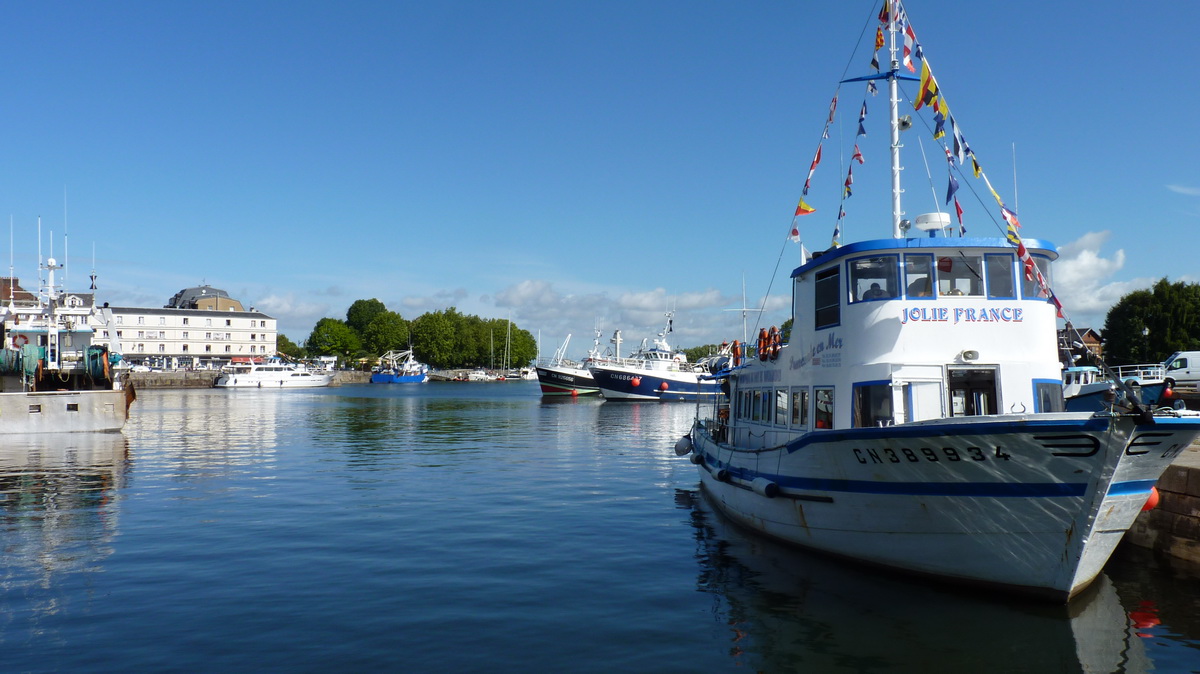
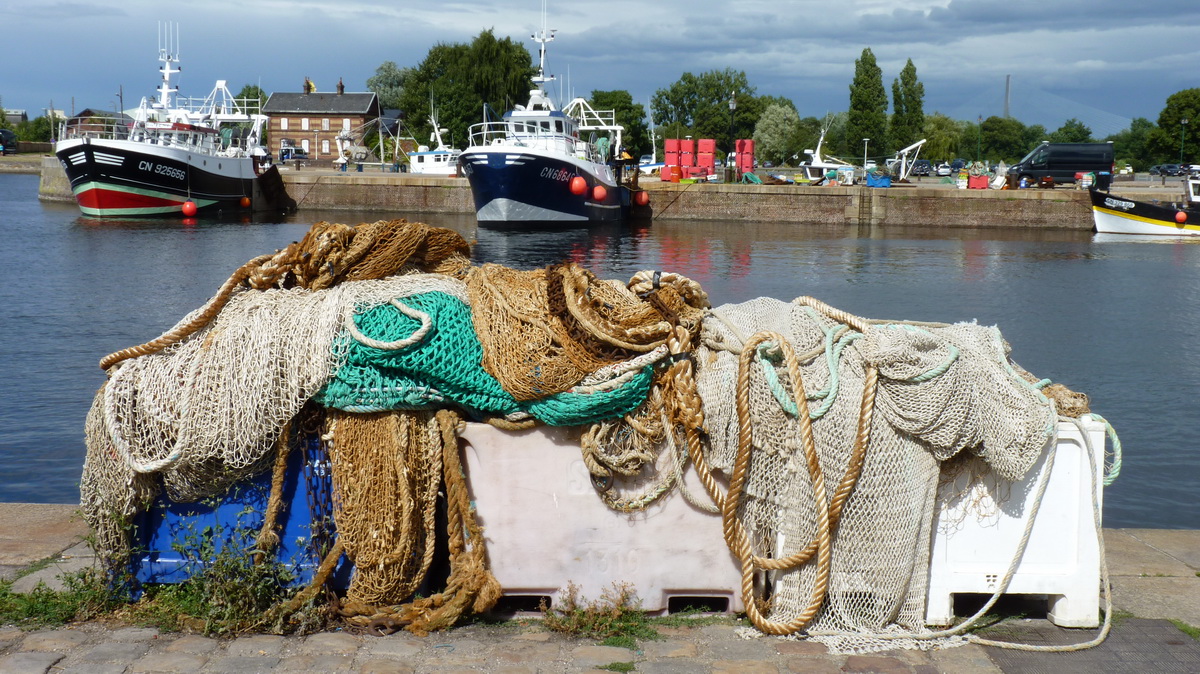
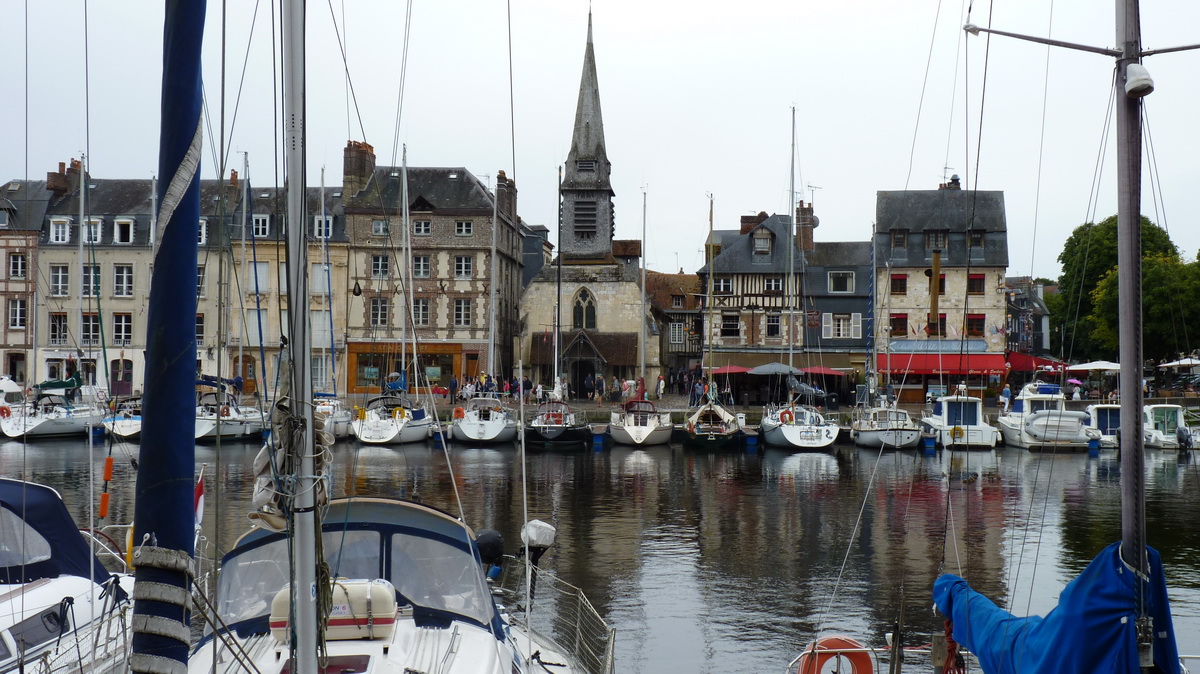
Honfleur is a charming coastal port town (fishing and leisure harbor) in Lower Normandy.
Text and photos by Chen Chi-Hsiang
Preface: Honfleur, a charming and exquisite coastal port town, was once an art capital at the end of the 19th century, exerting great attraction on art lovers and artists who often wished to glimpse its true face. Several years ago, every summer I went to Blonville-Deauville, the most famous white sand beach along the Normandy coast, to escape the heat and swim. This is the closest and most beautiful white sand bay to Paris, favored since the 19th century to the present day by Parisians for seaside vacations, swimming, and sunbathing. I am not unfamiliar with the towns and countryside of this region; I often walk from Deauville to Trouville-sur-Mer. The beaches in summer have a unique charm, with colorful sun tents and umbrellas that immediately remind me of the seaside and harbor scenes in paintings by Eugène Boudin, the Norman painter born in Honfleur. Thus, I took the opportunity to visit Boudin’s beautiful and exquisite hometown—Honfleur. This year, again taking advantage of a fine summer day, I delved into Honfleur to explore its geographical landscape and artistic creative sources.
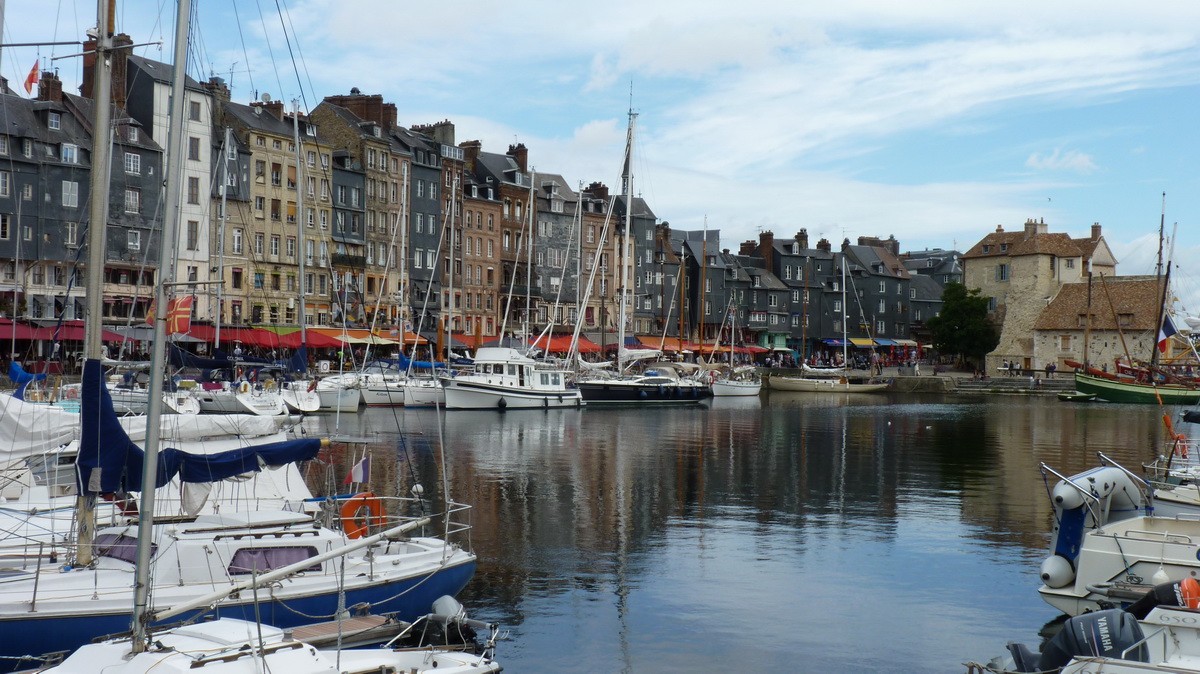
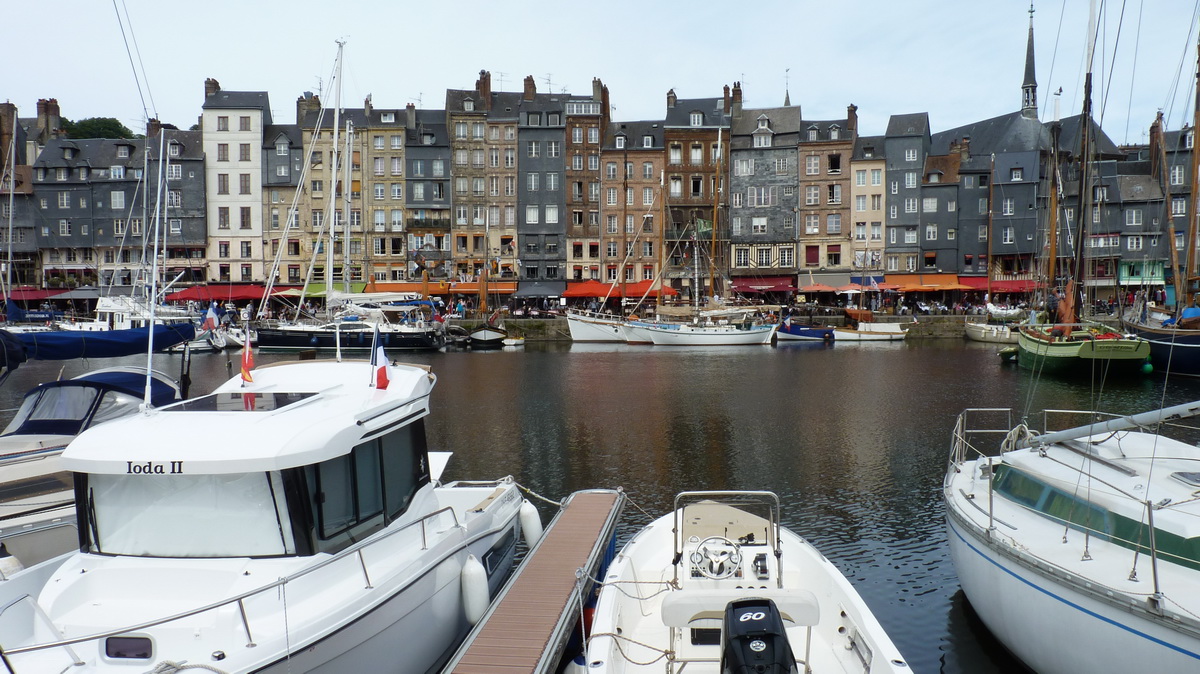
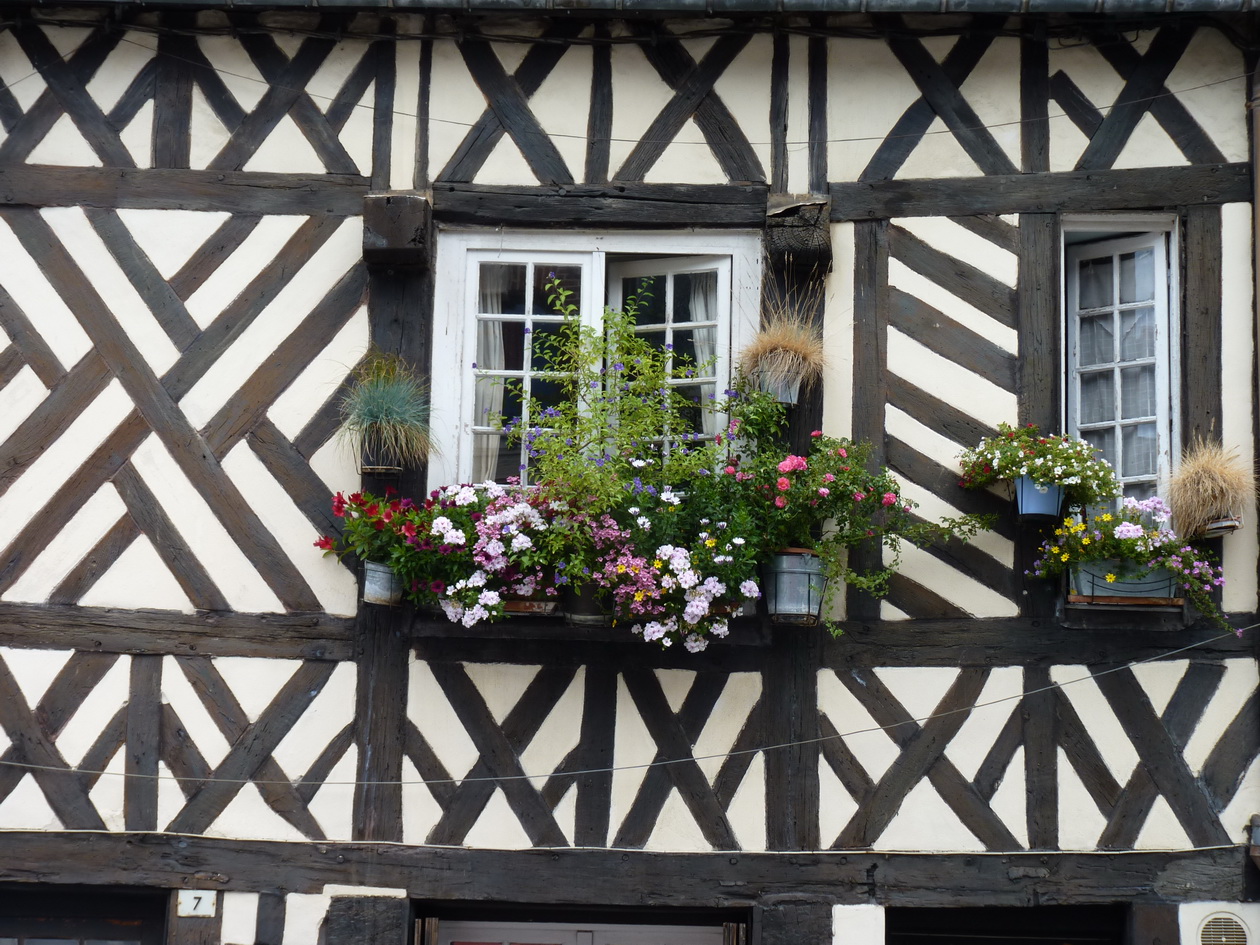
Honfleur is a charming coastal port town (fishing and leisure harbor) in Lower Normandy. The sea breeze in this saline zone carries a strong salty scent. It is a seaside tourist destination in French Normandy. Its famous traditional architecture mostly features facades of black-and-white timber-framed houses. It is a small town in the Calvados department of France, located on the left bank at the mouth of the Seine River, possessing a strategic position and a glorious past of navigation and history. It faces Le Havre across the river, connected by the Normandy Bridge. It is the hometown of the world-famous landscape painter Eugène Boudin (July 12, 1824 – August 8, 1898) and the famous French modern composer Erik Satie (May 17, 1866 – July 1, 1925). For a long time, it has attracted numerous artists and amateur landscape painters. Especially the magnificent old port (Vieux Bassin), filled with ships, surrounded by buildings with distinctive dark slate roofs, became the subject of painters’ depiction. Particularly Courbet, Boudin, Monet, and Jongkind established the Honfleur School, becoming the origin of Impressionism. The young Monet said: “I owe my becoming a painter to Boudin.” At that time, this port town became a world-renowned art capital, still attracting many art lovers today to make pilgrimages or amateur painters to sketch here.
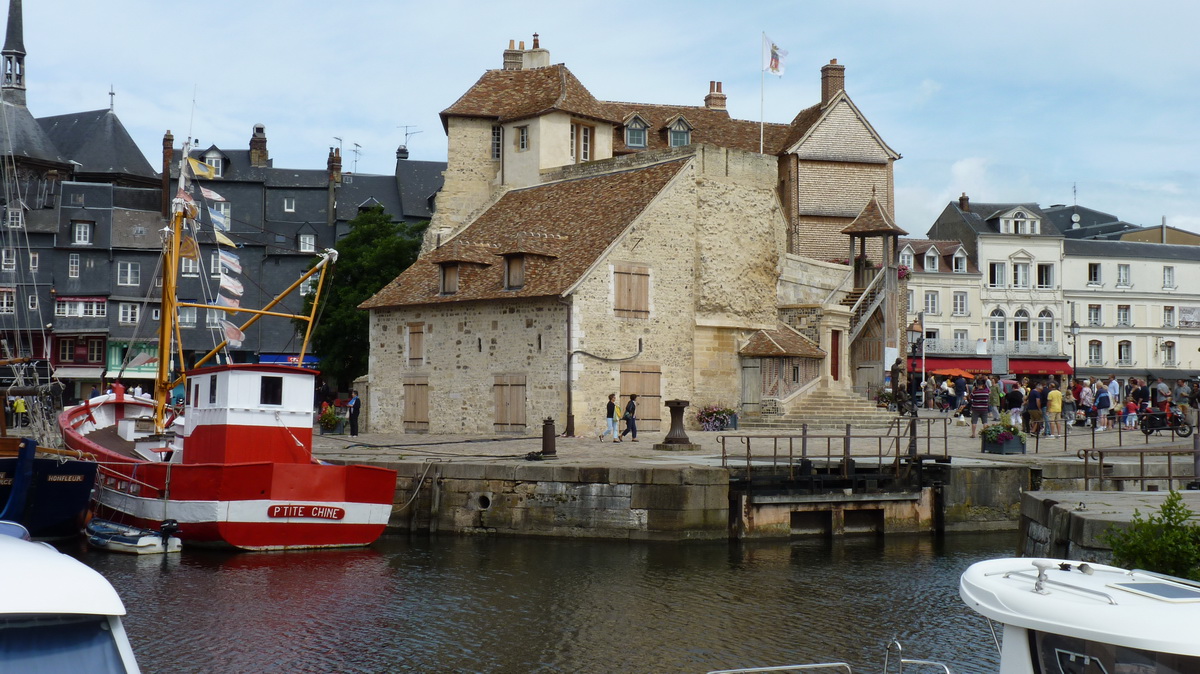
Visiting involves circling the old port city, covered in mottled erosion, with narrow stone alleys and old stone buildings from the past. In front of the old port stands a solid stone government building (La lieutenance), one of the two gates guarding the forests of Honfleur in the Middle Ages, now a beautiful scenery spot of the old port. Near the municipal port lies the charming pointed Saint-Étienne Church (14th century), now serving as a maritime museum. Behind it stands a tall salt warehouse (Greniers à sel) (built in the 17th century). These two giant stone structures could previously store up to ten thousand tons of salt, used for distant fishing vessels such as during the Canadian cod season, and are now local cultural exhibition spaces. On weekends or in sunny summers, the streets and alleys surrounding the old town become outdoor display mobile markets for local products. The house where painter Boudin was born is a stone house in a small alley near the library.
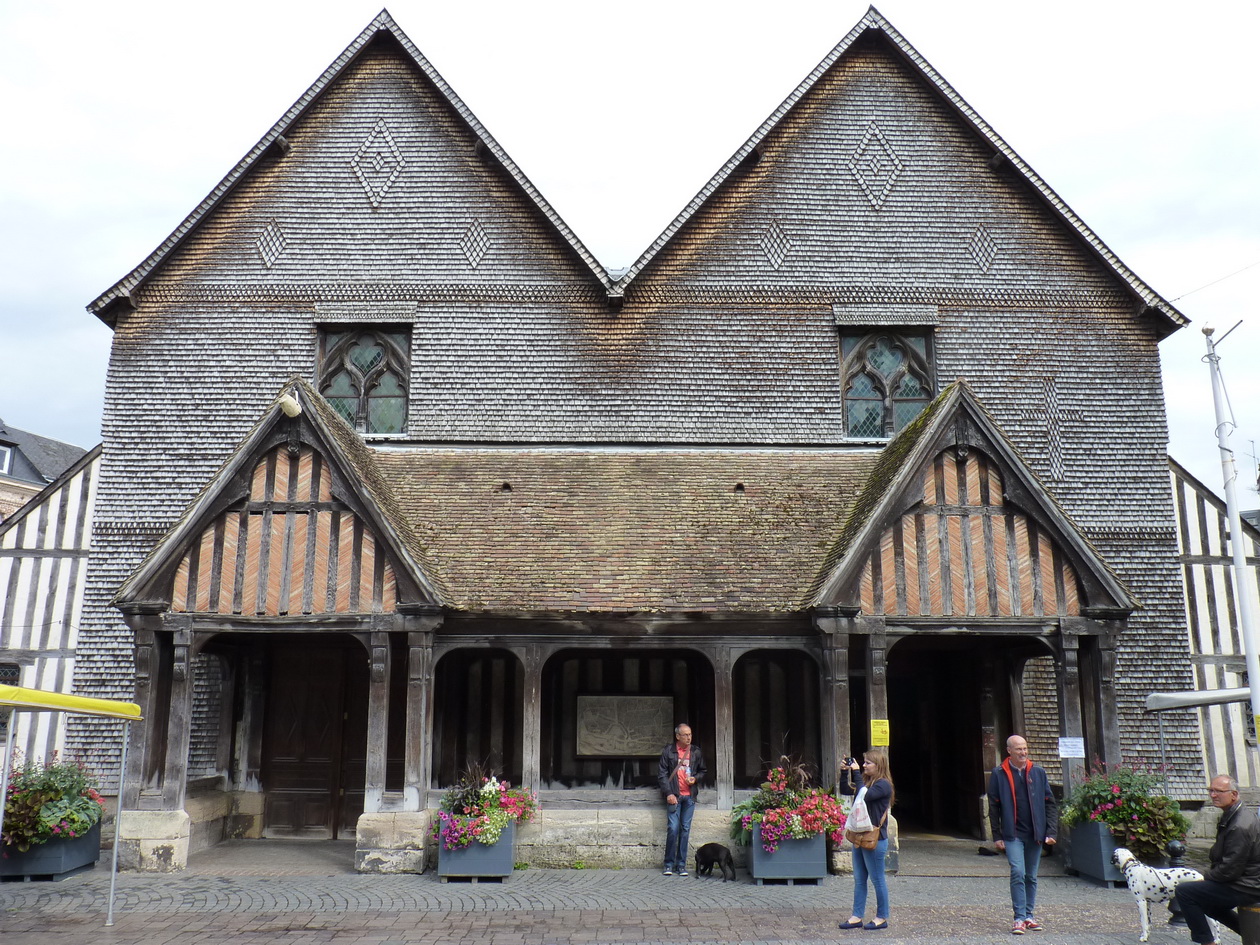
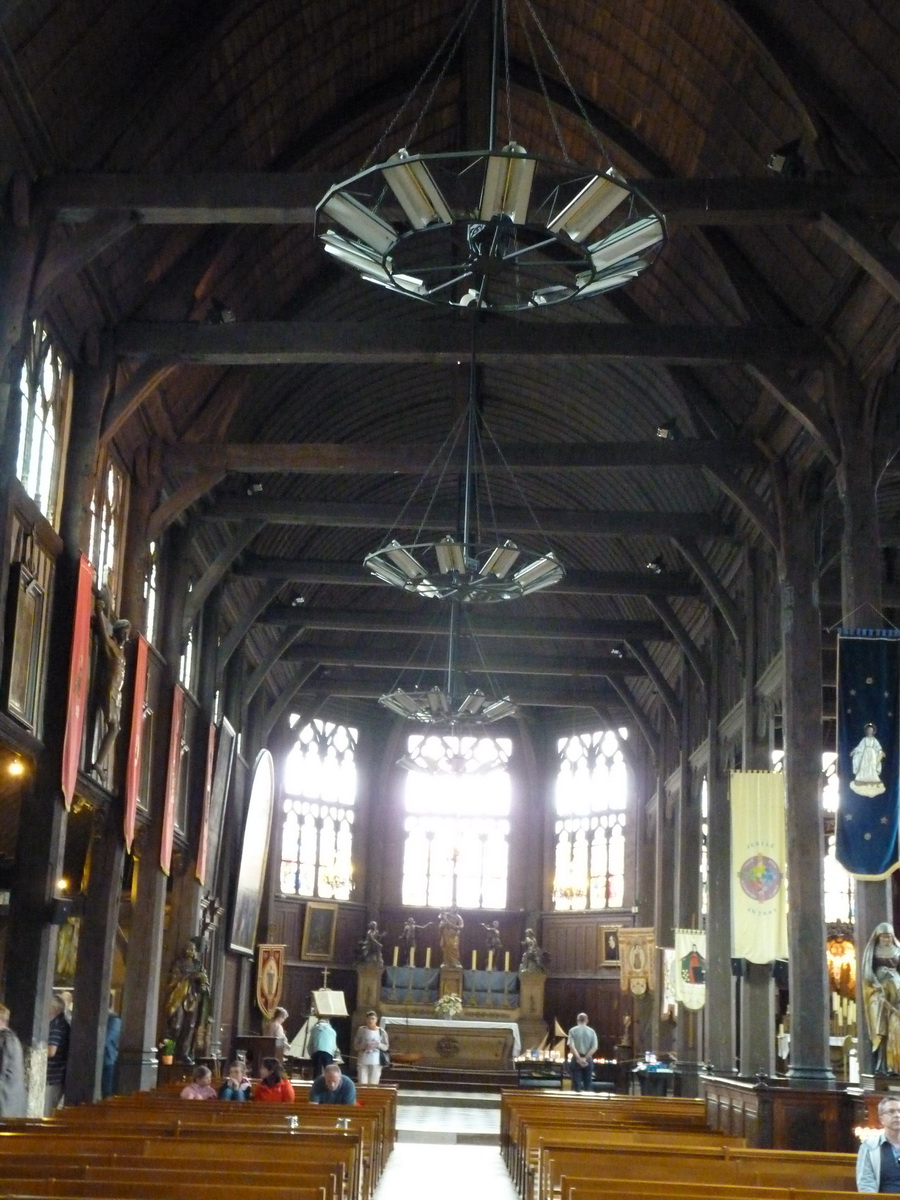
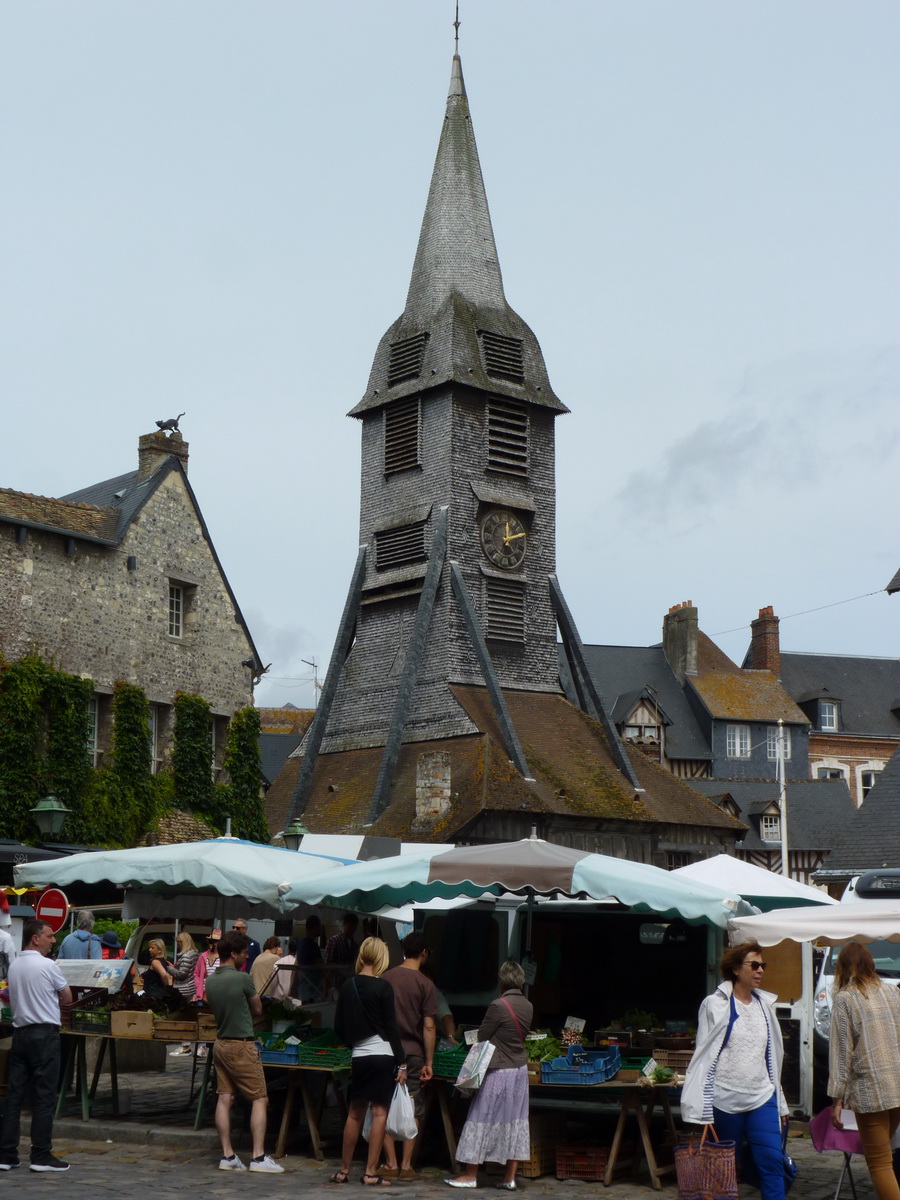
Behind the old port stands the unique wooden Sainte-Catherine Church (Eglise Ste.-Catherine) (built between the 15th and 16th centuries after the Hundred Years' War). Constructed according to traditional shipbuilding techniques, the entire interior of the church is structured like a ship. It is the largest existing wooden church in France and an independent pointed bell tower. For a century, the traditional floating market of the port town has revolved around the church, becoming the core of faith and life for the people of Honfleur.
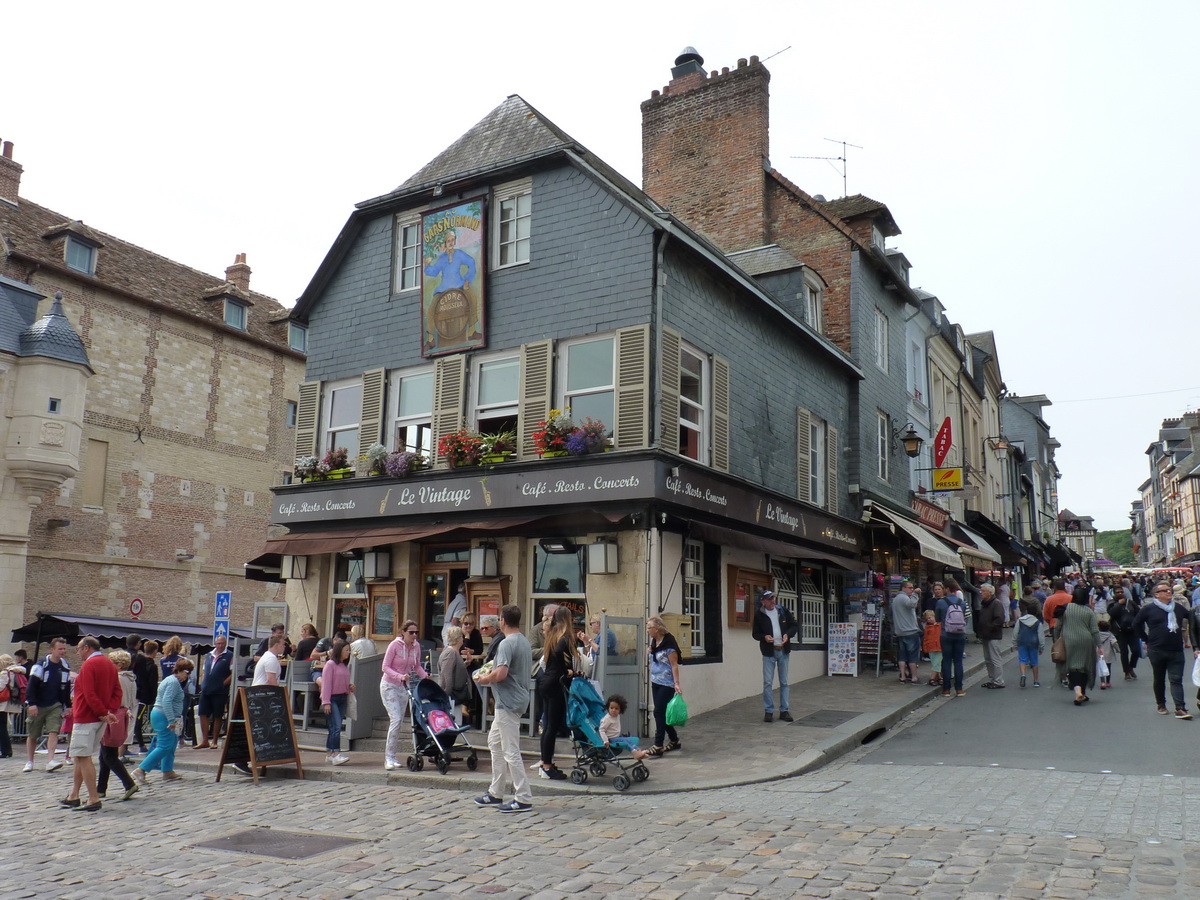
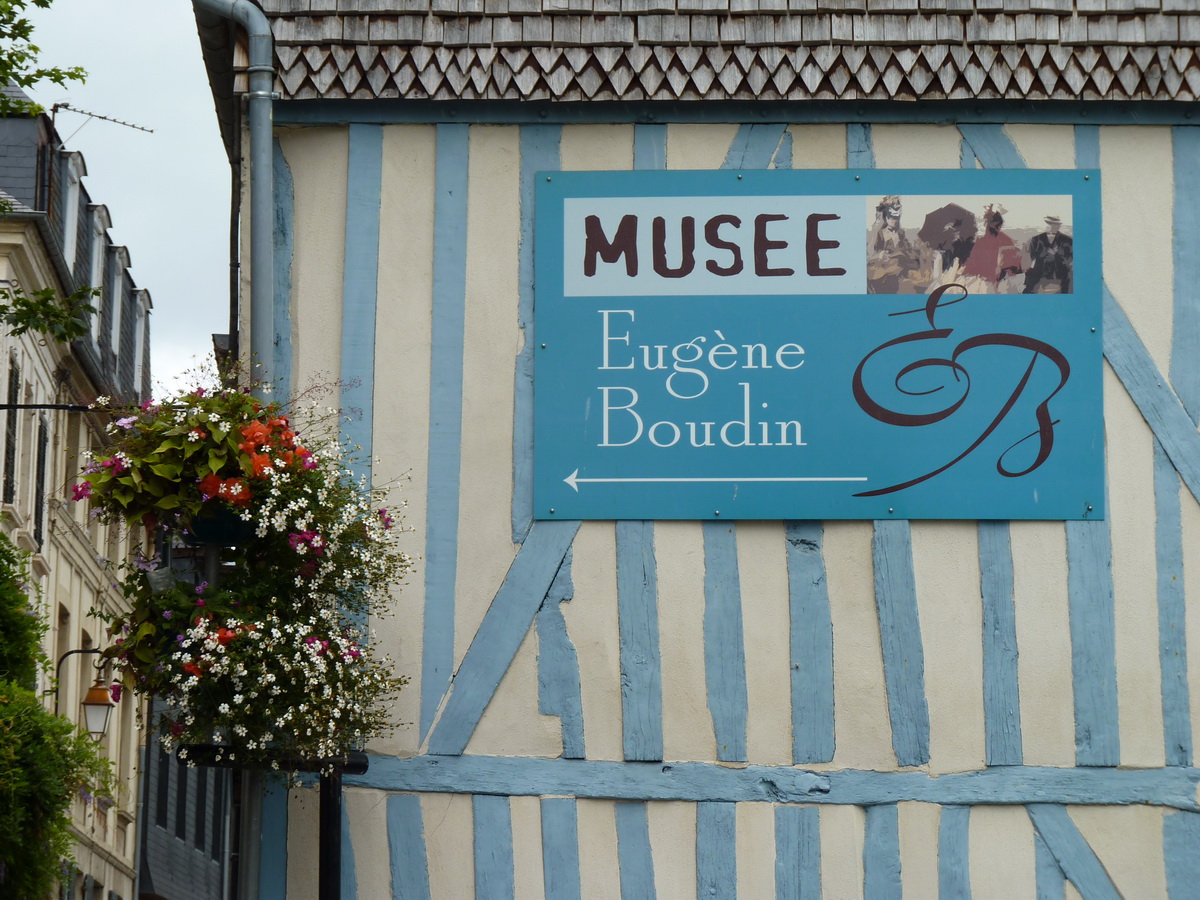
Surrounding the church is the true living scene of the people of Honfleur. Crisscrossing streets feature typical Norman traditional architecture of wooden houses. Various restaurants, shops selling local products, and galleries stand in rows. Two notable memorial museums are situated among them: the Boudin Museum. Boudin and Jongkind were pioneers of Western plein air painting, pioneering outdoor sketching in 1858, specializing in depicting natural landscapes under light, especially seascapes and harbors, showing a unique affection for the ever-changing sky and clouds. Their works unfolded a unique style through fluid tones and subtle brushstrokes; they can be considered precursors of Impressionism. The museum’s rich collection includes not only Boudin’s works but also those of his friends: Monet, Jongkind, Dubourg, Isabey, etc. This museum is more commemorative than its collections. The House of the famous French modern composer Satie commemorates this precursor of 20th-century French avant-garde music. This is where Satie was born; the interior displays the composer’s domestic life scene, evoking nostalgia. His most famous works include piano pieces Gymnopédies and Gnossiennes, Le Fœtus desséché, Trois morceaux en forme de poire (four-hands), ballet Ulysse, and vocal work with orchestra Socrate. Below a self-portrait, he wrote: “I came into this world with a very young body, but I have a very old heart.”
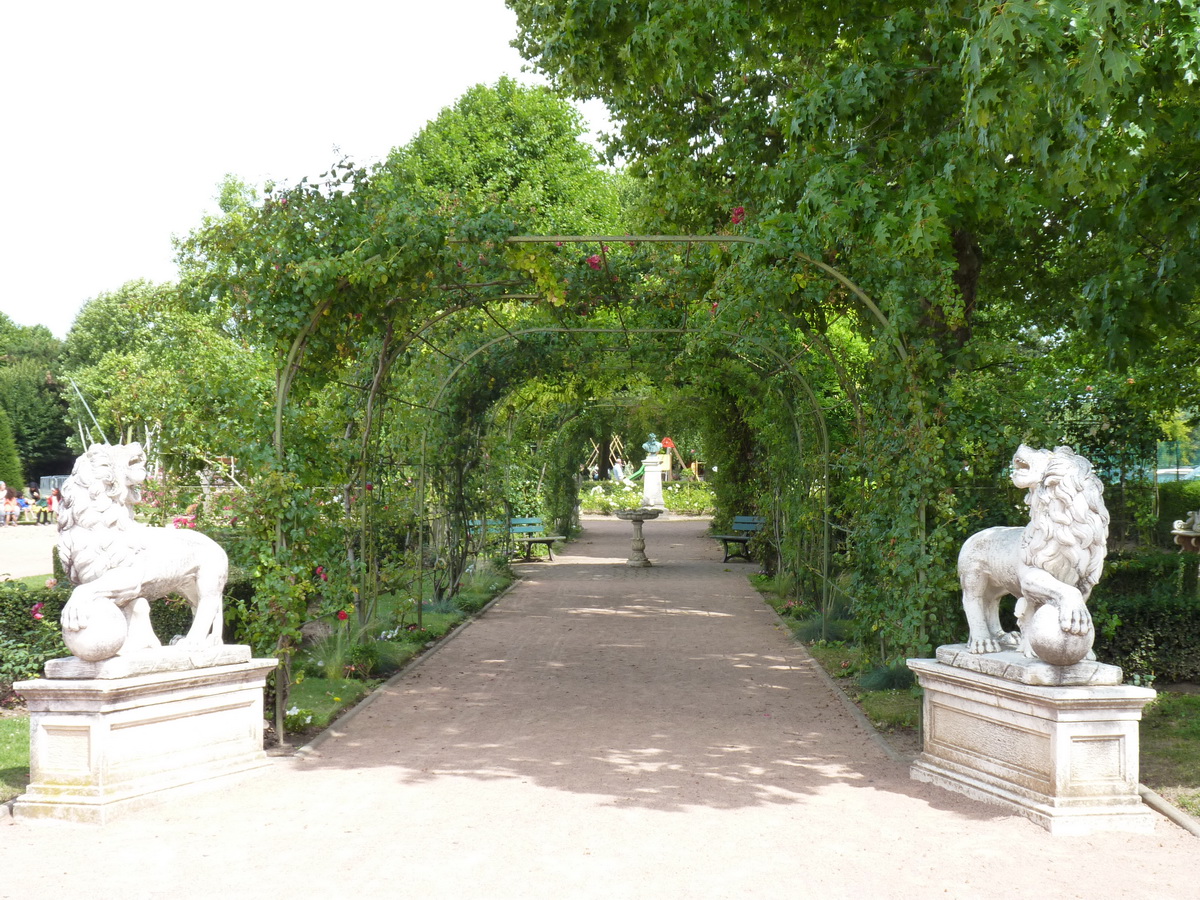
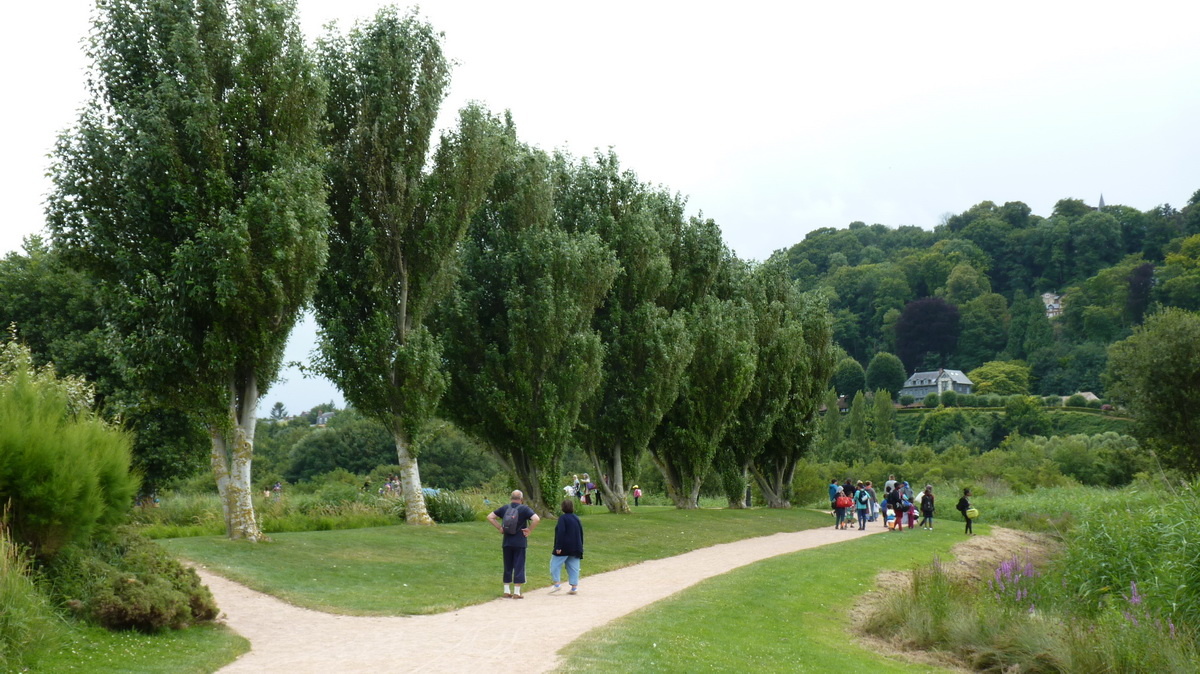
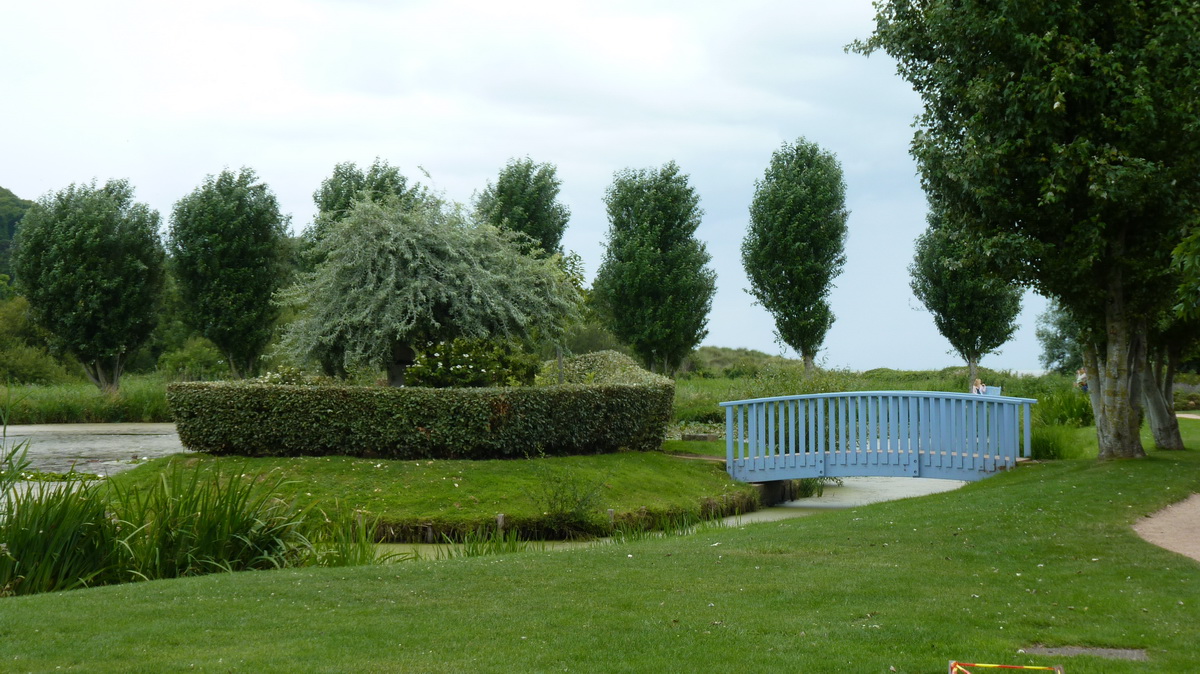
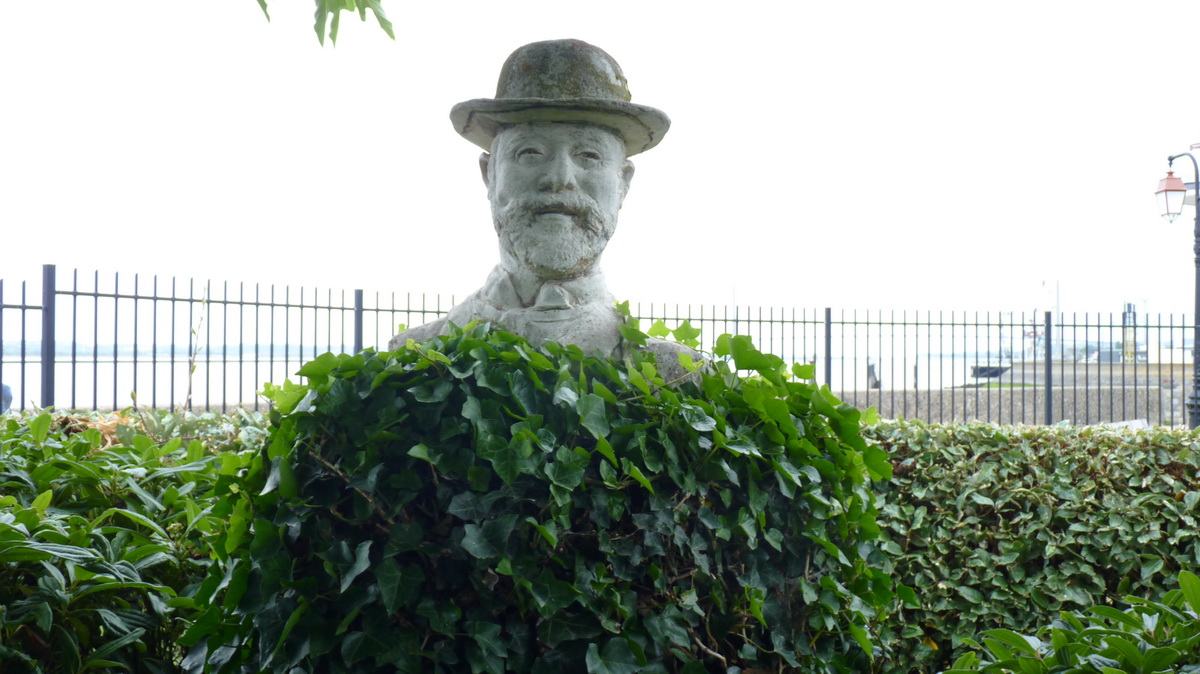
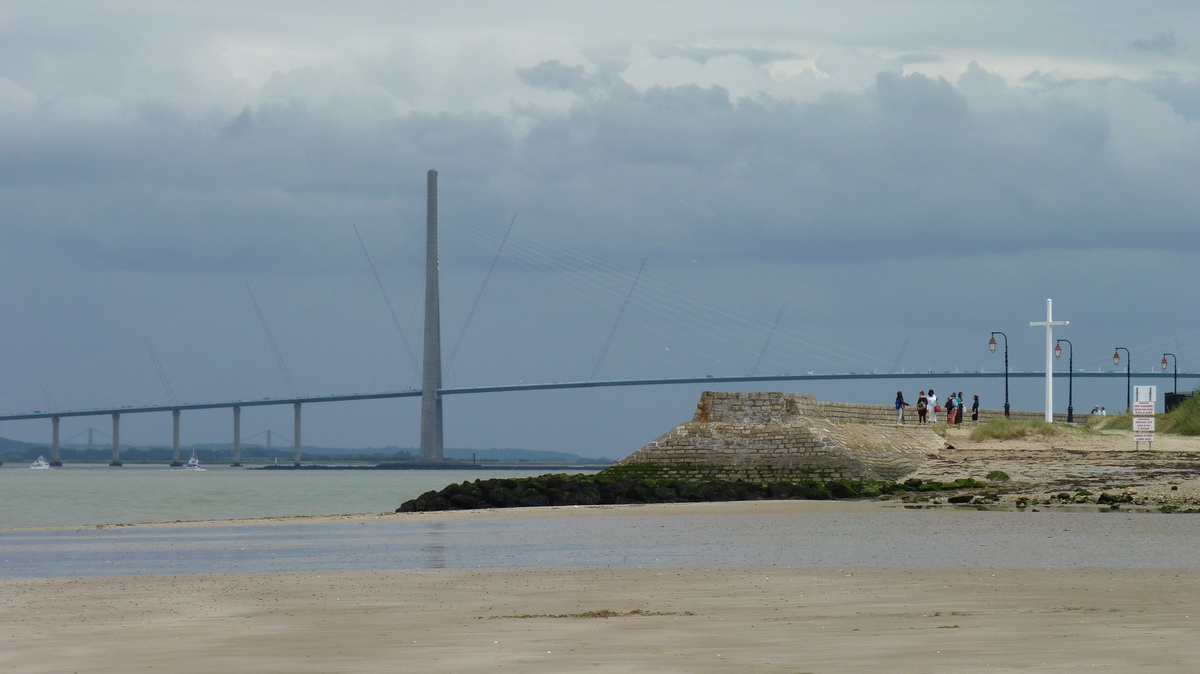
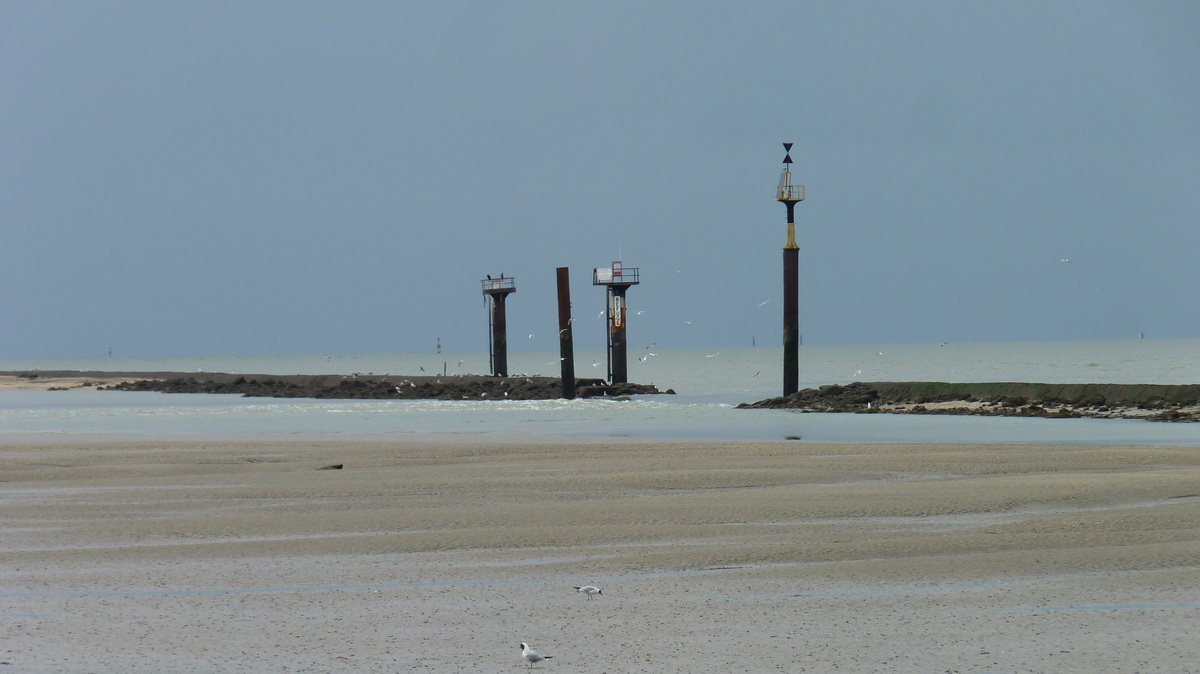
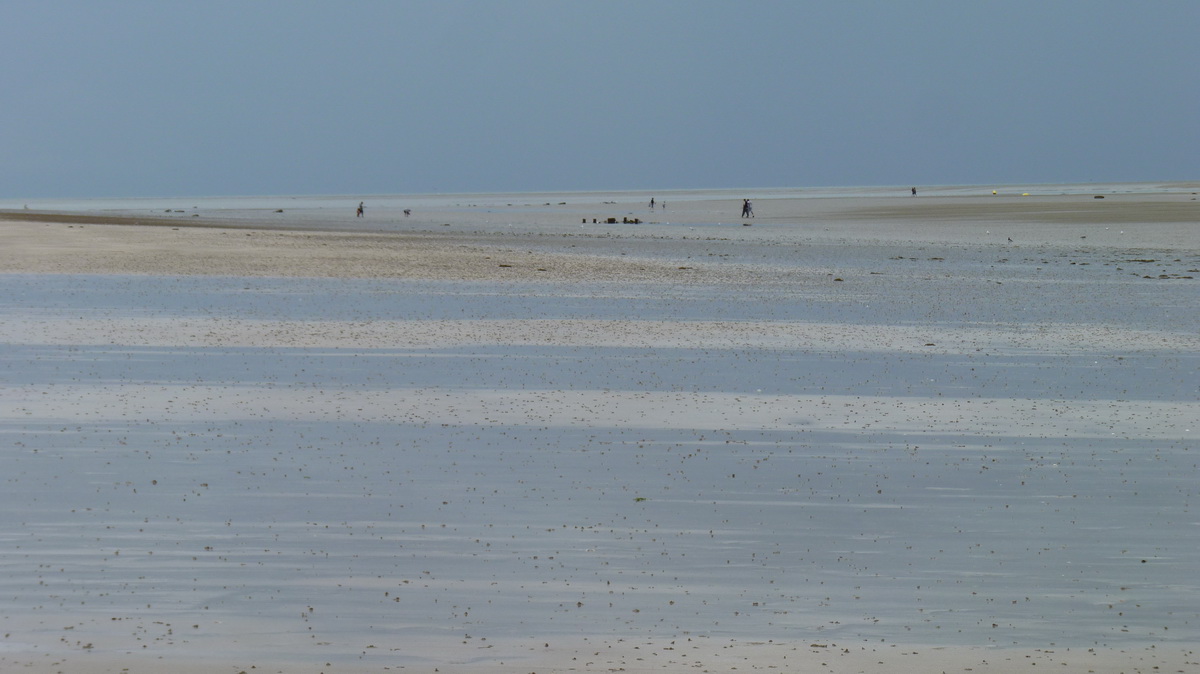
People can stroll along the waterfront to the beach. A colorful small park by the port contains a bust monument of painter Boudin. Following the dike leads to the banks of the Seine. In the suburbs lies a charming tropical butterfly garden: the largest tropical butterfly garden in France, maintaining a temperature of 28 degrees Celsius year-round. It plants various tropical plants: orchids, bougainvillea, bird-of-paradise, palm trees, and herbs, etc., along with tens of thousands of colorful butterflies, making it a good place for butterfly watching in France. Then comes the Honfleur Nature Reserve wetland. By the Seine River lies the Honfleur Celebrity Beach Park. Relying on green hills and bordering the coastline, with beautiful grasslands and woods, shrubs trimmed into boat shapes each contain a celebrity who lived in or visited Honfleur to create art: painters Boudin, Monet, Jongkind; writer and poet Baudelaire; musician Satie, etc. Walking straight along the Seine leads to a white cross, arriving at the mouth of the Seine River. A wide beach is right before your eyes, facing Le Havre, France’s largest port. Looking back, the famous and magnificent Normandy Bridge spanning the Seine River comes into view.
Note: The humanistic history references in this short article are based on the French Wikipedia.