Jan Fabre "The Incarnation of Angels" Special Exhibition Art Walk
Full of humor and satire - Dung Beetle Object-Sculpture Installation 2001

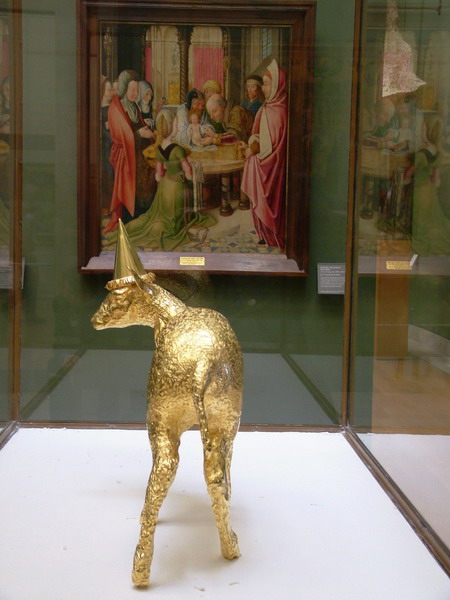

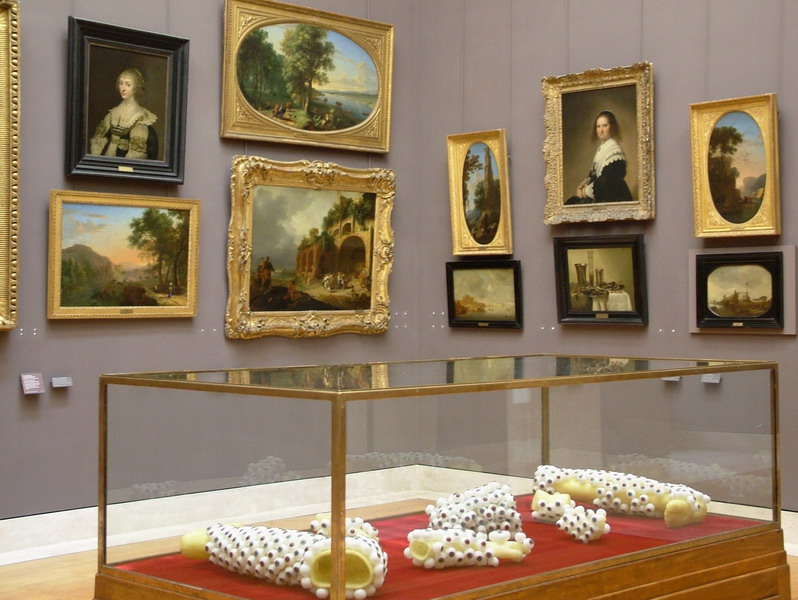
Unable to Enter the Night God's Gift Object-Sculpture Installation 2008
Jan Fabre's "The Incarnation of Angels" special exhibition is also the most brilliant and magnificent solo show since Printemps, held within the Grand Louvre. Jan Fabre is Belgium's most representative contemporary artist, performance artist, choreographer, etc., and Europe's most diverse artist. Recently, the Louvre's art exhibition policy has not been confined to existing ancient art and its own collection scope, but seeks to open new horizons and audiences by introducing contemporary art exhibitions. In the contrast between past and present, they shine upon each other, bringing unexpected surprises and extraordinary confrontations to visitors at the Louvre. Following the sensational exhibition of German artist Anselm Kiefer last year, this year's invitation of Jan Fabre's special exhibition has also garnered audience applause and more surprises. This "The Incarnation of Angels" special exhibition was particularly held on the second floor of the Richelieu side in the Northern European Painting Exhibition Room. Since Fabre comes from Belgium, he inherits the artistic heritage of Flanders, combined with Magritte's surreal context, which becomes his creative source. In contrasting artistic presentations, based on the form and concepts of the works, they are placed in the Northern European Painting Forest exhibition space, intending to reveal human eternal conditions and states of mind through extraordinary contrasts—humorous, satirical, tragic, humorous, poetic, literary, symbolic, metaphorical, referential, etc.—many borrowing from the past to satirize the present, or depicting the eternal dilemmas and uneasy situations of human existence. Letting the audience clearly understand the commonalities, existential conditions, and spiritual verification between past and present or East and West. Although creation forms differ with the background of the times, essentially they are close. Contrasting opens up a unique exhibition method and layout.