Jeff Koons Solo Exhibition at the Palace of Versailles — 凡爾賽宮個展聯想
Ballon Flower - Yellow 1995-2000 Artist's Collection
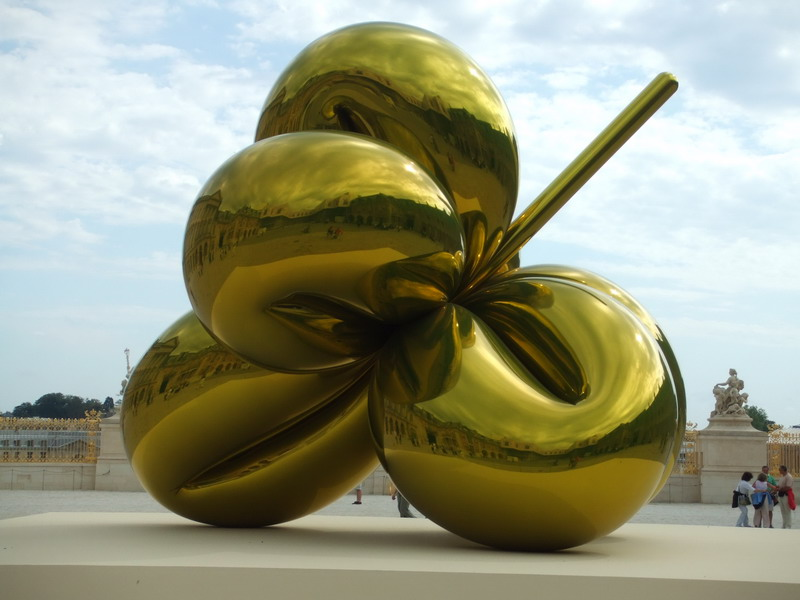
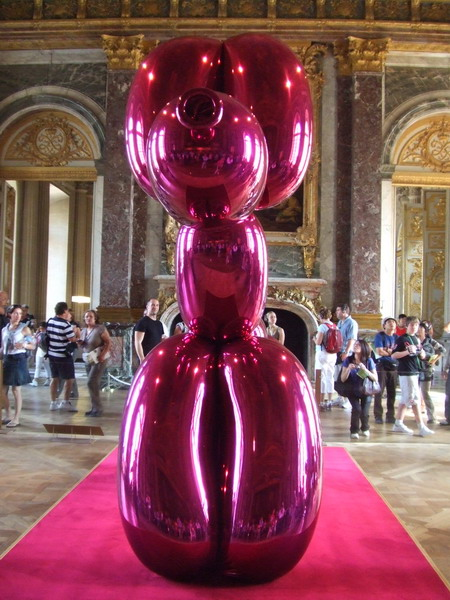
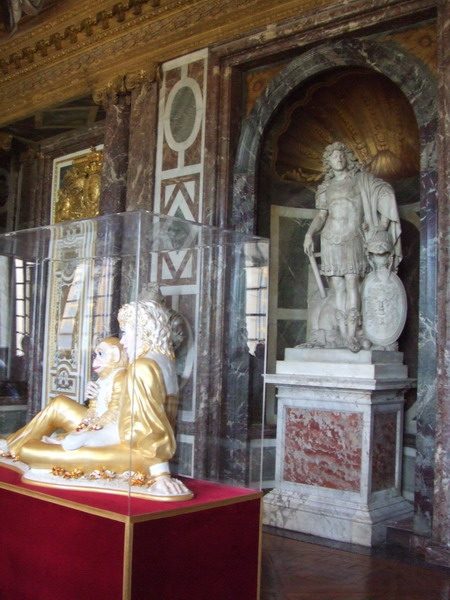
In the era where nothing is impossible, and nothing is obligatory or forbidden, in a time of infinite possibilities, what is truly impossible? Any impossibility seems to become possible (especially in avant-garde and contemporary art, as well as the creative industries). In this era more magical than imagination, events unfold before our eyes one by one: the fall of the Berlin Wall, the September 11 terrorist attacks on Manhattan, tsunamis, earthquakes, financial storms, etc. Who would have thought that America would elect an African American President Obama? Who would have imagined that the collapse of capitalism and the onset of the global financial ice age would sweep across the world so rapidly? Who could predict tomorrow’s climate? Energy and food crises also seem imminent. Things that were deemed impossible have happened. Paris, the capital of art, is no exception. Subverting past exhibition methods and strategies, contemporary art has entered the Louvre and the Palace of Versailles and its châteaux, hoping to broaden contemporary horizons and attract more box office revenue, bringing contemporary art into the tourism industry. This subverts existing tourism perspectives, attracting more visitors, thereby spreading the universal values of contemporary art, becoming a new resource and vision for French tourism. Otherwise, some tourist sites are visited only once in a lifetime, losing the motivation to return again; updating both cultural and tourism industries is imperative.
Under this forward-looking perspective on contemporary art exhibitions and tourism industry strategies, the Palace of Versailles, located just outside Paris, unusually hosted the solo exhibition of American Pop artist Jeff Koons last autumn after the season changed. Dramatically, in the magnificent palace of Louis XIV, the Sun King, the throne yielded to the current Prince of Pop Art—Koons. The noble palace was transformed into a Disneyland-like setting, descending into vulgarity, but all these operations were for box office success. Today, museums, art galleries, and castles operate commercially, engaging in tourism economic activities, which has become the operational system of the cultural industry (the Picasso Century exhibition is a clear example). According to statistics from the French museum coordinating authority, Jeff Koons’ solo exhibition brought double the number of visitors (an additional 500,000) to the Palace of Versailles, though it is unclear how the organizers calculated this (hopefully not self-serving justification). Many tourists encountered the exhibition unexpectedly, feeling somewhat bewildered when facing the works (since they did not come to Versailles specifically for this exhibition), unsure of what kind of art this was (this was my observation during the visit).
During the Jeff Koons solo exhibition at the Palace of Versailles, there was an interlude: Charles-Emmanuel de Bourbon-Parme, a descendant of Louis XIV, sued the organizers in court and wrote to the President, claiming that the exhibition “not only disrespected the deceased (Louis XIV) but also desecrated this extraordinary site,” demanding an immediate halt to the exhibition to save Versailles from vulgarization. However, under today’s commercial and industrial mechanisms driven solely by profit, what is sacred? What is impossible? It appears that money is the most sacred and bewitching force. The cultural industry has become a leisure period to pass idle time, with art serving as a bargaining chip in the cultural industry. Reversing the essence of art has become the current dramatic trend in art exhibitions, and bringing immense financial prospects to the organizers is the ultimate goal.