John Baldessari – “Double Ticket” Solo Exhibition
and David 160.6x152.4cm 2012 Image output canvas - oil and acrylic
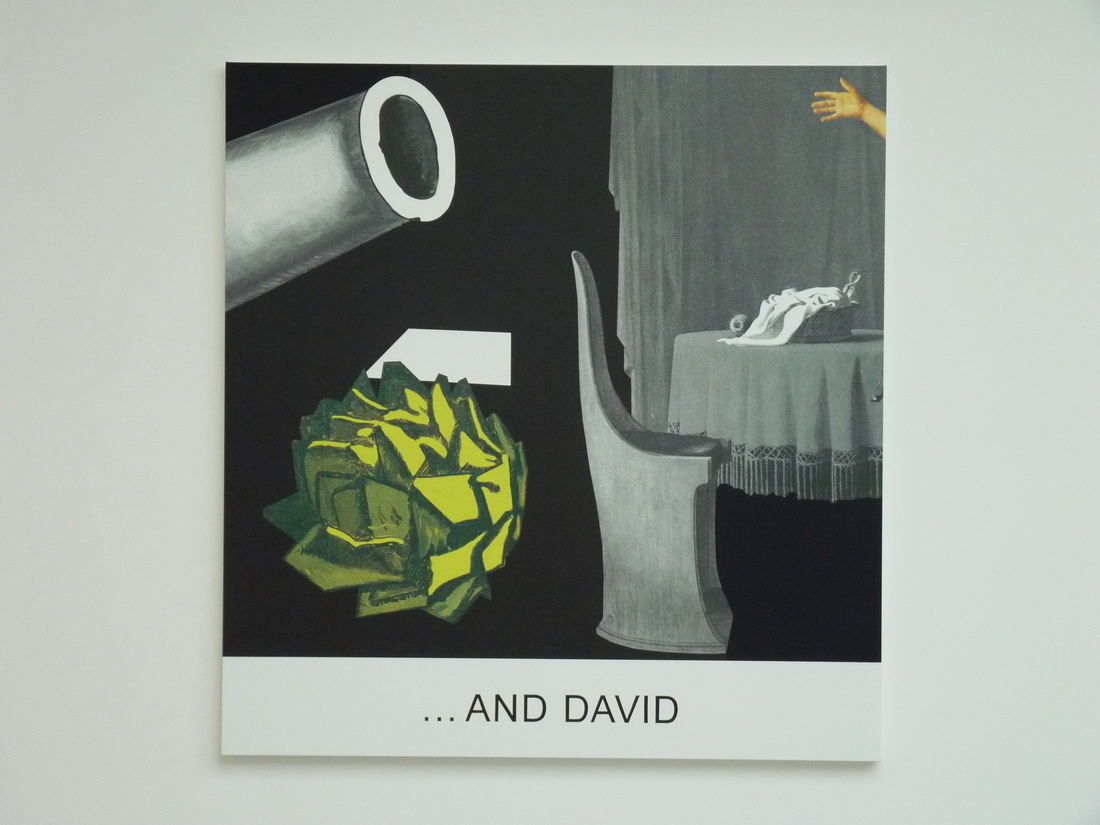
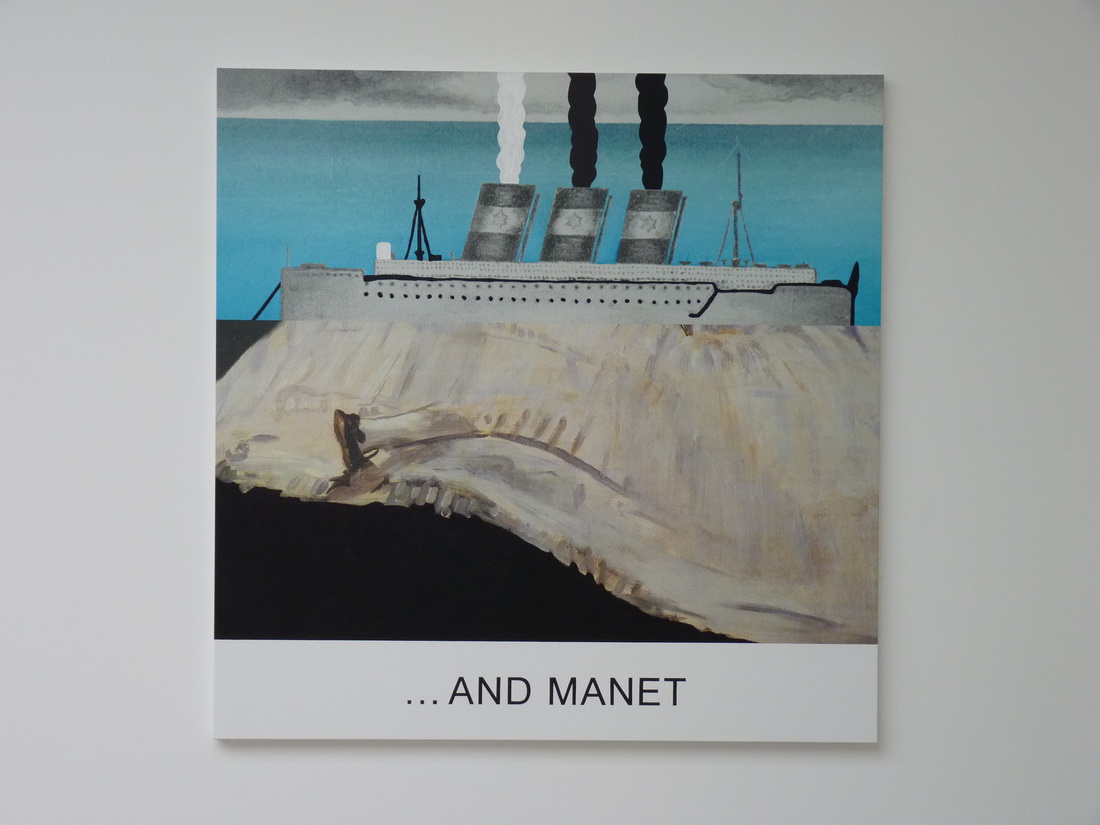
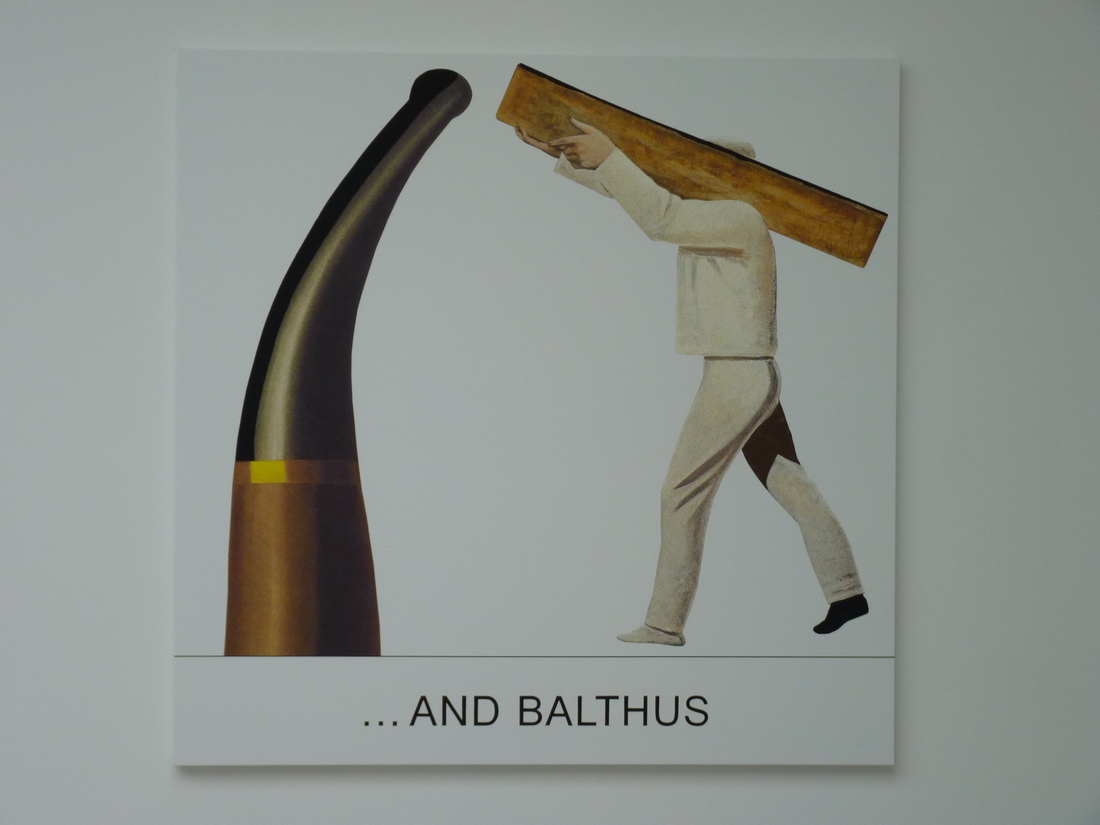
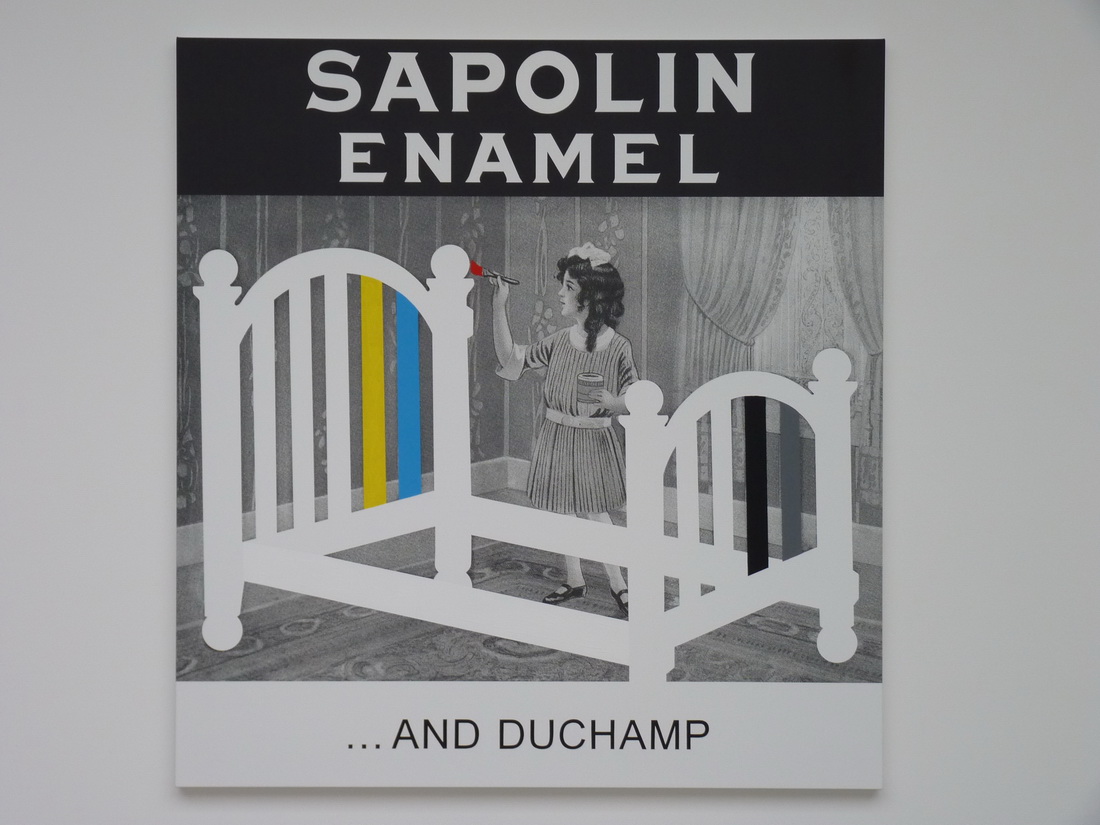
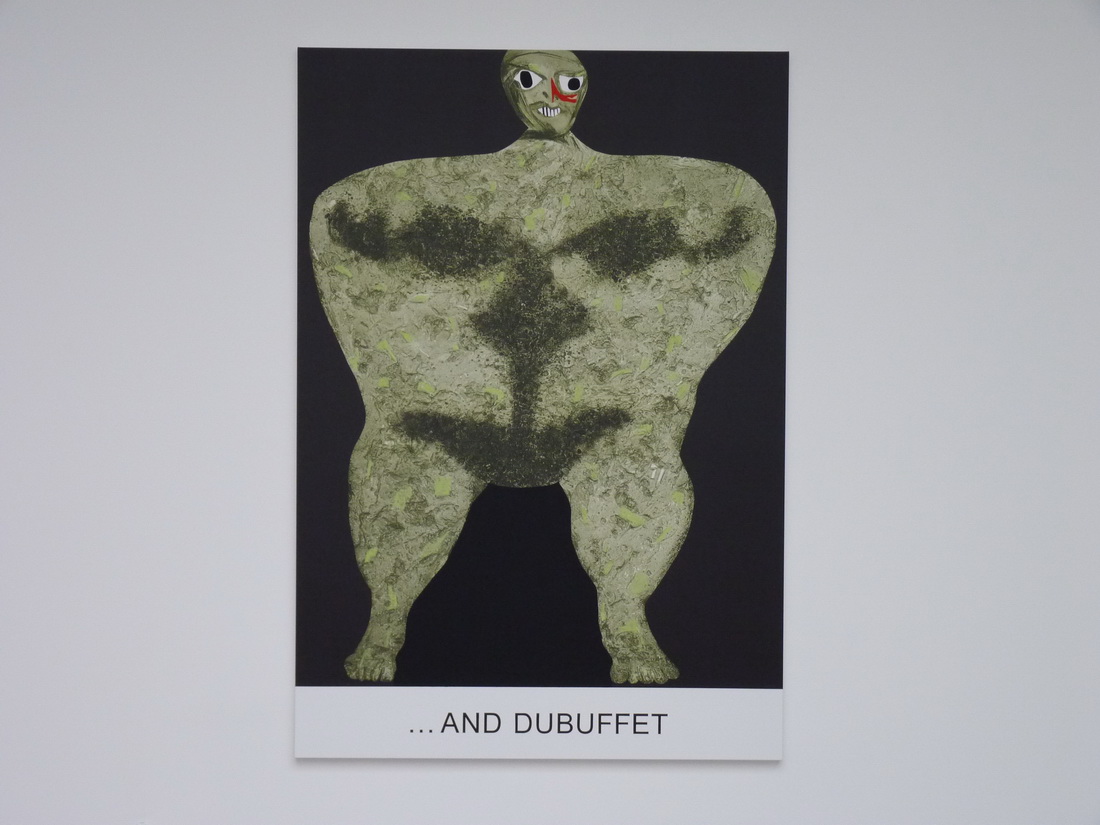
John Baldessari – “Double Ticket” Solo Exhibition: Marian Goodman Gallery, April 6 to May 12. Text and images by Chen Chi-Hsiang.
John Baldessari (born 1931) is one of the most representative American narrative artists of the 1970s, renowned for constructing composite photographic images and as a pioneer in photographic art construction. His innovative works embody the humor and satirical spirit characteristic of people from the American West Coast. He studied at the San Diego Art Institute in California from 1949 to 1957, initially engaging in painting until he decisively abandoned traditional painting in 1966. Adopting an anti-object stance, he turned toward conceptual art exploration, beginning to shoot films and engage in video art. In 1967, he radically eliminated all imagery, expressing himself directly through text writing; a notable work from this period is Everything Should Be Cleared Except Art Itself. Ideas Must Enter This Work. He further began constructing composite photographic images and texts within narrative concepts, such as Ryan Oldsmobile (1967) or Composing on a Canvas (1967–1968), which are distinctive examples. In 1969, when Doug Yule declared, “The world is full of objects more or less interesting, I do not wish to add any more,” Balthus organized a more radical event called “The Cremation Project” on May 24, 1970. In this action, he burned all his paintings created between 1953 and 1966 through this ritual. The following year, he constructed his conceptual works through written statements: I Will No Longer Make Boring Art.
In 1971, Balthus moved from San Diego to a new studio in Santa Monica, beginning a new phase of creation focused on various images from mass media: television, news, magazines, particularly those mesmerizing cinematic images from Hollywood. Living adjacent to California and Hollywood, he subconsciously became aware of these cultural shifts (of course stemming from Pop Art). Using these images to question artistic conventions and boundaries, he constructed art through the assembly, editing, and juxtaposition of photographic images, much like a film editor. Thus, Balthus emerged from the linguistic dialectics of conceptual art, demonstrating a new era aesthetics in visual form construction, potential narrative content, and emotional structure, exploring various formal possibilities, as seen in A Monie Diretional Piece Where People one Looking (1972–1973). Later, he reorganized compositions based on photographic plots, often geometric forms, combining them under reading functions, or emphasizing image structural analysis in works like Blasted Allegories Colorfui Sentence and Purple Patch (1978). In the 1980s, prioritizing sharp and emotional image constructions, he manifested diverse sensations; through the overlapping of these photographs, he constructed unexpected effects as literary plots, developing allegories and hinting at possible narratives, such as the Bloody Sundae series (1987). Then adding symbolic colors in works like Composition Pour Violons et Voix, forming a unique poetic painting image. In 1988, further new image contrasts appeared in works like A Fix d Inflexible Sorrow, revealing violence, crisis, truth, and poetry within an excellent and rigorous formal aesthetic perspective, quite literary, resembling visual cinema, filled with imaginative space.
In the 1990s, Baldessari mixed black-and-white and color photographs to construct combinations, integrating various plot images, such as Killer Wahle Man Water Glass (1991), emphasizing formal language and the possibility of multiple image narratives, brimming with poetic imagination. Baldessari dismantled all traditional reading conventions, providing a broad space for annotation, all dependent on his culture and imagination. The artist said, “For most of us, we believe photographs express truth, yet a great artist can enhance reality through the manipulation of form and image, plus the restoration of painting. It is quite mesmerizing, just as I manipulate truth, it is so easy to juxtapose contrasting photos or strip them of their background. Letting two forces confront each other in the same photographic image, I can endow them with living vitality, such as a knight and his horse, a mummy standing in a coffin while a terrified woman watches him, editing an image can make it more ambiguous, the result is a battle.” From the late 1990s onward, in the two major series Overlap and Cross, these images continued to come from movies and real-life images (apartment buildings, port cargo ships, landscapes, etc.), completing combinations of: film (video), real life, and painting. In the Overlap series, they were constructed into amorphous pictorial forms. In the Cross series, they were constructed into unique “T” and “+” shapes. Baldessari developed divisions between nature and culture, parallel coastlines and vertical skyscrapers, implying narrative plots and presenting a living real world within poetry and imagination, form and space; the artist calls this the “area of imagined conflict.”
Although John Baldessari is old in age but young at heart, full of vitality continuing to explore new possibilities of images, in this Paris “Double Ticket” solo exhibition, he impressively presents a series of new works, bringing back to life iconic images from famous artists in classical and modern art history: such as David, Manet, de Chirico, Duchamp, Dubuffet, Picabia, Balducci, etc. Deconstructing these iconic images, he cleverly collages and constructs two heterogeneous images together, creating a mixture that is both familiar and alien. Under this excellent and wonderful body, a new vitality and meaning are evoked. Accompanying the images are themes such as: with Manet, or with Duchamp, etc., between image and text, concept and narrative, imagination and wandering, referencing the past and innovating, metaphor and decoding, providing viewers with free imaginative space. The artist said, “I hope to simply retain the elements of a work... it will inevitably raise many questions and open up diverse readings.” The artist said, “Additionally, I think, an old image, its content is emotionless – becoming negative there. It is lifeless. Because those negatives are dead. I like playing Dr. Frankenstein, reviving them from the dead, which is a kind of metaphor. Because those negatives have a certain reality – only they have reasonably lost their meaning. Thus, I cleverly create another feeling for them. (...).” He continued, “To put it more explicitly, what interests me is the effect produced when two images approach each other. Like sparks when two words collide, producing a new, unprecedented sensation. I reach it, yet far deviate from it.” (Note)
Note: Conversation between John Baldessari and Ann Goldstein, in Kob, Edelbert and Pakesch, Peter; John Baldessari: Lifes Balance, Work 84-04, (Cologne: Buchhandlung Walther König 2004), P91 and P81, from exhibition press release.