John M Armleder "Allo of the above" Experimental Exhibition-Performance
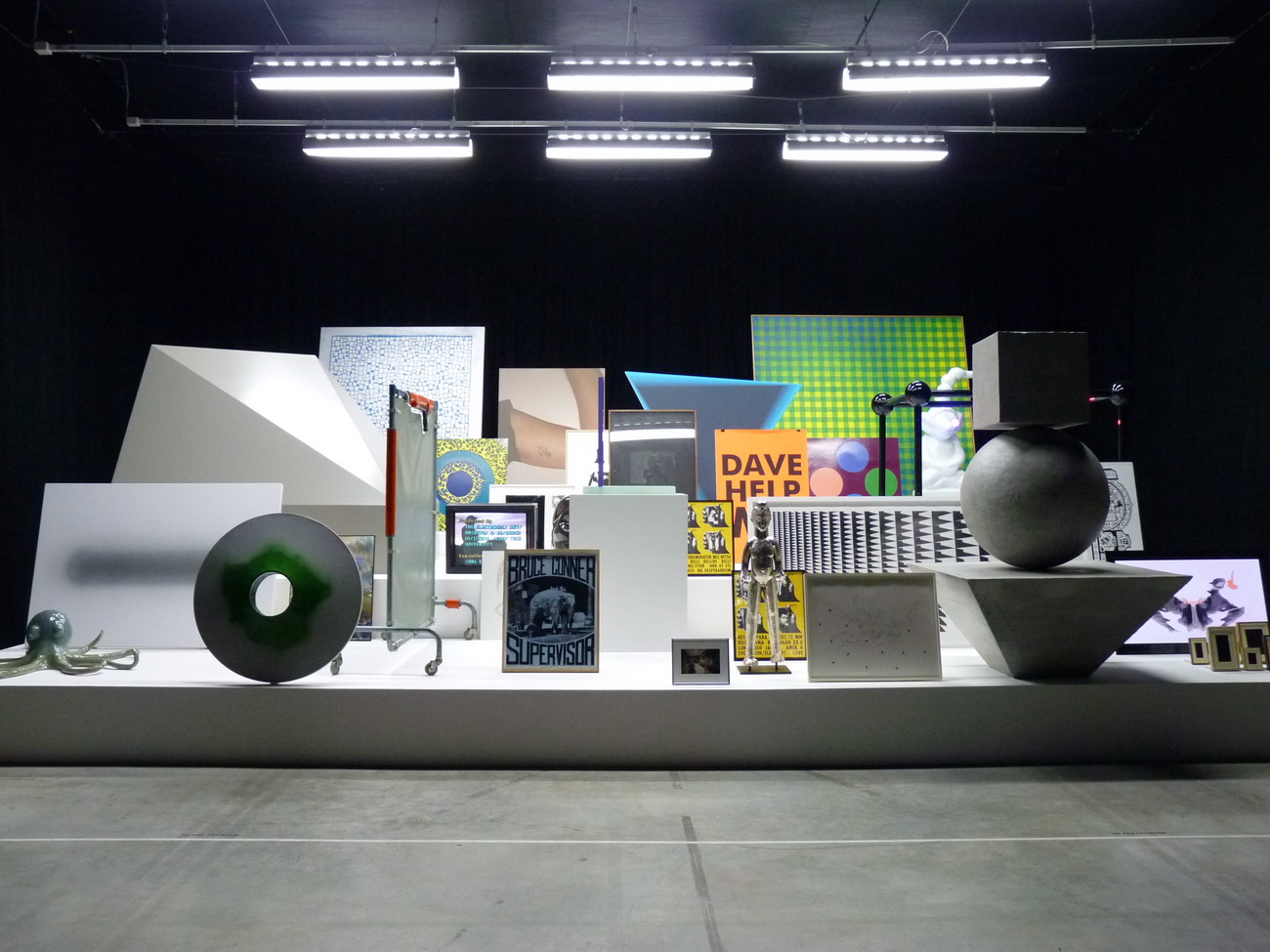
John M Armleder Allo of the above experimental exhibition-performance site panoramic view 2011
Exhibited at the Palais de Tokyo from October 18 to December 30. Photos and text by Chen Chi-Hsiang.
The Palais de Tokyo continues its spatial renewal. Under the final exhibition concept and operational logic of Swiss director Marc-Olivier Wahler, it has for years sought to elucidate the multifaceted aspects of contemporary art and its possibilities. Through artist-curated exhibitions and perspectives, it reflects on the art institution, the subjective construction of increasingly distant contemporary art discourse, or critiques artistic viewpoints obscured by excessive institutionalization and marketization. Another perspective seems to attempt to compensate for the incompleteness under the dominant institutional consciousness, constructing an exploration of possibilities regarding aesthetic breadth and multiple social viewpoints, concluding his five-year tenure (2006-2011) directing the contemporary philosophical insights and timely artistic perspectives at the Palais de Tokyo.
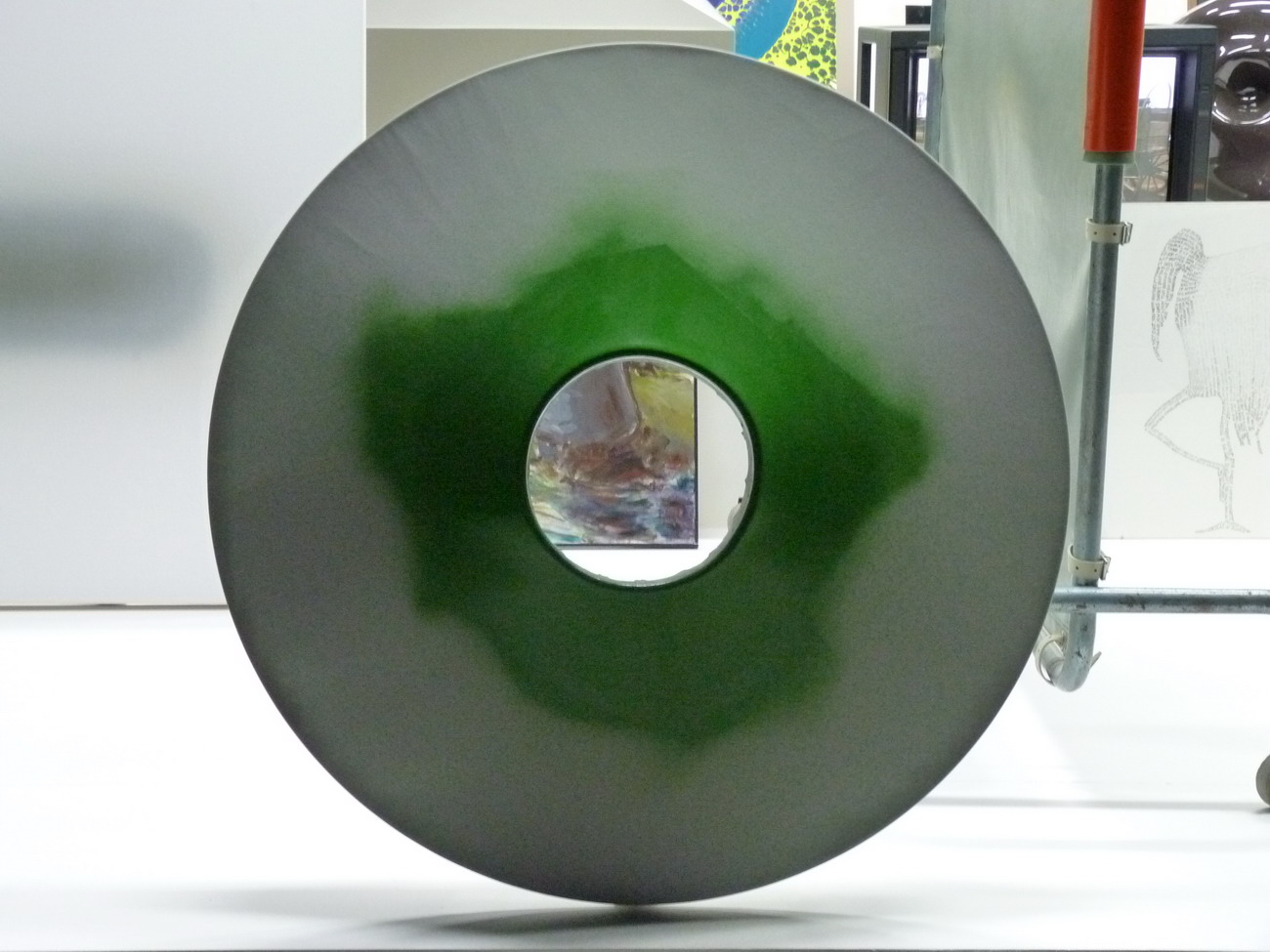
This time, the renowned Swiss artist John M Armleder (born 1948) was specially invited to curate. John M Armleder is one of the most representative and active artists of Neo-Geometric Abstraction or Neo-Abstract Geometry in Europe, re-establishing an aesthetic awakening within postmodernism. Synthesizing geometric art, Op art, and cleverly incorporating Duchamp's readymades, he is a hybrid of modern art, ingeniously creating a new geometric abstraction. Systematically constructed within clear, concise geometric forms (circles, squares, rectangles) with vibrant colors, rigorous structure, and poetic, picturesque qualities characteristic of Op art. He quickly treated geometric abstract painting as a tool, combined with readymades, arranged according to spatial planning, full of imagination, hovering on the edge of contemporary object art. Armleder seems to use these visual tools to analyze a historical flavor, constructing an extraordinary aesthetic of modern social nature through the appropriation and formal composition of everyday furniture or musical instruments.
The title of the experimental exhibition "Allo of the above" derives from an English idiom, stemming from the 2004 thematic exhibition "Non of the above" curated in New York by the Swiss. Under the exploration of non-materiality, the works were reduced to near invisibility, intending to explore a metaphysical possibility. Thus, the "Allo of the above" experimental exhibition intends to construct these barely visible elements into a photogenic concept, a possible conceptual performance.
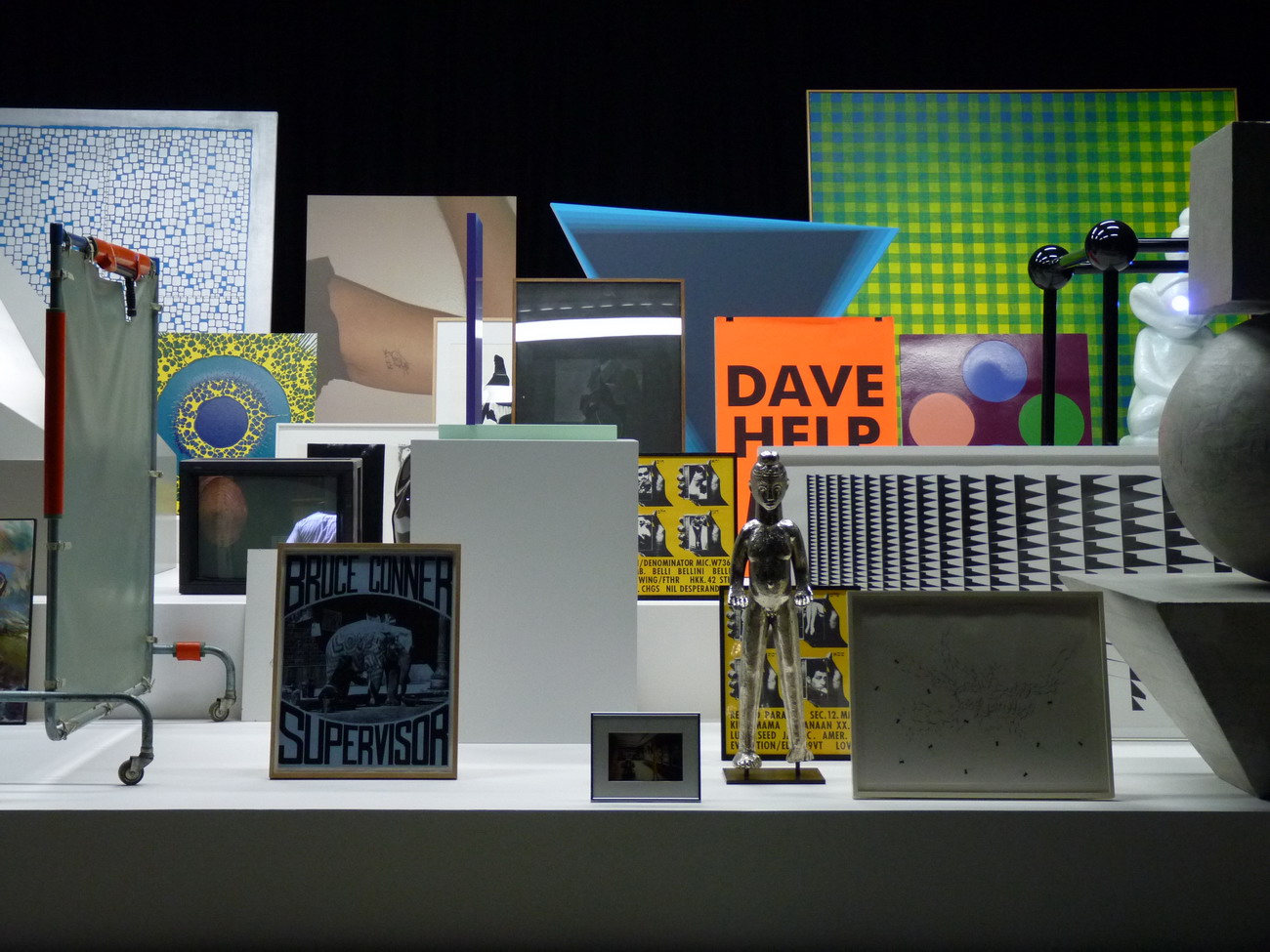
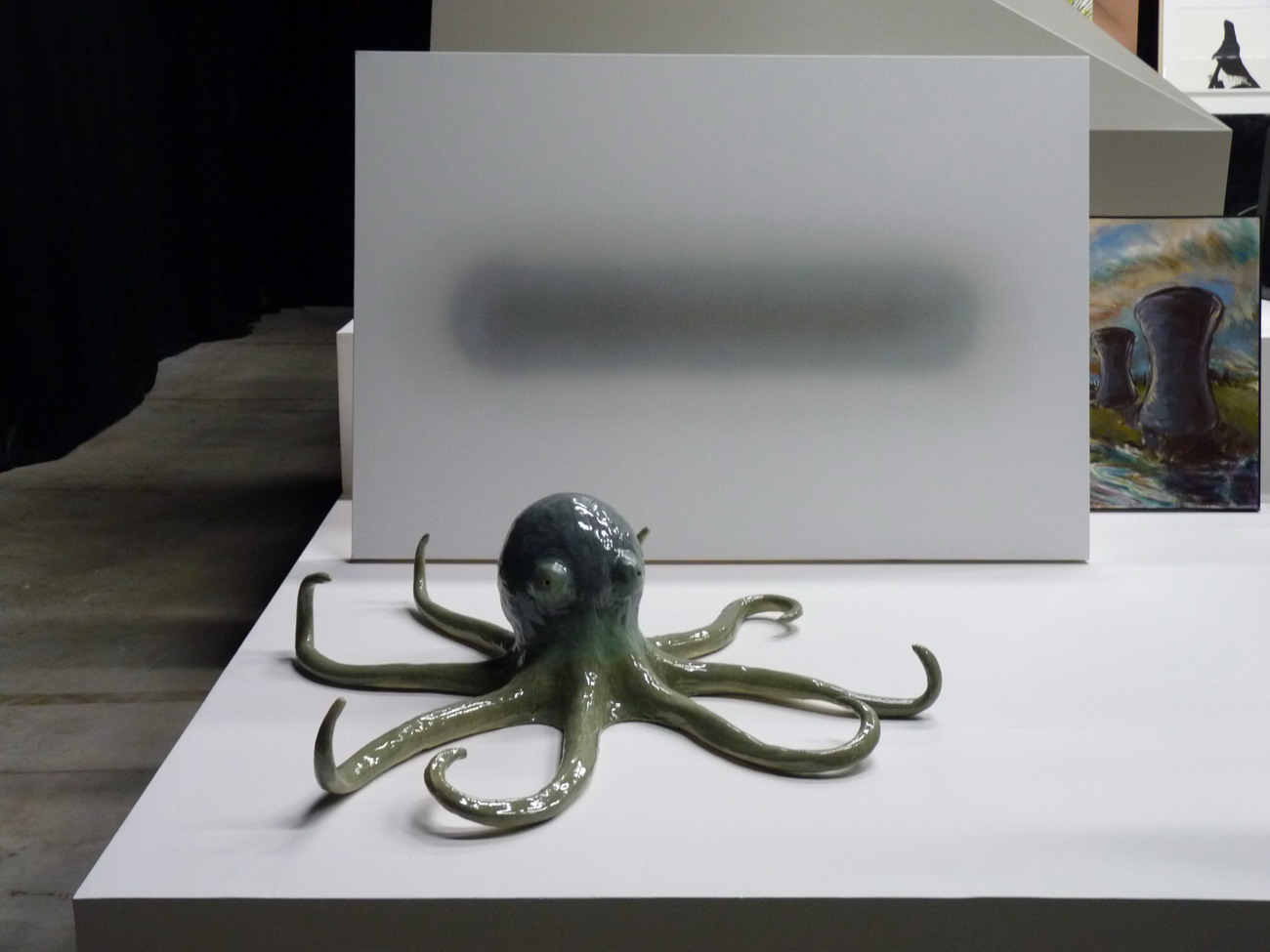
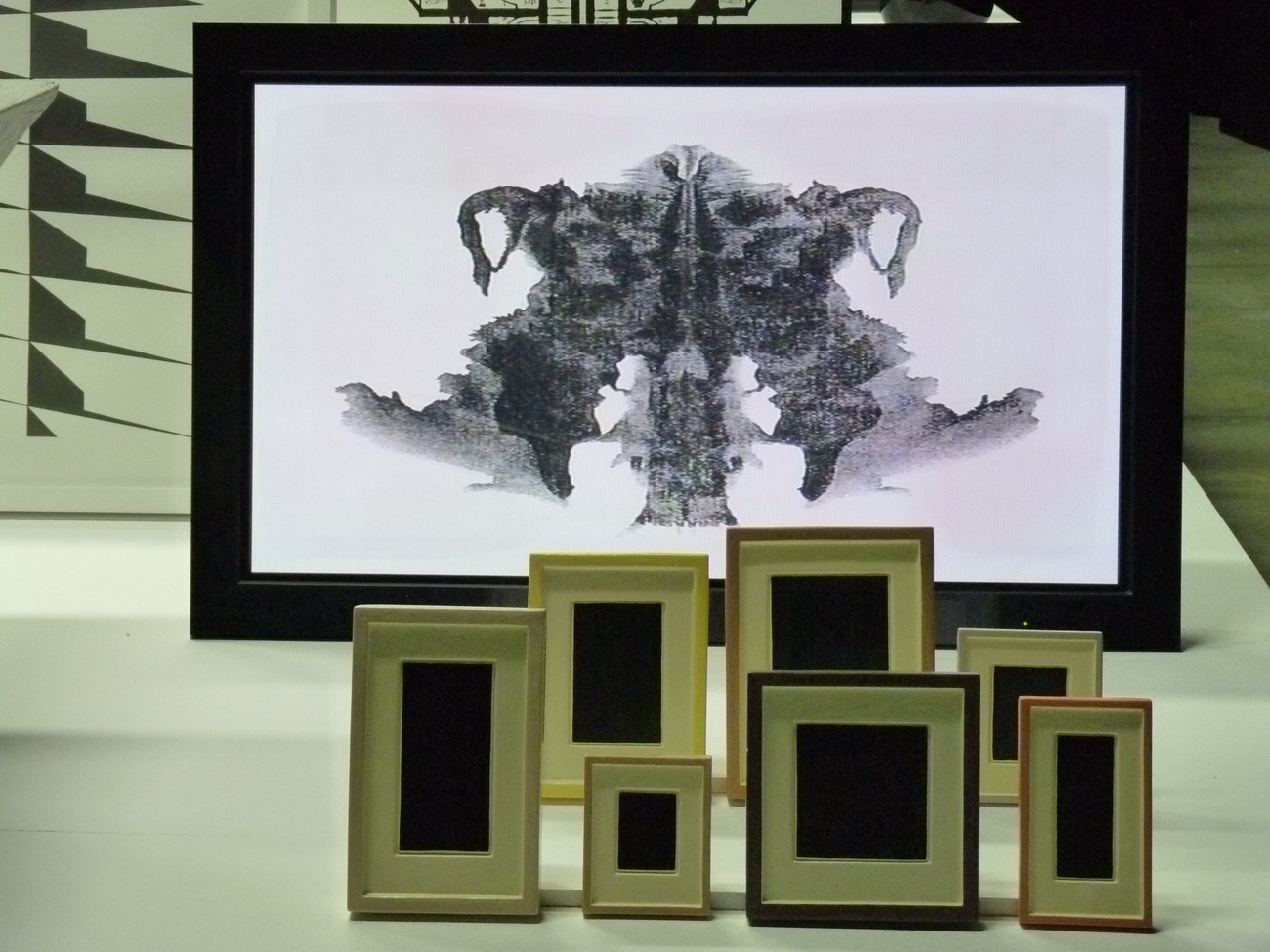
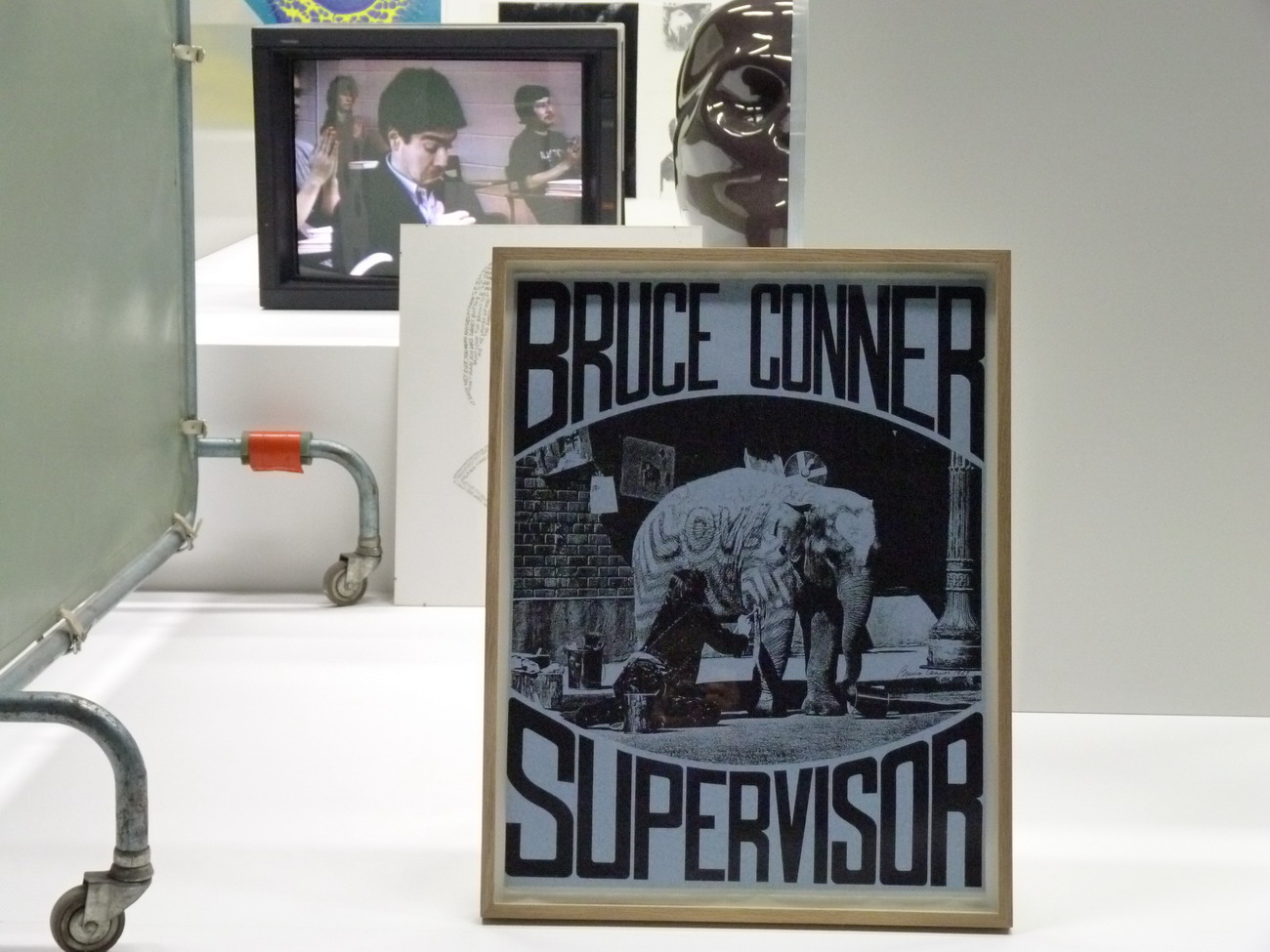
Here, the curator invited over thirty active Swiss, European, and American artists (such as renowned Swiss artists Fabrice Gygi, Sylvie Fleury, Valentin Carron; French artists Bertrand Lavier, Xavier Veilhan; American artists Robert Lango, Allan McCollum, etc.) to participate. Each artist provided one work, including: two-dimensional paintings, drawings, images, sculptures, objects, videos, and items. These collected two-dimensional paintings and three-dimensional objects and sculptures were performed on a large white platform or stage with three tiers, arranged in an ordered or disordered display. Regardless of the nature of the works, they were mixed and arranged together, creating alternative encounters and manifesting an extraordinary tension of disorder, unimaginably so. Under the spotlight, the exhibition space was transformed into a boutique, a theater, or a scientific laboratory.
Clearly, only the front row was photogenic enough to clearly view the works and identify the authors; the rest were obscured or invisible under overlapping high and low visual fields. It raised fundamental questions of photogenic vision and seeing. Between the visible and the barely visible, seeing and imagining, understanding and perceiving, object and concept, exhibition and performance, curator and performer. Clearly, what is presented here is the complete concept of the curator-artist, offering an alternative perspective and possibility for contemporary exhibitions.
This novel exhibition-performance was also expressed through a series of chairs arranged in front of the artwork platform. People could sit on the chairs to watch the performance of the arranged works ahead. On both sides, a display chart listing all participating artists' names and their works' titles, dimensions, and years was erected, showing the audience the contents of the performance, so the audience would not be toyed with. The overall spatial installation scene also signifies the nature of the performance.