"Kinetic Art" and "Optical Art" Divided into Three Types
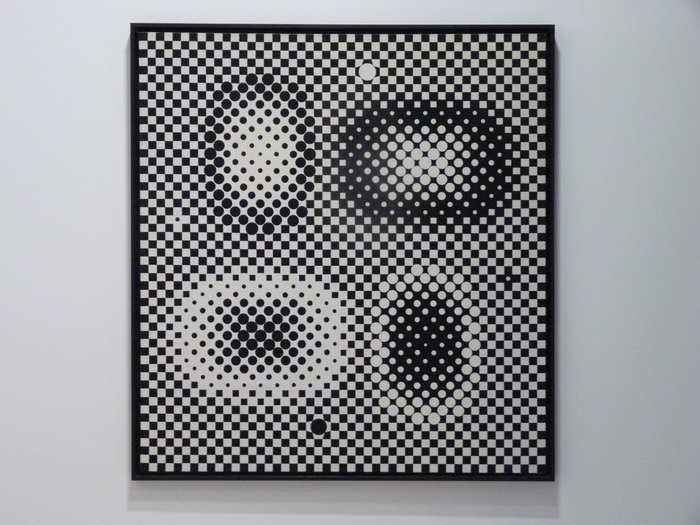
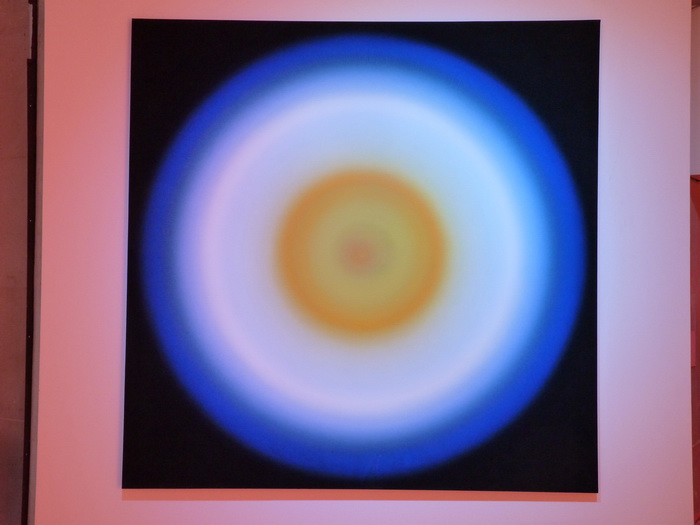
Victor Vasarely metagalaxie 1959-61 painting on canvas
Text and images / Chen Chi-Hsiang
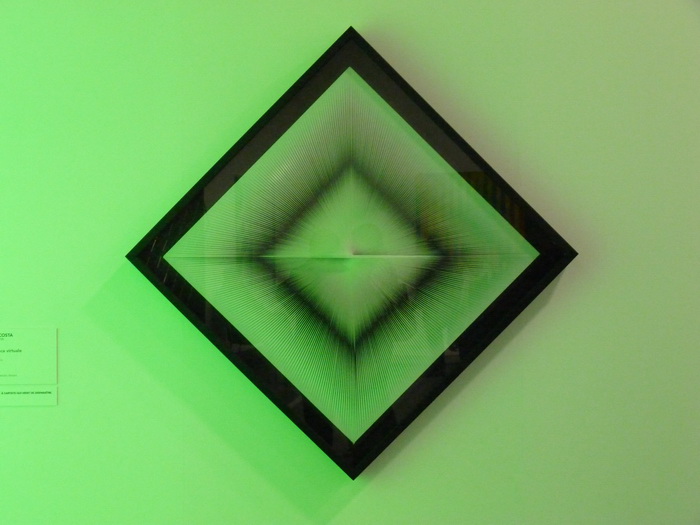
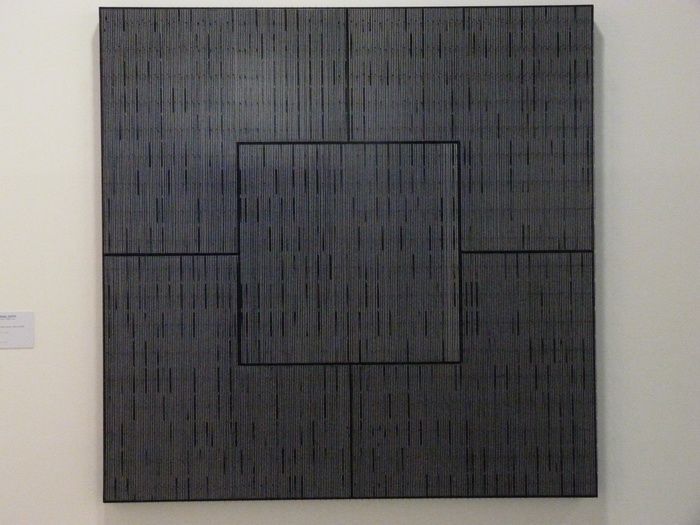
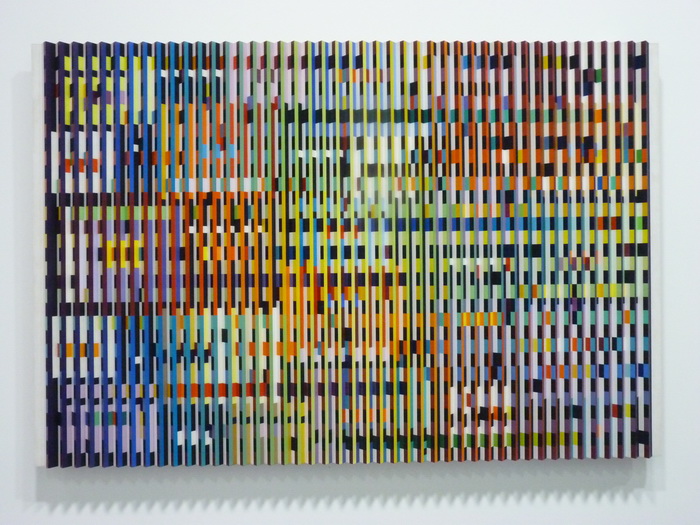
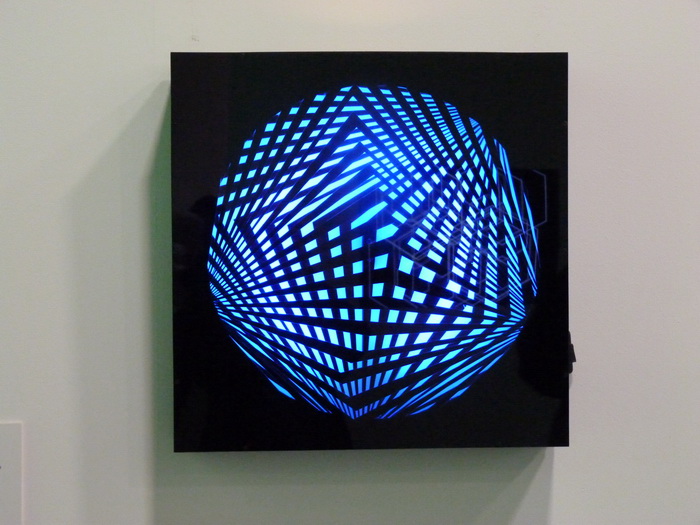
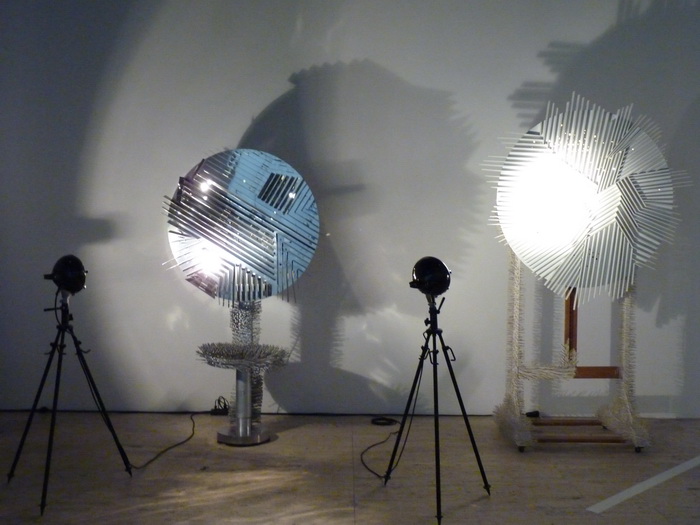
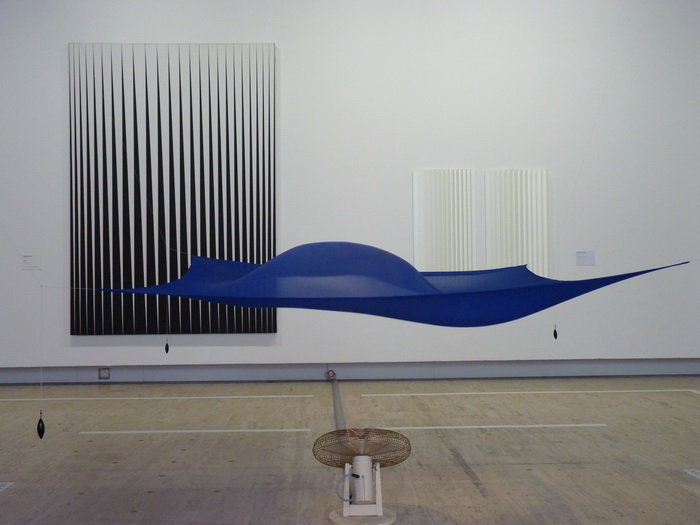
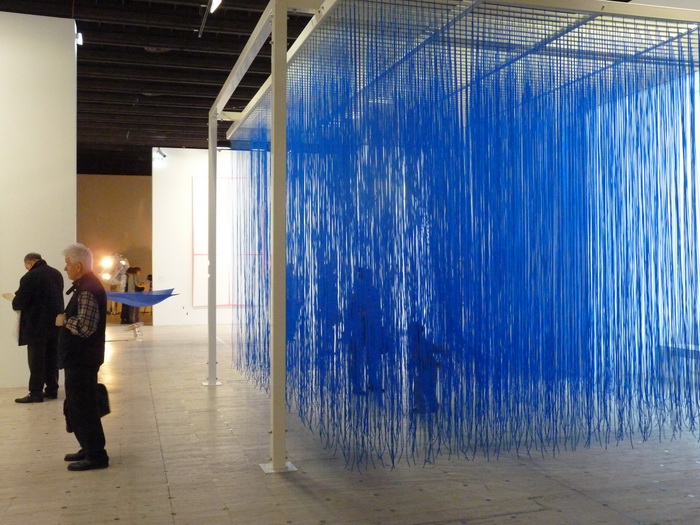
One, these artworks are actually static, but when people look at them, they appear to move and change. (In the general concept of this work, it is a painting or three-dimensional piece that possesses vitality due to visual effects; essentially, it exists as an illusion in the viewer's eyes or mind, not merely on the wall—it only becomes self-complete when observed. This is also the condition for Duchamp’s readymades to become art, or the concept that if you view a painting, you too are an artist.) These works can be two-dimensional, such as paintings by Vasarely or Riley. They may also be three-dimensional spaces, such as those by Soto. For example, various flat paintings considered by Vasarely, works composed of several separated planes, screen-like works, and three-dimensional objects. The kinetic effect of static works relies on their interaction with light and familiar visual phenomena, such as when the human eye encounters strong bright contrasts between black and white, or juxtapositions of different hues, producing afterimage tendencies.
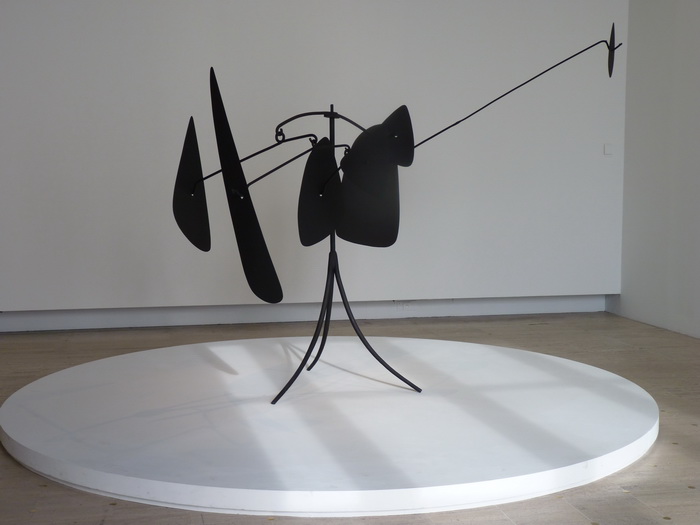
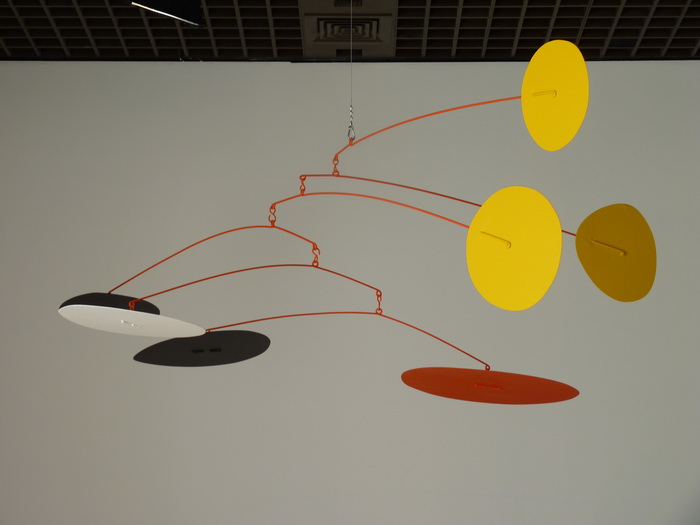
Two, the movement of these works is arbitrary (subject to wind), without mechanical effects, such as works by Calder or Schoffer.
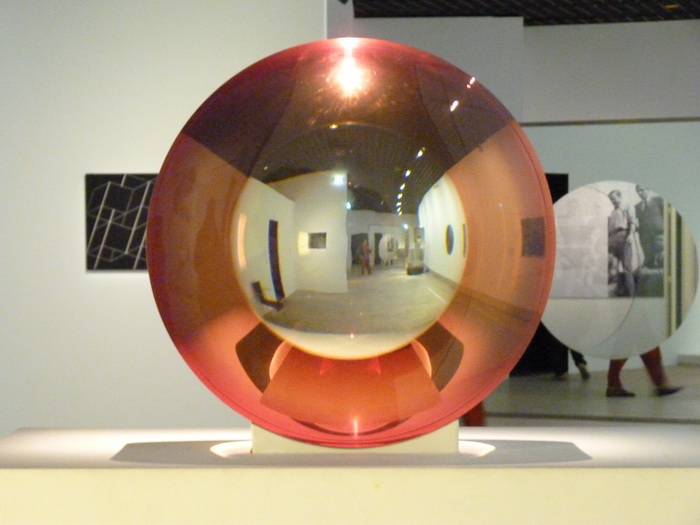
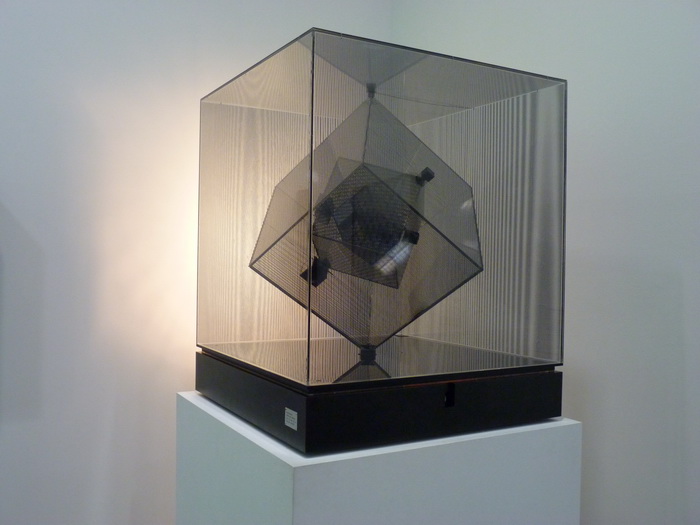
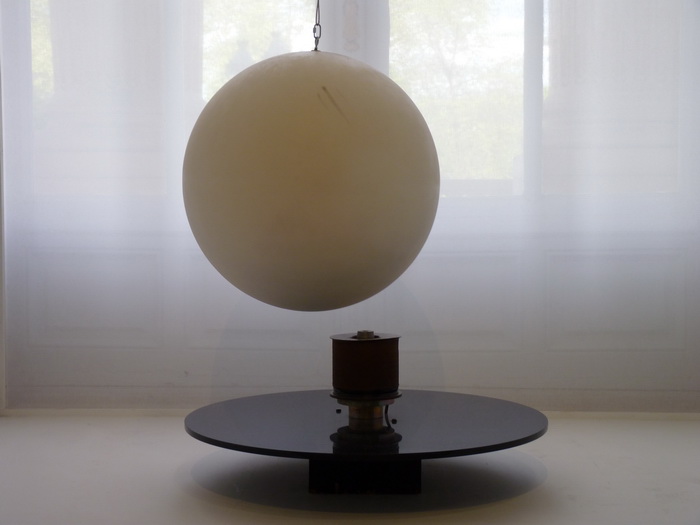
Three, these works possess simple mechanical effects powered by motors, electromagnetism, hydraulics, or light: for instance, Tinguely or Burry using motors, Takis using electromagnetism, or Macz using hydraulic principles.
All images are from the grand Op Art exhibition at the Grand Palais in Paris, spanning 1913–2013, titled "Dynamo."