Kinetic Art
Alexander Calder Untitled 1931 wood iron wire paint
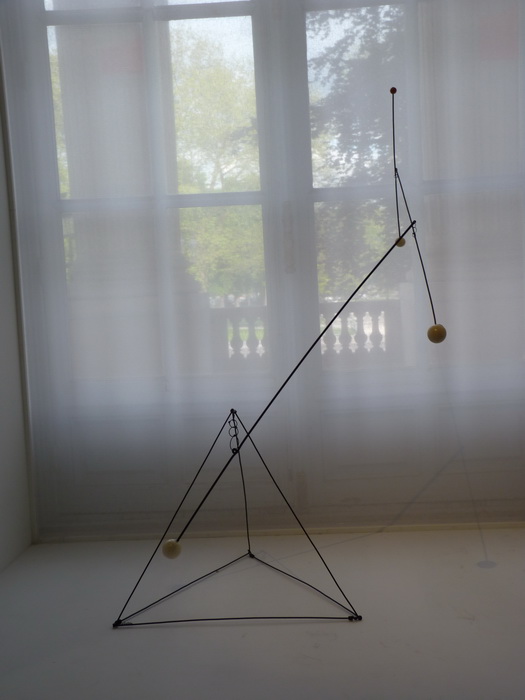
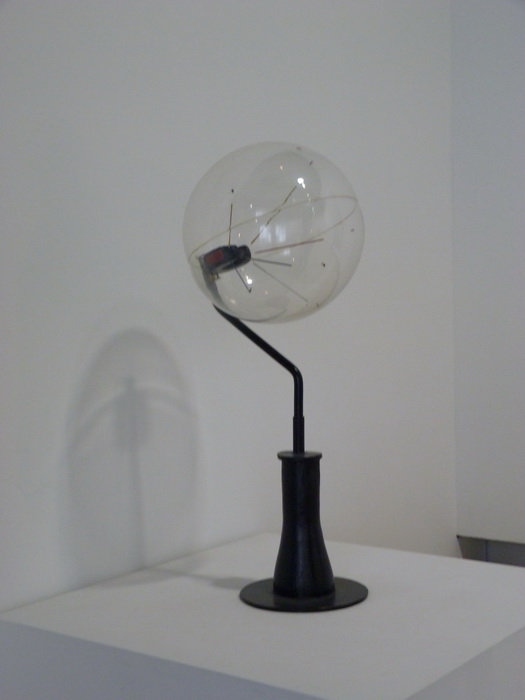
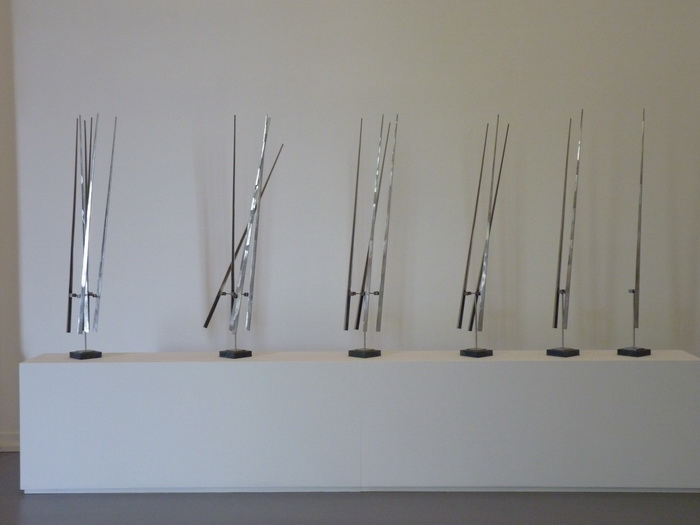
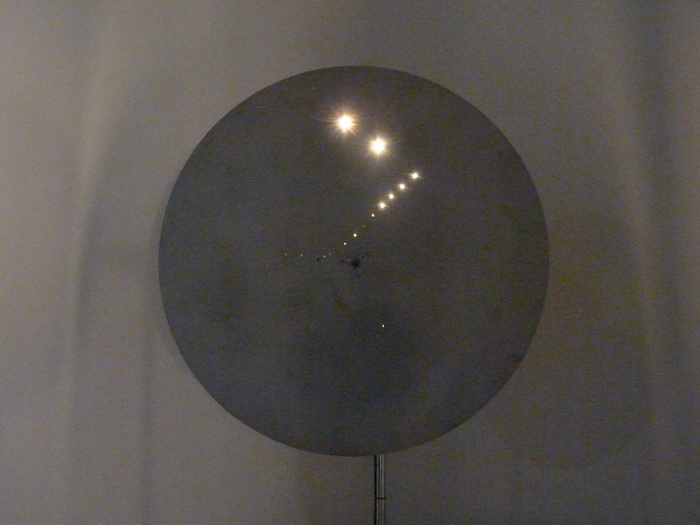
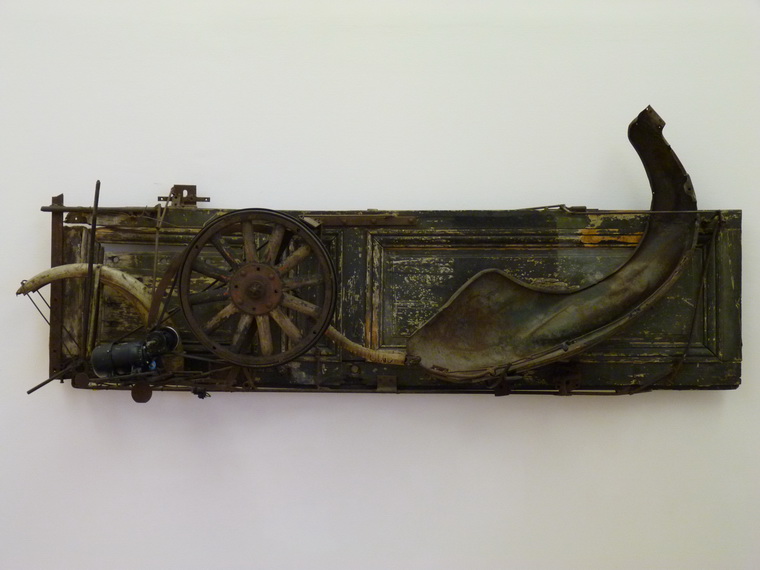
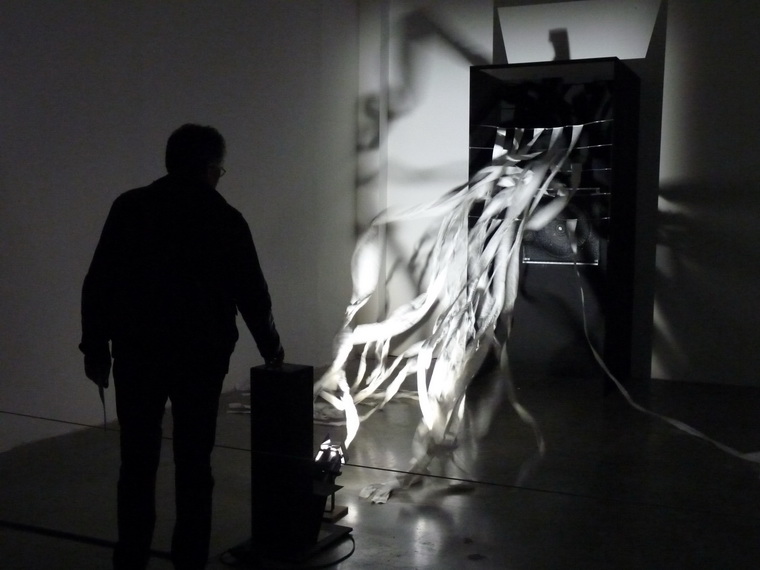
Text and images by Chen Chi-Hsiang. The principles of kinetic sculpture established by Futurism endowed art, particularly sculpture, with a kinetic concept, the notion of environment and atmosphere, and ideas of mutual penetration and "physical transcendentalism." Works such as Duchamp's Nude Descending a Staircase or Bicycle Wheel, Brancusi's Bird in Space, and Pevsner's Projection into Space directly influenced kinetic sculpture. Its main representative artists include Alexander Calder (1898–1976), Pol Bury (1922–2005), Nicolas Schöffer (1912–1992), George Rickey (1907–2002), Jean Tinguely (1925–1991), Vassilas Takis (1925), Heinz Mack (1931), and others.
Kinetic art seems to have two opposing yet complementary trends. One belongs to the tradition of so-called "environmental art"; most kinetic art is meant for display, its ambition lying in environmental arrangement, aiming to cast a new experience within the realm of public experience. The other trend involves traditional scientific and semi-scientific research.
Sixties kinetic art expressed nostalgia for science and technology rather than representing the technology itself (since most kinetic artists possessed only limited scientific backgrounds, and the mechanical principles in their works were not very complex). It paved the way for industrial-tech era arts such as Video Art, Computer Art, and Copie Art, leading to the comprehensive arts of the post-1990s, such as contemporary digital art.
Except for the image by Jean Tinguely, all images are from the grand Op Art exhibition "Dynamo" (1913–2013) held at the Grand Palais in Paris.