The Objects of Surrealism
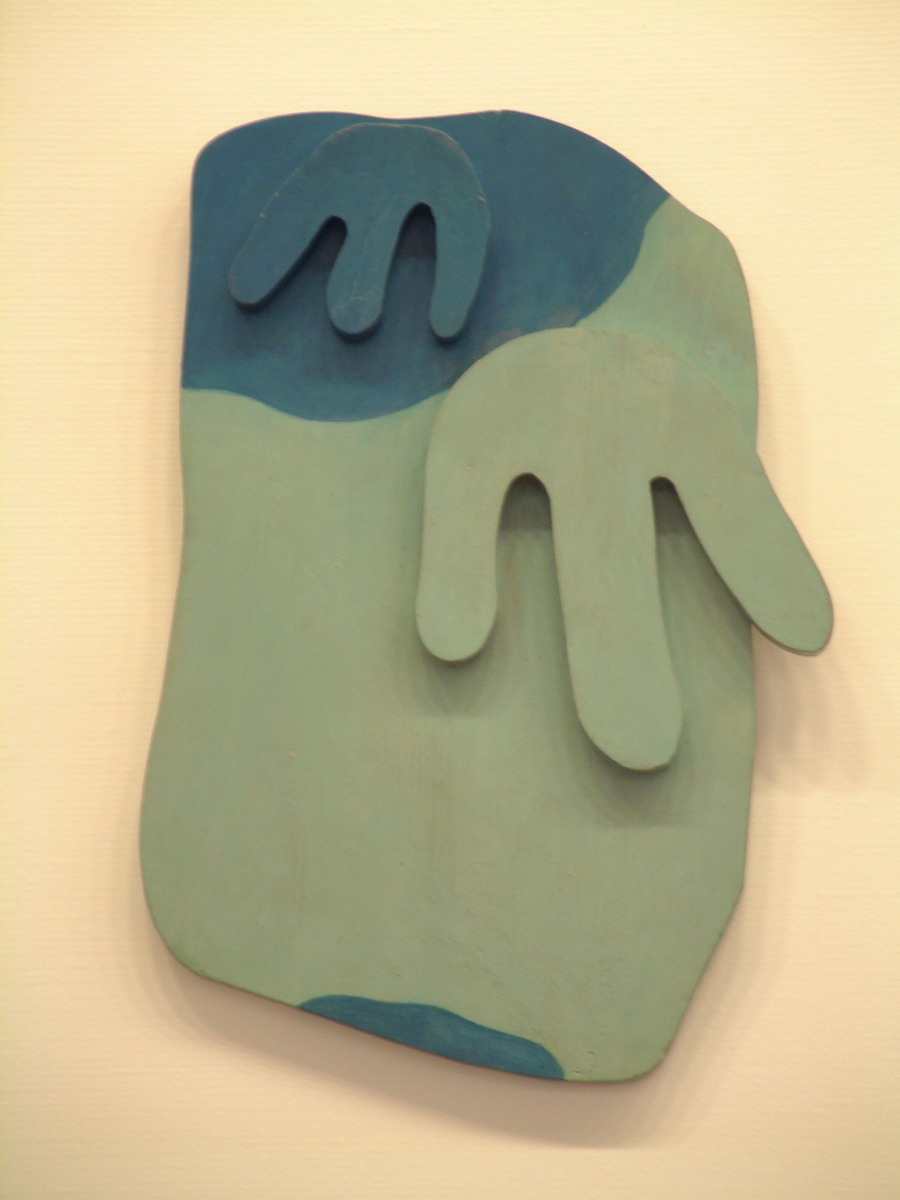
Arp mixed painting and sculpture into the relief painting "Landscape of a Head" (1924-1926), held by the Centre Pompidou, Paris.
Surrealist objects are extraordinary things, inheriting Dadaist objects and assemblage, transcending traditional sculptural art and exceeding human imagination. They express the inexpressible within the meditative world of the subconscious and deep inner consciousness, full of imaginative space, expanding the scope of poetic expression, showcasing remarkable intuitive visions and perceptual powers, and opening up painting, objects, sculpture, and spatial installations.
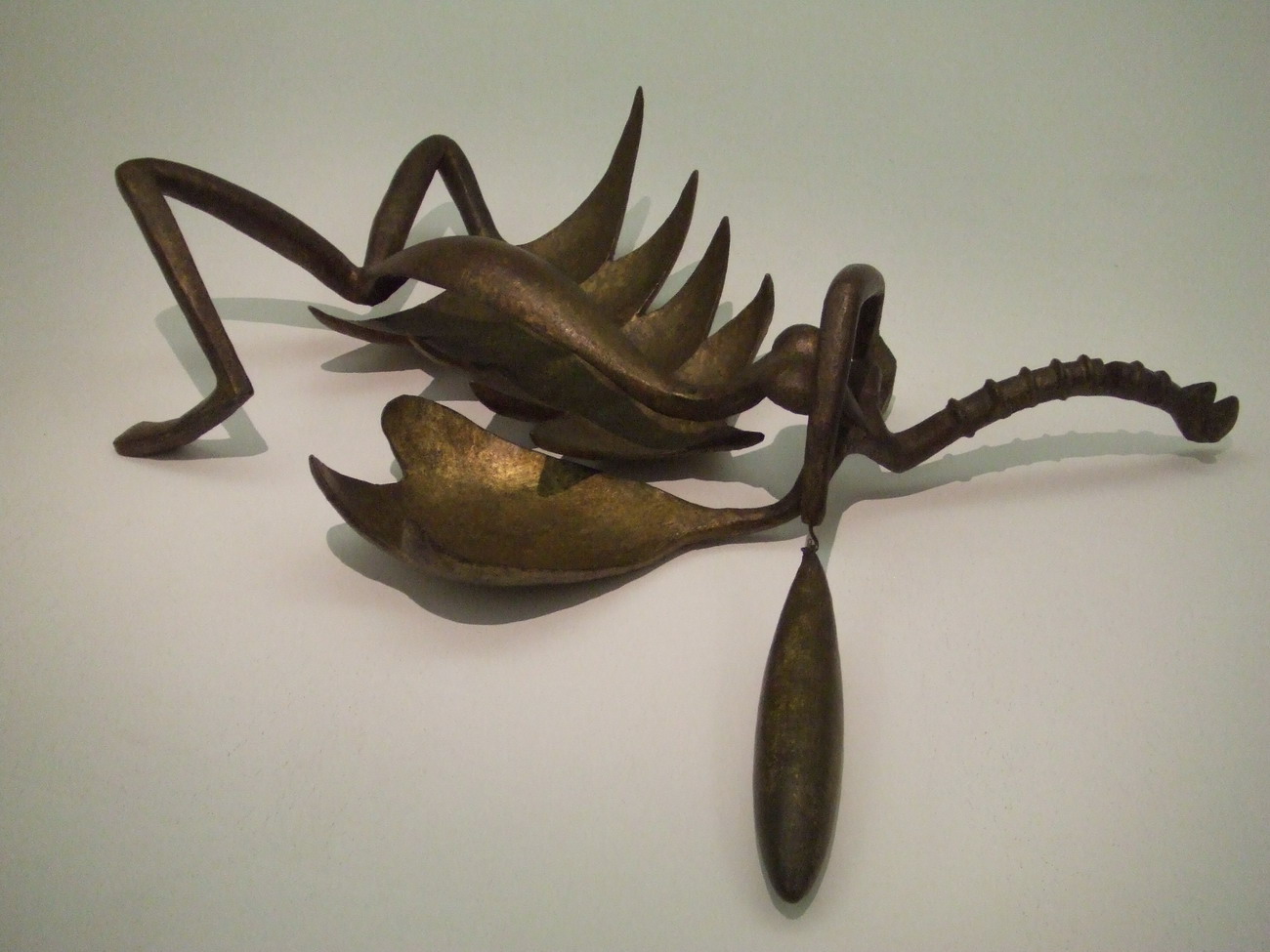
Ernst’s relief and object work “Loplop Introduces” (1931) extends collage techniques. Miro incorporated small stones, feathers, or wood elements into his three-dimensional paintings; Arp similarly mixed painting and sculpture to create relief paintings like “Landscape of a Head” (1924–1926). Sculptor Alberto Giacometti created the imaginative, mantis-like “Woman with Her Throat Cut” (1932–1940). Meret Oppenheim combined two realities, evoking the depths of the inner self and imaginative space, weaving new poetic visions beyond boundaries.
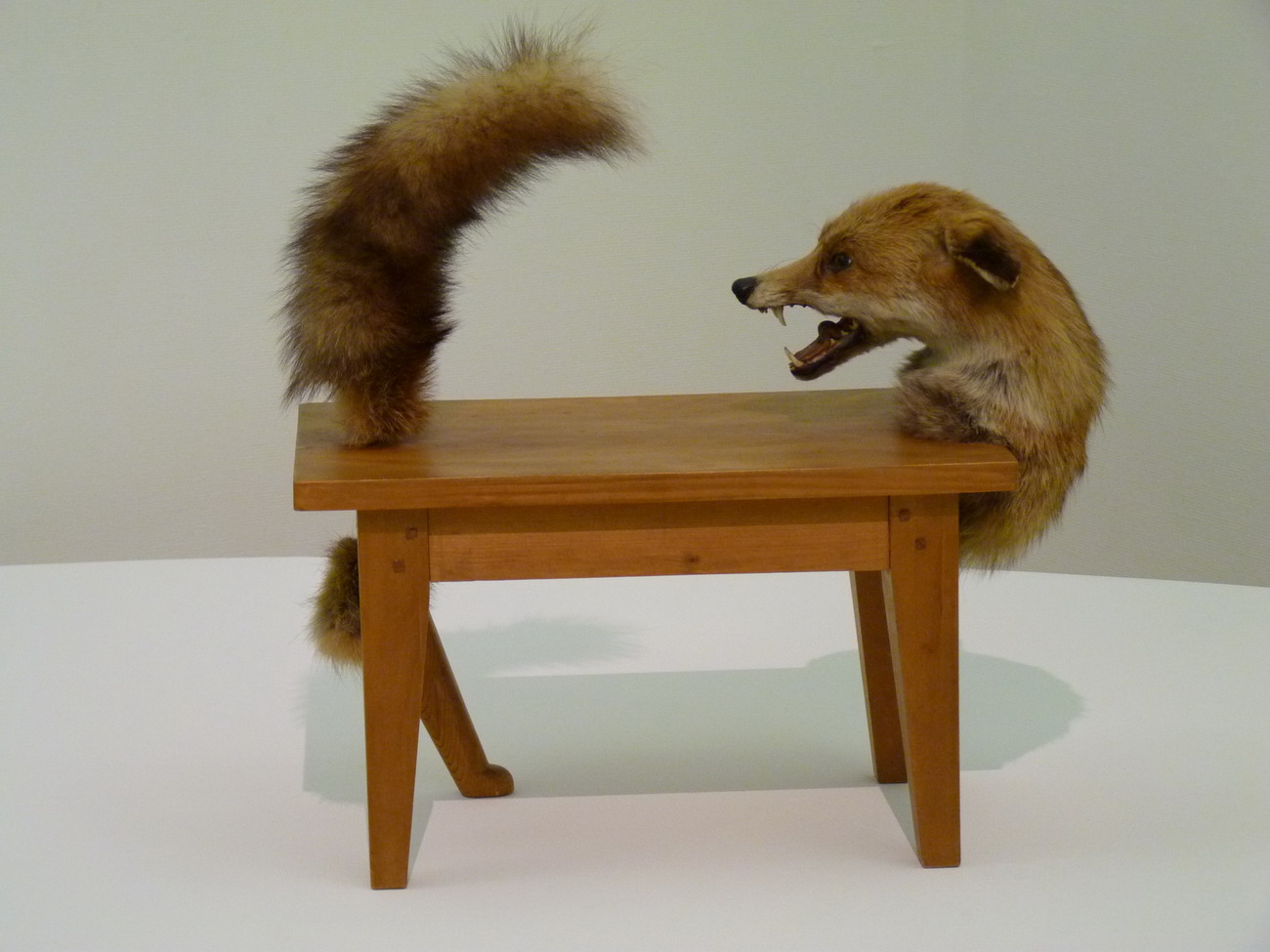
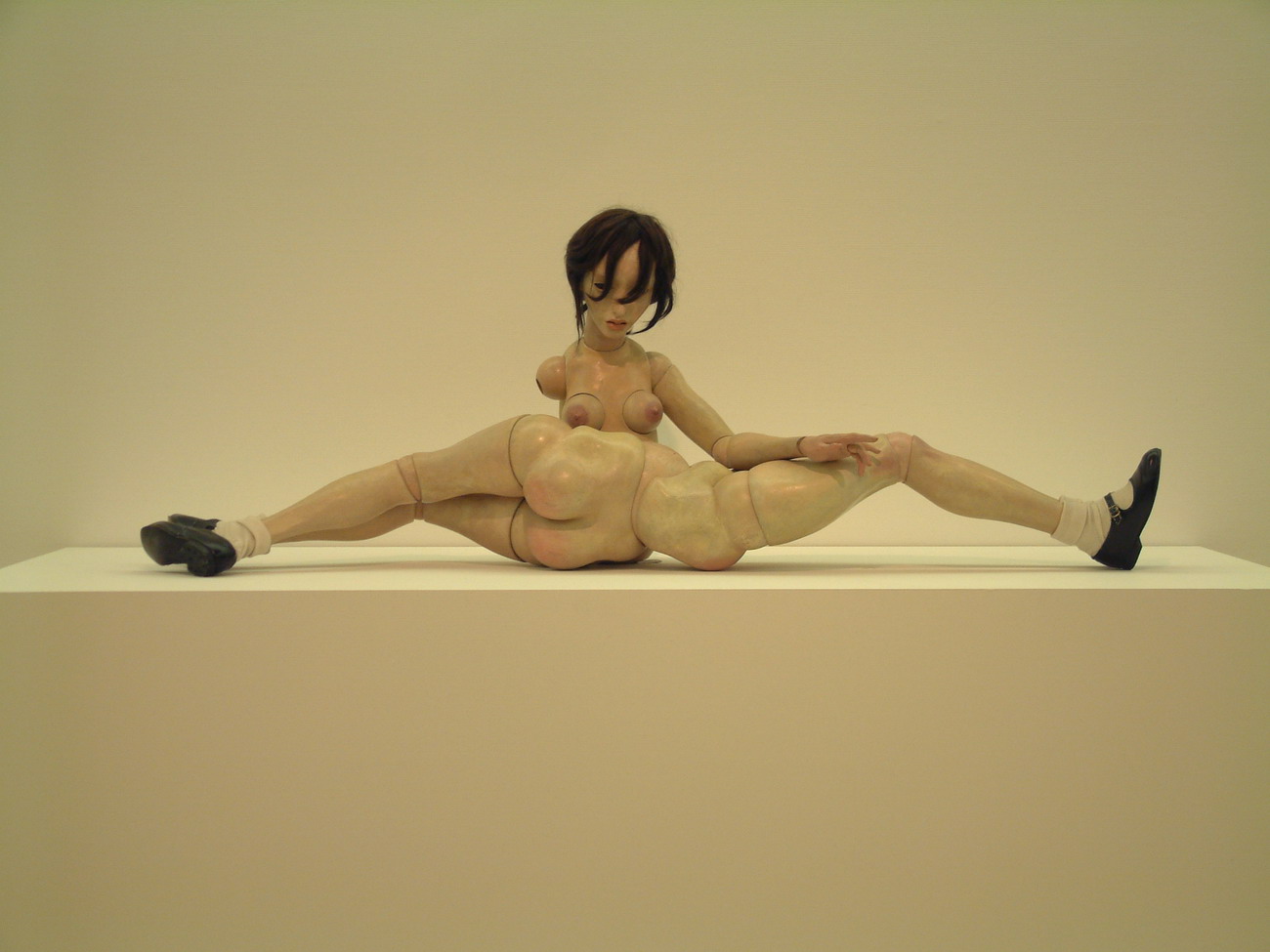
Dalí integrated reality and imagination, presenting dreamlike visions where the mundane and the extraordinary coexist in the world of life and objects, stimulating infinite reverie, expanding the scope of poetic expression and new perceptions. Another notable work is V Braune’s “Wolf-Chair” (1939–1947), a magical composite object that enthralls through playful contrast, revealing extraordinary imagination and unease. Hans Bellmer’s “Doll” (1937), under magical combination, appears distorted and twisty, seemingly disassemblable and reassemblable at any time. Various possible transformations alter the fate of objects between reality and imagination, filled with existential questioning and unknown unease: does existence lie on the other side or elsewhere?