Larry Bell "Box" Solo Exhibition
Larry Bell's work, like a magic box, 2008
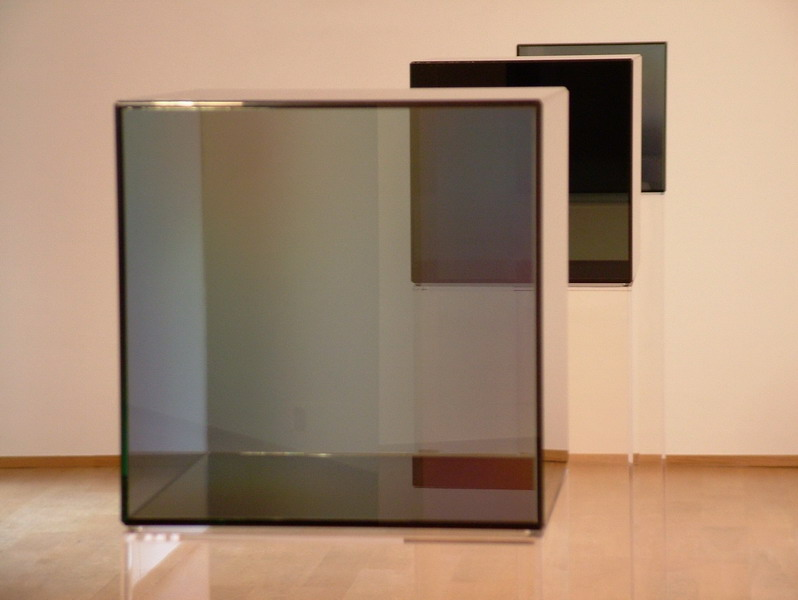
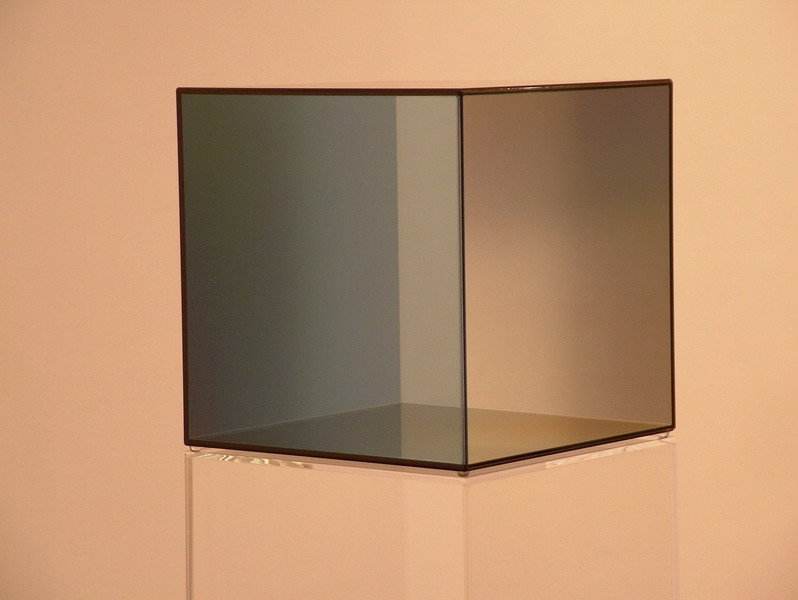
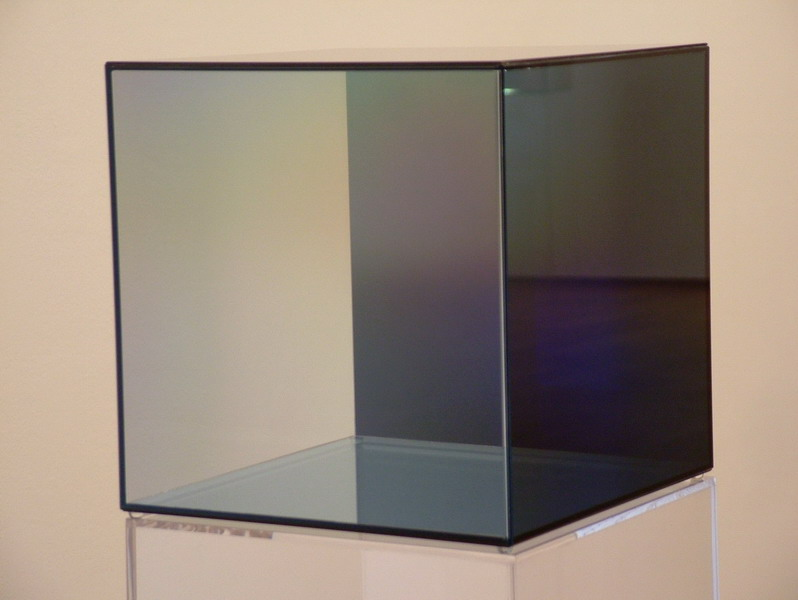
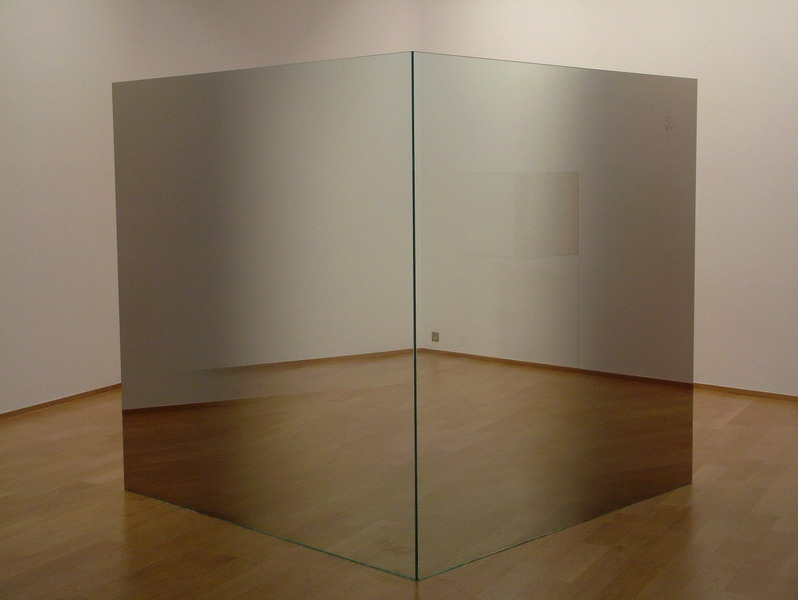
Larry Bell solo exhibition: On display at Daniel Templon from May 31 to July 19. Larry Bell (born 1939) is one of the most innovative Minimalist artists of the 1970s in the United States, known for his transparent glass boxes that explore perception of matter, spaces of void and reality, and deceptive light. Art critic Annette Michelson wrote: "Bell's particular value lies in his reflection on art; he stimulates everyone's consciousness and our inherent perceptions. Exquisitely refined boxes harbor an extraordinary sensibility, triggering illusory enzymes. They enhance the aesthetic beauty of objects and radiate an unusual poetry, revealing a unique visual imaginative space, endowing material characteristics, and accurately shaping the core relationship between subject and object."
Bell studied at the Chouinard Art Institute in California from 1957 to 1959, under the guidance and influence of master Robert Irwin. Initially painting geometric abstract forms influenced by Constructivism, he shifted to sculpture starting in 1962, developing new materials such as fiber, glass, aluminum alloys, acrylic, and minerals. He soon created his first three-dimensional glass box, Ghost Box, exploring the possibilities of three-dimensional volume. Geometric glass boxes, through the interplay and reflection of light, merge into an image within the structure; the object becomes a field of light. Bell believed: "Art does not follow concepts, but feelings," as seen in works like Bette and the Giant Jewfish (1963).
In his 1966 untitled work, he coated the interior of the glass box with a light color (formed by chemical changes of rhodium evaporation or cooling upon heating). The thickness of the color creates a poetic space of internal painting through illumination, cleverly combining with environmental reflections to form an interchangeable effect of relief and depth illusion between reality and imagination. Art critic Melinda Wortz pointed out that color prevents us from "distinguishing factual illusions... transforming objects into immateriality." In Cube (1967), red light passing through the glass box creates charming painted prisms full of imaginative space; both transparent and opaque effects are determined by the viewer's angle. This exploration of a new aesthetic form is clearly built on two aspects: feeling and thinking. The artist wrote: "When you discover the work, you discover yourself and your relationship with it. You do not feel isolated; when you feel something toward it, you possess the work."
In the 1970s, Bell abandoned the cube form, expanding into environmental space. His 1973 untitled work used large transparent glass for direct environmental installation, creating dramatic visual effects and psychedelic spaces of void and reality. Most captivating was the 1974 environmental installation The Iceberg and its Shadow, resembling a maze formed by architectural structures of geometric large transparent glass. Within the reflective illusions of the glass, a dramatic spatial field is formed, constructing a psychedelic world and inviting audience participation.
In the 1980s, he created the new series Mirage Paintings, such as The Old Dirt Road (1989). In the 1990s, he returned to figurative painting. In recent years, he has once again returned to his famous transparent glass painted boxes, continuing to develop visual awareness and concepts of secret relationships regarding angles, mathematics, surfaces, void and reality, infinity, and space. Allowing viewers to compare these different volumes, objects reveal psychedelic colors and unusual poetic spaces under ambiguous light.