Le Douanier Rousseau "Ancient Innocence" Special Exhibition
Portrait of Pierre Loti 61x50cm 1891-92 Zurich Art Museum collection
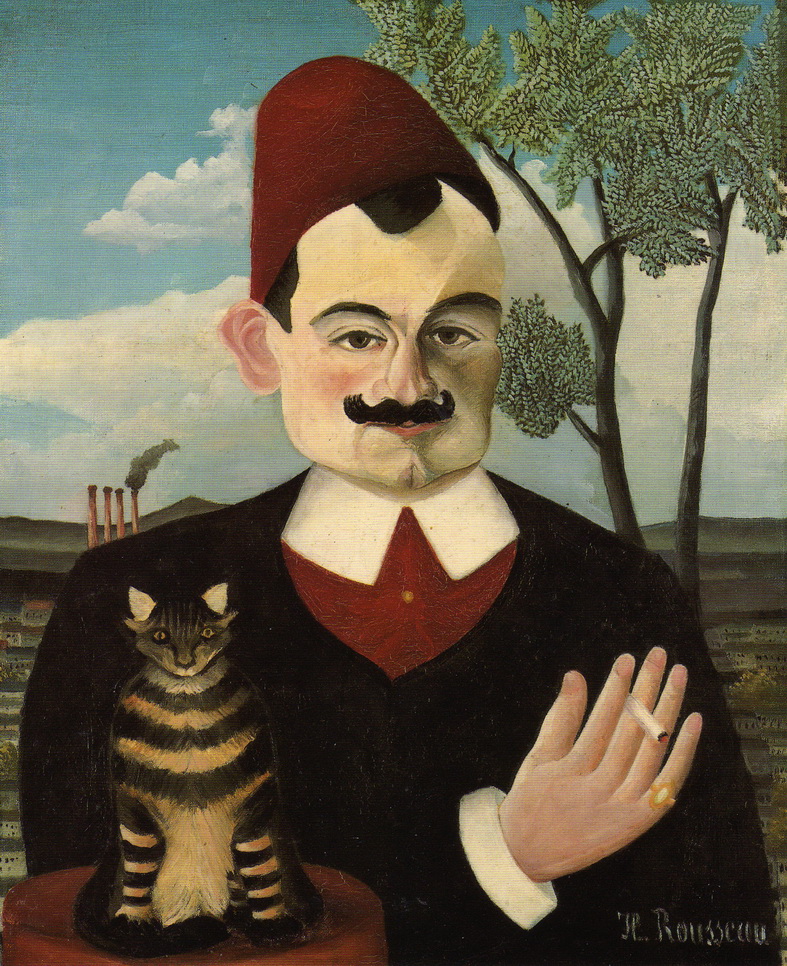
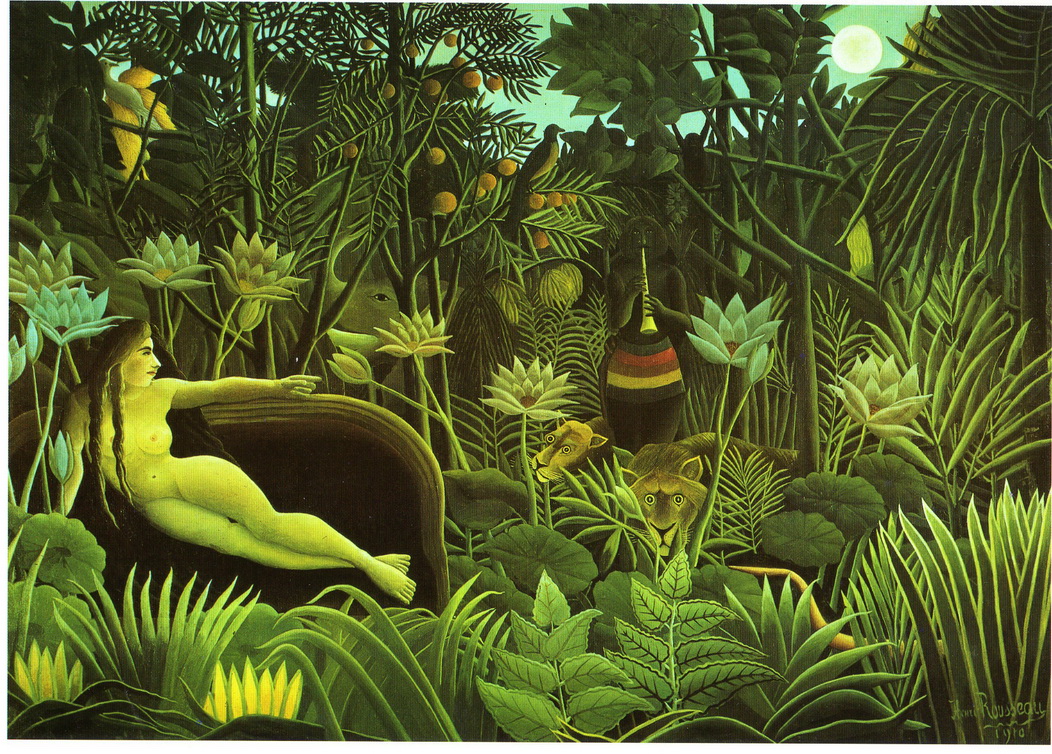
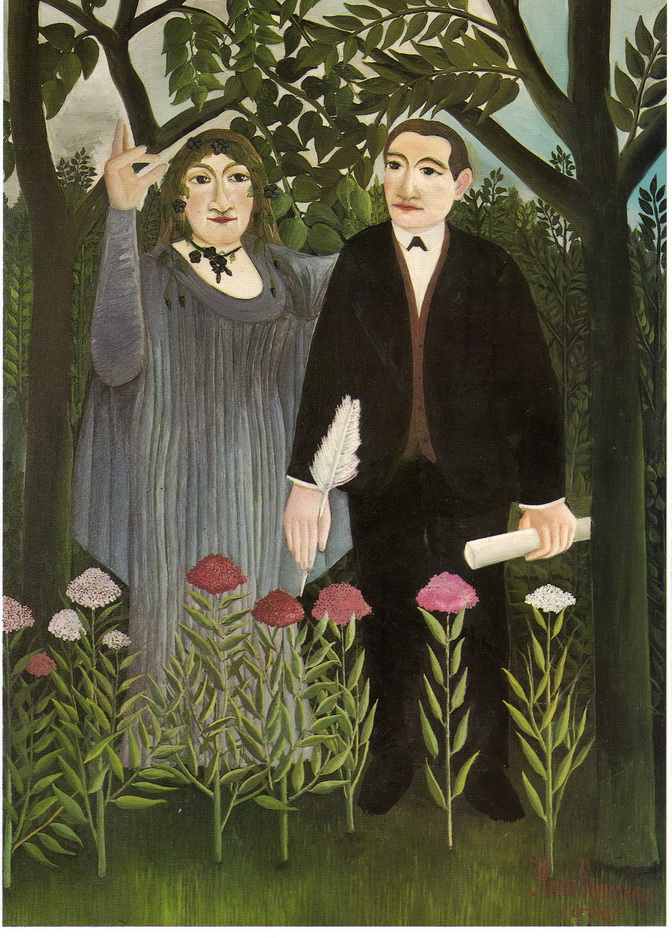
Text/Chen Chi-Hsiang. Dates: March 22 to July 17. Venue: Musée d'Orsay. The term "outsider" refers to painters who have not received formal art education; their work is pure and naive, stemming from instinct and sensibility. Their creation is divinely inspired, with strong consciousness, forging a unique style within their inner garden that delves into personal existence. Mentioning "outsider" painters brings Rousseau to mind. Rousseau (D. Rousseau 1844~1910) is the world's most renowned outsider painter. Blessed by the Salon des Indépendants (becoming an exempt member), he participated in regular exhibitions from 1886 until his death each year. This distinctive figure attracted the attention of many avant-garde painters of the time, such as Delaunay, Derain, Picasso, and Kandinsky. In 1908, Rousseau told Picasso: "We two are the great painters of our age; you in the Egyptian attribute, I in the modern type" (Note 1). Kandinsky wrote: "Rousseau's paintings are so beautiful (...)! Outstanding roots of realism, new realism" (Note 2). Poet and art critic Apollinaire favored him, writing: "Henri Rousseau we affirm he will soon be exhibited officially in Florence" (Note 3 - from exhibition text, letter from Apollinaire to Louis Vauxcelles 1914), becoming Rousseau's spokesperson and guardian of his extraordinary art.
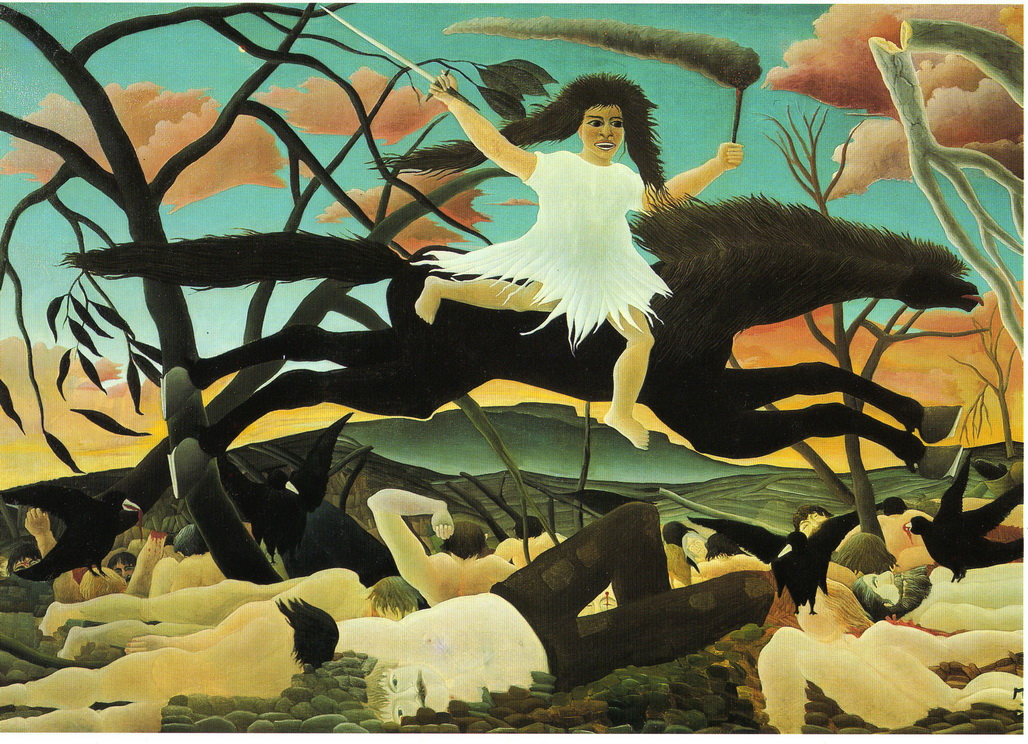
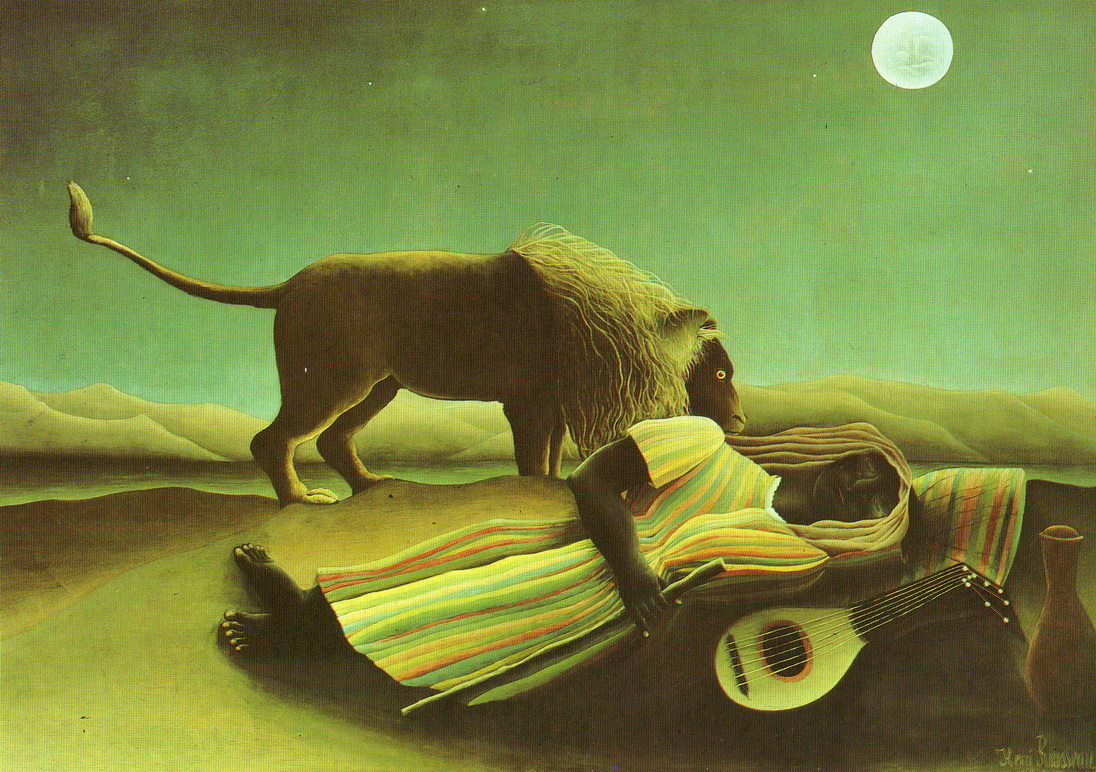
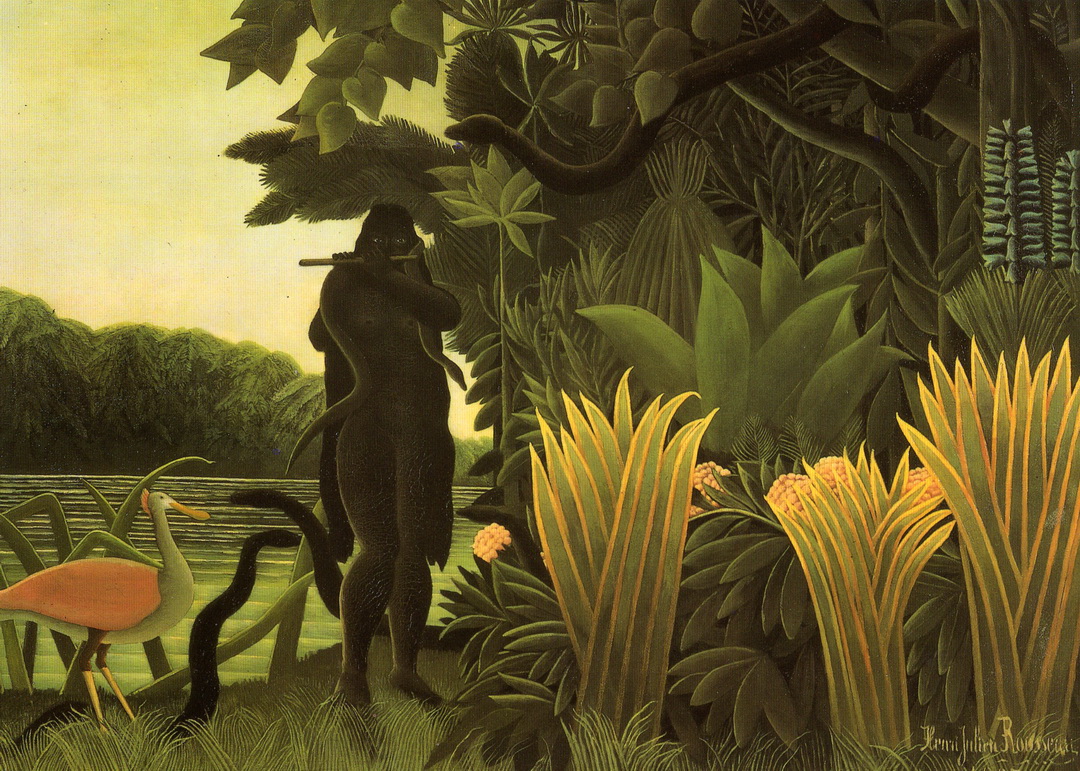
Rousseau's life was unremarkable. At 25, he married Clemence Boitard, having nine children, but unfortunately only one daughter survived. Due to connections, he obtained a position at the Paris Customs (people used to think he was a customs officer, but he was actually a tax collector). He resigned in 1885 to devote himself to painting, beginning to copy famous works at the Louvre, which became a warm-up for his creation. Soon after, his beloved wife passed away, and he remarried Rosalie Nourry, but she also sadly died of illness four years later. From then on, he devoted himself entirely to painting. Clearly, copying did not change his strong spontaneous instinct, nor his innocent and fresh painting vocabulary and imaginative space. From the many mysterious primeval forests and exotic landscapes painted by Rousseau, his legendary life narrative once stated he had traveled to Mexico or Africa. His works made everyone believe it to be true, but in fact, Rousseau never left Paris during his lifetime. These inspirations for primeval forests and exotic landscapes came from the lush botanical gardens of Paris and patterns on packaging paper from large department stores. His distinctive innocent painting art occupies a special place in Western modern art history. This primitive painting style is quite sensual, pure, and naive. Bizarre works often possess a bewitching charm and extraordinary imagination. Extraordinary masterpieces include: War, The Sleeping Gypsy, The Snake Charmer, The Dream.
The "Ancient Innocence" special exhibition first debuted in Venice, Italy, re-examining Rousseau's works and the causes and effects in art history. Unlike past retrospectives of Rousseau, this exhibition traces the roots of his paintings and dialogues with painting history. It is divided into six major themes: Portraits-Landscapes, here contrasting with Rousseau's "Self-Portrait with the Eiffel Tower" (1890); Ancient Innocence-Poetic Inspiration, Monumental Woman, Cruel Children, Still Life and Landscapes, War, Jungle Paradise.
Note 1 - From exhibition text. Note 2 - From exhibition text, letter from Kandinsky to Marc 1911. Note 3 - From exhibition text, letter from Apollinaire to Louis Vauxcelles 1914.