Paris Metro (Le Metro) Part Two
(Fig. 1, left) Before entering the metro, you must check the direction, station signs, and transfer points. (Fig. 1, right) Station signs clearly indicate route transfers; follow these instructions and everything is fine. (Fig. 2, left) You must punch your ticket in the validator to enter. (Fig. 2,
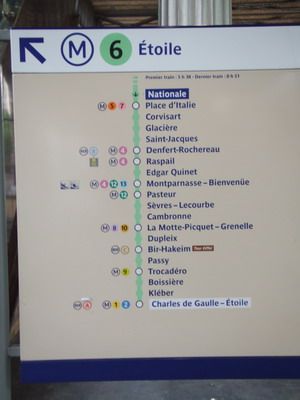
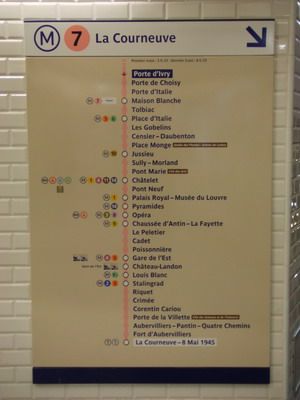
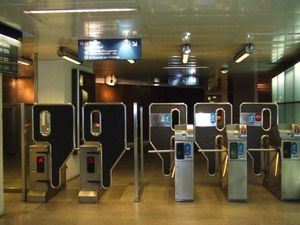
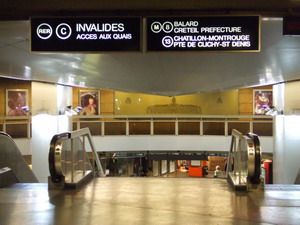
(Fig. 1, left) Before entering the metro, you must check the direction, station signs, and transfer points. (Fig. 1, right) Station signs clearly indicate route transfers; follow these instructions and everything is fine. (Fig. 2, left) You must punch your ticket in the validator to enter. (Fig. 2, right) Clear signs indicate line numbers and transfer stations.
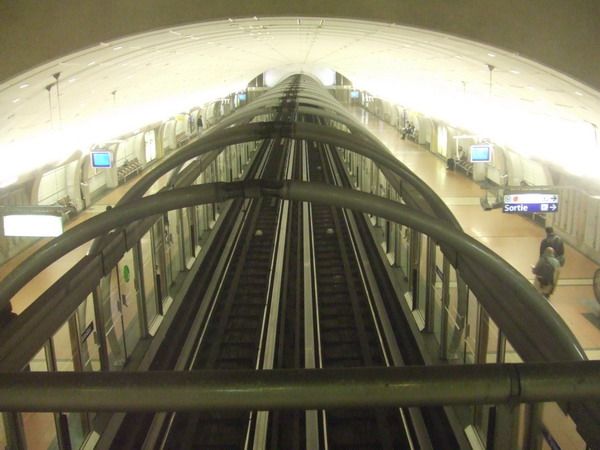
(Fig.) This is the fully automated Line 14, the most modern route in Paris.
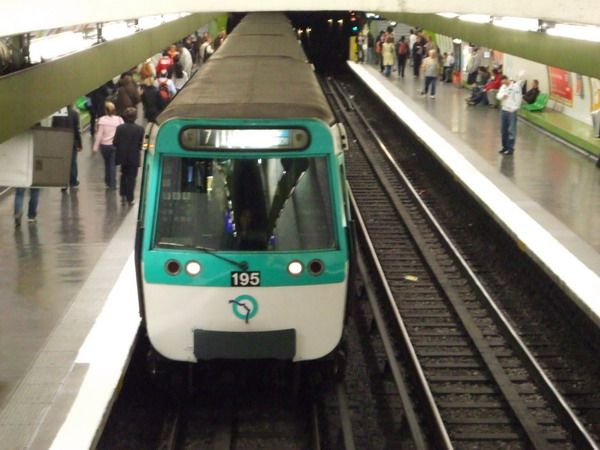
(Fig.) A scene from the Paris Metro at the Chatelet station on Line 7.
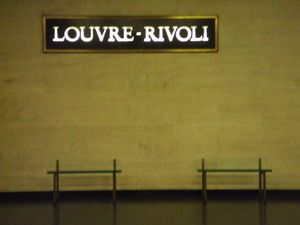
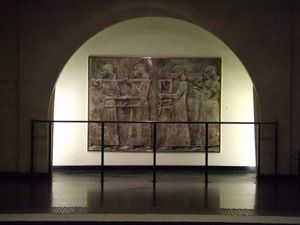
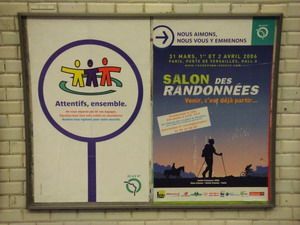
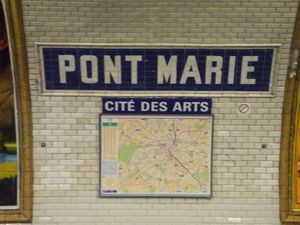
(Fig. 1, left) Line 1 Louvre-Rivoli station. (Fig. 1, right) At Line 1 Louvre station, numerous copies of ancient Near Eastern artifacts and ancient Egyptian sculptures or reliefs from the Louvre are displayed. (Fig. 2, left) A small RATP poster on the platform reads "Stay Alert." (Fig. 2, right) Line 7 Pont Marie station is another artistic hub in Paris.
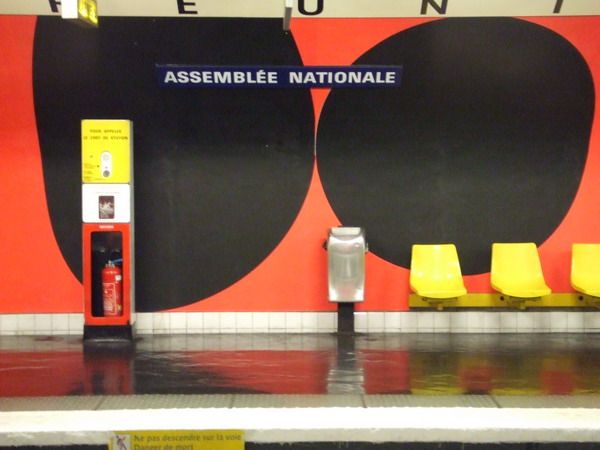
(Fig.) Line 12 Assemblée Nationale station is the only one without advertisements. Its modern decor was created by young contemporary artist J-C. Blais.
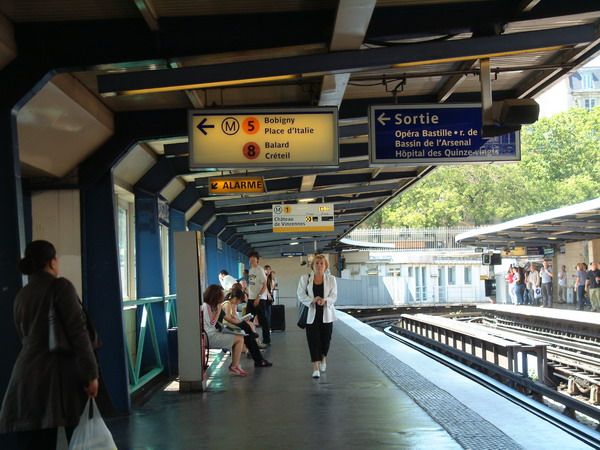
(Fig.) There are 26 open-air metro stations in the Paris Metro; this is Bastille station on Line 1.
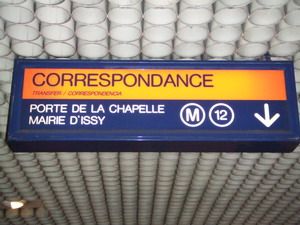
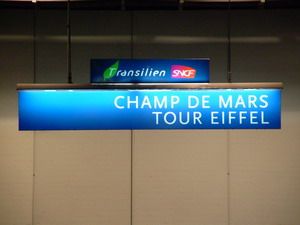
(Fig., left) When people see the yellow "Correspondance" sign, it indicates a transfer point easily. (Fig., right) This is the RER C Champ de Mars Tour Eiffel station, with the Eiffel Tower directly above.
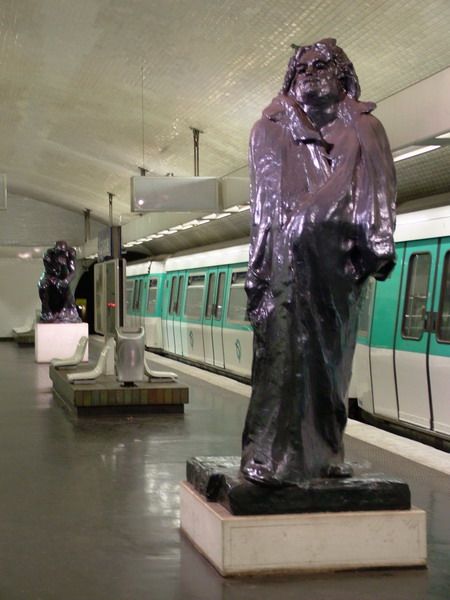
(Fig.) Varenne station serves the Rodin Museum. On the platform stand two Rodin sculptures, Balzac and The Thinker, reminding visitors they have arrived at the museum.
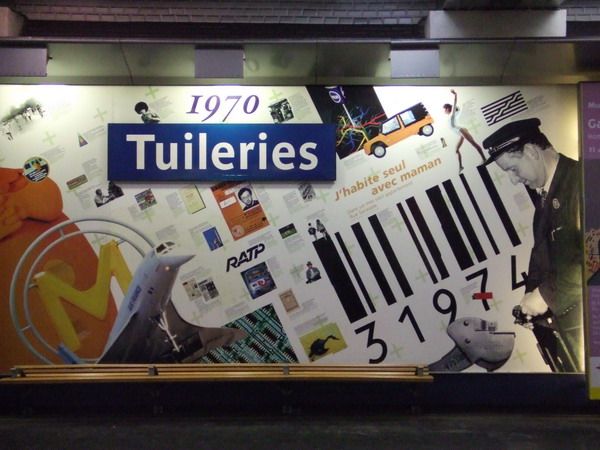
(Fig.) Concorde station on Line 1 is decorated entirely with historical figures and events from the past century.
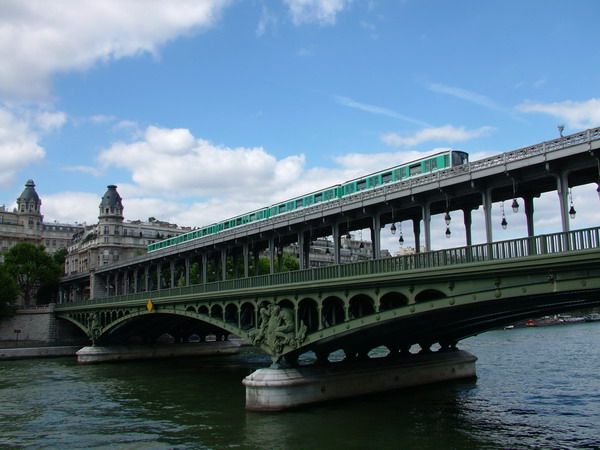
The view between Bir Hakeim and Passy stations on Line 6 is particularly spectacular. The train crosses the Pont de Bir-Hakeim over the Seine River; outside the window, one side shows the Eiffel Tower, while the other reveals the bright scenery of the swan-lined promenade along the river. Most of the metro runs underground, allowing for unimpeded travel that saves time and serves as a model for busy urban commuters. Riding a bus offers a different perspective to enjoy city views, which tourists may not be familiar with. Parts of Lines 2, 5, and 6 run on elevated tracks outdoors, totaling 26 surface stations where passengers can see unique landscapes. The view between Bir Hakeim and Passy on Line 6 is especially grand, crossing the Pont de Bir-Hakeim over the Seine, with the Eiffel Tower on one side and the bright swan-lined riverside on the other. With 14 metro lines and 5 RER lines, there are nearly a hundred stations distributed throughout Paris. Each route has its own atmosphere and style, featuring prominent station names, maps, large posters, and seating, which become part of the station's landscape. Châtelet-Les Halles is the largest station, where Lines 1, 4, 7, 11, 14, A, and B intersect. Located in the city center, it is the heart of Parisian transportation, with millions passing through daily. Long escalators connect Châtelet and Les Halles; observing how people walk here reveals the pace and tension of urban life, making it easy to get lost if not careful. Stations sometimes emphasize their local character and history, such as Line 11 Hôtel de Ville station, which introduces the history of the Paris City Hall beyond advertisements. Line 7 Bastille station presents historical archives (photos, text, reliefs, or murals). Line 12 Assemblée Nationale features designs by contemporary artists, with powerful images composed of color blocks and symbolic black graphics. At Line 1 Louvre-Rivoli, numerous display cases showcase copies of ancient Near Eastern artifacts and Egyptian works from the Louvre, reminding visitors of the station's name. Line 1 Concorde is decorated with historical figures and events, while Line 12 at the same station uses letters and numbers for decoration. Line 6 Pasteur station displays experiments by the famous doctor Pasteur combined with lighting and modern signage. Line 14 Gare de Lyon contains a tropical garden. Varenne station serves the Rodin Museum, with Rodin's Balzac and The Thinker standing on the platform. Arts et Métiers station is filled with images of various craft techniques, indicating the nearby National Museum of Crafts. Or the series of murals on Line 7 Bastille walls depicting the liberation of Bastille, among others.