Paris Metro (Le Metro) No. 1
(Img) When buying Paris metro tickets, consider purchasing a "Un Carnet" of ten; it allows unlimited travel on the metro, buses, and trams.
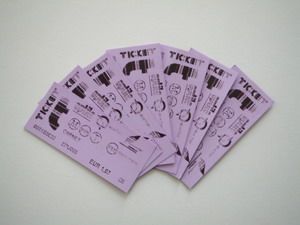
(Img) When buying Paris metro tickets, consider purchasing a "Un Carnet" of ten; it allows unlimited travel on the metro, buses, and trams.
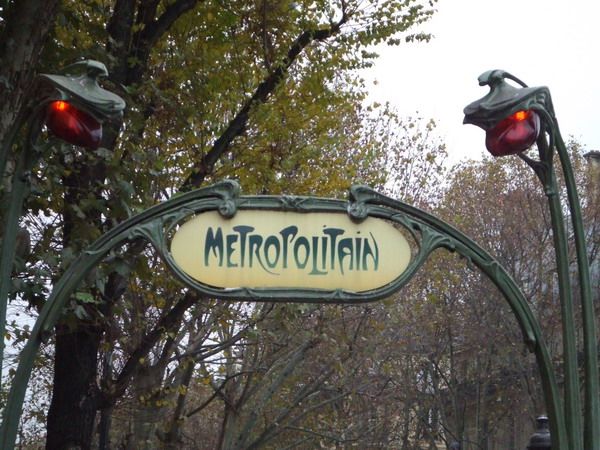
(Img) Another prominent feature at Paris metro station entrances and exits is the "METROPOLITAIN" signage, which belongs to the Art Nouveau style.
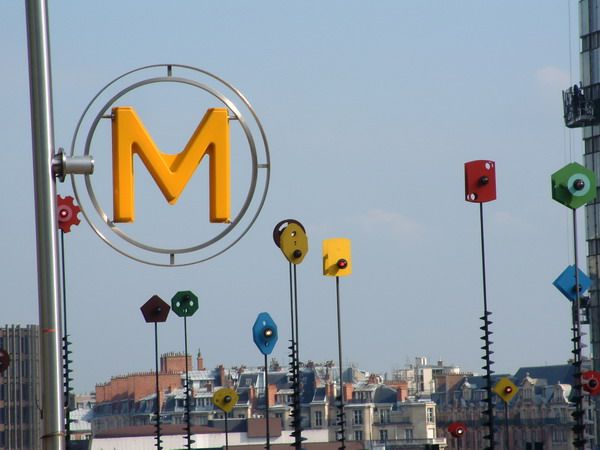
(Img) The large capital "M" signage at Paris metro station entrances and exits was established starting in the 1960s and remains in use today.
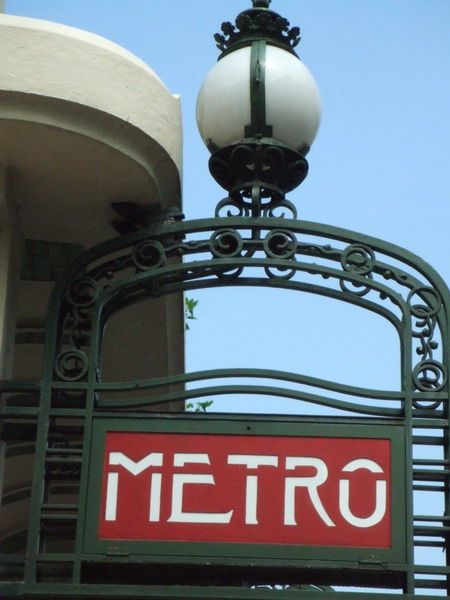
(Img) Another sign imitated at Paris metro station entrances and exits is "METRO."
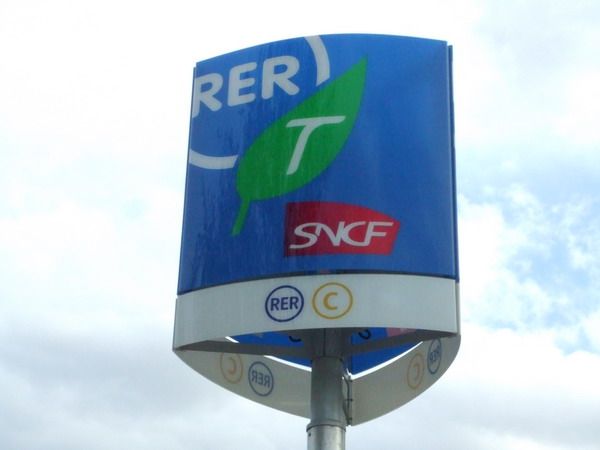
(Img) The Paris "RER" features prominent express train signage.
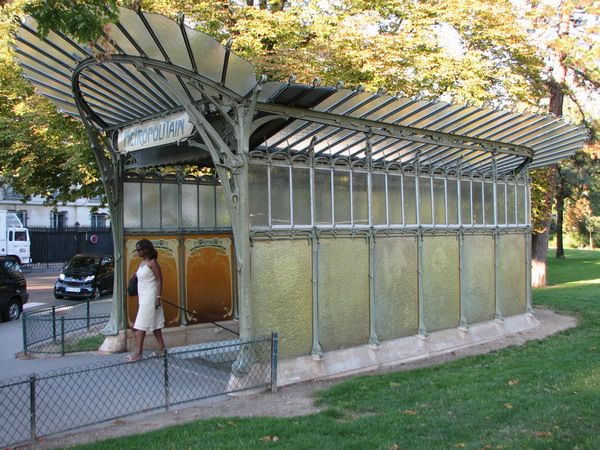
(Img) The Dauphine metro station is a representative station of Art Nouveau and a masterpiece by the famous French Art Nouveau artist Hector Guimard.
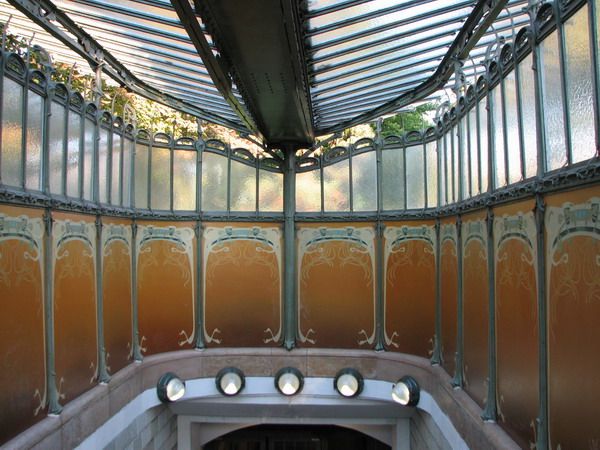
(Img) The highly decorative Dauphine metro station is a representative station of Art Nouveau.
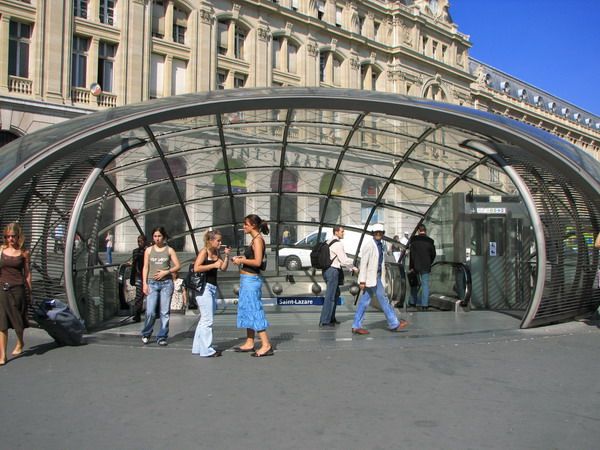
(Img) The entrance and exit of the Saint Lazare metro station were carefully designed by the renowned architect Carpentier. The entire structure is made of transparent glass, resembling a giant transparent shell.
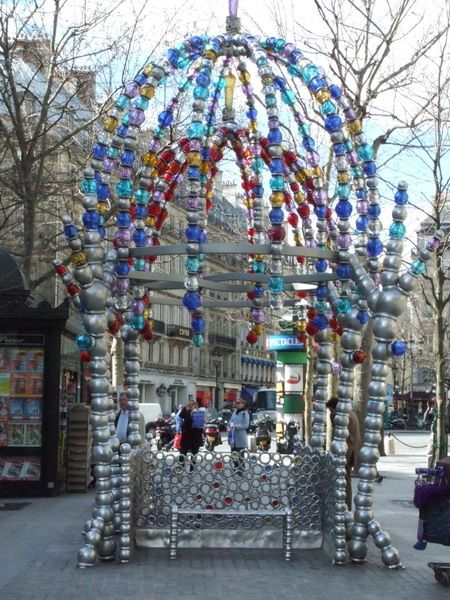
(Img) Line 1's Palais Royal station, near the exit of the Comédie-Française, is constructed entirely from colored glass beads. It is a masterpiece by young artist Jean-Michel Othoniel.
Paris's transportation is quite convenient, with buses and the metro (and future trams) as the current two main modes. There are 60 bus routes and 14 metro lines, plus five express train lines (called RER). Therefore, every metro station entrance and exit displays a large "M," while those marked "RER" are express stations. The metro operates daily from 5:30 AM to around 1:30 AM. During peak commuting hours, trains arrive every three minutes, and outside these times, there are still many departures. Both surface and underground systems form a spiderweb-like network, interconnected so that almost any point in Paris can be reached by transport. Bus and metro tickets are interchangeable (meaning you can take either), allowing one ticket to cover the entire Paris transport network regardless of transfers, as long as you do not exit the metro system.
The metro is divided into urban and suburban (outer area) sections. The suburbs have so-called express metros (RER), which differ from the standard metro; their trains are blue and white, with larger carriages divided into upper and lower levels. For this express service, a single metro ticket suffices for travel within city stations, eliminating the need for other tickets. Suburban fares are calculated by zones, divided into five segments with varying prices for each. When purchasing tickets, clearly state the "destination name." When taking the express train, pay close attention to the electronic boards on the platform: first check the direction, then verify if your destination station is displayed. If it is, you may board.
Every day, millions of Parisians rush in and out of the metro. A Parisian slang phrase says, "Work, Metro, Sleep" (Metro, Boulot, Dodo), illustrating that transportation is an inevitability in the lives of Parisians. Built in the late 19th century, the Paris metro now has a century-long history. Line 6 is the oldest, while Line 14 is the most modern, fully automated and driverless. Whenever Paris experiences major traffic strikes, paralyzing the entire city, only Line 14 continues to operate smoothly—how remarkable!
Traces of the 19th or 20th-century metro stations are evident. For example, the Abbesses and Dauphine metro stations are representative of Art Nouveau, being masterpieces by the famous French Art Nouveau artist Hector Guimard, featuring high decoration. Currently, many metro station entrance bollards belong to the Art Nouveau style. Important 20th-century metro station entrances also show distinct trends. Line 1's Palais Royal station, near the Comédie-Française exit, is constructed entirely from colored glass beads, a masterpiece by young artist Jean-Michel Othoniel. Meanwhile, the Saint Lazare station railway exit is a representative masterpiece of late 20th-century metro stations, carefully designed by renowned architect Carpentier, with the entire entrance constructed of transparent glass, resembling a giant transparent shell.