Lee U-Fan at the Palace of Versailles
The most important exhibition of Paris summer 2014 - Lee U-Fan at the Palace of Versailles:
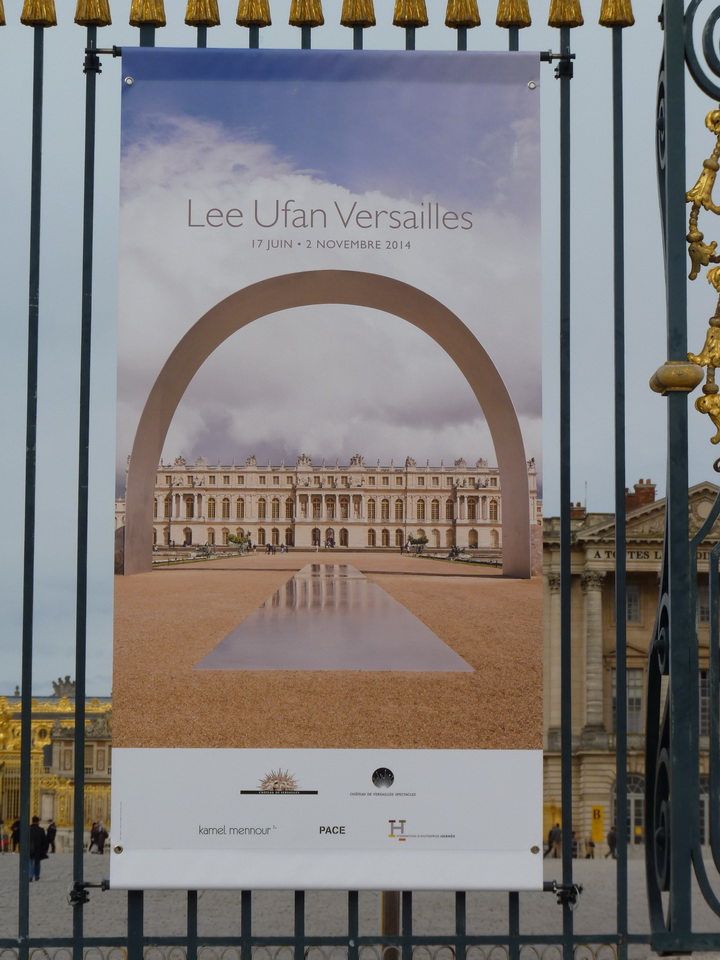
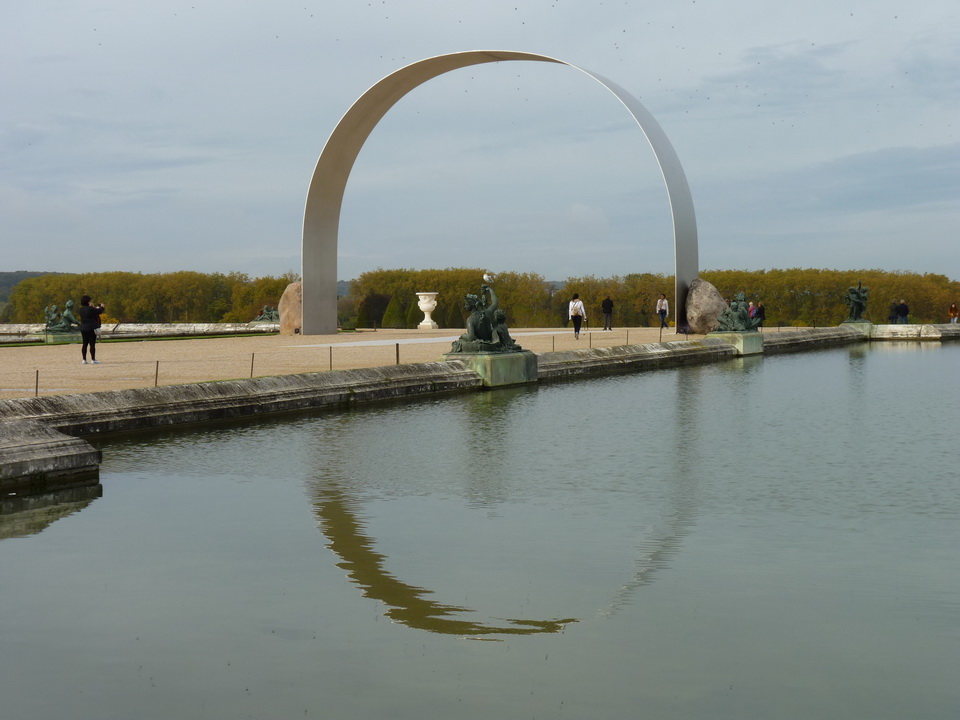
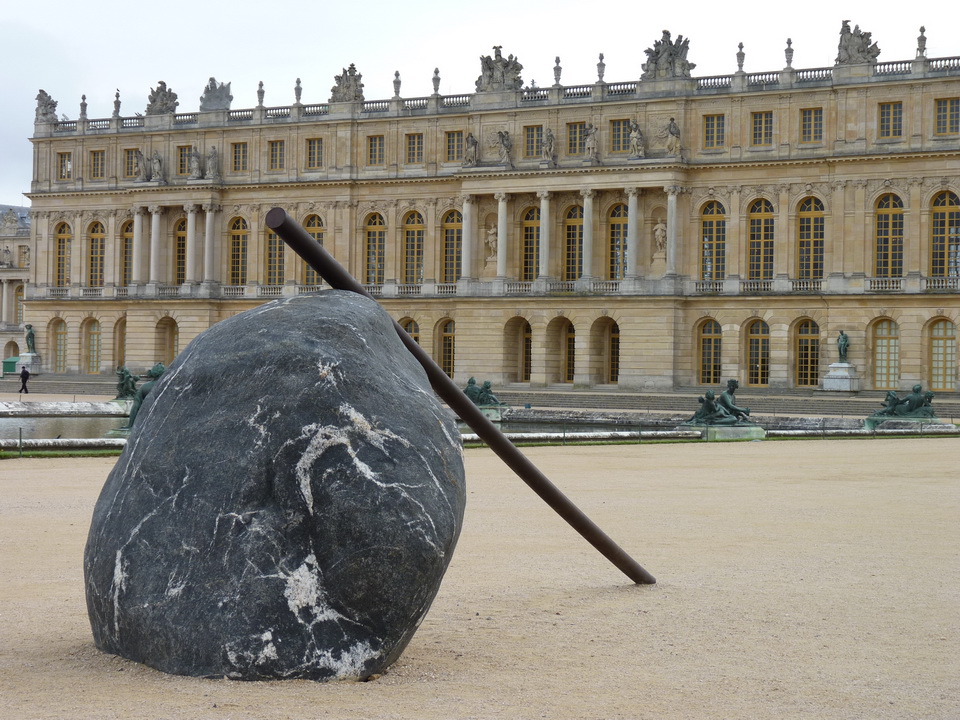
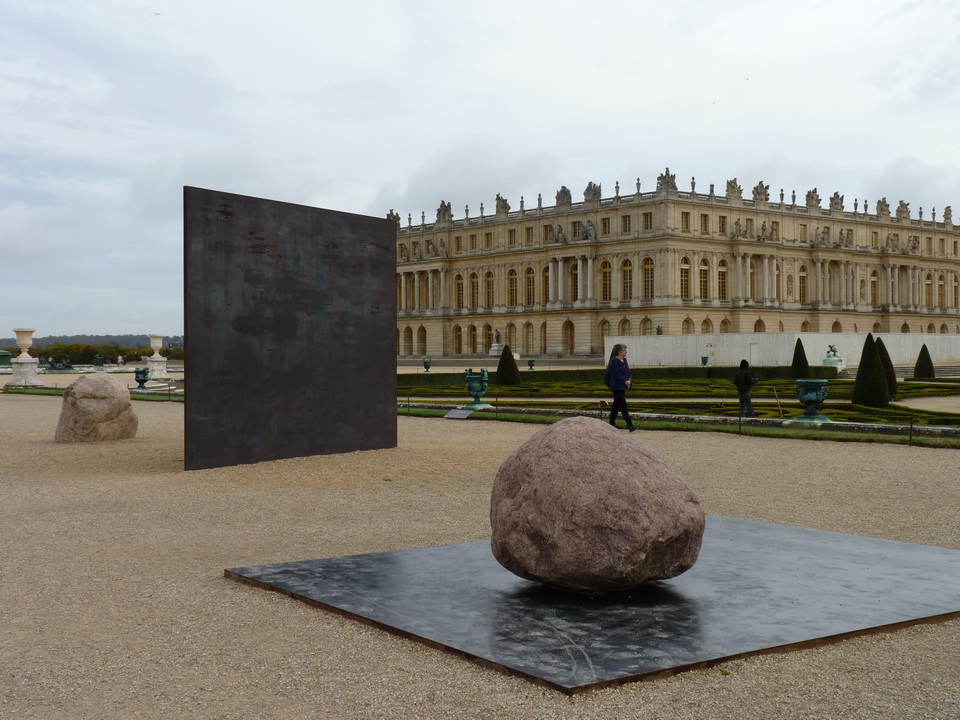
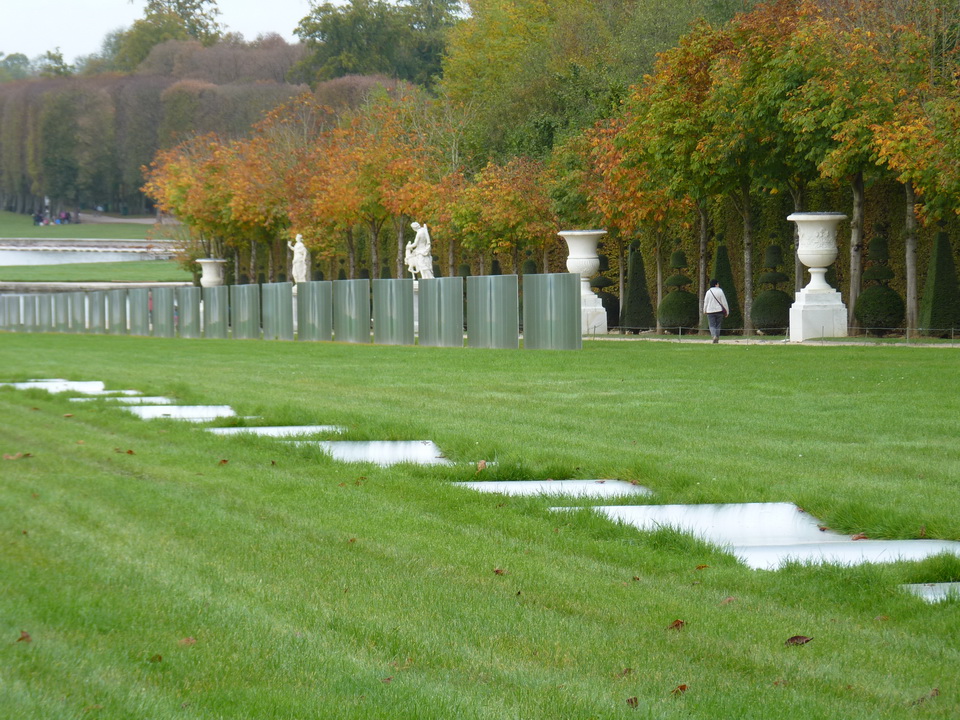
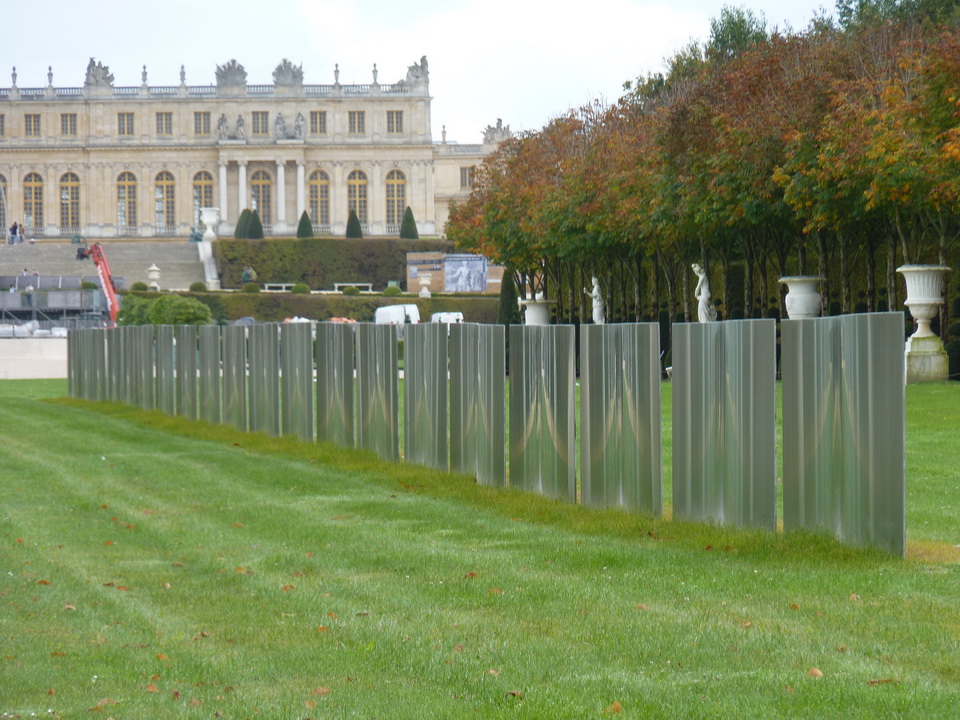
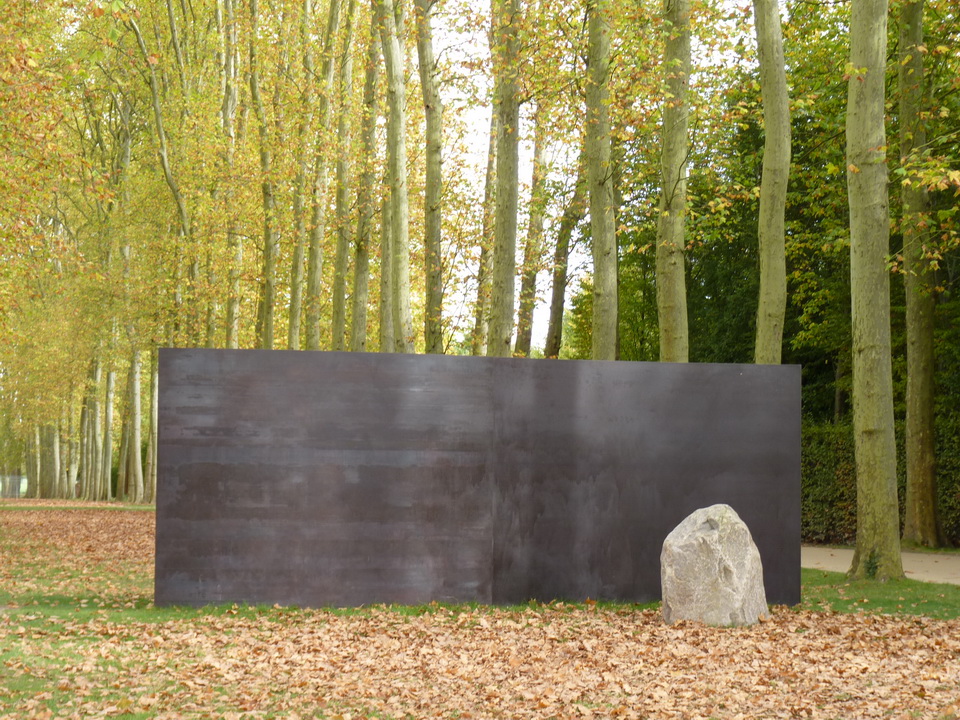
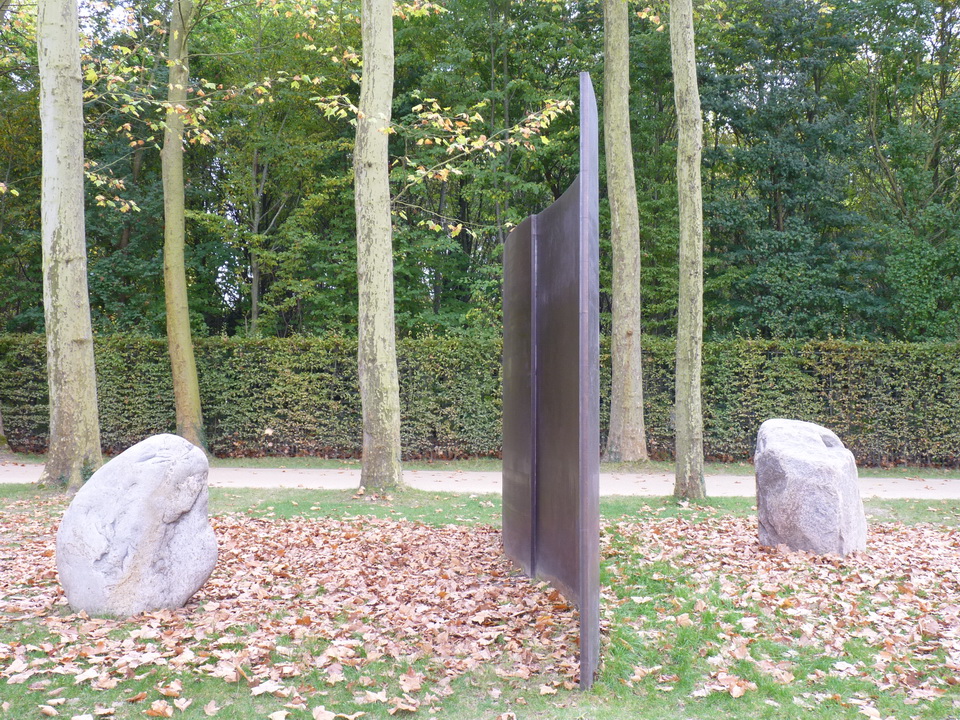
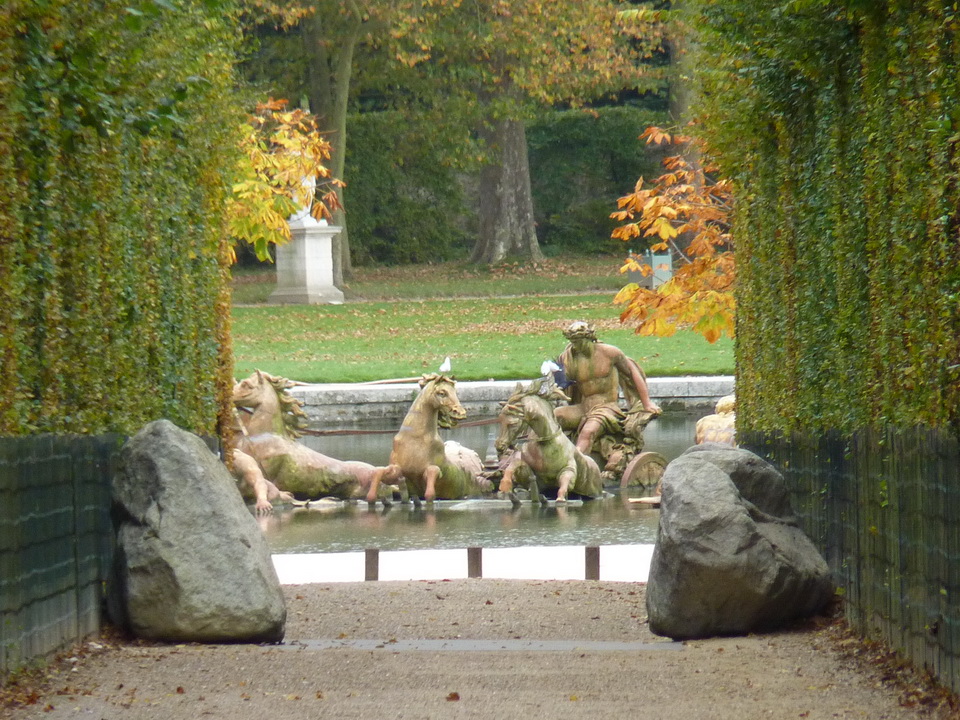
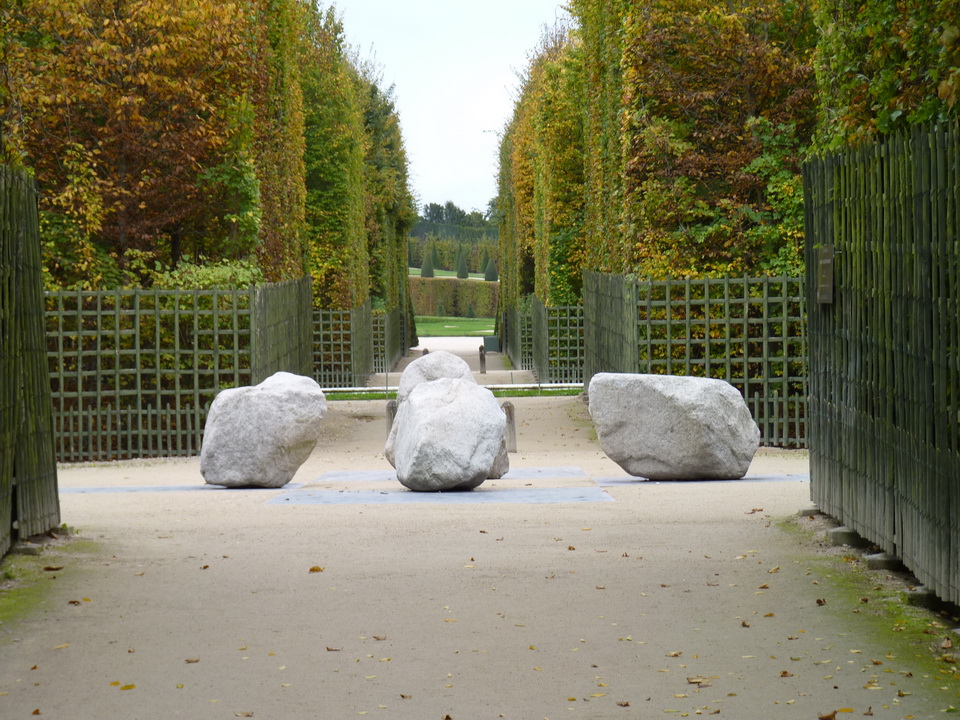
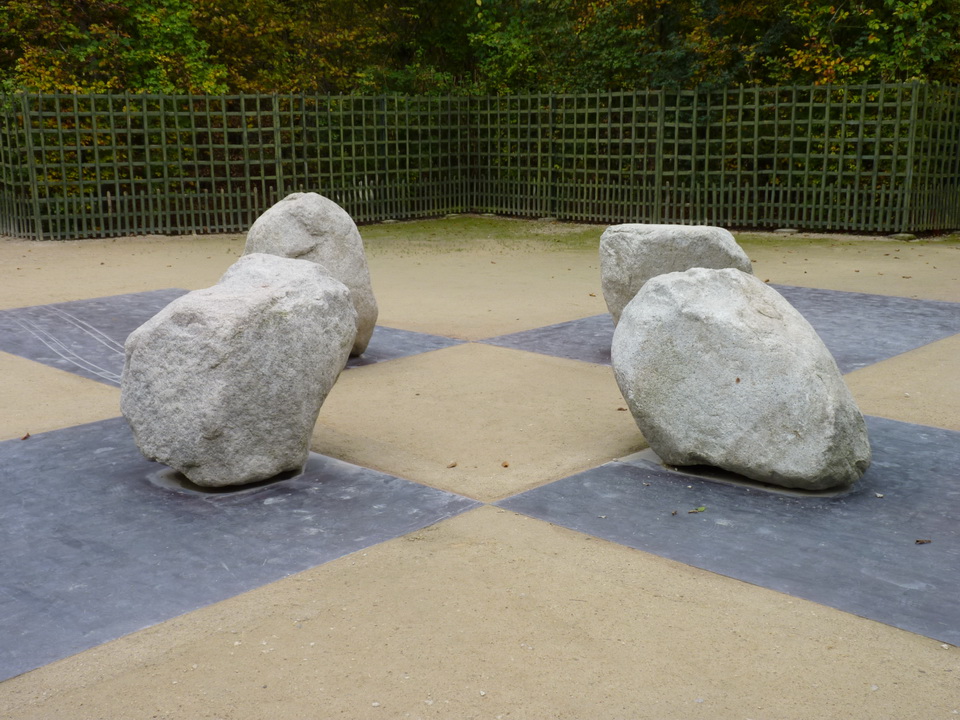
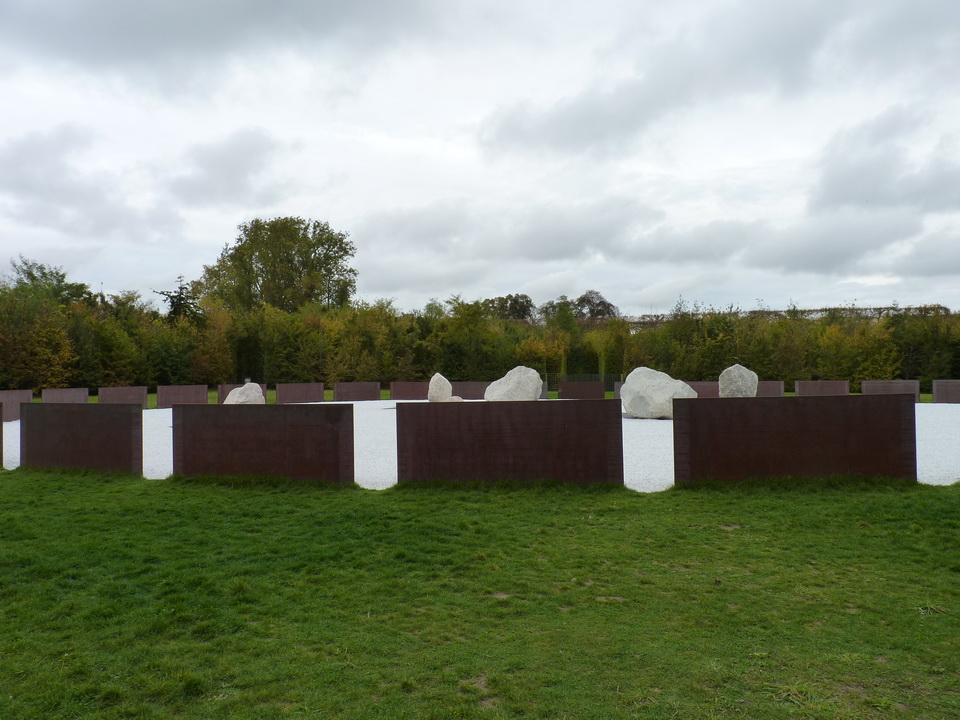
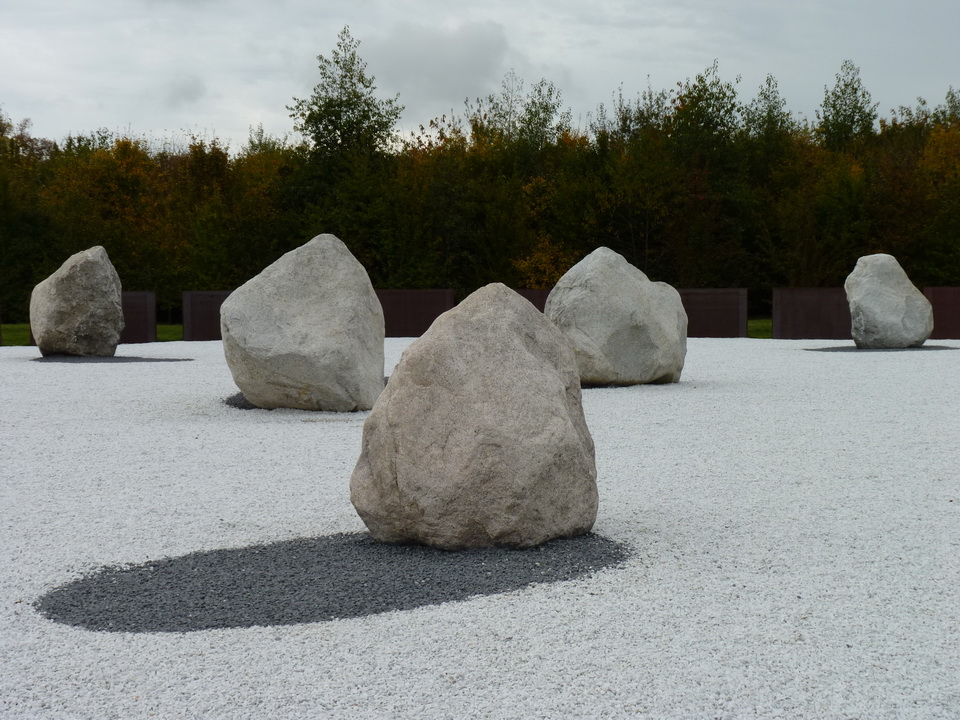
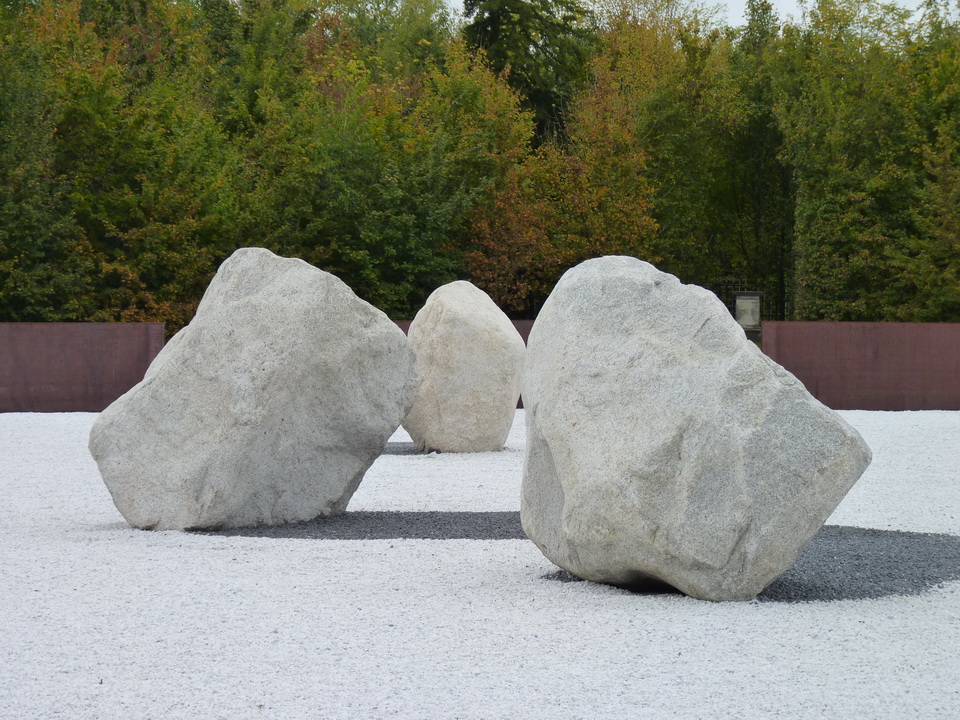
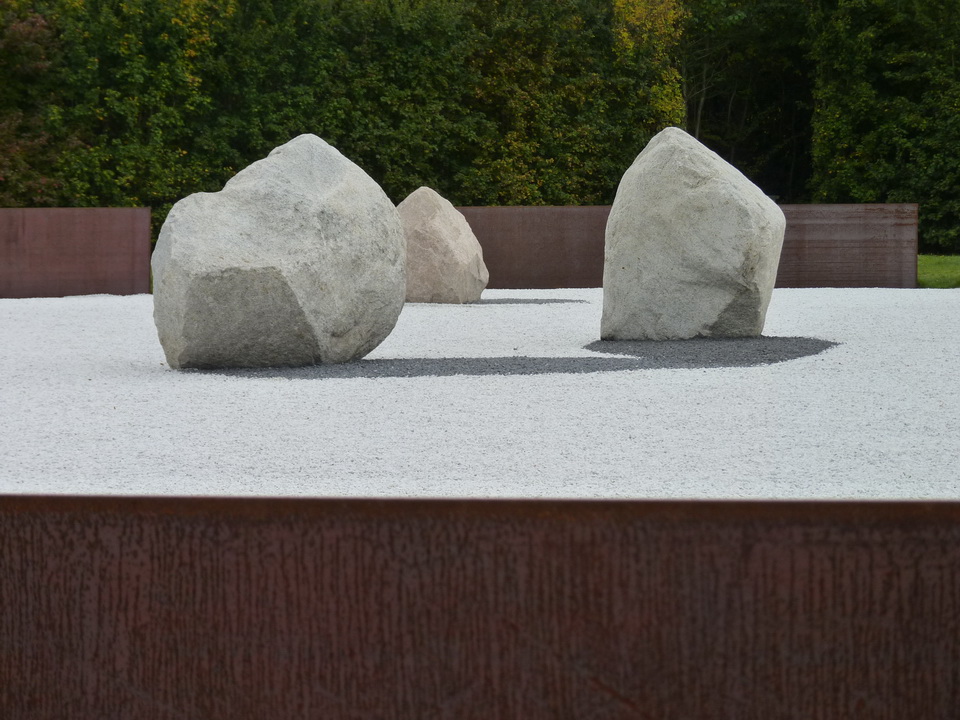
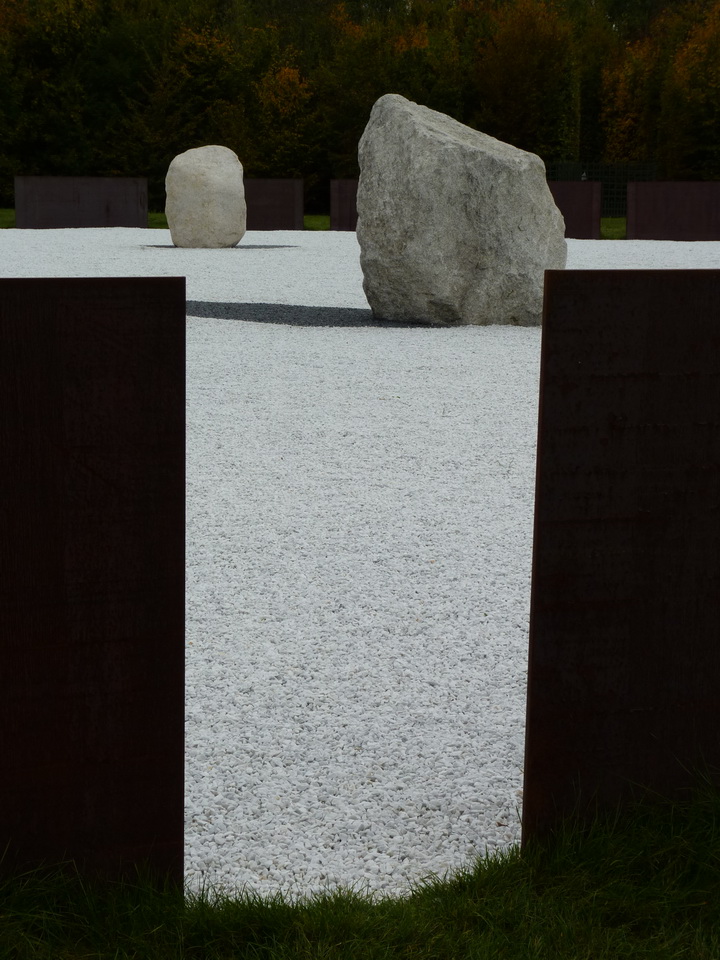
Text and photos by Chen Chi-Hsiang. Lee U-Fan at the Palace of Versailles: Exhibition dates: June 11 to October 31. Venue: Palace of Versailles and Gardens.
Lee U-Fan (born 1936) is Korea’s most famous contemporary artist, as well as a founder and theorist of Japan’s Mono-ha movement in the 1960s; more precisely, he was its soul figure. Amidst the storms of Pop Art, Neo-Dadaism, and Minimalism in the 1960s, a new art movement emerged in Tokyo, Japan, around 1969–1970: the Mono-ha group. For them, the subject of "things" was not just any random object, but rather the essential characteristics of objects themselves—meaning things are simply things, nothing else. They neither depict nor serve as conceptual scaffolding. They returned to the fundamental values of human essence, combining primitivism, organic qualities, and an attention to original materiality. Theorist of Mono-ha, Lee U-Fan wrote: "We must understand observing the world as it is (or as it originally is), not through the medium of general representational transformation, for it increasingly goes against humanity." (Note 1)
The Japanese Mono-ha group was essentially a broad term; they had no formal manifesto or joint statement, functioning as an informal collective united by a shared focus on "material," each exploring their own unique perspective. Their close relationships were built upon original environments and the basic qualities of materials used. They prioritized natural materials: stones, earth, wood, cotton, marble, neon lights, mirrors, ropes, etc. These materials were sometimes modified, but mostly presented in their raw state to reveal material energy.
Their focus was not on the representation of matter. Mono-ha works first offered symbolic critique; artists, through acts of appropriation of nature under the guise of completely external forms, established aesthetics based on Zen and Daoist relations, according to Lee U-Fan’s theory. Artists had to follow the essence of East and West, their pure elements. Art came to praise the environment, starting from this natural fact, thus generating all things. This is seen in Lee U-Fan’s "Relativity" series beginning in 1969, which combines natural elements with man-made objects within unchanging elements: stone and glass, soil and iron plates, etc. Mono-ha artists did not claim the rights of a creator; instead, they developed self-forms within a non-creative creativity, viewing fragments of the world as wholes.
Note 1: "Factions and Movements since 1945," by Hervé Gauville, published by Hazan, Paris, 1999, p. 146.