Neo-Realism
Y Klein (1928–62) Blue Period (ANT82), 1960, Collection of the National Museum of Modern Art, Centre Pompidou, Paris
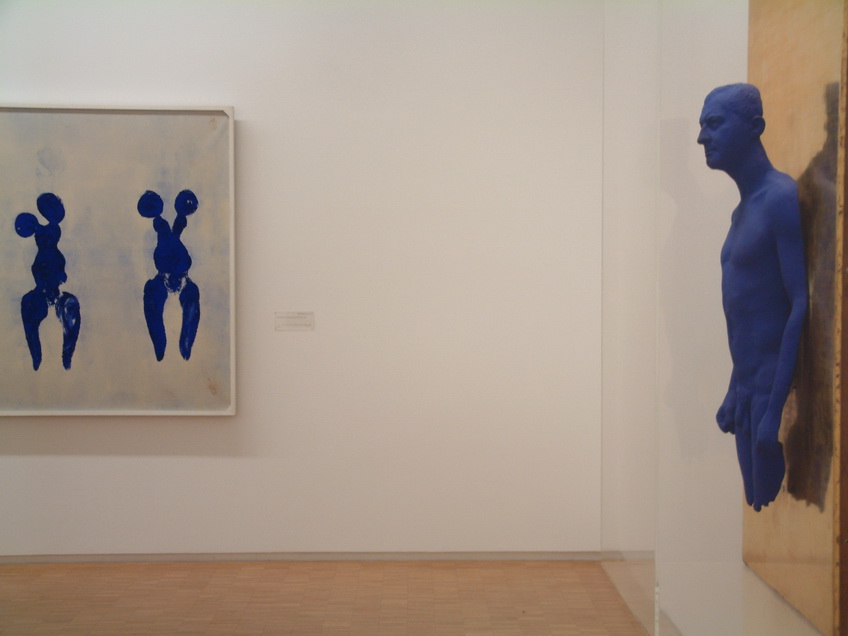
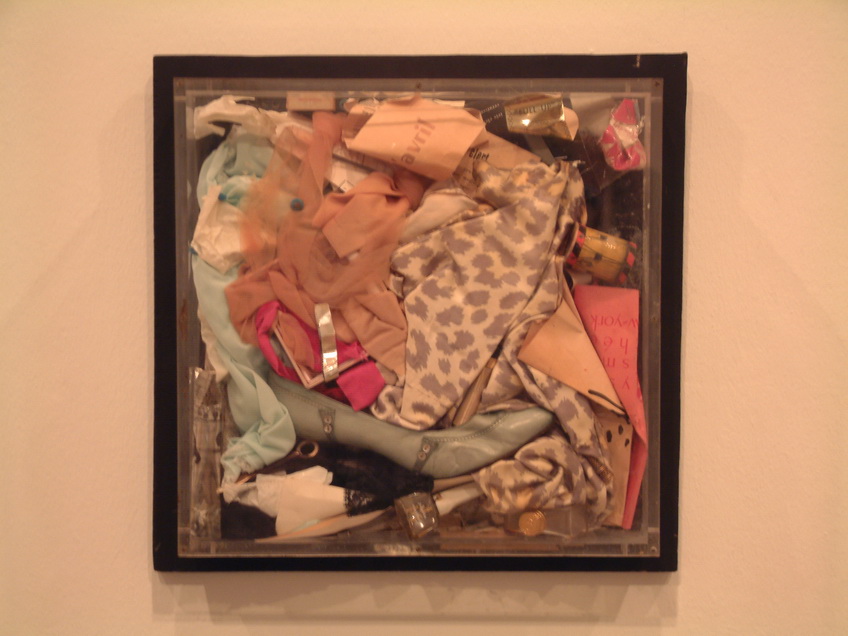
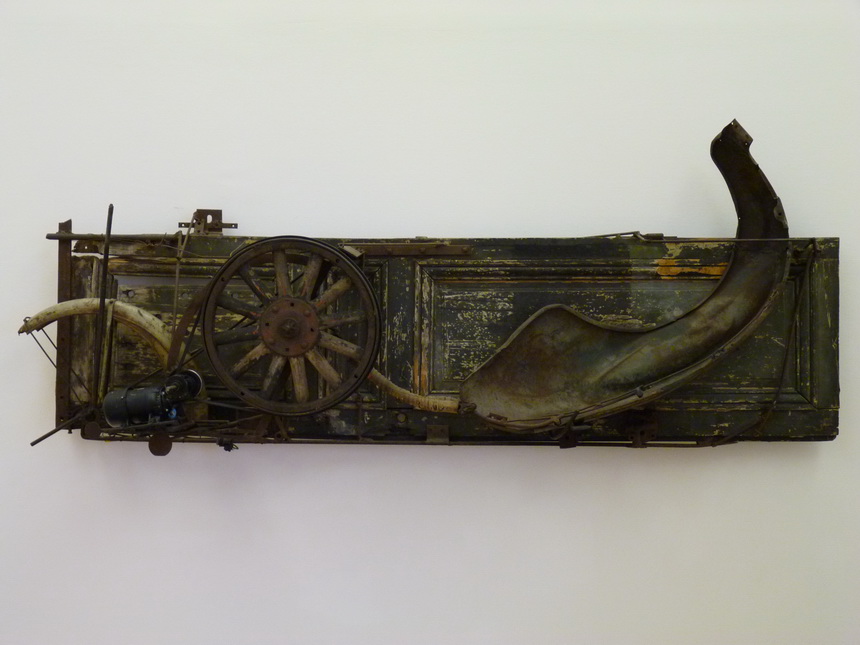
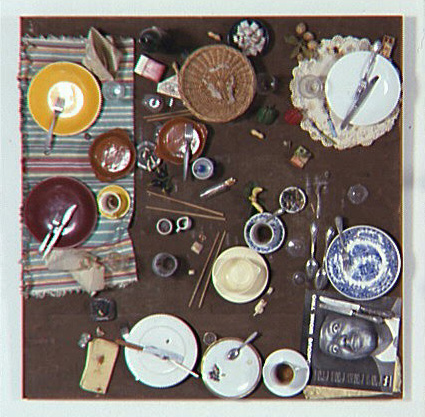
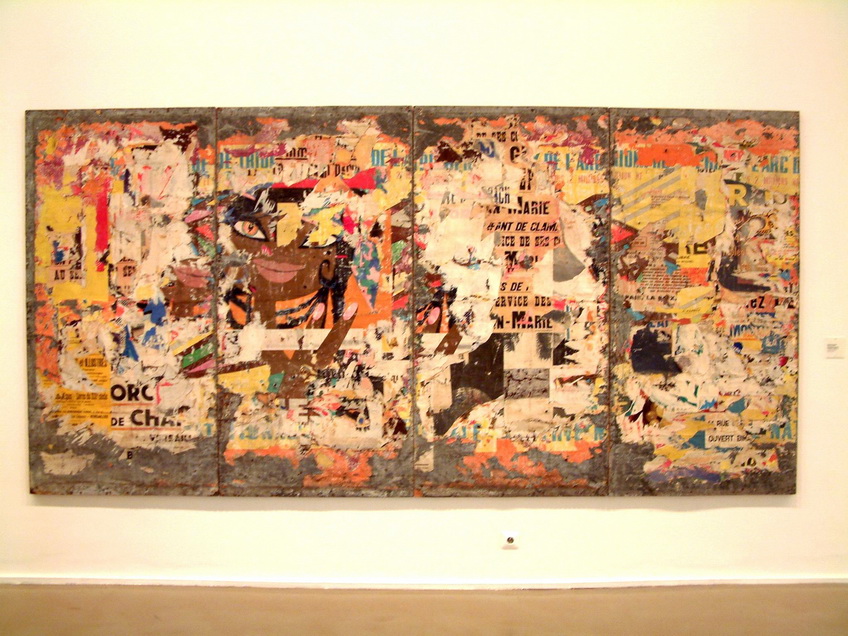
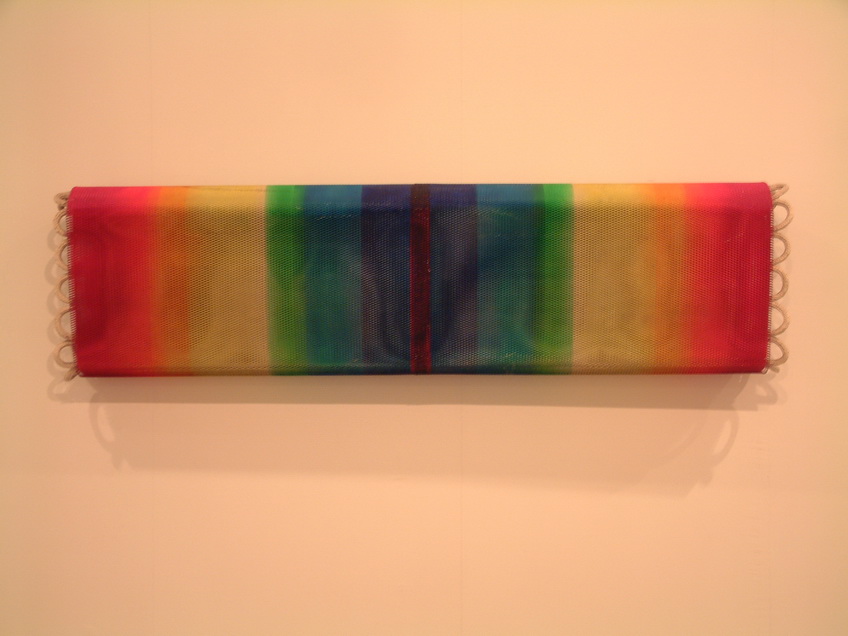
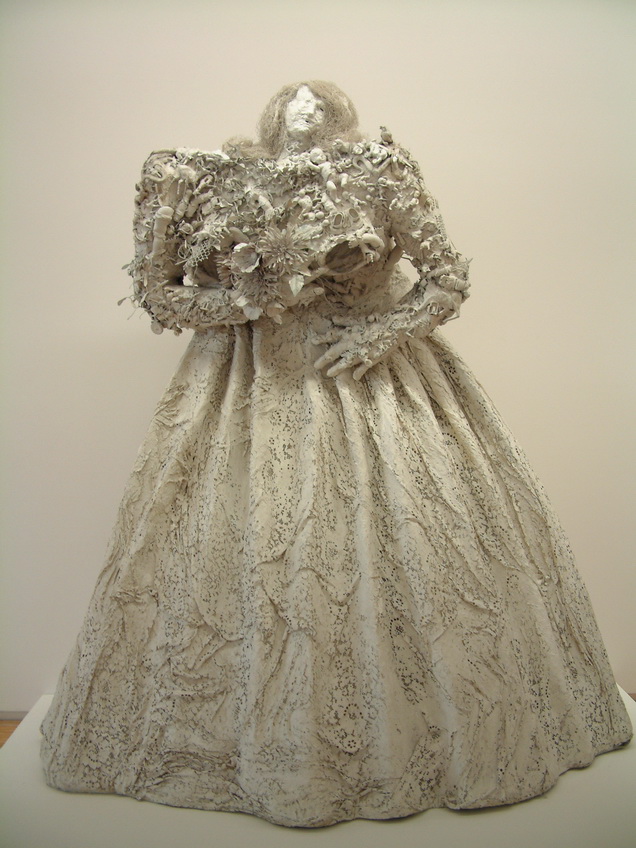
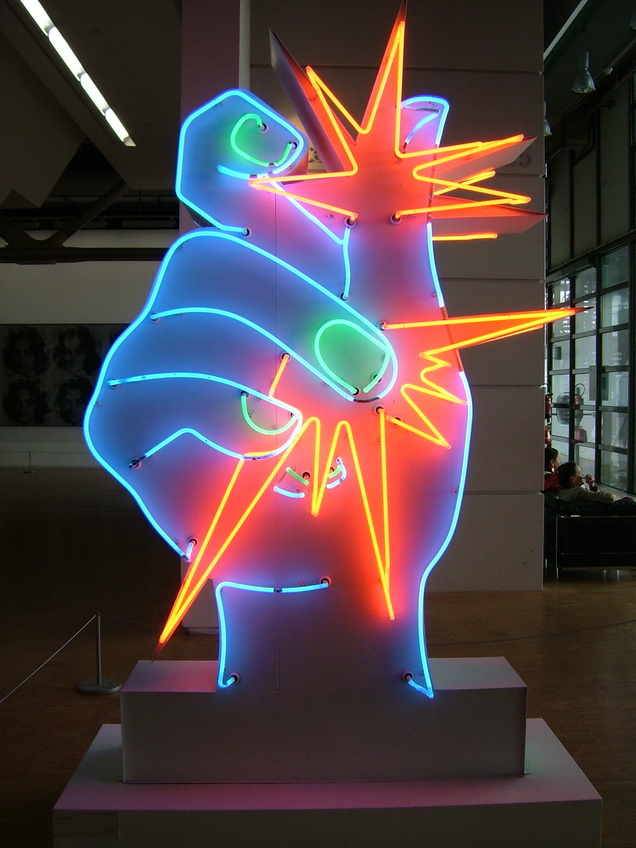
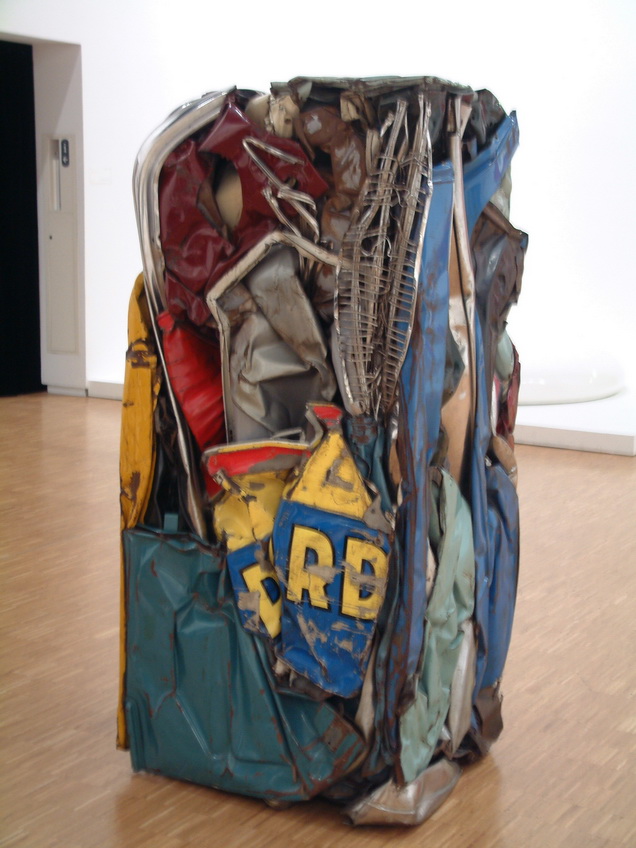
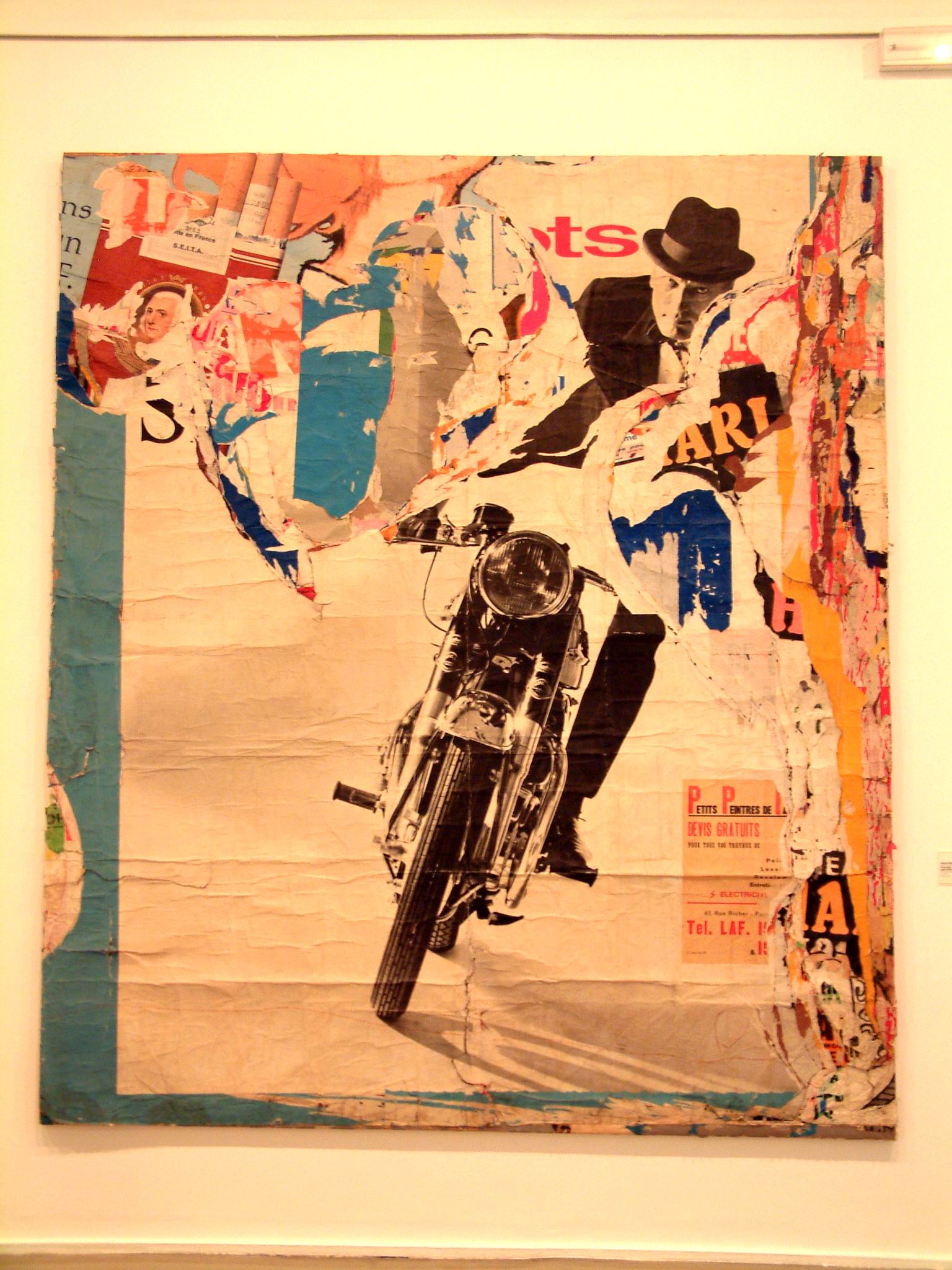
Text and images by Chen Chi-Hsiang. Neo-Realism (Nouveau Réalisme): Its main members include Yves Klein (1928–1962), Arman Fernandez (known as Arman, 1928–2010), César Baldaccini (known as César, 1921–1999), Daniel Spoerri (1930), Martial Raysse (1936), Raymond Hains (1926–2010), Gérard Deschamps (1937), Jean Tinguely (1925–1991), Jacques de la Villeglé (1926), Christo Javacheff (known as Christo, 1935–2000), Niki de Saint Phalle (1930–2010), Mimmo Rotella (1918), François Dufrêne (1930–1983), among others. French Neo-Realism was formed in Paris in 1960 by the renowned art critic Pierre Restany. The movement’s first group exhibition opened on April 16, 1960, in Milan, Italy. This group reacted against 1950s Abstract Expressionism, opposing the rigidity of late-1950s abstract art, and sought to record sociological reality. The movement emerged with an open attitude within the rapidly advancing consumer society, focusing more explicitly on objects and their symbolism.
The ideologies of French Neo-Realist artists were rooted in a broader sociological foundation. They created their visual language through social reality, consumer objects, and urban landscape culture, transforming external materiality into inner spiritual dimensions. Each artist expressed this through unique practices, appropriating real objects for expression: for example, Arman’s accumulations, César’s compressions, Christo’s wrapping, Spoerri’s trap paintings, Niki de Saint Phalle’s shooting, Tinguely’s reception and assembly, or the poster tearing by Hains, Dufrêne, Villeglé, and Rotella (ready-made abstract visual vocabularies). These approaches formed distinct personal styles. The Neo-Realist group disbanded in the 1970s.
French Neo-Realism absorbed social consumer and urban landscape cultural objects, forming through synthesis, composition, accumulation, compression, and tearing. These appropriated materials were re-presented, unlike Pop Art’s depiction or simulation of objects. “Incorporating realistic objects from sociology into plastic arts, thereby transforming them into emotion and perception, transcending the object’s own meaning; a pure reproduction of matter, belonging to a Baroque-like natural appearance,” aiming to record sociological reality.