A Tribute to the Time Traveler On Kawara (1933-2014)
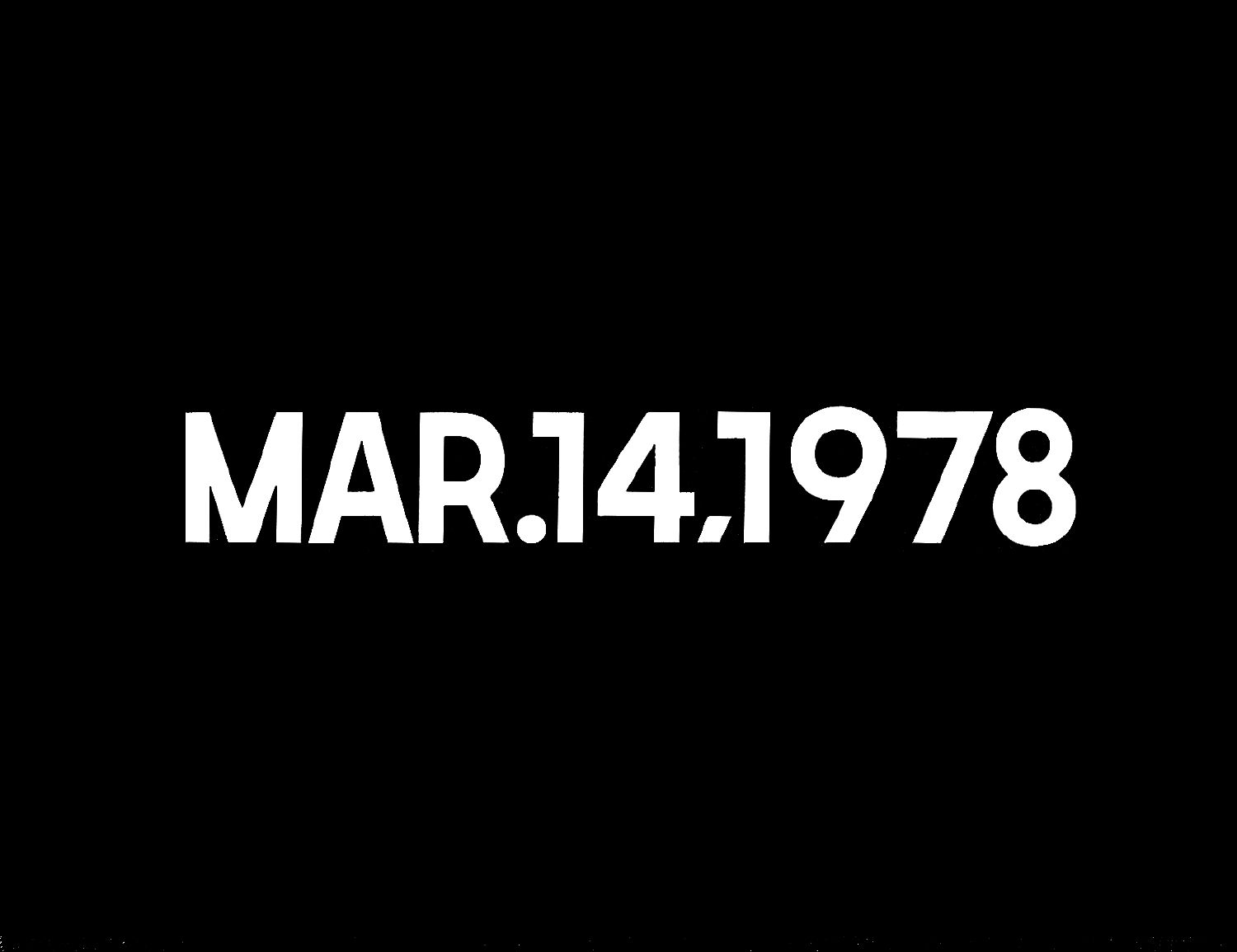
March 14, 1978. 25x33cm. 1978. Image from Musee St-Etienne.
By Chen Chi-Hsiang
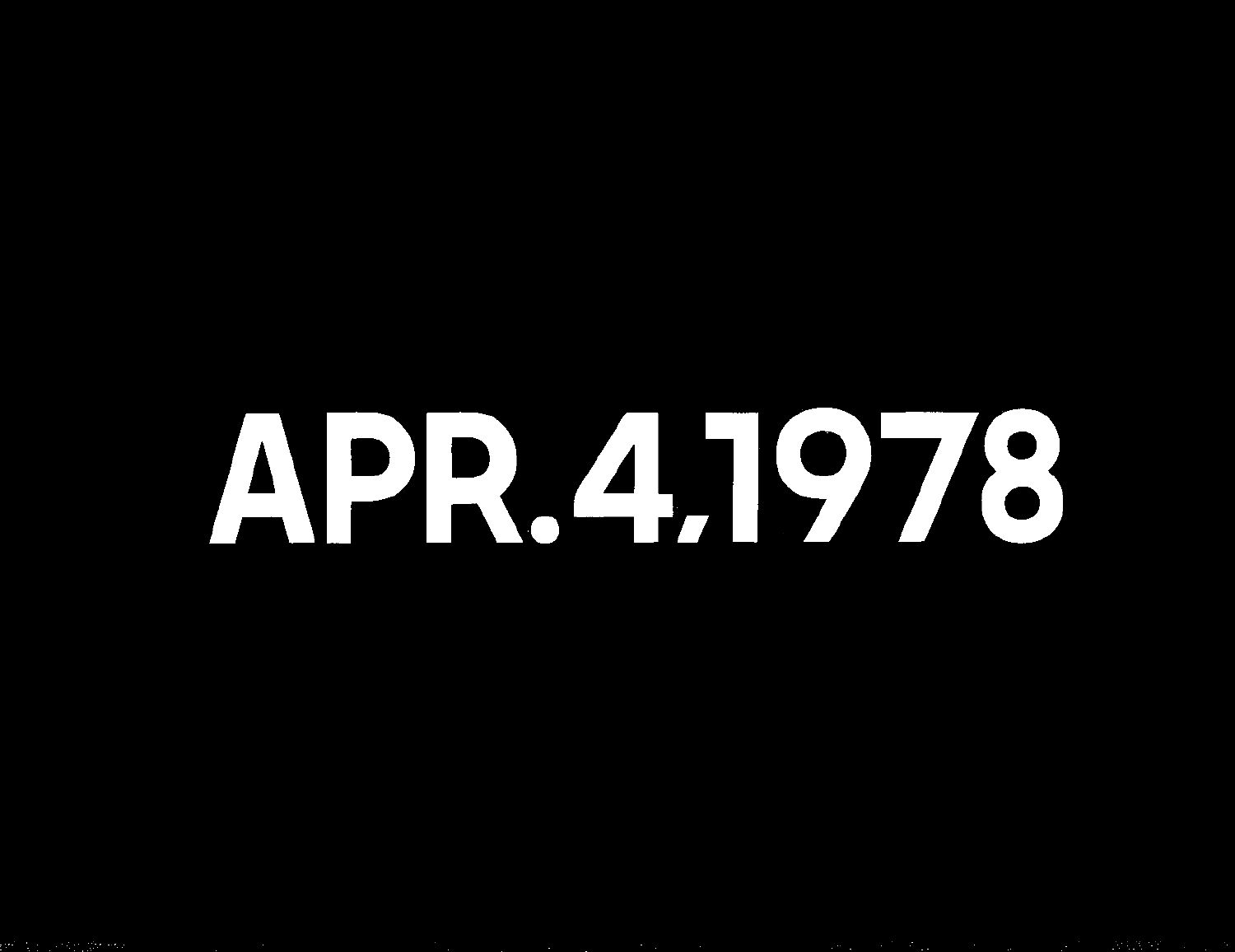
Gazing at the horizon—Japanese conceptual artist On Kawara passed away on July 13, the eve of France’s National Day, at the age of 81. On Kawara (1933-2014), an American-Japanese artist, was a distinctive figure in the conceptual art movement. He transformed time into painting, displaying and continuously marking his most famous "Date Paintings" series. This series began on January 4, 1966, in his studio on East 13th Street, New York. Painted in white letters on monochrome backgrounds, the dates were written in the language of the country where he resided. The works ranged from 20.5 cm × 22.5 cm canvases to 155 cm × 225 cm. Initially using red or sky-blue backgrounds, he later mostly used dark colors close to black, gray-brown, gray-green, or deep blue.
The Date Paintings had to be completed on the day they depicted. These abstract temporal measures attempted to grasp the progression of time and interpret the spatiotemporal nature of life. Each painting could stand alone, or be combined with paper boxes containing that day’s news clippings. Thus, the Date Paintings became records of the artist’s existence in space and time, as well as manifestations of political and social trends.
In 1964, the "I Read" series, featuring pasted newspaper clippings with dates, anticipated the arrival of the Date Paintings. In 1965, the "Locations" series, which wrote the longitude and latitude of the artist's location on monochrome paintings, further foreshadowed the characteristics of the Date Paintings. Between 1966 and 1979, besides the Date Paintings and news clippings, Kawara explored various aspects. In 1968, the "I Met" series recorded the names of people the artist met that day, indicating his daily movements. Simultaneously, he created the "I got up" series, sending landscape postcards from his residence to friends; the postmarks clearly recorded the place and date of mailing. Another series, "I am Still Alive," conveyed messages about the artist within the plastic arts society via telegrams, serving as records of existence.
These explorations were simple and clear, falling within linguistic forms, emphasizing the intimate relationship between art and life through the systematic use of information in the volume of time and space. From 1970 to 1980, Kawara systematically wrote (using a typewriter) the geography of human life over a million years and intermittent tenses in two major series, "One Million Years-Past" and "One Million Years-Future," comprising ten volumes in total, recording the spatiotemporal conditions of the "past" and "future." Under the artist’s almost compulsive will, this manifested the will to live and affirmed time as an eternal challenge.