East-West Dialogue - "Paris-Delhi-Bombay"
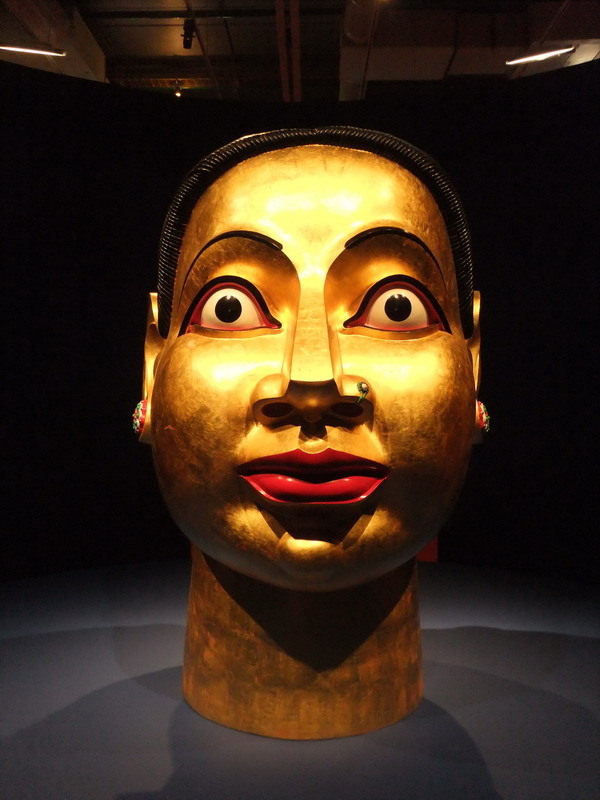
Ravinder Reddy constructs a massive Indian female head sculpture "Tara" using traditional wood carving techniques, 182x124x172 cm, 2004.
Exhibition period: May 25 - September 19, 2011. Venue: Centre Pompidou - Grand Gallery, 6th floor. Images and text by Chen Chi-Hsiang.
Preface: In today's flattened world of globalization, with information flowing from all directions, understanding between global villages has become more convenient and widespread. Resolving cultural misunderstandings and unnecessary conflicts, promoting diverse human exchanges, dialogue, and harmonious coexistence is inevitable, moving toward a broad and peaceful world future. Following Paris-Moscow, Paris-Berlin, Paris-New York, and Paris-Paris over the years, the Centre Pompidou now presents Paris-Delhi-Bombay as part of its consistent exhibition logic and systematic cultural and artistic exploration series.
Amid this global situation, the awakening of marginal cultures and self-conscious cultural awareness form an artistic force, with the rise of new artistic spheres. In 2003, during the Year of China, the Centre Pompidou specially held a major exhibition "Alors la Chine" on Chinese contemporary art, focusing on current Chinese art trends, though it clearly did not place Paris within the framework of dialogue or exchange. Now it is the turn of another rising contemporary art sphere in the East - India. The core theme of the Paris-Delhi-Bombay special exhibition is to explore contemporary India through 47 French and Indian artists, who freely develop this mysterious topic in an innovative way (many works were commissioned for this exhibition), conducting an exchange and dialogue of artistic and cultural perspectives.
This seemingly unequal dialogue lacks depth of content, but at least through exchange, it can deepen mutual communication and understanding between France and India, and establish solid relations between the two cultures. This exhibition might rather be called a major exhibition of Indian contemporary art, which is of concern and curiosity to the French and everyone else. Of course, the host country is France, so it inevitably includes a participatory form, with French contemporary artists also joining in. Although there is a sense of dialogue, how and in what way the dialogue occurs certainly has its subtleties. It still appears to be a cultural and artistic strategy of a major power, with suspicions of promoting one through the other. Besides exploring the innovative trends of Indian art, it also opens the status and recognition of French artists, entering the international threshold.
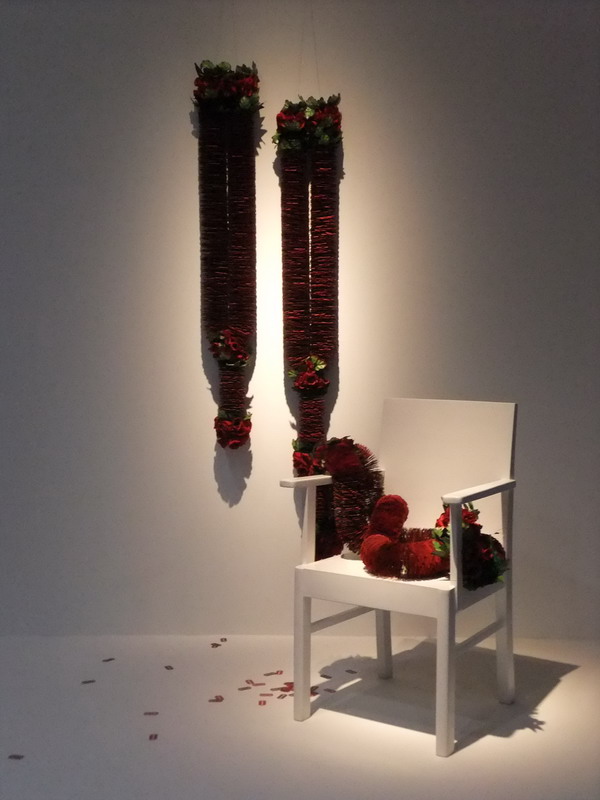
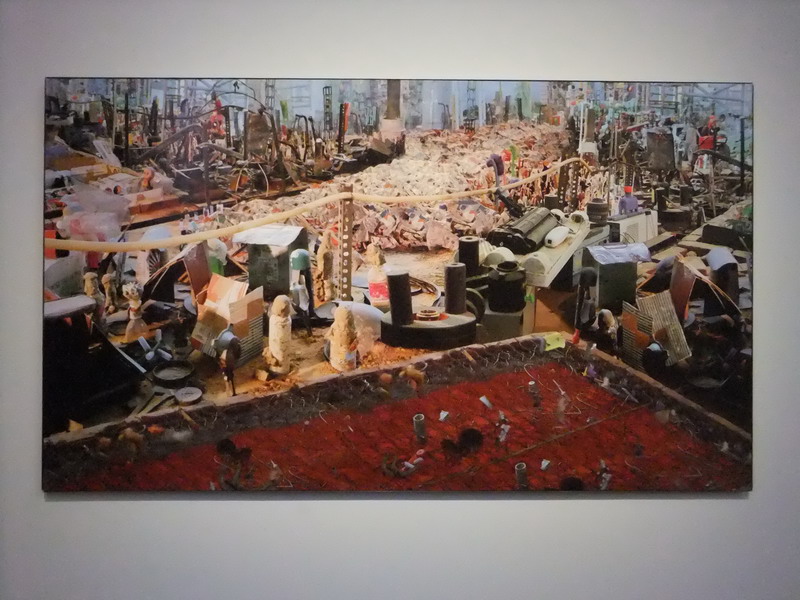
The value of difference under globalization: The Paris-Delhi-Bombay special exhibition presents France and relative India, Paris and the other, as global and local or local and global. In this globalized world, local differences become a unique cultural value and taste, forming a distinctive characteristic. Under the overall trend of global contemporary art, differences are viewed from cultural and creative backgrounds, perspectives on the world, attitudes toward life and mental states, and situations of people, events, and objects in secular life. Multi-faceted explorations include politics, urban and environmental issues, religion, family, and craftsmanship, among others. Diverse presentations include painting, sculpture, objects, images, video, and spatial installations.
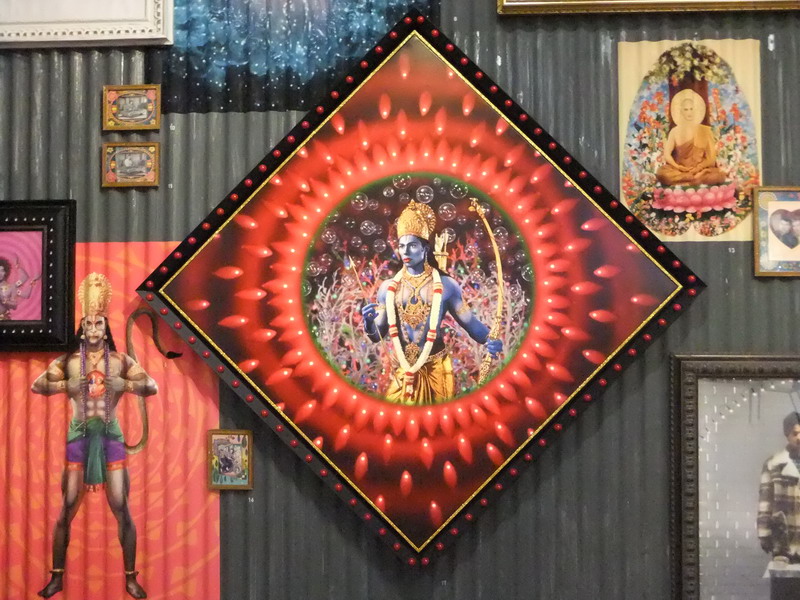
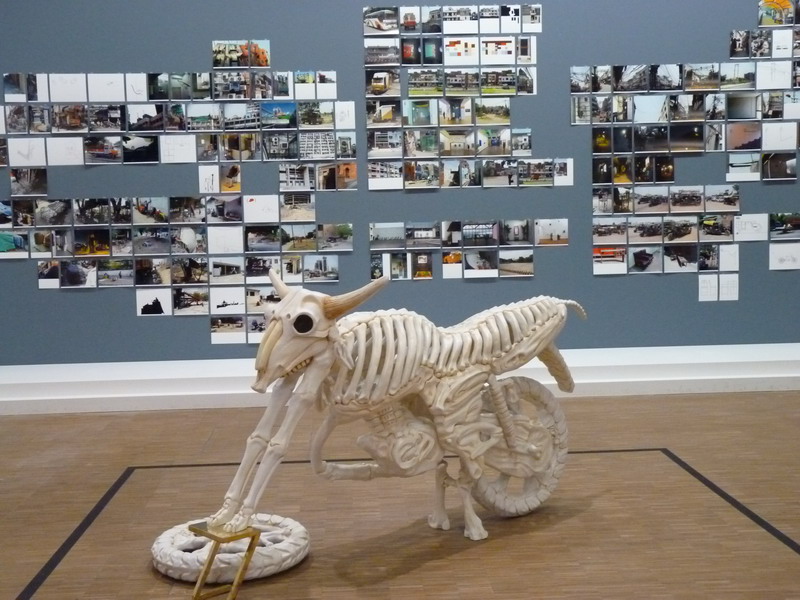
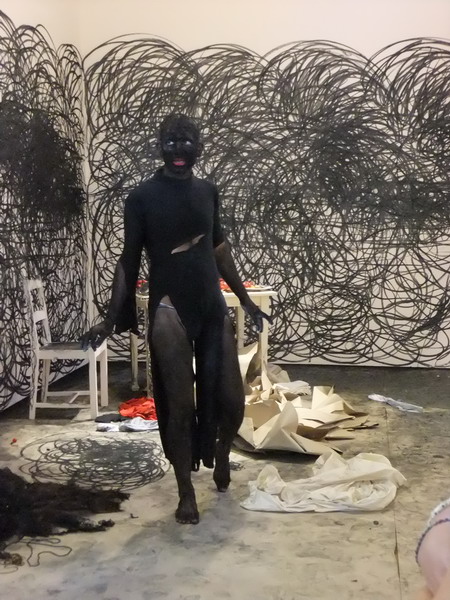
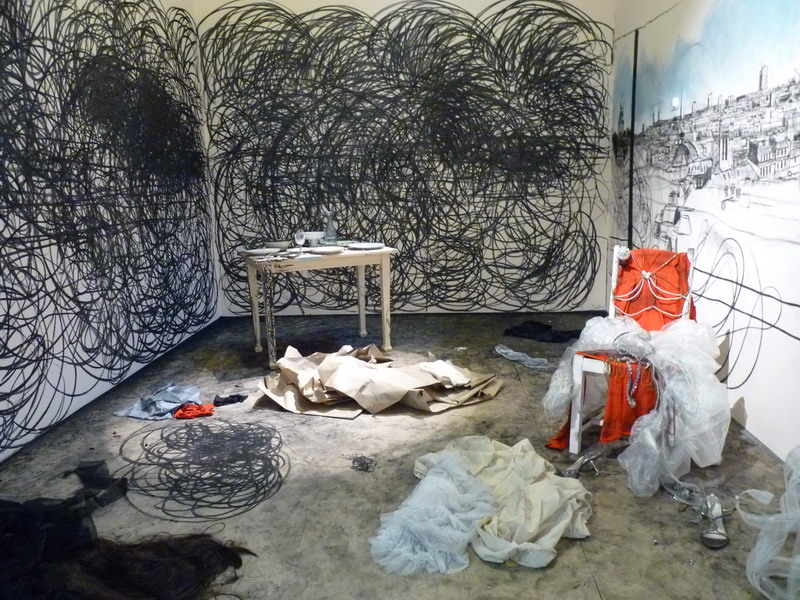
French artists tend toward a global international style, such as Loris Greaud's scientific digital images, Camille Henrot's cross-cultural videos, Gilles Barbier's installations blending Eastern and Western cultures, Pierre and Gilles' exotic Indian folk images, and French-Algerian Kader Attia's exploration of homosexuality in three regional societies. He states: "My video presents specifically that one culture, like others, has consistent common points of existence, yet is so different." Difference thus becomes the substantive value of the local.
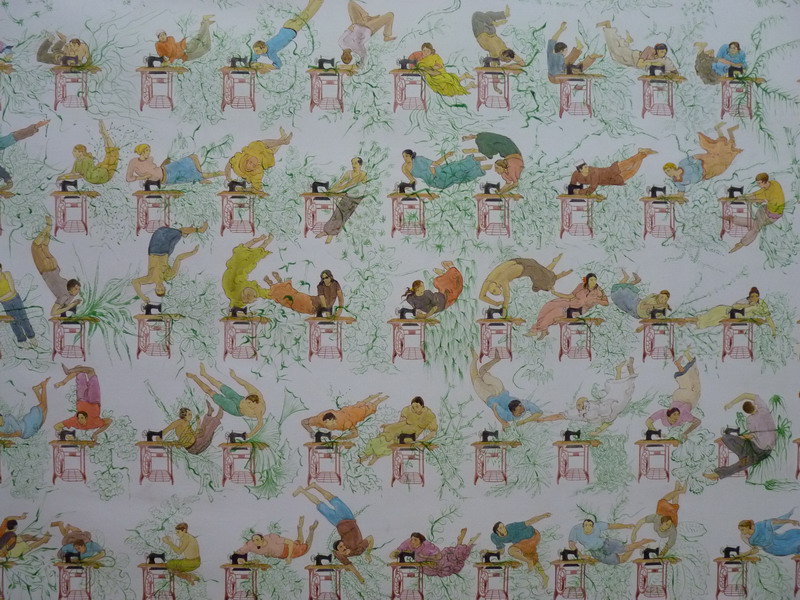
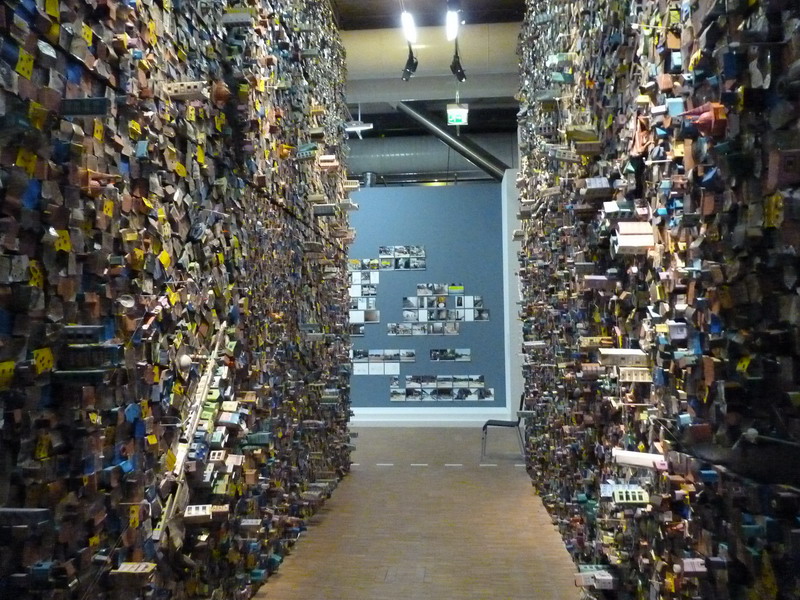
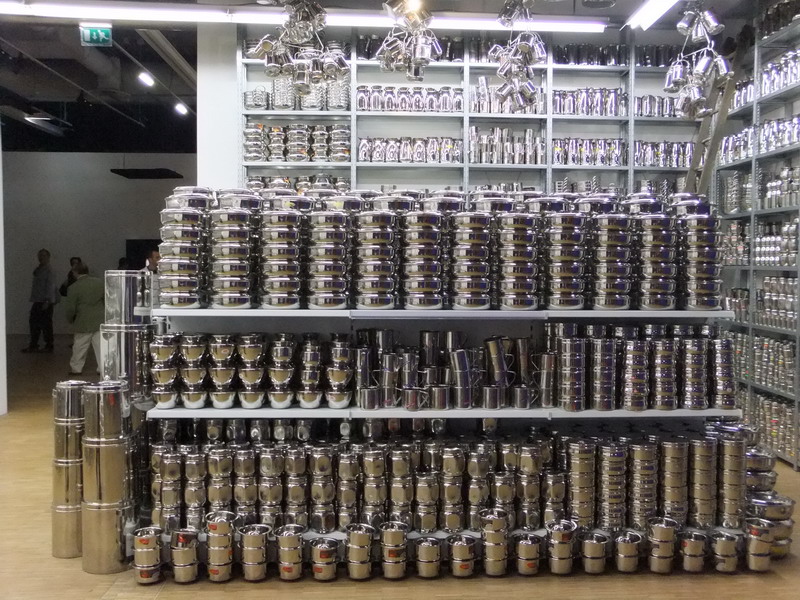
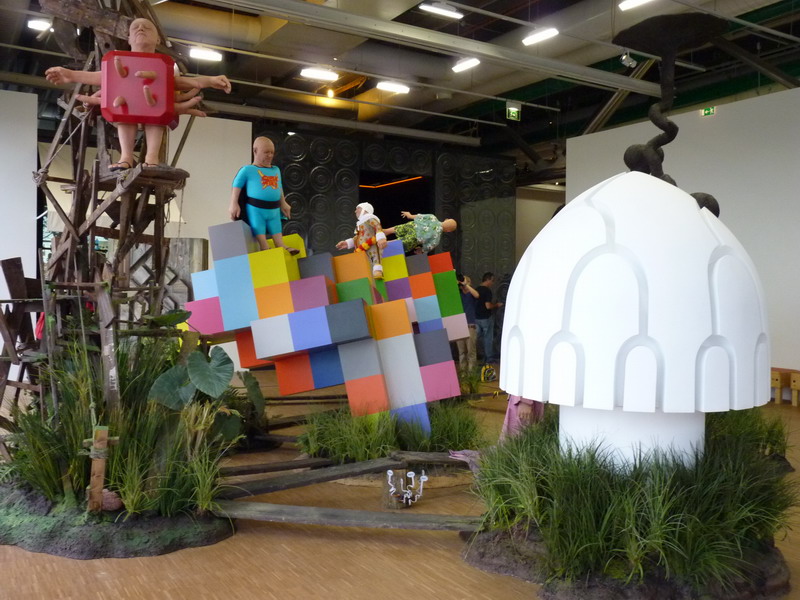
Indian artists lean toward local aspects, with their unique thinking and cultural insights, rooted in the local, pluralistic mixing or cross-boundary integration, all intending to create forms distinct from Western modernism and characteristics of Indian spirit, strengthening inherent cultural differences and pluralistic thinking. They intend, under current globalization, with infinite vitality and energy, to articulate cultural subjectivity and dialogue with the world. In current terminology, this is "glocalization" and "local globalization" or a fusion of these two aspects into an international appearance and style. For example, exploring roots in local folk techniques - such as Ravinder Reddy's Indian female heads in traditional wood carving, N.S. Harsha's folk miniature paintings, Sudarshan Shetty's folk metalwork carvings, Hema Upadhyay's miniature models of folk architecture, all emphasize subjective cultural identity. Subodh Gupta uses brass kitchenware to interpret objects of Indian daily life in installations. Shilpa Gupta fights for Indian women's rights, Tejal Shah presents discrimination and violence against women in traditional society. Thukral and Tagra use statues and paintings from the Khajuraho temples (collectively known as the sex temples) in installations, intending to break traditional social taboos. Kiran Subbaiah's eating habits demonstrate cultural differences between East and West, etc.
French artist Ben believed as early as the 1980s: "The next artistic revolution: is to assume its own language, culture, and race." Ben considered racial "difference" an unavoidable element in contemporary art. The new and the different are primary values; difference becomes the most valuable key in global art and cultural industries.
Introduction to mysterious India: India is the most mysterious veiled country in the East, one of the birthplaces of human civilization, full of mythology and spiritual inspiration, a place that sparks imagination. The origin of Buddhism, a sacred Ganges River, miraculous yoga, enchanting spices and curry cuisine, diverse practitioners, a holy land of spiritual philosophy, Mahatma Gandhi advocating non-violence, the humanist poet Tagore, Indian spiritual master Krishnamurti, and New Age spiritual guide Osho, plus India's lavish Bollywood song and dance films, the world's most beautiful Taj Mahal, the renowned Indian Silicon Valley and global service center, etc. India indeed holds an irresistible charm for people.
Contemporary India exists between tradition and modernity, extreme wealth and poverty, urban and rural, globalization and localization, advanced and backward, society and class, refined and vulgar, abnormal and orderly, miraculous and imaginary. India has a reputation as a museum of races, a museum of religions, and a kaleidoscope of civilizations. It is a country of coexisting races and religions, a nation full of free beliefs and rituals, also embodying a tolerant, open atmosphere society. It is the cradle and holy land of Buddhism, besides which there are local Hinduism, Jainism, and Sikhism, with Hinduism being the majority (80%). Hinduism is polytheistic, unafraid of death and believing in reincarnation, with three main deities: creator, protector, and destroyer. The whole society is also influenced by Brahman tradition, through a social class system relationship, where not only gods are hierarchical, but worshippers are also graded, which is the so-called caste system. Besides, there are Islam, Christianity, Zoroastrianism, etc.
India is one of the four great ancient civilizations of humanity, with vast territory, long history, profound cultural heritage, rich natural resources, a place gathering all wonders and enchantments. India's population is second only to China; together they account for over half the world's population. Both are newly emerging economic powers today, currently among the BRICS nations, holding pivotal positions in the global economic system, with great power complexes, like China believing this century is theirs. These two great ancient civilizations have rich cultural traditions and origins, yet their political systems are worlds apart. India is the world's largest democracy, while China is the largest non-democratic country. In contemporary art, India is a later emerging sphere. Compared with Chinese contemporary art, Indian contemporary art is significantly more diverse and multi-faceted. Because democratic society enjoys a highly free realm of thought, political alternation, religious belief, a tolerant, pluralistic, and open society, and freedom of speech, it brings infinite imaginative horizons. Art can more broadly touch the core of political systems and society, individual souls and daily life, delve into the kingdom of individual freedom, and open up personal artistic realms. In recent years, these two rising powers have attracted global attention in politics, economic development, and even contemporary art.